
What are the signs of plant diseases and how can I treat them?
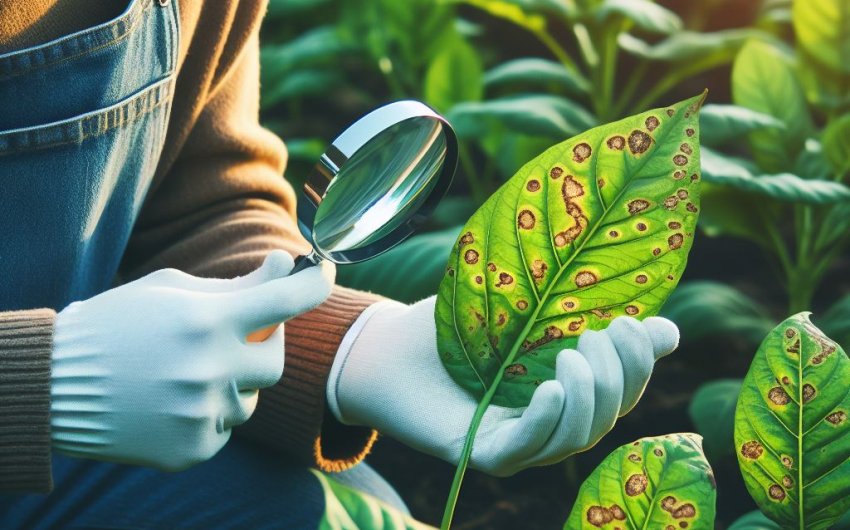
Uncovering common plant ailments and their remedies is crucial for a thriving garden. Spotting early indications of distress in your greenery can make all the difference in saving your precious plants. This guide will walk you through the tell-tale signs of various plant diseases and provide practical, easy-to-follow treatments to help your plants recover and flourish.
What Are the Visible Clues of Plant Sickness?
Noticing changes in your plant's appearance is often the first step in diagnosing a problem. These alterations can range from subtle discoloration to obvious growths. Understanding what to look for will help you act quickly.
How Do Leaves Show Signs of Disease?
Leaves are like the plant's report card, often displaying the earliest and most common signs of trouble. Changes in color, texture, or shape are all important indicators.
What Do Discolored Leaves Indicate?
Discolored leaves are a prominent symptom of many plant diseases. The specific color and pattern of discoloration can often point to a particular issue.
Yellowing leaves (chlorosis): If your plant's leaves are turning yellow, especially between the veins while the veins stay green, this is often a sign of iron deficiency or magnesium deficiency. If the entire leaf turns yellow and then brown, it could be overwatering or poor drainage. Uneven yellowing, or yellow spots, can suggest a viral infection. Sometimes, nitrogen deficiency can cause older, lower leaves to yellow completely before dropping off.
Brown spots or patches: These can be caused by a range of issues. Bacterial leaf spot often appears as small, dark, water-soaked spots that might have a yellow halo. Fungal leaf spots, like those from anthracnose, typically start as small, irregular brown spots that can grow and merge, sometimes with a purplish border. If the tips or edges of leaves turn brown, it might be underwatering, over-fertilization, or salt buildup in the soil. A sudden browning and wilting of leaves can be a sign of blight.
AdvertisementBlack spots or blight: Black spots can indicate serious fungal or bacterial diseases. Black spot on roses, for example, presents as distinct circular black spots with fringed margins. Sooty mold appears as a black, powdery film on leaves, often a secondary problem caused by honeydew excreted by pests like aphids. In more severe cases, entire sections of leaves turning black can be a sign of blight, which spreads rapidly and can lead to plant death.
White powdery coating: This is a classic sign of powdery mildew, a common fungal disease. It looks like a fine, white, flour-like dusting on the surface of leaves, stems, and even flowers. It can be easily rubbed off initially but can become thicker and more widespread, eventually causing leaves to yellow, distort, and drop.
Purple or reddish discoloration: Sometimes, leaves can take on a purplish or reddish hue. This is often a sign of phosphorus deficiency, especially in cooler temperatures, as plants struggle to absorb phosphorus efficiently. Certain viral diseases can also cause purpling or reddening of leaves, sometimes accompanied by leaf distortion.
What Do Abnormal Leaf Textures or Shapes Mean?
Beyond color, the feel and form of a leaf can provide critical clues about a plant's health.
Wilting or drooping leaves: This is a very common sign of stress. Wilting can be due to underwatering, where the plant isn't getting enough moisture to keep its cells turgid. However, it can also be a sign of overwatering, where roots are suffocated and cannot absorb water. Root rot often leads to wilting even when the soil is moist. Additionally, bacterial wilts can cause plants to suddenly wilt and collapse.
Curling or rolling leaves: Leaves that curl inwards or roll downwards can be a sign of heat stress or drought stress, as the plant tries to reduce water loss. Upward curling might indicate an excess of light or herbicide damage. Certain viral diseases can also cause leaves to curl, crinkle, or become distorted. Pest infestations, particularly spider mites, can also cause leaves to curl and develop a stippled appearance.
Stunted growth or distorted leaves: If new leaves are significantly smaller than normal, or are misshapen, crinkled, or puckered, it often points to a viral infection. Viruses can disrupt the plant's normal growth processes. It can also be a symptom of nutrient deficiencies, where the plant lacks the necessary building blocks for healthy development. Insect damage, particularly from sap-sucking insects like aphids or thrips, can also cause distorted new growth.
Holes or chewed edges: These are usually signs of pest damage rather than disease. Slugs, snails, and caterpillars are common culprits that chew holes in leaves or munch on the edges. However, some fungal diseases, like shot hole disease, can cause small spots to fall out of leaves, leaving behind a hole, resembling insect damage.
Unusual growths or spots (galls, blisters): Some diseases cause abnormal growths on leaves. Galls are often swellings or lumps on leaves (or stems), caused by fungi, bacteria, or insects. Blisters on leaves, like those caused by peach leaf curl, result from fungal infection that causes the leaf tissue to swell and distort. Rust diseases cause small, raised, powdery pustules on the underside of leaves, which are usually orange, yellow, or brown.
What Do Stem and Root Issues Reveal About Sickness?
While less obvious than leaf problems, issues with the stems and roots are critical because they are the plant's lifeline.
What Does Stem Discoloration or Lesions Mean?
The stem is the plant's highway for water and nutrients, so any problems here can quickly affect the entire plant.
Darkened or mushy stems: This is a strong indicator of stem rot or damping-off disease, often caused by overwatering or fungal pathogens in overly wet soil. The stem near the soil line becomes soft, discolored, and collapses. This is particularly common in seedlings. If the stem turns dark and shrivels higher up, it might be canker or blight.
Cankers or sunken spots: Cankers are localized, sunken, often discolored lesions on stems or branches. They can be caused by fungi or bacteria. Cankers can girdle (circle) the stem, cutting off water and nutrient flow to parts of the plant above the canker, leading to wilting and dieback. Sunken spots on stems can also be early signs of fungal or bacterial infections that can develop into cankers.
Fungal growths on stems: Visible fungal growths on stems can be quite diverse. White, cottony growth might indicate white mold. Sclerotia, which are small, hard, black resting structures of some fungi, can sometimes be seen on infected stems. In some cases, mushrooms or shelf fungi might grow on woody stems, indicating wood rot.
Wilting despite moist soil: If your plant is wilting even though the soil is adequately moist, it's a major red flag for root problems or vascular diseases. This means the roots are not able to absorb water, or the plant's internal plumbing (xylem) is blocked. This can be due to root rot caused by waterlogging, or fusarium wilt and verticillium wilt, which are fungal diseases that colonize the plant's vascular system, blocking water flow.
How Do Root Problems Show Up?
Roots are hidden, but their health directly impacts the plant's visible parts. Diagnosing root issues often requires careful inspection.
Mushy, brown, or black roots: Healthy roots are usually firm and white or light tan. If your plant's roots are soft, mushy, dark brown, or black, it's a classic sign of root rot. This is almost always caused by overwatering and poor drainage, which deprives roots of oxygen and creates an anaerobic environment where harmful fungi thrive. The rotting roots can't absorb water or nutrients effectively.
Foul smell from roots: A strong, unpleasant, rotten smell from the soil or roots is another clear indicator of root rot. The decomposition process creates a distinct odor.
Stunted growth above ground: When roots are unhealthy, the entire plant suffers. Stunted growth, a lack of vigor, and general poor health above ground, even with seemingly adequate care, can point to underlying root problems. The plant simply isn't getting the nourishment it needs.
White fungal growth on roots or soil: Sometimes, you might see a white, web-like fungal growth on the surface of the soil or directly on the roots when you unpot the plant. This could be a symptom of various soil-borne fungal diseases, some of which contribute to root rot.
What About Flowers and Fruits?
Diseases don't just affect leaves and stems; they can also target the reproductive parts of the plant.
What Do Unhealthy Flowers or Fruits Look Like?
Discolored or spotted flowers: Flowers can also develop spots, blotches, or discoloration. Botrytis blight (gray mold) can cause brown, water-soaked spots on petals, leading to a fuzzy gray mold. Some viral diseases can cause color breaking (streaks or blotches of different colors) in flowers.
Lack of flowering or deformed blooms: If a plant isn't flowering as it should, or if the blooms are misshapen or stunted, it can be a sign of disease or severe stress. Viral infections often lead to deformed flowers. Nutrient imbalances can also reduce flowering.
Rotting or premature drop of fruits: Fruit rot is a common problem, often caused by fungal or bacterial pathogens. Blossom end rot in tomatoes, while technically a calcium deficiency, results in a dark, sunken lesion on the blossom end of the fruit. Brown rot in stone fruits causes soft, brown spots that quickly spread and lead to mummified fruit. Premature fruit drop can be caused by severe stress, pest infestations, or certain diseases.
Spots, lesions, or blemishes on fruit: Just like leaves, fruits can develop various spots and lesions. These can be raised, sunken, discolored, or have a scabby texture, depending on the pathogen. For example, apple scab causes olive-green to brown, velvety spots on fruit, which can later become scabby.
How Can I Treat Common Plant Diseases?
Once you've identified a potential issue, the next step is to choose the right treatment. Prevention is always key, but when disease strikes, prompt action can save your plants.
What Are General Approaches to Disease Management?
Effective disease management often involves a combination of methods.
How Do I Use Cultural Practices to Prevent and Treat?
Cultural practices are your first line of defense. These are changes you make to the plant's environment and care routine.
Proper watering techniques: Overwatering is a leading cause of many root and stem diseases. Always check the soil moisture before watering. Stick your finger an inch or two into the soil; if it feels damp, wait. Use a watering can with a fine rose or a garden hose on a gentle setting to avoid splashing soil onto leaves, which can spread pathogens. Water at the base of the plant, directly on the soil, rather than overhead. Watering in the morning allows foliage to dry throughout the day, reducing the conditions favorable for fungal growth. Consider using a soil moisture meter for accuracy.
Good air circulation: Poor air circulation creates a humid, stagnant environment perfect for fungal diseases. Space plants appropriately to allow for airflow. If plants are too dense, consider pruning some inner branches or leaves to improve circulation. In indoor settings, a small fan can help move air around.
Sanitation (pruning, cleaning tools): Sanitation is critical to stop disease spread. Remove and destroy (do not compost) infected plant parts as soon as you spot them. This includes diseased leaves, stems, and fruits. Always sterilize your pruning shears or other tools before and after each use, especially when moving between different plants or infected and healthy parts of the same plant. You can use rubbing alcohol, a 10% bleach solution, or even heat for sterilization. Regularly clear fallen leaves and debris from around plants, as these can harbor pathogens.
Proper fertilization: Both nutrient deficiencies and over-fertilization can stress plants, making them more susceptible to disease. Use a balanced fertilizer appropriate for your plant's needs. Conduct a soil test to understand your soil's nutrient levels. Avoid applying too much nitrogen, which can lead to lush, tender growth that is more vulnerable to pests and diseases. For instance, a general-purpose plant fertilizer can be effective, but always check its NPK ratio.
Choosing resistant varieties: Whenever possible, select disease-resistant plant varieties when buying seeds or plants. Many seed packets and plant labels will indicate if a variety has resistance to common diseases in your area. This is a highly effective long-term prevention strategy.
Crop rotation: For garden beds, especially vegetable gardens, crop rotation is vital. Planting the same type of crop in the same spot year after year can lead to a buildup of specific soil-borne pathogens. Rotate different plant families to different beds each season to break disease cycles.
When Should I Use Organic or Chemical Treatments?
Sometimes cultural practices aren't enough, and you'll need to turn to other treatments.
Organic options (neem oil, baking soda spray, copper/sulfur fungicides): If you prefer a more natural approach, several organic fungicides are effective.
- Neem oil works as both an insecticide and a fungicide. It can help control powdery mildew, black spot, and rust diseases, and also deters many pests. It's best applied as a preventative or at the first sign of disease. Look for a concentrated neem oil spray.
- A simple baking soda spray (1 teaspoon baking soda, 1 teaspoon horticultural oil or liquid soap, mixed in 1 quart of water) can be effective against powdery mildew when applied regularly.
- Copper-based fungicides and sulfur-based fungicides are approved for organic gardening and are effective against a wide range of fungal and bacterial diseases, including leaf spots, blights, and mildews. Always follow label directions carefully. You can find a variety of copper fungicide products.
Chemical fungicides and bactericides (when and how to apply): For severe or persistent disease problems, chemical fungicides or bactericides may be necessary.
- Fungicides are designed to kill or inhibit fungal pathogens. They come in various forms, including ready-to-use sprays, concentrates, and granular products. Different fungicides target different types of fungi. For instance, Daconil (chlorothalonil) is a broad-spectrum fungicide effective against many fungal leaf spots, blights, and mildews.
- Bactericides are less common for home gardeners but are used to control bacterial diseases. Copper-based products often have both fungicidal and bactericidal properties.
- Always read and follow the product label instructions precisely. This includes mixing ratios, application methods (foliar spray, soil drench), reapplication intervals, and personal protective equipment (gloves, eye protection). Apply on a calm day to avoid drift, and avoid applying during hot, sunny conditions, which can cause leaf burn. Consider purchasing a garden sprayer for even application.
What Do I Do If the Disease Is Too Advanced?
Sometimes, despite your best efforts, a plant might be too far gone.
Removing and disposing of severely infected plants: If a plant is severely diseased and not recovering, or if it's a highly contagious disease (like a severe viral infection that spreads easily), it's often best to remove and destroy the entire plant. Do not compost it, as the pathogens can survive and spread. Bag it and dispose of it with household waste. This prevents the disease from spreading to other healthy plants in your garden.
Sterilizing soil or containers: If a plant was infected with a soil-borne disease (like root rot or a wilt fungus), the soil itself might be contaminated. If replanting in the same spot or container, consider sterilizing the soil (solarization for outdoor beds, baking for small amounts of potting mix) or, preferably, replacing the soil entirely. Thoroughly clean and sterilize any pots or tools that came into contact with the infected plant or soil. A bleach solution or rubbing alcohol works well for cleaning containers.
How Do I Treat Specific Common Plant Diseases?
Let's look at common diseases and their specific remedies.
How Do I Fight Fungal Diseases?
Fungi are a common cause of plant diseases, thriving in moist conditions.
Powdery mildew: This looks like white, powdery spots on leaves and stems.
- Treatment: Improve air circulation by pruning dense growth. Apply an organic fungicide like neem oil or a baking soda spray. For persistent cases, a sulfur-based fungicide or a targeted chemical fungicide like Daconil can be used. Ensure thorough coverage of both top and bottom leaf surfaces. A good powdery mildew treatment can make a significant difference.
Black spot (e.g., on roses): Characterized by black spots with fringed margins on leaves, often leading to yellowing and leaf drop.
- Treatment: Remove and destroy infected leaves immediately. Water at the base of the plant to keep foliage dry. Apply copper-based fungicides or sulfur fungicides preventatively and upon first sight of symptoms. Regular applications of a rose fungicide can help manage this issue.
Rust diseases: Appear as small, raised, powdery pustules (orange, yellow, or brown) on the undersides of leaves.
- Treatment: Remove infected leaves. Avoid overhead watering. Ensure good air circulation. Sulfur fungicides are often effective, as are some systemic fungicides. Consider a fungicide for rust.
Root rot: Occurs when roots become mushy, brown, or black due to overwatering and lack of oxygen.
- Treatment: This is primarily a cultural issue. Immediately reduce watering frequency. Ensure excellent drainage. If the plant is potted, repot into fresh, well-draining potting mix, trimming off any rotten roots with sterilized shears. For in-ground plants, improve soil drainage by amending with organic matter or creating raised beds. There are very few effective chemical treatments once root rot is established; prevention is key.
Damping-off: A common problem in seedlings where the stem rots at the soil line and the seedling collapses.
- Treatment: Use sterile seed-starting mix. Ensure good air circulation around seedlings. Avoid overwatering. Plant seeds at the correct depth. Keep temperatures consistent. There are also fungicide-treated seeds available, or you can use a seed starting mix containing beneficial microbes.
Blights (e.g., Early Blight, Late Blight): Rapidly spreading diseases causing brown or black lesions on leaves, stems, and fruits, often leading to plant death.
- Treatment: Remove infected plant parts immediately. Practice crop rotation. Improve air circulation. Apply copper-based fungicides or chlorothalonil (Daconil) preventatively, especially during wet, humid weather. A specific tomato blight treatment might be needed for common garden issues.
How Do I Deal with Bacterial Diseases?
Bacterial diseases often cause water-soaked spots, wilting, or cankers.
Bacterial leaf spot: Appears as small, water-soaked spots that become dark and often have a yellow halo.
- Treatment: Remove infected leaves. Avoid overhead watering. Ensure good air circulation. Copper-based bactericides can help prevent spread, but once a plant is infected, treatment is difficult. Sanitation is key.
Bacterial wilt: Causes sudden, rapid wilting of a plant even with adequate moisture. Cutting the stem might reveal a milky ooze.
- Treatment: There is no effective chemical cure for bacterial wilt. Remove and destroy infected plants immediately to prevent spread. Practice strict crop rotation. Control insect vectors (like cucumber beetles) that can spread the disease. Use disease-resistant varieties.
Cankers: Sunken, often discolored lesions on stems or branches.
- Treatment: Prune out infected branches well below the canker into healthy wood. Sterilize pruning tools between cuts. Maintain plant vigor through proper care to help it resist future infections. A pruning saw can be useful for larger cuts.
What If My Plant Has a Viral Infection?
Viral diseases are notoriously difficult to treat.
Viral mosaic (e.g., Tobacco Mosaic Virus): Causes mottled patterns of light and dark green on leaves, often accompanied by distortion or stunting.
- Treatment: There is no cure for most plant viruses. Remove and destroy infected plants immediately to prevent spread to other plants, especially if you handle them. Control insect vectors (like aphids, whiteflies) that can transmit viruses. Practice strict hygiene: wash hands, sanitize tools. Use virus-free seeds or plants whenever possible.
Leaf curl (viral, e.g., Peach Leaf Curl is fungal): While peach leaf curl is fungal, some viruses can cause leaves to curl and distort.
- Treatment: For viral leaf curl, treatment is the same as for other viral diseases: removal of infected plants. For fungal peach leaf curl, apply a dormant oil or copper fungicide in late fall after leaves drop or in early spring before buds swell.
How Do I Correct Nutrient Deficiencies?
While not diseases caused by pathogens, nutrient deficiencies can mimic disease symptoms and weaken plants.
Iron deficiency (chlorosis): Yellowing between leaf veins, especially on new growth.
- Treatment: Adjust soil pH if it's too high (iron is less available in alkaline soil). Apply chelated iron to the soil or as a foliar spray. You can find chelated iron plant supplement products.
Nitrogen deficiency: Older leaves turn uniformly yellow and may drop prematurely.
- Treatment: Apply a fertilizer high in nitrogen (the first number in the NPK ratio). Organic options include blood meal or compost. A balanced liquid plant food with a higher nitrogen content can also help.
Phosphorus deficiency: Leaves may turn purple or reddish, especially on the undersides, and growth is stunted.
- Treatment: Apply a fertilizer high in phosphorus (the middle number in the NPK ratio). Bone meal is a good organic source. Adjust soil pH, as phosphorus uptake can be affected by extreme pH.
Potassium deficiency: Older leaves may show yellowing or browning along the edges (scorch).
- Treatment: Apply a fertilizer high in potassium (the third number in the NPK ratio). Greensand or potash are good organic options.
Recognizing the specific signs of plant diseases and knowing the appropriate treatment methods are fundamental skills for any gardener. By regularly observing your plants, maintaining good cultural practices, and acting quickly when problems arise, you can ensure your garden remains vibrant and productive, minimizing the impact of common plant ailments.