
What causes yellowing leaves on plants and how do I fix it?
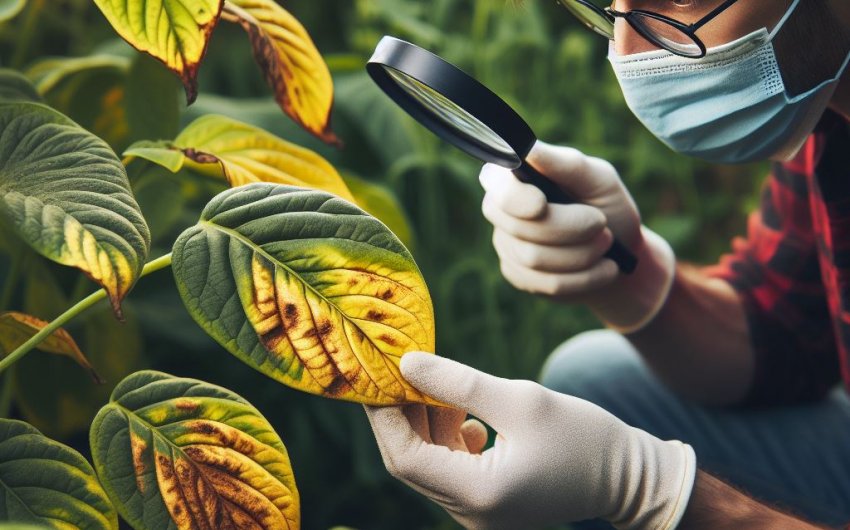
Observing vibrant green leaves suddenly turn a sickly yellow can be one of the most disheartening sights for any plant parent. This common symptom, known as chlorosis, indicates that something isn't quite right with your plant's health. Yellowing leaves mean that the plant isn't producing enough chlorophyll, the green pigment vital for photosynthesis (the process plants use to convert sunlight into energy). It's a clear signal that your plant is stressed and needs your attention.
The tricky part is that there isn't one single answer to "What causes yellowing leaves?" The culprit can range from simple environmental issues to more complex nutritional deficiencies or even pests and diseases. However, by carefully observing your plant and understanding the common reasons behind this discoloration, you can often pinpoint the problem and implement effective solutions. Let's delve into the mysteries of yellowing leaves and discover how to nurse your plants back to vibrant health.
What Are the Most Common Environmental Causes of Yellowing Leaves?
Many cases of yellowing leaves stem from basic environmental factors that are relatively easy to identify and fix. These are often the first things to check when your plant shows signs of distress.
How Does Improper Watering Lead to Yellowing Leaves?
Watering issues are by far the leading cause of yellowing leaves on most plants, both indoor and outdoor. Both overwatering and underwatering can cause similar symptoms, making diagnosis a bit tricky.
- Overwatering (More Common Cause):
- How it Happens: Too much water, too often, or poor drainage leads to soggy soil where roots sit in standing water.
- Why it Causes Yellowing: Roots need oxygen to "breathe" and absorb nutrients. When soil is waterlogged, oxygen is cut off, and roots begin to rot. Damaged roots cannot absorb water or nutrients, even if they are present in the soil. This leads to symptoms resembling drought stress.
- Symptoms:
- Leaves turn yellow, often starting with older, lower leaves.
- Leaves may also turn mushy, brown, or black, especially at the tips or edges.
- The soil stays wet for a long time after watering and might smell musty.
- Plant may appear droopy even though the soil is wet.
- Fix:
- Stop Watering Immediately: Let the soil dry out considerably before watering again.
- Improve Drainage: Ensure your pot has drainage holes. If not, repot immediately into a pot with drainage.
- Check Potting Mix: If the mix is heavy and doesn't drain well, repot into a lighter, faster-draining mix. For houseplants, use a well-draining potting mix.
- Trim Rotted Roots: If root rot is severe, carefully unpot the plant, trim off any mushy, black, or smelly roots with clean scissors, and repot into fresh, dry soil.
- Adjust Watering Schedule: Water less frequently. Only water when the top inch or two of soil feels dry. Use a soil moisture meter for accuracy.
- Underwatering:
- How it Happens: Not enough water, or watering too infrequently.
- Why it Causes Yellowing: Plant cells need water to remain turgid (firm) and for photosynthesis. Without enough water, they shrivel and eventually die.
- Symptoms:
- Leaves turn yellow, often starting with older, lower leaves.
- Leaves may also become crispy, dry, and brown, especially at the edges.
- The soil pulls away from the edges of the pot and feels bone dry.
- Plant appears visibly wilted, but will perk up after watering.
- Fix:
- Water Thoroughly: Water until water drains from the bottom of the pot.
- Adjust Watering Schedule: Water more frequently. Set reminders until you learn your plant's needs.
- Check Potting Mix: If the soil is extremely dry and hard (hydrophobic), water may just run off. Consider bottom watering (placing the pot in a tray of water) or gently breaking up the crusty top layer to allow water penetration.
Proper plant watering is crucial for preventing and fixing yellow leaves.
How Does Light Affect Leaf Color?
Light is essential for photosynthesis. Both too much and too little light can cause stress and yellowing.
- Too Little Light:
- Why it Causes Yellowing: Without enough light, plants cannot produce sufficient chlorophyll. Also, older leaves may yellow and drop to conserve energy for new growth.
- Symptoms:
- Leaves turn pale green or yellow, often uniformly.
- New growth may be weak, leggy, or sparse.
- Lower leaves yellow and drop off frequently.
- Fix:
- Move to Brighter Spot: Relocate the plant to a brighter location with more appropriate light levels for its species.
- Supplement with Grow Light: If natural light is insufficient, use a grow light for houseplants. Aim for 10-12 hours a day.
- Too Much Direct Sun (Sunburn):
- Why it Causes Yellowing: Intense, direct sunlight can scorch plant leaves, especially for plants not adapted to it or when moving a plant from low light to direct sun too quickly. The chlorophyll is destroyed.
- Symptoms:
- Leaves turn yellow, bleached, or develop crispy brown spots.
- Often affects the upper leaves or those directly exposed to the sun.
- Fix:
- Move to Indirect Light: Relocate the plant to a spot with bright, indirect light, or use a sheer curtain to diffuse the light from a very sunny window.
- Acclimate Slowly: If moving a plant to a brighter spot, do it gradually over a week or two.
Providing the right light for plants is essential for healthy, green foliage.
Can Temperature and Humidity Cause Yellowing?
Sudden changes or extremes in temperature and humidity can stress plants, leading to yellowing.
- Temperature Stress:
- Cold Drafts/Sudden Drops: Exposure to cold drafts (e.g., from an open window in winter, AC vents) can cause leaves to yellow, often starting with browning edges.
- Extreme Heat: Very high temperatures can stress plants, leading to wilting and yellowing, as they struggle to transpire (release water vapor) efficiently.
- Fix: Keep plants away from vents, drafty windows, and sudden temperature shifts. Maintain consistent room temperatures.
- Humidity (Especially for Tropical Plants):
- Low Humidity: Many tropical houseplants prefer higher humidity. In dry indoor environments (especially with winter heating), low humidity can cause leaf tips and edges to turn yellow or brown and become crispy.
- Fix: Increase humidity around the plant using a plant humidifier, a pebble tray with water, or grouping plants together.
Maintaining stable and appropriate environmental conditions is crucial for preventing yellow leaves.
How Do Nutrient Deficiencies Cause Yellowing Leaves?
Plants need a balanced diet of essential nutrients to produce chlorophyll and grow healthy. A lack of certain nutrients can manifest as specific yellowing patterns on the leaves.
What are Macronutrient Deficiencies?
Macronutrients are needed in larger quantities by plants.
- Nitrogen (N) Deficiency:
- Role: Essential for overall growth and green color, key component of chlorophyll.
- Symptoms: General yellowing of older, lower leaves first, often uniformly across the leaf (not just veins). New growth may be stunted and pale. As the deficiency worsens, yellowing moves up the plant.
- Fix: Apply a balanced liquid fertilizer or one higher in nitrogen. For outdoor plants, incorporate compost or a nitrogen-rich amendment like blood meal.
- Potassium (K) Deficiency:
- Role: Important for overall plant vigor, water regulation, and stress resistance.
- Symptoms: Yellowing or browning along the leaf margins (edges) of older leaves, which may eventually scorch or curl. Plant may be more susceptible to wilting and disease.
- Fix: Use a balanced fertilizer or one higher in potassium.
- Phosphorus (P) Deficiency:
- Role: Crucial for root development, energy transfer, and flowering/fruiting.
- Symptoms: Leaves may turn a dark green or bluish-green, sometimes with purplish tints (especially on the undersides of leaves or stems). Growth will be stunted. Yellowing is less common but can occur with severe deficiency.
- Fix: Use a balanced fertilizer or one higher in phosphorus. For outdoor plants, bone meal can be a good source.
What are Micronutrient Deficiencies?
Micronutrients are needed in smaller amounts, but are just as vital. Their deficiency often presents as interveinal chlorosis (yellowing between the veins).
- Iron (Fe) Deficiency:
- Role: Essential for chlorophyll production, even though it's not a part of chlorophyll itself.
- Symptoms: Younger, new leaves turn yellow between the veins (interveinal chlorosis), while the veins remain green. As it worsens, the entire leaf may turn pale yellow or almost white. Often seen in alkaline soils where iron is less available.
- Fix: Lower soil pH if too high (e.g., with elemental sulfur for outdoor plants). Apply an iron chelate liquid fertilizer or foliar spray directly to leaves for quick absorption.
- Magnesium (Mg) Deficiency:
- Role: Key component of chlorophyll.
- Symptoms: Older, lower leaves show interveinal chlorosis, with veins remaining green. Yellowing may start at the leaf margins and progress inward.
- Fix: Apply Epsom salts (magnesium sulfate) as a soil drench or foliar spray.
- Zinc (Zn) Deficiency:
- Role: Involved in enzyme activity and hormone production.
- Symptoms: Leads to stunted growth, small, distorted leaves, and interveinal chlorosis on new leaves.
- Fix: Apply a balanced fertilizer that includes micronutrients or a specific zinc supplement.
- Manganese (Mn) Deficiency:
- Role: Involved in photosynthesis and nitrogen metabolism.
- Symptoms: Interveinal chlorosis on new leaves, often with small, dark spots. Can be confused with iron deficiency.
- Fix: Adjust soil pH if too high. Apply a manganese supplement.
How Does Soil pH Affect Nutrient Availability?
Even if nutrients are present in the soil, they might not be available to the plant if the soil pH is too high or too low.
- What is Soil pH? A measure of how acidic or alkaline the soil is (on a scale of 0 to 14, with 7 being neutral). Most plants prefer a slightly acidic to neutral pH (around 6.0-7.0).
- Why it Matters: At extreme pH levels, certain nutrients become "locked up" in the soil and cannot be absorbed by plant roots, even if you apply fertilizer. Iron deficiency in alkaline soils is a classic example.
- Fix: Get a soil test kit to determine your soil pH.
- To Raise pH (make more alkaline): Add lime (calcium carbonate).
- To Lower pH (make more acidic): Add elemental sulfur or use acidic fertilizers.
Addressing soil pH is fundamental for ensuring proper nutrient absorption and preventing yellow leaves.
What Other Causes Can Lead to Yellowing Leaves?
Beyond water, light, and nutrients, several other factors can cause plant leaves to yellow.
Can Pests and Diseases Cause Yellowing?
Yes, various plant pests and diseases can stress plants and lead to discolored foliage.
- Pest Infestations: Sucking insects like spider mites, aphids, whiteflies, and mealybugs feed on plant sap, draining vital nutrients and causing leaves to yellow, stipple, or become distorted.
- Symptoms: Look for the pests themselves (often on undersides of leaves or in leaf axils), webbing (spider mites), sticky honeydew, or sooty mold.
- Fix: Identify the pest. Use targeted treatments like insecticidal soap, neem oil, or physical removal (hosing off).
- Fungal Diseases: Some fungal infections, like certain leaf spot diseases or wilts, can cause yellowing as part of their symptom progression. Root rot (fungal) is a major cause of yellowing due to water issues.
- Symptoms: Look for distinct spots, lesions, fuzzy growth, or sudden wilting.
- Fix: Improve air circulation, avoid overhead watering, remove affected leaves, and apply appropriate fungicides if necessary.
- Viral Diseases: Viruses often cause mottled yellowing (mosaic patterns), distorted leaves, and stunted growth.
- Symptoms: Often irregular and can't be "washed off."
- Fix: No cure. Remove and destroy infected plants to prevent spread. Control insect vectors (pests that spread viruses).
Regular plant inspection is crucial for early detection of pests and diseases.
What About Normal Aging or Transplant Shock?
Not all yellowing is a sign of a problem; some are natural processes.
- Normal Aging: As plants grow, older, lower leaves naturally yellow and drop off. This is normal, especially for fast-growing plants or those developing a woody stem. The plant is simply diverting energy to new growth.
- Symptoms: Only a few lower leaves yellow at a time, usually cleanly. The rest of the plant looks healthy.
- Fix: No fix needed; simply prune off the yellowing leaves.
- Transplant Shock: When a plant is moved (repotted, planted outdoors), it can experience transplant shock. Its roots may be disturbed, making it difficult to absorb water.
- Symptoms: Temporary wilting and yellowing, especially of older leaves, shortly after transplanting.
- Fix: Minimize root disturbance during transplanting. Water thoroughly but don't overwater. Provide stable conditions (avoid extreme light or temperature changes) for a week or two. Use a transplant shock solution that often contains B vitamins.
These natural processes are typically temporary and less concerning than other causes of yellowing leaves.
By systematically investigating these potential causes, observing your plant closely, and implementing the appropriate solutions, you can often pinpoint why your leaves are yellowing and nurse your plants back to vibrant, green health. Patience and consistent care are key to helping your plants thrive.