
How can I protect my garden from invasive weeds?
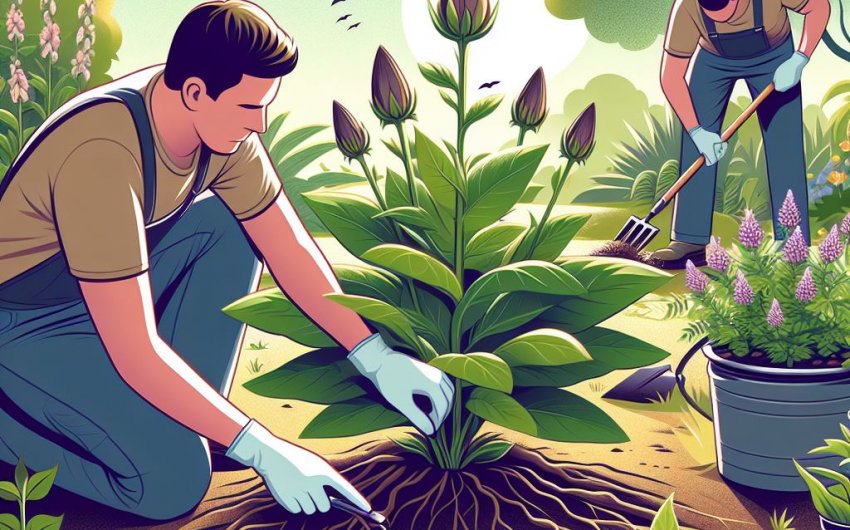
The dream of a lush, thriving garden can quickly turn into a nightmare when aggressive, unwanted plants begin to take over. These tenacious invaders, often referred to as invasive weeds, compete fiercely with your desired plants for sunlight, water, and nutrients, ultimately stifling their growth and diminishing the beauty of your outdoor space. More than just a nuisance, some invasive weeds can even damage infrastructure or disrupt local ecosystems if left unchecked. The constant battle against these persistent foes can be daunting, but with the right strategies, you can effectively protect your garden.
Combating invasive weeds requires a multi-faceted approach, combining proactive prevention with consistent management techniques. From understanding how these unwanted guests spread to employing physical barriers, organic controls, and responsible chemical solutions, arming yourself with knowledge is the first step toward reclaiming your garden. This comprehensive guide will walk you through proven methods to combat invasive weeds, ensuring your cherished plants have the space and resources they need to flourish, transforming your garden into a sanctuary of intentional growth.
What Makes Weeds Invasive and Why Are They a Problem?
How Do Invasive Weeds Spread So Easily?
Invasive weeds are notoriously difficult to control precisely because they are masters at spreading so easily, often employing multiple strategies to colonize new areas.
- Prolific Seed Production: Many invasive weeds produce an astonishing number of seeds, often thousands or tens of thousands per plant. These seeds are usually very lightweight, allowing them to be carried by wind over long distances.
- Long Seed Viability: The seeds of many invasive weeds can remain viable (able to germinate) in the soil for many years, sometimes even decades. This means old infestations can reappear long after the parent plants are gone.
- Efficient Seed Dispersal: Beyond wind, invasive weed seeds can be dispersed by:
- Animals: Birds and other animals eat berries or seeds and spread them through their droppings.
- Water: Rainwater or irrigation can wash seeds to new locations.
- Humans: Seeds can hitchhike on clothing, tools, vehicles, or even in contaminated soil or mulch.
- Vegetative Reproduction (Rhizomes, Stolons, Tubers): Many invasive weeds spread aggressively through underground stems (rhizomes), above-ground runners (stolons), or underground storage organs (tubers). Even a small piece of these root structures left in the soil can sprout a new plant. This makes digging them out particularly challenging, as any missed fragment can lead to regrowth.
- Rapid Growth Rate: Invasive weeds often grow much faster than desirable plants, quickly outcompeting them for resources.
- Lack of Natural Predators: In new environments, invasive weeds often lack the natural pests and diseases that would keep them in check in their native habitats.
This combination of aggressive reproductive strategies makes invasive weeds a formidable foe in any garden.
What Damage Do Invasive Weeds Cause to Desirable Plants?
Invasive weeds cause significant damage to desirable plants by aggressively competing for vital resources and creating unfavorable growing conditions.
- Competition for Resources: This is the primary damage. Invasive weeds compete fiercely with your chosen garden plants for:
- Sunlight: Rapidly growing weeds can quickly grow taller or spread wider than desirable plants, shading them out and preventing them from performing photosynthesis.
- Water: Weeds absorb a significant amount of water from the soil, depriving nearby garden plants, especially during dry spells.
- Nutrients: Weeds are often very efficient at taking up nutrients from the soil, leaving less available for your cultivated plants, leading to nutrient deficiencies.
- Space: Their aggressive growth habit means they literally crowd out desired plants, physically inhibiting their growth.
- Reduced Yield/Vigor: For vegetable crops, competition from weeds can drastically reduce fruit or vegetable size and overall yield. For ornamental plants, it leads to stunted growth, less vigorous blooming, and a general decline in health.
- Harbor Pests and Diseases: Dense weed patches can provide ideal hiding spots and breeding grounds for various garden pests (like slugs, aphids) and fungal diseases (due to poor air circulation and trapped humidity). This can then spread to your desirable plants.
- Aesthetic Impact: Beyond the physical damage, invasive weeds diminish the beauty and manicured appearance of your garden, making it look messy and neglected.
Untamed invasive weeds are detrimental to the health and productivity of your entire garden.
Are There Different Types of Invasive Weeds (Annual vs. Perennial)?
Yes, understanding the different types of invasive weeds, particularly their life cycles (annual vs. perennial), is crucial for effective control.
- Annual Weeds:
- Life Cycle: Complete their entire life cycle (germination, growth, flowering, seeding, death) within a single growing season.
- Spread: Primarily by prolific seed production. They often germinate rapidly and grow quickly.
- Control Strategy: The key is to prevent them from setting seed. Remove them before they flower.
- Examples: Crabgrass, common purslane, common lamb's quarters, common chickweed, pigweed.
- Perennial Weeds:
- Life Cycle: Live for more than two years, often for many years.
- Spread: Spread both by seed and by vegetative means (underground rhizomes, above-ground stolons, tubers, bulbs). This makes them much harder to eradicate.
- Control Strategy: Requires persistent effort to exhaust their underground energy reserves. Simply pulling the top growth is often ineffective if the roots remain.
- Examples: Bindweed, nutsedge, quackgrass, Dandelion (can be perennial), ground ivy, Japanese knotweed.
Knowing whether you're dealing with an annual or perennial weed directly influences the most effective control method and maintenance schedule.
How Can I Prevent Invasive Weeds in My Garden?
What Role Does Proper Soil Preparation Play?
Proper soil preparation is a foundational step in preventing invasive weeds from getting a foothold in your garden.
- Remove Existing Weeds Thoroughly: Before planting, clear the area of all existing weeds, especially perennial ones. Dig deeply to remove entire root systems, rhizomes, or tubers. If large numbers are present, consider solarization (covering with clear plastic for several weeks in hot sun) to kill weeds and seeds.
- Improve Soil Health: Healthy soil promotes strong growth in your desired plants, making them more competitive against weeds. Amend soil with compost to improve structure, drainage, and nutrient levels.
- Avoid Bringing in Weed Seeds: Be careful about the source of your potting mix, compost, or mulch. Unfinished compost or low-quality mulch can introduce weed seeds into your garden. Use reputable sources or ensure your own compost reaches high temperatures to kill seeds.
- Proper Drainage: While not directly preventing weeds, well-draining soil creates a healthier environment for desirable plants, which can outcompete weeds.
- Weed Seed Depletion: For new beds, some gardeners employ a "false seedbed" technique where they prepare the bed, let weed seeds germinate for a week or two, then lightly hoe off the new seedlings before planting their desired crops. This depletes some of the surface weed seed bank.
A clean, healthy, and well-prepared garden bed is less hospitable to invasive weeds.
How Can Mulching Help Suppress Weeds?
Mulching is one of the most effective and low-maintenance weed control strategies for preventing invasive weeds in garden beds.
- Blocks Sunlight: A thick layer of mulch (typically 2-4 inches deep) physically blocks sunlight from reaching weed seeds on the soil surface, preventing them from germinating and growing. This is especially effective against annual weeds.
- Physical Barrier: Even if some weed seeds do germinate (e.g., from seeds blown in on top of the mulch), the mulch makes it much harder for them to establish their roots, making them easier to pull.
- Retains Moisture: Mulch helps the soil retain moisture, reducing watering frequency and providing consistent moisture for desirable plants, helping them outcompete any persistent weeds.
- Regulates Soil Temperature: Mulch helps keep soil temperatures more consistent, which can inhibit the germination of some weed seeds that prefer specific temperature fluctuations.
- Improves Soil Health: Organic mulches (like wood chips, straw, shredded leaves, compost) break down over time, adding organic matter to the soil, improving its structure and fertility.
Apply mulch to clean garden beds (after removing existing weeds) to maximize its effectiveness. You can find excellent Garden Mulch Bulk options.
What Role Does Proper Spacing Play?
Proper spacing of your desirable garden plants plays a crucial role in preventing invasive weeds by giving your plants the competitive edge.
- Reduce Bare Soil: Weeds are opportunistic; they quickly colonize any bare soil. By spacing your plants appropriately (not too far apart), their mature foliage will eventually grow together to form a canopy that shades the soil surface.
- Sunlight Deprivation: This shading effect by desirable plants significantly reduces the amount of sunlight reaching the soil, inhibiting the germination and growth of weed seeds.
- Resource Competition: When your desired plants are well-spaced, they have optimal access to sunlight, water, and nutrients, allowing them to grow strong and vigorous. A healthy, robust plant is better able to outcompete any weeds that manage to sprout.
- Easier Maintenance: Properly spaced plants are easier to weed by hand, or to cultivate around without damaging the desirable plants.
Always consult seed packets or plant tags for recommended spacing guidelines.
Can I Use Weed Barrier Fabric?
Weed barrier fabric (also known as landscape fabric or geotextile fabric) can be used to help prevent invasive weeds, particularly in new installations or under pathways and perennial beds.
- How it works: It's a breathable, porous material that is laid directly on prepared soil. It physically blocks sunlight from reaching weed seeds in the soil while still allowing water and air to pass through to the roots of desirable plants. It is then covered with mulch (gravel, bark, etc.).
- Pros:
- Effective weed suppression: Provides a strong physical barrier against existing weed seeds in the soil.
- Reduces weeding effort: Significantly cuts down on future weeding.
- Permeable: Allows water and nutrients to penetrate to the plants.
- Cons:
- Can impede nutrient exchange: Over time, it can hinder the natural decomposition of organic matter into the soil.
- Surface weeds: Seeds can still germinate on top of the fabric if mulch layers are thin or if dust and debris accumulate.
- Difficult to plant through: Making new planting holes can be a chore.
- Can become exposed: If mulch washes away, the fabric can become visible and unsightly.
- Not ideal for annuals/vegetables: Best for permanent beds, under pathways, or around shrubs.
- Application: Lay fabric over a weed-free, leveled bed. Secure with landscape staples. Cut "X" shapes for planting holes. Cover immediately with a thick layer of mulch.
A good quality Landscape Fabric Weed Barrier can last for many years.
What Are Effective Physical and Cultural Control Methods?
How Important Is Hand-Weeding (and Timing)?
Hand-weeding is perhaps the most fundamental and effective physical control method for invasive weeds, especially when done with the right timing.
- Early Intervention: The most important aspect of hand-weeding is to remove weeds when they are small seedlings. At this stage, their root systems are shallow, and they are easy to pull without much effort or disturbing desirable plants.
- Before Seeding: For annual weeds, the goal is to remove them before they have a chance to set seed. A single annual weed allowed to mature can release thousands of seeds, perpetuating the problem for years.
- After Rain/When Soil is Moist: Hand-weeding is much easier when the soil is moist and soft. This allows you to pull weeds (especially tap-rooted ones like dandelions) with their entire root system intact. Trying to pull weeds from dry, compacted soil often leaves root fragments behind, allowing the weed to regrow.
- Consistent Routine: Make hand-weeding a regular part of your garden maintenance routine (e.g., a quick 15-minute session daily or a longer session once a week). Consistency prevents weeds from becoming established and overwhelming your garden.
- Tools: A hand weeder, dandelion fork, or hori-hori knife can make the job easier, especially for tap-rooted weeds.
"A stitch in time saves nine" applies perfectly to hand-weeding in the garden.
What Is Solarization and When Is It Used?
Solarization is an effective cultural control method that uses the sun's energy to kill weeds, weed seeds, and some soil-borne pathogens.
- How it works: You thoroughly moisten the soil in the affected area, then cover it tightly with clear plastic sheeting (usually 4-6 mil thick). Secure the edges to create an airtight seal, trapping solar heat underneath. The sunlight heats the soil to temperatures lethal to weed seeds, seedlings, and some fungi and bacteria.
- When It's Used:
- Large, bare areas: Best for large garden beds or areas you want to clear completely before planting.
- Warmest Months: Most effective during the hottest, sunniest months of the year (e.g., June, July, August in temperate climates) when soil temperatures can reach (120^\circ\text{F}) - (140^\circ\text{F}) ((49^\circ\text{C}) - (60^\circ\text{C})) under the plastic.
- Duration: Typically left in place for 4-8 weeks, or even longer for stubborn perennial weeds.
- Pros: Non-chemical, can kill dormant weed seeds and some pathogens, very effective when done correctly.
- Cons: Requires bare soil, takes time (sacrificing a growing season), plastic waste, needs consistent sunlight. Not suitable for established garden beds with desirable plants.
Solarization is a powerful pre-planting weed control technique for serious invasive weed problems. A durable Clear Plastic Sheeting for Solarization is needed.
Can Crop Rotation Help Control Weeds?
Crop rotation is primarily used in vegetable gardening to manage soil-borne diseases and specific pests, but it can also help control weeds indirectly.
- Disrupts Weed Cycles: Different weed species thrive under different conditions or are associated with specific crops. By changing the types of crops grown in a particular bed year after year, you can sometimes disrupt the growth cycles of weed species that prefer certain environments.
- Improves Soil Health: A fundamental principle of crop rotation is improving soil health and fertility. Healthy soil promotes vigorous growth in your cultivated crops, which makes them better competitors against weeds.
- Reduces Weed Build-up: Consistently growing the same crop in the same spot can lead to the buildup of weed seeds that thrive with that crop. Rotation helps diversify the weed pressure.
- Varying Cultivation: Different crops may require different cultivation practices (e.g., deeper tilling for root crops vs. shallow disturbance for leafy greens), which can impact weed seed germination patterns.
While not a direct, standalone weed control method for invasive weeds like bindweed, crop rotation is a valuable part of an overall Integrated Pest Management (IPM) strategy that contributes to a healthier, more weed-resistant garden.
What Are Other Control Methods for Invasive Weeds?
How Do I Use Herbicides Safely and Effectively?
When invasive weeds are overwhelming or cultural methods aren't enough, herbicides can be a powerful control method. However, they must be used safely and effectively.
- Identify the Weed: Crucial step. Different herbicides target different weed types (broadleaf vs. grassy, annual vs. perennial). Using the wrong product is ineffective and wasteful.
- Choose the Right Herbicide:
- Non-selective (e.g., Glyphosate): Kills almost any plant it touches. Use only for spot treatment of weeds in bare areas, cracks, or along edges, being extremely careful to avoid desirable plants.
- Selective: Kills specific weed types without harming others (e.g., broadleaf weed killers for lawns).
- Pre-emergent: Prevents weed seeds from germinating. Applied before weeds emerge. Does not kill existing weeds.
- Post-emergent: Kills weeds that have already emerged.
- Timing: Apply post-emergent herbicides when weeds are actively growing. Pre-emergents are applied before seeds germinate.
- Read the Label Completely: This is the most important rule. The label is a legal document with specific instructions for mixing, application rates, personal protective equipment (PPE), environmental precautions, and re-entry intervals.
- Wear PPE: Always wear gloves, eye protection, long sleeves, and long pants. A respirator may be needed for some products.
- Apply on a Calm Day: Avoid windy conditions to prevent drift onto desirable plants.
- Target Application: Use a precise sprayer for spot treatments. Do not broadcast spray unless treating an entire lawn.
- Environmental Responsibility: Do not apply near water sources. Dispose of excess product and containers according to local regulations.
A Garden Weed Killer Spray with Glyphosate offers targeted treatment.
Can Organic Herbicides Be Effective?
Yes, organic herbicides can be effective for certain weed types, particularly annual weeds or for top growth of perennials. They typically rely on natural compounds.
- Types:
- Horticultural Vinegar (Acetic Acid): Much stronger than household vinegar. Works by drawing moisture out of plant cells, causing them to dehydrate and burn.
- Pros: Fast-acting (wilting often seen within hours), non-toxic to humans/pets once dry.
- Cons: Non-selective (kills what it touches), no residual effect, often needs repeat applications for perennial weeds (as it doesn't kill roots), can lower soil pH over time if used extensively.
- Fatty Acid/Soap-Based Herbicides: Work by disrupting cell membranes.
- Pros: Fast-acting, non-toxic.
- Cons: Non-selective, no residual effect, needs contact.
- Corn Gluten Meal (as a Pre-emergent):
- How it works: Prevents weed seeds from germinating by inhibiting root development.
- Pros: Organic, adds nitrogen to the soil.
- Cons: Only works on seeds, doesn't kill existing weeds, can also inhibit germination of desired seeds (so don't use where you plan to sow), needs specific timing.
- Horticultural Vinegar (Acetic Acid): Much stronger than household vinegar. Works by drawing moisture out of plant cells, causing them to dehydrate and burn.
- Application: Follow label instructions carefully. Most organic herbicides are contact-killers and require thorough coverage on a sunny day for best results.
- Limitations: Generally less effective than synthetic herbicides on tough perennial weeds with deep root systems. They often require more frequent reapplication.
While excellent for certain situations, understand the strengths and limitations of organic herbicides.
What Is the "Smothering" Technique?
The "smothering" technique (also known as occlusion or sheet mulching) is a highly effective non-chemical method for controlling large areas of invasive weeds by depriving them of sunlight.
- How it works: You cover the infested area with layers of opaque materials that block all sunlight. This exhausts the weeds (both annuals and perennials), eventually killing them and their root structures.
- Materials: Common layers include cardboard (remove tape and labels), thick layers of newspaper, and then a top layer of organic mulch (wood chips, compost, straw) to hold it down, improve aesthetics, and aid decomposition. Black plastic sheeting can also be used.
- Process:
- Mow down existing weeds if very tall.
- Lay down overlapping layers of cardboard or newspaper directly on top of the weeds.
- Thoroughly wet the cardboard/newspaper.
- Apply a thick layer (6-12 inches) of mulch on top.
- Wait: Leave in place for several months, typically an entire growing season, to ensure complete kill.
- Pros: Highly effective for large areas, non-chemical, improves soil health (as the organic layers break down into compost), creates new garden beds easily.
- Cons: Takes time, not practical for small, precise weed control.
This technique is excellent for converting a weedy patch into a new garden bed.
How Can I Prevent Invasive Weeds from Returning?
What Role Does a Healthy and Dense Lawn Play?
A healthy and dense lawn is one of your best defenses against invasive weeds returning and establishing themselves.
- Outcompetes Weeds: A thick, vigorously growing lawn provides intense competition for sunlight, water, and nutrients. When desirable grass is dense, weed seeds struggle to find bare soil to germinate, and any seedlings that emerge are quickly outcompeted and smothered.
- Shades Soil: A dense turf shades the soil surface, preventing weed seeds from receiving the sunlight they need to germinate.
- Fills Gaps: A healthy lawn means fewer bare spots for weeds to colonize.
Resilience: A strong, healthy lawn is more resilient to environmental stresses and minor pest or disease issues, making it better able to hold its own against weed invasion.
Practices for a healthy lawn:
- Proper mowing height: Mow at the highest recommended height for your grass type (e.g., 3 inches or more).
- Deep and infrequent watering: Encourages deep root systems.
- Proper fertilization: Based on a soil test.
- Aeration and dethatching: To relieve soil compaction and improve drainage.
- Overseeding: To maintain density.
A vibrant lawn is a powerful ally in weed control.
What Is the Importance of Monitoring and Early Intervention?
Monitoring and early intervention are paramount for preventing invasive weeds from becoming established problems that require drastic treatment.
- Early Detection: Regularly (e.g., weekly or bi-weekly) inspect your entire garden for any new weed seedlings or growth. Learn to identify common weeds in your area.
- Smaller is Easier: It is infinitely easier to pull a tiny weed seedling (especially an annual) than to battle a mature, established weed (especially a perennial with deep roots). Early removal means less effort, less disturbance to your desirable plants, and prevents the weed from setting seed.
- Prevents Spread: By removing weeds before they mature and set seed, you directly break their life cycle and prevent them from spreading to other parts of your garden or neighboring properties.
- Reduces Reliance on Chemicals: Consistent monitoring and early hand-weeding or targeted organic treatments can significantly reduce or eliminate the need for stronger chemical herbicides.
Make monitoring a habitual part of your garden routine, and always "weed when you see a weed."
How Does Maintaining Healthy Garden Plants Help?
Maintaining healthy garden plants is an indirect but powerful strategy for preventing invasive weeds from dominating your garden.
- Competition: Healthy, vigorous garden plants are simply better competitors. They grow more densely, casting more shade on the soil, and efficiently absorb available water and nutrients, leaving fewer resources for weeds to thrive.
- Fill the Space: Strong, thriving plants will grow to their mature size, filling in garden beds and leaving less bare soil for weeds to colonize.
- Resilience: Well-cared-for plants are less stressed and therefore more resilient to challenges, including the presence of occasional weeds.
- Optimal Growing Conditions: Ensure your garden plants receive their ideal sunlight, have well-draining soil, are watered appropriately, and receive balanced nutrition. When your plants are happy, they are better equipped to hold their own against invasive weeds.
Focus on nurturing your desired plants, and they will naturally help you in the battle against weeds.
Can I Use Strategic Planting to Outcompete Weeds?
Yes, strategic planting involves using certain desirable plants to actively outcompete weeds, especially in areas where weed pressure is high.
- Groundcover Plants: Plant dense, fast-spreading groundcover plants in areas prone to weeds (e.g., under trees, along borders). These plants will quickly cover the soil surface, shading out weed seeds and preventing them from germinating. Choose groundcovers appropriate for your light conditions and hardiness zone. Examples include Vinca, Lamium, Pachysandra (for shade), or creeping thyme, sedum (for sun).
- Mass Plantings: Instead of scattered individual plants, plant drifts or masses of the same species. This creates a dense canopy more quickly, effectively shading the soil and reducing weed growth.
- Closely Spaced Perennials: In perennial beds, plant perennials slightly closer together than their maximum mature size to encourage them to grow together and form a continuous canopy that naturally suppresses weeds.
- Consider Plant Vigor: Choose vigorous, spreading perennials or shrubs that will fill the space efficiently, leaving less room for weeds.
By being proactive with your planting choices, you turn your desirable plants into active partners in weed control.