
Different Types of Cucumbers Plants
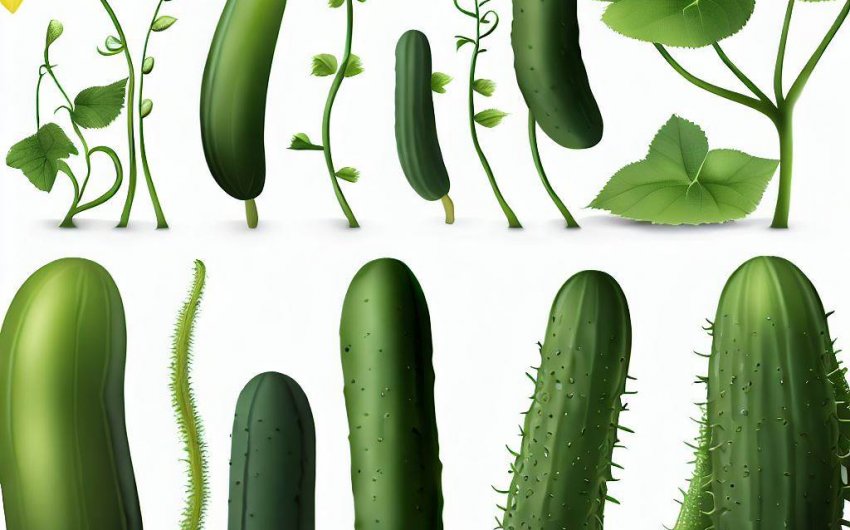
There are many different types of cucumber plants (Cucumis sativus), broadly categorized by their growth habit (vining or bush), fruit size and skin texture (slicing, pickling, or specialty), and specific cultivation needs (parthenocarpic or monoecious). This diversity allows gardeners to choose varieties best suited for their space and culinary intentions.
What defines the main categories of cucumber plants?
Cucumber plants, all belonging to the species Cucumis sativus, exhibit remarkable diversity. While they share common characteristics as warm-season fruiting vegetables, they are typically grouped into categories based on fundamental botanical and practical distinctions that impact how they are grown and used.
What are the primary growth habits of cucumber plants?
The most common way to categorize cucumber plants is by their growth habit:
- Vining cucumbers: These are the traditional type, producing long, vigorous vines that can spread 6-8 feet or more. They are highly productive and benefit greatly from trellising or caging to save space, improve air circulation, and keep fruits clean. Most heirloom and standard varieties are vining.
- Bush cucumbers: These are compact plants with shorter vines (usually 2-3 feet) that are ideal for small gardens, containers, or raised beds. They take up less space but may produce fewer fruits per plant than vining varieties.
How are cucumber plants classified by their fruit use?
Cucumber fruit characteristics also lead to key classifications based on their best use:
- Slicing cucumbers: These are typically larger, longer (6-12 inches), with thicker skin, often smooth or slightly bumpy. They are best eaten fresh in salads, sandwiches, or as raw snacks. Common examples include 'Burpee's Big Burpee' and 'Marketmore 76'.
- Pickling cucumbers: These varieties are generally smaller (3-6 inches), blockier, and have bumpier, thinner skins. They are specifically bred to be firm and crisp, holding up well to the pickling process. Examples include 'Kirby' and 'National Pickling'.
- Specialty/Novelty cucumbers: This broad category includes unique types like Armenian (snake) cucumbers, Lemon cucumbers, Asian long cucumbers, and tiny gherkins, offering unusual flavors, textures, or appearances.
What is the difference between Gynoecious, Monoecious, and Parthenocarpic cucumbers?
Understanding cucumber flower types is essential for successful pollination and fruit production. This botanical distinction impacts yield and growing strategy.
What are Monoecious cucumber plants?
Monoecious cucumber plants produce both male and female flowers on the same plant. Male flowers (which typically appear first and are more numerous) produce pollen, while female flowers have a small, undeveloped fruit (ovary) behind the petals. Pollination, usually by bees, is required for fruit set. Most traditional, open-pollinated cucumber varieties are monoecious.
What are Gynoecious cucumber plants?
Gynoecious cucumber plants primarily produce female flowers, leading to a potentially higher yield of fruit. To ensure pollination and fruit set, gynoecious varieties are usually sold with a small percentage of monoecious seeds mixed in, or gardeners must plant a separate monoecious pollinator variety nearby. They are often hybrids known for productivity.
What are Parthenocarpic cucumber plants?
Parthenocarpic cucumber plants produce fruit without the need for pollination. Their flowers are typically all female, and the fruit develops seedlessly (or with very tiny, undeveloped seeds). These varieties are excellent for greenhouse growing where pollinators are scarce, or for outdoor cultivation where gardeners want to avoid bitter fruit that can result from cross-pollination with certain pollen. Growing parthenocarpic cucumber seeds ensures seedless fruit.
What are the most popular slicing cucumber varieties?
Slicing cucumbers are the workhorses of the fresh-eating world, prized for their crisp texture, refreshing flavor, and larger size. They are perfect for salads, sandwiches, and raw snacks.
What are common American slicing cucumbers?
- 'Marketmore 76': A classic, reliable, open-pollinated variety known for producing straight, dark green, 8-9 inch fruits even in cooler conditions. Good disease resistance.
- 'Burpee's Big Burpee': A vigorous hybrid producing large, flavorful, 10-12 inch fruits. High yielding.
- 'Straight Eight': An heirloom favorite producing straight, smooth, 8-inch cucumbers.
- 'Diva': A parthenocarpic variety that produces tender, sweet, 6-8 inch seedless fruits, great for greenhouse or outdoor growing.
What are popular English (or Hothouse) slicing cucumbers?
English cucumbers are known for their long (10-14 inches), slender, virtually seedless fruits with thin, tender skin that doesn't need peeling. They are parthenocarpic and best grown on a trellis.
- 'Greenhouse': A general term, but many specific hybrids exist, all known for their crisp texture and mild flavor.
- 'Socrates': A popular parthenocarpic variety for greenhouses, producing dark green, ridged, seedless fruits.
- 'Armenian' (Snake Cucumber): While botanically a melon (Cucumis melo var. flexuosus) rather than a true cucumber, it's used like one. Produces incredibly long (up to 3 feet!), slender, ridged fruits with a mild, slightly sweet flavor. They are often eaten unpeeled.
What are the best cucumber varieties for pickling?
Pickling cucumbers are specifically bred to retain their crispness and firmness when brined. They are typically smaller, blockier, and have bumpier skins than slicing varieties.
What are common traditional pickling cucumbers?
- 'National Pickling': A time-tested heirloom variety, excellent for making dill pickles. Produces blocky, 5-6 inch fruits with spiny skin.
- 'Kirby': A popular choice known for its firm texture and excellent crunch when pickled. Varieties of 'Kirby' come in various sizes and generally have bumpy skin.
- 'Bush Pickle': A great option for small gardens or containers, this bush variety produces 3-5 inch fruits perfect for pickling.
- 'Calypso': A high-yielding hybrid with good disease resistance, producing uniform 4-5 inch fruits ideal for pickling.
What makes a good pickling cucumber?
- Firm flesh: Essential for maintaining crunch during the pickling process.
- Thin skin: Allows the pickling solution to penetrate easily.
- Small seed cavity: Less watery, resulting in a better texture.
- Uniform size: Desirable for consistent processing and jar packing.
What are some unique specialty cucumber varieties?
Beyond the common slicing and pickling types, a world of specialty cucumber varieties offers unusual shapes, colors, and flavors, adding excitement to your garden and culinary experiments.
What are interesting novelty cucumber types?
- 'Lemon' Cucumber: Produces round, yellow fruits about the size of a lemon, with a mild, slightly sweet flavor and tender skin. Great for fresh eating.
- 'White Wonder' Cucumber: An heirloom variety that produces creamy white, 6-8 inch fruits. Mild flavor and tender skin.
- 'Mexican Sour Gherkin' (Melothria scabra): Tiny, grape-sized fruits that look like miniature watermelons but taste like cucumbers with a tangy, citrusy twist. Excellent for snacking or pickling.
- 'Salt and Pepper' Cucumber: A bush variety that produces small, oval, pale yellow-white fruits perfect for pickling or fresh snacking.
- 'Crystal Apple' Cucumber: Round, pale green to yellowish fruits, resembling small apples. Crisp and sweet.
How do you successfully grow any type of cucumber plant?
Regardless of the specific variety, all cucumber plants share fundamental growing requirements. Providing these ideal conditions is crucial for a bountiful and healthy harvest.
What are the basic needs of cucumber plants?
- Full sun: Cucumbers need at least 6-8 hours of direct sunlight per day.
- Warm temperatures: They are warm-season crops. Plant after all danger of frost has passed and soil temperatures are consistently above 60°F (15°C), ideally 65-75°F (18-24°C).
- Rich, well-draining soil: Amend soil generously with compost or well-rotted manure. A slightly acidic to neutral pH (6.0-7.0) is ideal.
- Consistent moisture: Critical, especially during flowering and fruiting.
- Support (for vining types): Trellises or cages are highly recommended.
What are the steps for planting cucumbers?
- Prepare the site: Choose a sunny spot with rich, well-draining soil. Amend with organic compost.
- Sow seeds or transplant seedlings:
- Direct sow: Plant seeds 1 inch deep and 3-5 inches apart in rows or hills.
- Transplant: For a head start, you can start seeds indoors 3-4 weeks before the last frost, but transplant carefully to avoid root disturbance.
- Space correctly: Thin seedlings to 12-24 inches apart for vining types (more if trellising) or 2-3 feet apart for bush types.
- Provide support (vining): Install trellises or cages at planting time. A cucumber trellis kit is easy to set up.
How do you care for cucumber plants during the growing season?
Consistent care throughout the growing season ensures healthy plants, good pollination, and abundant, quality fruit.
What are the watering needs of cucumbers?
Cucumbers are about 95% water, so consistent and deep watering is essential, especially during flowering and fruiting.
- Frequency: Aim for 1-2 inches of water per week, either from rain or irrigation.
- Method: Water deeply at the base of the plant to keep foliage dry, which helps prevent fungal diseases. Drip irrigation or soaker hoses are ideal.
- Avoid extremes: Inconsistent watering can lead to bitter fruits or misshapen cucumbers. A soil moisture meter can help monitor.
Do cucumber plants need fertilizer?
Cucumbers are heavy feeders and benefit from regular fertilization.
- Initial feeding: Amend soil with compost at planting.
- During growth: Once vines begin to run or flowers appear, fertilize every 2-3 weeks with a balanced liquid fertilizer (e.g., 5-10-5 or 10-10-10) or a granular fertilizer. You can also use organic vegetable plant food.
- Avoid excessive nitrogen: Too much nitrogen can result in lush foliage but fewer fruits.
How do you manage pollination for cucumbers?
- Bees: For monoecious and gynoecious varieties, ensure a healthy bee population. Plant pollinator-attracting flowers nearby.
- Hand-pollination: If bees are scarce (e.g., in a greenhouse), you can hand-pollinate by transferring pollen from male to female flowers using a small paintbrush.
- Parthenocarpic varieties: No pollination is needed, making them ideal for adverse conditions.
How do you harvest different types of cucumbers?
Harvesting cucumbers at the right time is crucial for flavor, texture, and encouraging continued production. Picking frequently is key!
When should you harvest slicing cucumbers?
Harvest slicing cucumbers when they are 6-12 inches long, firm, and uniformly green. Check specific variety descriptions for ideal size. Do not let them get too large or they can become bitter and seedy.
When should you harvest pickling cucumbers?
Harvest pickling cucumbers when they are 3-6 inches long, firm, and crisp. Pick frequently to ensure small, tender fruits, which are best for pickling. Overgrown picklers lose their crispness.
When should you harvest specialty cucumbers?
- Lemon cucumbers: Harvest when they turn yellow, about the size of a tennis ball.
- Armenian cucumbers: Harvest when they are 12-18 inches long and still tender; they can get much longer but become tougher.
- Mexican Sour Gherkins: Harvest when they are grape-sized, firm, and striped.
How do you harvest cucumbers to promote more fruit?
Harvest frequently! Leaving mature or overripe cucumbers on the vine signals the plant to stop producing flowers and focus energy on seed production. Pick cucumbers every 1-2 days during peak season to encourage continuous fruiting. Use a sharp knife or garden snips to cut the stem just above the fruit, being careful not to damage the vine.
What are common problems when growing cucumbers?
Even with proper care, cucumbers can encounter various pests and diseases. Early identification and management are crucial.
What common pests attack cucumber plants?
- Cucumber beetles: Both striped and spotted cucumber beetles feed on leaves and flowers and can transmit bacterial wilt.
- Aphids: Cluster on new growth, sucking sap and transmitting viruses.
- Spider mites: Cause stippling on leaves and fine webbing, especially in hot, dry conditions.
- Squash bugs: Feed on leaves, causing yellow spots that turn brown.
- Vine borers: Larvae tunnel into stems, causing vines to wilt.
How do you treat cucumber pests?
- Hand-picking: For larger pests like cucumber beetles and squash bugs.
- Row covers: Use floating row covers to protect young plants from cucumber beetles and vine borers (remove during flowering for pollination if not parthenocarpic).
- Insecticidal soap/Neem oil: For aphids and spider mites.
- Crop rotation: Helps prevent overwintering pests.
What diseases commonly affect cucumber plants?
- Powdery mildew: White, powdery patches on leaves, especially in humid conditions or insufficient airflow.
- Downy mildew: Yellow spots on upper leaf surfaces, fuzzy purple/gray mold on undersides.
- Bacterial wilt: Causes sudden, irreversible wilting; often transmitted by cucumber beetles.
- Mosaic virus: Causes mottled, distorted leaves and stunted fruit.
- Scab: Sunken spots on fruits and leaves.
How do you prevent and treat cucumber diseases?
- Choose resistant varieties: Look for "DM" (downy mildew resistant) or "PM" (powdery mildew resistant) on seed packets.
- Good air circulation: Space plants properly, trellis vining types.
- Water correctly: Water at the base of the plant to keep foliage dry.
- Sanitation: Remove and destroy infected plant material.
- Fungicides: Apply appropriate organic fungicides if necessary, especially for powdery or downy mildew.
The wide array of different types of cucumber plants provides gardeners with endless choices to suit their needs, whether seeking long, crisp slicers, crunchy picklers, or intriguing specialty varieties. By understanding their growth habits, pollination types, and providing consistent care in terms of sun, rich soil, and moisture, any gardener can enjoy a bountiful harvest of these refreshing vegetables throughout the summer.