
The Beauty of Chrysanthemum Flowers in the Autumn Garden
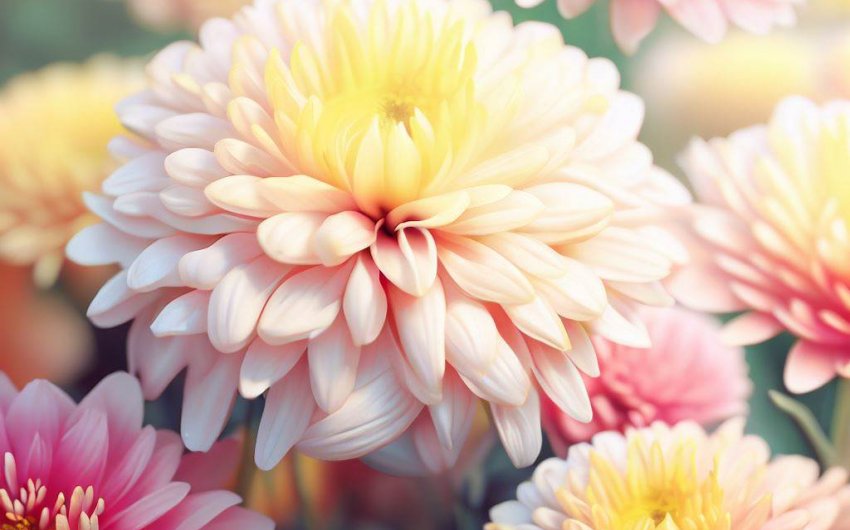
The beauty of Chrysanthemum flowers in the autumn garden lies in their unmatched ability to provide vibrant, late-season color, transforming fading landscapes with a rich tapestry of blooms as other plants wane. With an incredible diversity of forms, sizes, and a spectrum of hues, mums offer a spectacular display that truly defines the essence of fall gardening.
What makes Chrysanthemum flowers the quintessential autumn bloom?
Chrysanthemums, affectionately known as mums, are arguably the most iconic flower of autumn. As summer flowers fade and trees begin their colorful display, mums step in to fill the garden with an explosion of color, often lasting until the first hard freeze. Their sheer variety in flower form, size, and color ensures there's a mum for every aesthetic, solidifying their status as the star of the fall garden.
What are the main types and forms of Chrysanthemum flowers?
The diversity of Chrysanthemum flower forms is astounding, categorized into various types based on petal shape and arrangement:
- Incurved: Petals curve inward, creating a globe-like shape (e.g., 'Indianapolis').
- Reflexed: Petals curve downward and outward (e.g., 'Bronze Mums').
- Pompon: Small, globe-shaped, dense flowers (e.g., 'White Snow').
- Anemone: Flat, ray petals surrounding a raised central disk (e.g., 'Daybreak').
- Single/Daisy: Simple daisy-like flowers with a central disk and a single row of ray petals.
- Spoon: Tubular petals with spoon-shaped tips.
- Spider: Long, delicate, spider-like petals (e.g., 'Anastasia').
- Cushion: Low-growing, mounding plants densely covered with flowers, excellent for groundcover.
What colors do Chrysanthemum flowers come in?
Mums offer an unparalleled color palette that perfectly captures the essence of autumn:
- Reds: Deep burgundies, fiery crimsons, bright cherries.
- Oranges: Burnt oranges, soft apricots, vibrant tangerines.
- Yellows: Golden yellows, pale creams, bright lemons.
- Pinks: Soft pastels, vibrant fuchsias, rosy hues.
- Purples: Lavender, deep violet, rich plum.
- Whites: Crisp pure whites, creamy off-whites.
- Bicolors: Many varieties feature fascinating combinations of these colors.
How do Chrysanthemum flowers extend the garden's seasonal interest?
Chrysanthemum flowers are invaluable for extending the gardening season, providing a much-needed burst of color and life when most other flowering plants are winding down. They bridge the gap between late summer and early winter, keeping the garden vibrant.
Why are mums crucial for late-season color?
As perennials begin to fade and annuals succumb to cooler temperatures, the garden can start to look tired and barren. Chrysanthemums, however, are just hitting their stride. Their ability to bloom profusely from late summer through late fall, often surviving light frosts, ensures continuous vibrant color, transforming the landscape into a lively autumn spectacle. This makes them indispensable for maintaining visual interest in cooler months.
Do mums provide value beyond aesthetics in autumn?
Yes, beyond their visual beauty, Chrysanthemum flowers offer additional value in the autumn garden:
- Pollinator support: Their late-season blooms provide a vital food source (nectar and pollen) for late-flying bees, butterflies, and other beneficial insects that are preparing for winter.
- Cut flowers: Many varieties make excellent cut flowers, bringing the beauty and fragrance of autumn indoors.
- Garden structure: Their mounding or upright forms can add structure and mass to garden beds.
What are the ideal growing conditions for healthy Chrysanthemum flowers?
To ensure your Chrysanthemum flowers thrive and produce abundant blooms, understanding their preferred growing conditions is crucial. Providing them with the right environment sets them up for success.
How much sun do Chrysanthemum flowers need?
Chrysanthemums require full sun for optimal flowering and robust growth. This means at least 6 hours of direct sunlight per day. In shadier conditions, they will become leggy, produce fewer and smaller flowers, and be more susceptible to powdery mildew.
What kind of soil is best for Chrysanthemum flowers?
Chrysanthemum flowers prefer well-draining soil that is rich in organic matter. A neutral to slightly acidic pH (6.5-7.0) is ideal. Good drainage is critical to prevent root rot, especially during wet periods. Heavy clay soils should be amended with compost to improve drainage, while sandy soils will benefit from compost to improve moisture retention.
What climate zones are suitable for overwintering garden Chrysanthemums?
Hardy garden Chrysanthemums are typically suitable for overwintering in USDA Zones 4-9. In these zones, with proper planting and winter protection (like mulching), they can return year after year. In colder zones (3 or below), or for florist varieties, they are often treated as annuals or brought indoors for winter.
How do you plant Chrysanthemum flowers for optimal autumn display?
Proper planting techniques are essential to give your Chrysanthemum flowers a strong start, ensuring a spectacular display in the autumn garden and successful overwintering for hardy varieties.
When is the best time to plant Chrysanthemum flowers?
The best time to plant hardy garden Chrysanthemum flowers is in spring or early summer, after all danger of frost has passed. This allows the plants ample time (at least 6-8 weeks, preferably longer) to establish a strong, deep root system before they begin to flower in the fall and before the onset of freezing temperatures in winter.
What are the steps for planting Chrysanthemum flowers?
- Choose a sunny spot: Select a location with full sun and well-draining soil.
- Prepare the soil: Amend heavy clay or very sandy soils with plenty of organic compost to improve drainage and fertility.
- Dig the hole: Dig a planting hole that is slightly wider than the plant's root ball and just as deep.
- Prepare the plant: Gently remove the mum from its container. Loosen any circling or matted roots.
- Place the plant: Position the plant in the hole so that the top of the root ball is level with the surrounding soil.
- Backfill: Backfill with soil, gently tamping it down to remove air pockets.
- Water deeply: Water thoroughly immediately after planting to settle the soil.
- Space correctly: Space plants according to their mature size, usually 18-36 inches apart, to ensure good air circulation.
How much water and fertilizer do Chrysanthemum flowers need?
Consistent moisture and appropriate fertilization are key to keeping Chrysanthemum flowers healthy and blooming profusely.
How often should you water Chrysanthemum flowers?
- Newly planted mums: Keep the soil consistently moist but not waterlogged for the first few weeks after planting to help them establish.
- Established mums: Water regularly, especially during dry spells or hot weather. Aim for about 1 inch of water per week, ensuring the soil remains consistently moist. Avoid overhead watering, which can encourage powdery mildew; instead, water at the base of the plant. A soil moisture meter can help gauge soil dampness.
Do Chrysanthemum flowers need fertilizer?
Yes, Chrysanthemum flowers benefit from regular fertilization during their active growing season to support their vigorous growth and abundant flowering.
- Early season: In spring, once new growth emerges, apply a balanced, slow-release granular fertilizer.
- Mid-season: From spring through mid-summer, apply a liquid fertilizer with a higher phosphorus content (e.g., 5-10-5) every 2-4 weeks to promote flower bud development.
- Avoid late-season fertilization: Do not fertilize after mid-August, as this can stimulate tender new growth that will be damaged by fall frosts and reduce winter hardiness.
Always follow the instructions on your fertilizer product label.
How do you pinch Chrysanthemum flowers for bushier plants?
Pinching is a critical cultural practice for Chrysanthemum flowers that encourages a bushy, compact plant with a profusion of blooms. Without pinching, mums tend to grow tall and leggy with fewer flowers.
Why is pinching important for mums?
Pinching involves removing the growing tips of the stems. This action:
- Promotes branching: Causes the plant to send out side shoots, resulting in a denser, bushier plant.
- Increases flower count: More branches mean more flower buds, leading to a much more abundant display.
- Controls height: Keeps the plant from becoming too tall and leggy, preventing it from flopping over.
- Delays bloom time (slightly): Each pinch slightly delays flowering, allowing you to time blooms closer to autumn.
What are the steps for pinching Chrysanthemum flowers?
- Start early: Begin pinching when the plant is 6-8 inches tall in late spring (around May).
- Identify the growing tip: Pinch off the top 1 inch of each stem, just above a set of leaves.
- Repeat regularly: Continue pinching every 2-3 weeks, or after every 6 inches of new growth, until early to mid-July (depending on your climate and desired bloom time).
- Stop pinching: Stop pinching by mid-July (in northern climates) or late July/early August (in warmer southern climates). Pinching too late will remove developing flower buds and delay bloom excessively, potentially preventing flowering before frost.
Use clean garden snips or your fingernails for pinching.
How do you prune and deadhead Chrysanthemum flowers?
Beyond pinching, other pruning and deadheading practices help maintain the health and beauty of your Chrysanthemum flowers throughout the autumn season.
Should you deadhead Chrysanthemum flowers?
Yes, deadheading (removing spent flowers) is beneficial for Chrysanthemum flowers. While not strictly necessary for re-blooming on all varieties, it definitely improves the plant's appearance and can encourage new flower production for certain types.
How to deadhead Chrysanthemum flowers:
- Individual blooms: Pinch or snip off individual faded flower heads as they turn brown. This keeps the plant looking tidy.
- Entire stems: Once a cluster of blooms on a single stem has faded, cut the entire stem back to a healthy leaf or side branch.
- Overall appearance: Regular deadheading maintains a fresh, vibrant look, allowing the new blooms to shine.
What pruning is needed after flowering?
After the Chrysanthemum flowers have finished blooming and the first hard frost has killed off the top growth, you can cut the dead stems back to about 4-6 inches above the ground. This prepares the plant for winter and makes cleanup easier. Avoid cutting too close to the ground, as the remaining stems can offer a bit of insulation to the crown.
What challenges can arise when growing Chrysanthemum flowers?
Despite their hardiness and vibrant display, Chrysanthemum flowers can sometimes face issues, primarily related to fungal diseases and insect pests, especially if environmental conditions are not ideal.
What diseases commonly affect Chrysanthemum flowers?
- Powdery mildew: A white, powdery coating on leaves, especially in humid conditions, shady locations, or with poor air circulation.
- Leaf spot: Various fungi can cause spots on leaves, leading to yellowing and premature leaf drop.
- Root rot: Caused by overly wet, poorly draining soil.
How do you prevent and treat mum diseases?
- Choose resistant varieties: Many modern cultivars are bred for disease resistance.
- Full sun and good air circulation: Plant in full sun, space plants correctly, and avoid overcrowding.
- Watering practices: Water at the base of the plant to keep foliage dry. Avoid overhead watering.
- Sanitation: Rake up and discard fallen infected leaves and debris.
- Fungicides: For severe or persistent fungal issues, apply a suitable fungicide for flowering plants as per product instructions.
What pests might attack Chrysanthemum flowers?
- Aphids: Small, soft-bodied insects that cluster on new growth and flower buds, sucking sap.
- Spider mites: Tiny pests that cause stippling on leaves and fine webbing, especially in hot, dry conditions.
- Leaf miners: Larvae that tunnel within leaves, creating serpentine trails.
- Slugs and snails: Can feed on tender leaves, especially on young plants.
How do you treat pests on Chrysanthemum flowers?
- Strong water spray: For aphids and spider mites, a strong jet of water can dislodge them.
- Insecticidal soap/Neem oil: Apply natural insecticidal soap or neem oil thoroughly to affected plants.
- Hand-picking: For slugs, snails, or larger insects.
- Good cultural practices: Healthy plants are more resistant to pests.
The beauty of Chrysanthemum flowers is truly unmatched in the autumn garden, offering an indispensable burst of color and cheer as seasons change. By understanding their needs for full sun, well-draining soil, consistent watering, and crucial pinching and pruning techniques, you can ensure a spectacular display that welcomes the fall season with vibrant, long-lasting blooms.