
How to Grow Juniper Berries in the Home Garden?
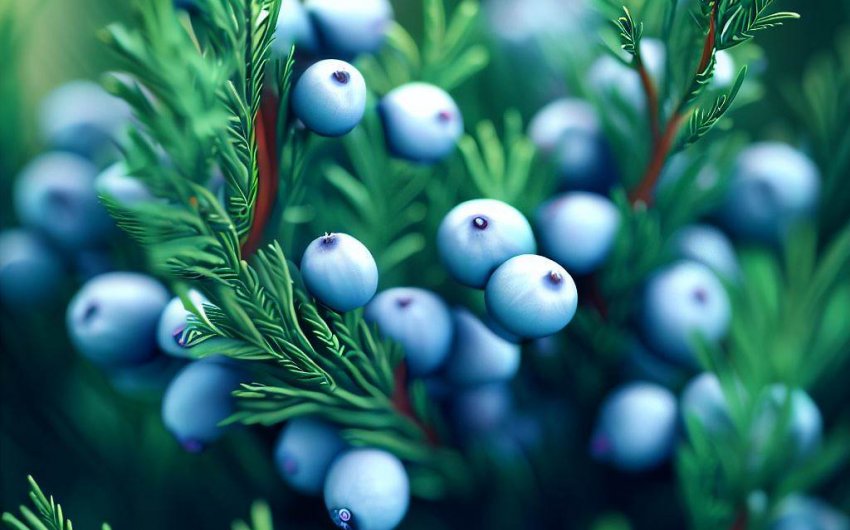
To grow juniper berries in the home garden, you need to select the correct species of juniper (Juniperus communis), ensure you plant both male and female plants for berry production, and provide them with full sun and well-draining, relatively lean soil. Juniper berries are actually cones that take a couple of years to mature on the plant, so patience is key.
What are juniper berries, and where do they come from?
Juniper berries are not true berries in the botanical sense but are actually modified seed cones produced by female juniper plants (Juniperus species). They typically have a fleshy, round, berry-like appearance and mature over 1-3 years, eventually turning a distinctive deep blue to black color. These aromatic cones are most famously known as the key flavoring agent in gin and are also used in various culinary applications and traditional medicine.
What species of juniper produce edible berries?
While all junipers produce cones, not all are palatable or safe for consumption. The primary species known for its edible and culinary-grade berries is Common Juniper (Juniperus communis). Other species, such as Juniperus virginiana (Eastern Red Cedar), produce cones that are generally not considered edible or can have an unpleasant, resinous taste. It is crucial to correctly identify your juniper species before attempting to consume its berries.
What do juniper berries taste like?
Juniper berries have a distinctive, complex flavor profile that is piney, resinous, and slightly peppery, with hints of citrus and a bittersweet undertone. This unique taste is what gives gin its signature botanical character. The flavor can vary slightly depending on the specific juniper cultivar and growing conditions.
What are the ideal growing conditions for Juniperus communis?
To successfully grow Common Juniper (Juniperus communis) for its berries, understanding its preferred growing conditions is crucial. These hardy conifers are surprisingly adaptable but thrive when their basic needs are met.
How much sun does common juniper need?
Common Juniper requires full sun for optimal health and berry production. This means at least 6-8 hours of direct sunlight per day. In shadier conditions, the plant will become sparse, leggy, and produce fewer, smaller cones.
What kind of soil is best for common juniper?
Junipers are remarkably adaptable to various soil types, but the most important factor is excellent drainage. They thrive in:
- Sandy or rocky soils: Their natural habitat often includes poor, gritty soils.
- Lean soils: They do not require highly fertile soil.
- Acidic to slightly alkaline pH: Tolerant of a wide pH range (6.0-8.0), but slightly acidic to neutral is often preferred.
Avoid heavy clay soils that retain too much moisture, as this can lead to root rot. If you have clay soil, amend it generously with sand, gravel, and organic matter to improve drainage.
What climate zones are suitable for common juniper?
Common Juniper (Juniperus communis) is one of the most widely distributed conifers in the world, renowned for its hardiness. It is typically hardy in USDA Zones 2-6, making it suitable for very cold climates. Some varieties may extend into Zone 7 or even 8 with proper care.
How do you select and plant juniper trees for berry production?
Selecting the right plants and using proper planting techniques are crucial steps for successfully growing juniper berries in your home garden. The most important consideration is ensuring you have both male and female plants.
Why do you need both male and female juniper plants?
Junipers are dioecious, meaning individual plants are either male or female. Only female juniper plants produce berries (cones). Male plants produce pollen, which is necessary to fertilize the female cones. Therefore, to get juniper berries, you must plant at least one female plant and at least one male plant in proximity (within 50-100 feet for good pollination).
What should you look for when purchasing juniper plants?
- Species identification: Confirm you are purchasing Juniperus communis or a named cultivar known for berry production.
- Sex of the plant: Ask the nursery if they can identify male and female plants. Often, only mature plants will show their sex. Purchasing several young plants and allowing them to mature is one strategy.
- Healthy appearance: Choose plants with vibrant green foliage, no signs of pest damage or disease, and a well-formed root ball.
What are the steps for planting juniper trees?
- Choose the right location: Select a sunny spot with well-draining soil, considering the mature size and spread of your chosen juniper cultivar.
- Dig the hole: Dig a planting hole that is two to three times wider than the root ball and just as deep.
- Prepare the tree: Gently remove the juniper from its container. Inspect the root ball; if roots are circling tightly, gently tease them apart.
- Place the tree: Position the tree in the center of the hole so that the root flare (where the trunk widens at the base) is level with or slightly above the surrounding soil surface.
- Backfill: Backfill the hole with the excavated soil, gently tamping it down to remove large air pockets. Do not heavily amend the backfill soil with rich compost unless your native soil is extremely poor; junipers prefer leaner conditions.
- Water deeply: Water thoroughly immediately after planting to settle the soil around the roots.
- Mulch (optional): Apply a 1-2 inch layer of gravel or very coarse bark mulch around the base of the tree, keeping it a few inches away from the trunk. Avoid deep, moisture-retentive mulches.
- Staking (optional): Junipers generally do not require staking unless in a very windy area.
How much water does a common juniper need?
While newly planted junipers need consistent moisture to establish, established Common Junipers are highly drought-tolerant and prefer to be on the drier side. Overwatering is a common mistake that can lead to problems.
How often should you water a newly planted juniper?
Newly planted junipers need regular watering for their first year to establish a strong root system. Water deeply 1-2 times a week, ensuring the soil remains moist but not waterlogged. The goal is to encourage deep root growth.
How much water do established junipers need?
Once established (after the first year), Common Junipers are very drought-tolerant and rarely require supplemental watering, especially in regions with natural rainfall. Only water during prolonged periods of extreme drought. Allow the soil to dry out completely between waterings. A soil moisture meter can help confirm the soil is dry before watering.
Does a common juniper need fertilizer?
Junipers are adapted to lean soils and generally do not require regular fertilization. They are light feeders, and too much fertilizer can actually harm them, leading to excessive, weak growth or needle burn.
When should you fertilize a juniper?
- Established plants: If your soil is extremely poor or you notice significantly stunted growth or pale foliage, you can apply a very light application of a slow-release, balanced evergreen fertilizer in early spring, once every 2-3 years.
- New plantings: Avoid fertilizing newly planted junipers for their first year.
Always base fertilization decisions on a soil test to avoid over-fertilizing. Follow the instructions on the fertilizer product label for proper application rates.
How do you prune Common Juniper trees?
Pruning Common Juniper is primarily done for shaping, maintaining size, and removing dead or damaged wood. They generally require minimal pruning.
When is the best time to prune junipers?
The best time for light shaping and maintenance pruning is in late winter or early spring before new growth begins, or in mid-summer. Avoid heavy pruning in late summer or fall, as this can stimulate new growth that may be damaged by winter frosts.
What are key pruning techniques for junipers?
- Remove dead, diseased, or damaged branches: This can be done at any time of year.
- Shape: For ornamental purposes, prune lightly to maintain the desired size and shape.
- Avoid cutting into old wood: Junipers generally do not regrow from old, leafless wood. Avoid cutting back into these areas, as it can leave bare spots that won't fill in. Focus on light tip pruning.
- Thinning (if needed): For very dense plants, selectively thin out some interior branches to improve air circulation, which can help prevent fungal issues.
Always use clean, sharp pruning shears or loppers for clean cuts.
How do you harvest and use juniper berries?
Harvesting juniper berries requires patience, as the cones take two seasons to mature. Understanding the timing and proper preparation is key to enjoying your homegrown bounty.
When are juniper berries ready for harvest?
Juniper berries take two seasons to mature. They start as small, green cones in their first year and gradually ripen to a deep blue-black color in their second year. Harvest when the berries are fully ripe and deep blue to black, typically in fall (late summer to early winter). Unripe green berries have a harsher taste.
How do you harvest juniper berries?
- Identify ripe berries: Look for the deep blue/black color.
- Harvest gently: Spread a tarp or sheet under the juniper plant. Gently shake the branches to dislodge ripe berries. You can also pick them by hand. Be cautious of the sharp, needle-like foliage.
- Separate and clean: Pick through the harvested berries to remove any green berries, needles, or debris.
- Dry: Spread the ripe berries in a single layer on a screen or drying rack in a warm, dry, well-ventilated area away from direct sunlight. This can take several weeks until they are fully dry and firm. Store them in an airtight container once dry.
How are juniper berries used?
- Culinary: Most famously used to flavor gin. Also used in marinades, rubs, and sauces for game meats (venison, wild boar), pork, and sauerkraut. They add a distinctive, pungent flavor.
- Traditional medicine: Historically used for their diuretic and antiseptic properties, though modern medicinal use requires caution.
What are common problems when growing junipers?
While junipers are generally tough and resilient, they can face a few problems, primarily related to overwatering, poor drainage, or specific diseases.
Why are my juniper needles turning brown?
Browning needles on a juniper can indicate several issues:
- Overwatering/Poor drainage: The most common cause. Roots suffocate and rot in soggy soil.
- Underwatering/Drought stress: Prolonged severe drought can also cause browning.
- Winter burn: Desiccating winds and sun in winter can cause browning, especially on younger plants or those in exposed locations.
- Pests: Spider mites can cause bronzing or browning.
- Disease: Fungal diseases like Phomopsis blight can cause tip dieback and browning.
What pests might attack common junipers?
- Spider mites: Tiny pests that cause stippling and bronzing of needles, often with fine webbing. Thrive in hot, dry conditions.
- Juniper scale: Small, immobile, armored insects that feed on sap.
- Juniper tip blight (Phomopsis blight): A fungal disease that causes the tips of new growth to turn brown and die back.
How do you treat juniper pests and diseases?
- Improve cultural practices: Ensure proper watering, drainage, and air circulation. This is the best defense.
- Pruning: Remove and destroy any diseased or heavily infested branches using clean, sharp pruning shears.
- Horticultural oil/Insecticidal soap: For spider mites, aphids, or scale, apply a suitable horticultural oil or insecticidal soap, following product instructions.
- Fungicides: For fungal blights, specific fungicides for conifers may be used, but prevention is always better.
Growing juniper berries in your home garden is a long-term, rewarding project that requires careful species selection, proper planting of both male and female plants, and adherence to their preferences for full sun and well-draining, lean soil. With patience and minimal care, these hardy conifers will eventually provide you with your own unique, aromatic berries for culinary and other uses.