
How to Create a Gothic Garden in Your Home?
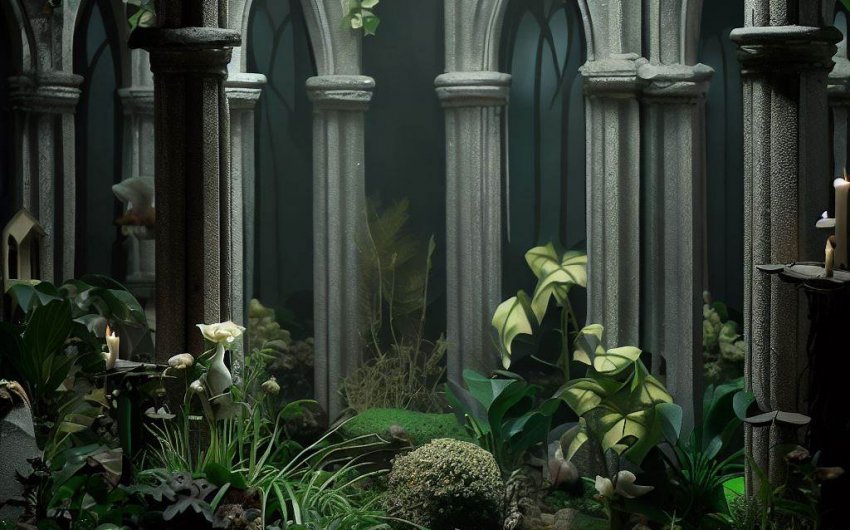
To create a gothic garden in your home, focus on incorporating dark, moody color palettes, dramatic architectural elements, plants with unusual textures or deep hues, and evocative statuary. The goal is to evoke a sense of mystery, romantic melancholy, and timeless elegance, blending historical garden aesthetics with a touch of the macabre.
What defines a Gothic garden's aesthetic?
A Gothic garden is far more than just a collection of black plants; it's a carefully curated outdoor space designed to evoke a specific atmosphere. Drawing inspiration from Gothic architecture, literature, and art, its aesthetic emphasizes drama, mystery, romanticism, and a subtle sense of the melancholic or macabre. It often features intricate details, shadowy corners, and a powerful connection to history and nature's wilder side.
What are the core principles of Gothic garden design?
- Color palette: Dominated by deep, dark colors – purples, reds, blacks, and dark greens – with touches of muted silver or white for contrast.
- Architectural elements: Incorporates structures and ornaments reminiscent of ruined castles, ancient churches, or historical estates.
- Sense of enclosure and mystery: Pathways that lead to hidden nooks, tall hedges, or dense plantings that create secluded spaces.
- Emphasis on texture: Plants with unique forms, jagged leaves, thorny stems, or velvety textures.
- Evocative atmosphere: A feeling of timelessness, contemplation, and romantic decay.
What kind of plants are essential for a Gothic garden?
Plant selection is paramount in creating the desired atmosphere of a Gothic garden. Focus on species that contribute to the dark color palette, offer dramatic forms, or possess unique, almost otherworldly textures.
What plants offer dark and moody foliage?
- Deep purple/black foliage:
- Heuchera (Coral Bells): Many varieties like 'Obsidian', 'Blackout', or 'Plum Pudding' offer dark purple to nearly black foliage.
- Coleus: Varieties such as 'Black Dragon', 'Black Prince', or 'Dark Chocolate' provide rich, dark leaves.
- Ophiopogon planiscapus 'Nigrescens' (Black Mondo Grass): Provides a striking, almost black, grass-like texture.
- Cannas: Some varieties have deep burgundy to black leaves, adding a tropical gothic touch.
- Elderberry (Sambucus nigra 'Black Lace' or 'Black Beauty'): Offers finely cut, dark purple foliage and sometimes dark berries.
- Dark green, glossy foliage: Provides depth and contrast.
- Hellebore (Lenten Rose): Dark, leathery evergreen leaves.
- Holly (Ilex species): Classic dark green with a glossy sheen, and many have thorns.
- Boxwood: For formal, dark green hedges.
What flowers create a Gothic feel?
- Deep red/black flowers:
- Roses: Dark red or black-purple varieties like 'Black Baccara', 'Black Prince', or 'Midnight Blue'.
- Hellebores: Varieties with deep maroon, nearly black, or smoky purple blooms.
- Dahlia: 'Black Monarch', 'Black Cat', or other deep burgundy/black varieties.
- Hollyhock (Alcea rosea 'Nigra'): Tall spikes of nearly black flowers.
- Viola/Pansy: Dark purple, black, or deep burgundy varieties for seasonal color.
- Bat Flower (Tacca chantrieri): A truly exotic and dramatic black flower.
- White flowers for stark contrast:
- White Roses: (e.g., 'Iceberg') for classic purity.
- White Lilies: For dramatic height and elegance.
- *Ghost Ferns (Athyrium 'Ghost'):* Silvery-green fronds for ethereal contrast.
What plants offer dramatic texture and form?
- Thorns and spiky forms:
- Roses: Many varieties for their thorns as much as their blooms.
- Barberry (Berberis thunbergii 'Crimson Pygmy' or 'Bagatelle'): Dark foliage and thorny branches.
- Artichoke Thistle (Cynara cardunculus): Bold, silvery, spiky foliage.
- Weeping or trailing forms:
- Weeping Willow: Classic melancholy tree, though perhaps too large for some home gardens.
- Bleeding Heart (Dicentra spectabilis 'Alba' or 'Valentine'): Unique heart-shaped flowers.
- Architectural shapes:
- Yew (Taxus): Can be formally clipped into dark, imposing shapes.
- Columnar evergreen trees: For vertical accents, like Irish Yew.
What hardscaping and architectural elements define a Gothic garden?
Hardscaping and structural elements are crucial for anchoring the Gothic aesthetic, providing a sense of history, enclosure, and drama. Think about forms and materials that evoke ancient ruins or forgotten estates.
What hardscaping materials fit the Gothic style?
- Natural stone: Dark flagstone, slate, or rough-hewn stone for pathways, patios, or low walls. Irregular shapes and moss-covered stones enhance the ancient feel.
- Gravel: Dark gray or black gravel for pathways can create a crisp, contrasting surface while maintaining a natural look.
- Wrought iron: Fences, gates, arbors, trellises, and garden furniture in black wrought iron are iconic Gothic elements, adding intricate detail and strength. Look for wrought iron garden gates.
- Aged brick: For walls or pathways, brick with a weathered, worn appearance.
What architectural features create a Gothic atmosphere?
- Arbors and pergolas: Covered with dark-leaved or thorny vines, they create shady, mysterious passages. Wrought iron or dark-stained wood works best.
- Gothic arches: Integrated into trellises, gates, or garden structures.
- Ruins: Even a small, faux stone ruin or a crumbling wall section can add a powerful sense of history and romantic decay.
- Obelisks or columns: Provide vertical interest and a classical touch, hinting at ancient civilizations.
- Fountains or birdbaths: Made of dark stone or aged concrete, perhaps with moss growing on them, for sound and reflection.
What kind of statuary and ornamentation enhance a Gothic garden?
Statuary and ornamentation are vital finishing touches that add personality, symbolism, and a sense of narrative to your Gothic garden. Choose pieces that are evocative, contemplative, or subtly eerie.
What types of statues are appropriate for a Gothic garden?
- Gargoyles and grotesques: Iconic symbols from Gothic architecture, adding a whimsical yet slightly sinister touch.
- Angels and cherubs: Often depicted in sorrowful or contemplative poses, sometimes with a weathered, aged finish.
- Classical figures: Roman or Greek busts or full figures, again, with a weathered or moss-covered appearance, suggesting antiquity.
- Mythological creatures: Gryphons, dragons, or other fantastical beasts, adding a touch of fantasy.
- Skulls or symbolic objects: Subtly placed skulls, raven figures, or other memento mori can add a macabre touch without being overly theatrical.
What other ornamentation works well?
- Lanterns and candelabras: Wrought iron or antique-style lanterns for moody lighting.
- Antique garden tools: Displayed as decorative elements.
- Weathered pots and planters: Terracotta or stone planters with aged patinas, or dark glazed ceramics.
- Moss and lichen: Encourage natural growth on stone, concrete, and unpainted wood to enhance the aged, forgotten feel.
- Benches or seating: Made of wrought iron, dark wood, or stone, for contemplative moments. A gothic garden bench can be a focal point.
How do you create atmosphere and mood in a Gothic garden?
Beyond the individual elements, it's the overall atmosphere and mood that truly defines a Gothic garden. This involves considering how light, shadow, sound, and hidden spaces contribute to the experience.
How do light and shadow play a role?
- Strategic planting: Use tall plants, pergolas, or arches to create dappled shade and shadowed corners, especially important in brighter climates.
- Evening lighting: Use subtle, low-level lighting to create mystery. Avoid harsh floodlights.
- Path lighting: Small, ground-level lights to guide footsteps without over-illuminating.
- Uplighting: To highlight dramatic plant forms or architectural features from below.
- Lanterns: Place solar-powered gothic lanterns strategically.
- Moonlight effect: Consider light sources that mimic the soft glow of moonlight.
How do you incorporate sound and scent?
- Water features: A trickling fountain or a quiet pond can provide soothing sounds and reflective surfaces, adding to the contemplative mood.
- Wind chimes (subtle): Choose chimes with deep, resonant tones rather than high-pitched tinkling, or those made from metal.
- Fragrant plants: Include plants with strong, evocative scents, especially those that release fragrance in the evening. Dark-colored roses, jasmine, or night-blooming cereus can be very effective.
How do you create a sense of enclosure and mystery?
- Hidden pathways: Design paths that wind and turn, disappearing behind dense plantings or structures, inviting exploration.
- Secret nooks: Create small, secluded seating areas or contemplative spaces, perhaps with a statue or a quiet bench.
- Tall hedges or fences: Provide a sense of seclusion and separation from the outside world.
- Layered planting: Use plants of varying heights and densities to create depth and mystery, obscuring views and revealing new elements as you move through the garden.
Can a Gothic garden work in a small space or indoors?
Yes, the principles of a Gothic garden can absolutely be scaled down to suit smaller outdoor spaces, balconies, or even incorporated into indoor plant displays, proving its versatility.
How to create a Gothic balcony or patio garden:
- Container plants: Focus on dark-leaved Heucheras, black Mondo Grass, dark roses in pots, and deep purple violas.
- Vertical elements: Use wrought iron trellises for climbing dark-leaved plants like 'Blackie' sweet potato vine or dark-leaved morning glories.
- Miniature statuary: Small gargoyles, weathered busts, or raven figurines.
- Mood lighting: String lights with a warm, low glow, or LED candles in antique lanterns.
- Dark pots: Use black, dark gray, or aged terracotta pots.
How to create an indoor Gothic plant display:
- Dark-foliaged houseplants: Look for plants like Fittonia 'Red Vein' or 'Pink Vein', dark-leaved Calatheas, or a 'Raven' ZZ plant for their moody hues.
- Terrariums: Create a mini gothic landscape with dark mosses, small ferns, and tiny architectural elements like miniature ruins.
- Display pieces: Use dark, ornate planters, wrought iron plant stands, antique-style cages, or display plants on a dark wooden shelf.
- Subtle lighting: Pin spotlights or use small, battery-operated lights to create dramatic shadows.
- Aged accessories: Incorporate small skulls, raven figurines, or antique trinkets.
Creating a gothic garden in your home is about crafting an evocative atmosphere rather than merely collecting dark plants. By carefully selecting plants with moody colors and dramatic textures, incorporating architectural elements and evocative statuary, and thoughtfully designing for light, shadow, and enclosure, you can transform your outdoor or indoor space into a unique realm of romantic mystery and timeless beauty.