
The Hidden Meanings Behind Heart-Shaped Plants
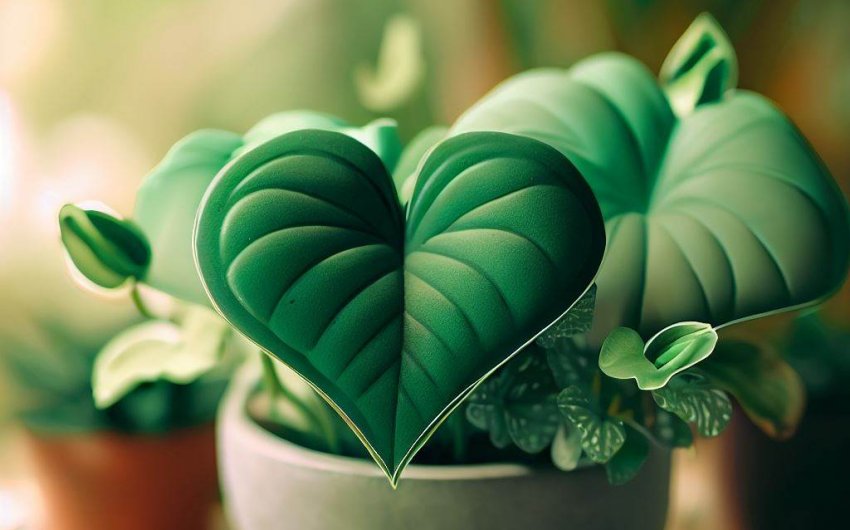
The hidden meanings behind heart-shaped plants are deeply rooted in their universal symbolism of love, affection, compassion, and emotional connection. Their naturally cordate (heart-like) foliage evokes feelings of warmth, romance, and devotion, making them popular choices as gifts and decorative elements that subtly communicate heartfelt sentiments.
What is the universal appeal of heart-shaped leaves?
The universal appeal of heart-shaped leaves transcends cultures and languages. The heart symbol itself is a powerful emblem of love, passion, and vitality, recognized across the globe. When this familiar, comforting shape appears in nature, particularly in the foliage of a plant, it creates an immediate sense of warmth, beauty, and often, a touch of romantic symbolism. This natural artistry makes heart-shaped plants inherently attractive and meaningful to many.
Why does the heart shape resonate so deeply with humans?
The heart shape has been a symbol of love and affection for centuries, its origins debated but its meaning universally understood. It's often associated with:
- Love and romance: The most obvious connection, representing deep affection and romantic feelings.
- Compassion and empathy: A symbol of caring, kindness, and human connection.
- Life and vitality: Historically, the heart was believed to be the center of life and emotion.
- Protection: In some cultures, a heart shape can be a protective talisman.
When plants naturally echo this powerful symbol, they become vessels for these profound human emotions, making them more than just green foliage.
What are some popular heart-shaped houseplants and their meanings?
Houseplants with heart-shaped leaves bring a touch of natural beauty and symbolism indoors. Many are easy to care for, adding to their appeal as meaningful gifts or personal décor.
What meanings does the Heartleaf Philodendron convey?
The Heartleaf Philodendron (Philodendron hederaceum) is perhaps the most iconic heart-shaped houseplant. Its glossy, deep green, heart-shaped leaves trailing from shelves or hanging baskets are a classic.
- Meaning: It symbolizes enduring love, deep friendship, and comfort. Its trailing vines can represent the growth and intertwining of relationships. It's a popular gift to show lasting affection.
What is the symbolism of the Hoya Kerrii (Sweetheart Hoya)?
The Hoya Kerrii, especially when sold as a single, heart-shaped leaf rooted in a small pot, is famously known as the Sweetheart Hoya or Valentine Hoya.
- Meaning: This plant is a direct and unambiguous symbol of romantic love, deep affection, and devotion. It's a popular gift for Valentine's Day and anniversaries, directly communicating "my heart is yours." A Hoya Kerrii plant is an excellent symbol of love.
What about other heart-shaped Philodendrons?
Many other Philodendron species feature heart-shaped leaves, each with slight variations in color, size, and texture.
- Philodendron Brasil: A variegated form with splashes of lime green or yellow on heart-shaped leaves.
- Philodendron Micans: Velvety, dark green to bronze-purple heart-shaped leaves.
- Meaning: Like the Heartleaf Philodendron, these generally convey friendship, love, and comfort, often adding an extra layer of meaning through their unique colors or textures, such as the richness of unconditional love (Micans) or the brightness of shared joy (Brasil).
What hidden meanings does the Anthurium plant hold?
While not always perfectly heart-shaped, the vibrant, waxy, heart-like bracts (modified leaves) of the Anthurium flower are unmistakable.
- Meaning: Anthuriums symbolize hospitality, abundance, and long-lasting love. Their striking appearance can also represent exotic beauty and passion. The bright, often red, spathe clearly evokes the heart's color of love.
What outdoor plants have heart-shaped leaves and what do they mean?
Heart-shaped leaves are not exclusive to houseplants. Many outdoor plants, from shade lovers to sun worshippers, also display this charming foliage, adding natural symbolism to gardens and landscapes.
What is the symbolism of Bleeding Heart plants?
The Bleeding Heart (Dicentra spectabilis) is perhaps the most evocative heart-shaped plant for the garden, known for its arching stems of delicate, heart-shaped flowers with a "drop" at the bottom.
- Meaning: It powerfully symbolizes unrequited love, lost love, or a broken heart, reflecting its delicate appearance. Yet, it can also represent enduring love and deep compassion in the face of sorrow. Its beauty in early spring brings comfort.
What meanings do Hostas carry with their heart-shaped leaves?
Many varieties of Hostas, particularly the larger-leaved types, feature broad, textured heart-shaped leaves, ranging from deep green to blue-green to variegated.
- Meaning: Hostas generally symbolize devotion, friendship, and quiet strength. Their lush foliage can represent the steadfastness of a long-term relationship or the comforting presence of a true friend.
What is the meaning behind European Ginger?
European Ginger (Asarum europaeum) is a low-growing groundcover with glossy, dark green, perfectly heart-shaped leaves.
- Meaning: It symbolizes steadfastness, hidden strength, and enduring commitment. Its ability to thrive in shaded, often overlooked areas, and its year-round evergreen foliage, suggests a quiet, unwavering love or dedication.
What about other outdoor heart-shaped foliage?
- Redbud trees (Cercis canadensis): Their beautiful heart-shaped leaves appear after their vibrant spring blooms. Symbolize love, new beginnings, and often heartfelt promises.
- Sweet Potato Vine (Ipomoea batatas): Many ornamental varieties have broad, heart-shaped leaves in shades of green, purple, or black. Symbolize joy, abundance, and vigorous growth of affection.
- Lilacs (Syringa vulgaris): While their main appeal is fragrant flowers, their leaves are distinctly heart-shaped. Symbolize love and innocence (especially white lilacs) or first love (purple lilacs).
How does the heart shape in plants influence gift-giving?
The inherent symbolism of heart-shaped plants makes them exceptionally popular choices for gift-giving, particularly when a heartfelt message needs to be conveyed. They offer a living, growing embodiment of affection and emotion.
Why are heart-shaped plants perfect for expressing love and affection?
Heart-shaped plants are perfect for expressing love and affection because their form is universally understood to represent these emotions. Giving a plant with heart-shaped leaves is a subtle yet powerful way to communicate:
- Enduring sentiment: Unlike cut flowers, a living plant symbolizes a love or friendship that continues to grow and flourish.
- Thoughtfulness: It shows you've chosen something special and meaningful.
- Personal connection: It can be a constant reminder of the giver and the sentiment shared.
What occasions are ideal for giving heart-shaped plants?
- Valentine's Day: The Hoya Kerrii is a classic for this day.
- Anniversaries: Symbolizing enduring love and growth.
- Birthdays: A thoughtful gift for a loved one or friend.
- Housewarmings: Bringing warmth and affection into a new home.
- "Just because" gifts: To show appreciation, support, or friendship.
- Condolence gifts: Bleeding Hearts or Hostas can offer comfort and symbolize enduring memory.
What is the cultural significance of heart shapes in plants?
The cultural significance of heart shapes in plants extends beyond modern gift-giving, touching on ancient symbolism and folklore. Across various traditions, these naturally occurring shapes have held meaning, often intertwining with love, fertility, and spiritual connections.
How have heart-shaped plants appeared in ancient symbolism?
In many ancient cultures, plants with heart-shaped leaves or fruits were often associated with:
- Fertility and life: The heart being the seat of life.
- Divine connections: Often linked to deities of love or nature.
- Healing: Some plants with heart-shaped parts were used in traditional medicine, believed to impart vitality.
For example, the sacred fig tree (Ficus religiosa), often associated with Buddha, has prominent heart-shaped leaves, linking the shape to spiritual enlightenment and wisdom.
Do heart-shaped plants appear in folklore or mythology?
Elements of folklore and mythology sometimes attach to plants with heart shapes, enhancing their mystique. While specific legends for every heart-shaped plant are rare, the general association often persists:
- Love potions: Historically, plants perceived as symbolic of love were sometimes ingredients in traditional love potions or charms.
- Romantic tales: Some plants might feature in local tales where their heart shape represents a tragic or enduring love story.
- Protective charms: The shape itself could be considered protective, guarding against ill will.
How does the heart shape influence plant names?
The natural heart shape has directly influenced the common and even scientific names of many plants, further cementing their symbolic connection.
- Cordate: This botanical term specifically means "heart-shaped" (from the Latin cor for heart) and is used to describe many leaves.
- Heartleaf: Many plants, like the Heartleaf Philodendron, prominently feature "heartleaf" in their common names.
- Sweetheart: The Hoya Kerrii's popular nickname.
How do you care for popular heart-shaped plants?
While the symbolism is charming, keeping heart-shaped plants healthy requires understanding their specific care needs. General tips apply, but each plant has its nuances.
General care tips for common heart-shaped houseplants:
- Light: Most prefer bright, indirect light. Direct sun can scorch, and too little light can reduce vigor or variegation.
- Watering: Allow the top inch or two of soil to dry out between waterings. Overwatering is a common killer. Use a soil moisture meter for accuracy.
- Humidity: Many tropical varieties (Philodendrons, Hoya) appreciate higher humidity. Misting or using a room humidifier can help.
- Potting mix: Use a well-draining aroid mix for Philodendrons, and a standard succulent mix for Hoya Kerrii.
- Fertilizing: Fertilize sparingly during the growing season with a diluted balanced liquid fertilizer.
General care tips for common heart-shaped garden plants:
- Light: Varies by plant. Hostas prefer shade/partial shade; Redbuds prefer sun/partial shade; Bleeding Hearts prefer shade/partial shade.
- Soil: Most prefer well-draining soil rich in organic matter.
- Watering: Water consistently, especially during establishment and dry spells.
- Mulching: A layer of organic mulch helps retain moisture and regulate soil temperature.
- Pruning: Prune as needed for shape and to remove spent blooms (e.g., deadhead Bleeding Hearts).
The hidden meanings behind heart-shaped plants run deep, from universal symbols of love and affection to cultural narratives of compassion and endurance. Whether you choose a classic Heartleaf Philodendron for your indoor space, a dramatic Bleeding Heart for your garden, or a charming Hoya Kerrii as a heartfelt gift, these naturally beautiful forms offer a profound way to connect with and express the language of emotion through the living world.