
Philodendron Brandtianum Care and Growing Silver Leaf
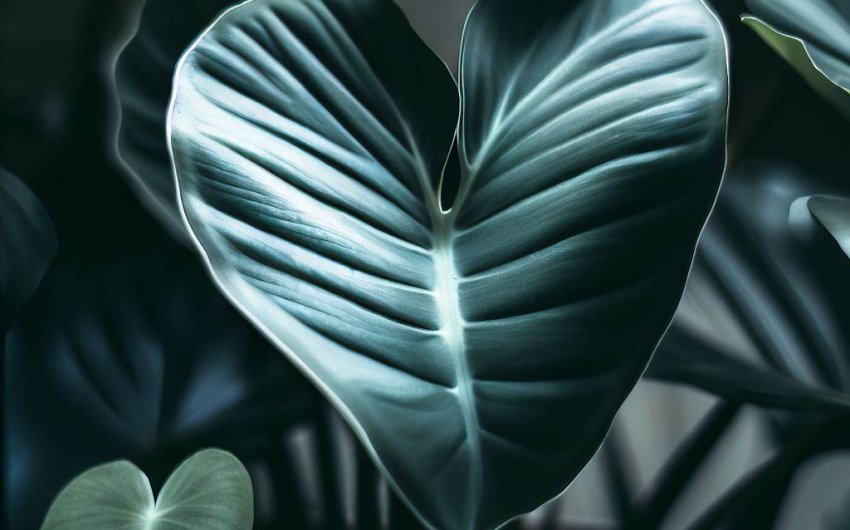
Philodendron Brandtianum care, often sought for its distinctive silver-leaf variegation, involves providing bright, indirect light, consistently high humidity, and a well-draining, airy potting mix. Allow the top 1-2 inches of soil to dry out between waterings, and offer it something to climb to encourage larger, more mature leaves.
What makes Philodendron Brandtianum's silver leaf so unique?
The Philodendron Brandtianum, often lovingly called "Brandi," is a highly sought-after aroid prized for its incredibly striking foliage. Its unique appeal lies in the distinctive olive-green leaves generously splashed and streaked with silvery-gray variegation, creating a stunning contrast that catches the light beautifully. The leaf shape is typically heart-shaped or somewhat elongated, and the silver patterns can vary from broad patches to delicate flecks, making each leaf a miniature work of art.
What are the key characteristics of Philodendron Brandtianum?
- Striking foliage: Olive-green leaves with pronounced silvery-gray variegation.
- Vining/Climbing habit: Naturally a climber, producing aerial roots that help it cling to surfaces.
- Moderate growth rate: Grows steadily under ideal conditions.
- Compact compared to some Philodendrons: Can remain relatively manageable as a houseplant.
- Easy propagation: Relatively simple to propagate from stem cuttings.
What kind of light does Philodendron Brandtianum need?
Philodendron Brandtianum, like most philodendrons, thrives in bright, indirect light. This mimics its natural habitat as an understory plant in tropical rainforests, where it receives filtered light rather than harsh, direct sun. Adequate light is crucial for maintaining its vibrant silver variegation.
Can Brandtianum tolerate low light?
While Philodendron Brandtianum can survive in lower light conditions, it will not flourish. In low light, you'll notice significantly slower growth, smaller leaves, and the silvery variegation may become less pronounced or even fade, causing the leaves to appear greener. For the best growth and color, always aim for bright, indirect light.
What happens if Brandtianum gets too much direct sun?
Too much direct sunlight is detrimental to Philodendron Brandtianum. Prolonged exposure to intense sun can lead to leaf scorch, characterized by yellowing, browning, or crispy patches on the leaves. The vibrant silver variegation can also turn dull or even burn. If placed near a very sunny window, ensure it's set back a few feet or diffused with a sheer curtain.
How much water should you give your Philodendron Brandtianum?
Philodendron Brandtianum prefers consistently moist soil but is highly susceptible to root rot if overwatered. The key is to allow the top layer of its potting mix to dry out slightly between waterings.
How do you know when to water Brandtianum?
A good rule of thumb is to water when the top 1-2 inches of the potting mix feel dry to the touch. You can also judge by the weight of the pot – a dry pot will feel significantly lighter. The leaves might also show a slight droop when thirsty, but don't wait until they're severely wilted. Using a soil moisture meter can provide accurate readings throughout the pot.
What are the signs of overwatering Brandtianum?
- Yellowing leaves: Especially on lower, older leaves, which may also feel soft or mushy.
- Black spots or mushy stems: Indicates root rot, often accompanied by a foul smell from the soil.
- Stunted growth: Despite seemingly healthy conditions, the plant isn't thriving.
- Fungus gnats: Small flying insects attracted to consistently damp soil.
What is the best potting mix for Philodendron Brandtianum?
Being an aroid (a type of plant that often grows as an epiphyte or hemiepiphyte in nature), Philodendron Brandtianum needs a very well-draining, airy, and chunky potting mix that provides excellent aeration for its roots. Standard potting soil is too dense and will retain too much moisture, leading to root rot.
What ingredients should be in Brandtianum potting mix?
A good potting mix for Philodendron Brandtianum should include:
- Orchid bark or coco husks: For chunkiness, aeration, and drainage.
- Perlite or pumice: To improve drainage and prevent compaction.
- Coarse sphagnum moss or coco coir: For some moisture retention without becoming waterlogged.
- Worm castings or a small amount of potting soil (optional): For some nutrient content.
A common blend might be equal parts orchid bark, perlite, and sphagnum moss. You can also use a specialized aroid potting mix designed for similar plants.
Do Philodendron Brandtianum plants need high humidity?
Yes, Philodendron Brandtianum originates from tropical rainforests, so it absolutely thrives in high humidity. Aim for humidity levels of 60% or higher for optimal growth and to prevent dry leaf edges. Insufficient humidity can lead to crispy leaf margins, slower growth, and make the plant more susceptible to pests.
How can you increase humidity for Brandtianum?
- Humidifier: Using a room humidifier is the most effective way to provide consistent humidity.
- Pebble trays: Place the pot on a tray filled with pebbles and water, ensuring the bottom of the pot doesn't sit directly in the water.
- Grouping plants: Placing several plants together creates a microclimate with higher local humidity.
- Terrariums/Cloches: For smaller plants, a cloche or terrarium can create a high-humidity environment.
- Misting (occasionally): While not a long-term solution, occasional misting can provide a temporary boost.
What is the ideal temperature range for Philodendron Brandtianum?
Philodendron Brandtianum prefers warm temperatures, consistent with its tropical origins. It does best in temperatures between 65-85°F (18-29°C).
Can Brandtianum tolerate temperature fluctuations?
While some minor fluctuations are fine, sudden or extreme temperature drops can be detrimental. Avoid placing Philodendron Brandtianum near drafty windows, air conditioning vents, or heating elements that can cause rapid changes in temperature. Prolonged exposure below 55°F (13°C) can stress or damage the plant.
How do you fertilize Philodendron Brandtianum?
Philodendron Brandtianum benefits from regular fertilization during its active growing season (spring and summer) to support its vibrant foliage and healthy growth. During fall and winter, when growth slows, reduce or stop fertilizing.
What kind of fertilizer should you use for Brandtianum?
Use a balanced liquid houseplant fertilizer, such as a 10-10-10 or 20-20-20, diluted to half or even quarter strength. You can also use a slow-release granular fertilizer applied at the beginning of the growing season according to package directions.
How often should you fertilize Brandtianum?
During spring and summer, fertilize your Philodendron Brandtianum plant every 2-4 weeks with a diluted liquid fertilizer. Always apply fertilizer to moist soil to prevent root burn. If using a slow-release fertilizer, follow the product's specific instructions, which usually involve applying it only once every few months.
When should you repot Philodendron Brandtianum?
Philodendron Brandtianum plants generally don't mind being a little root-bound, but they do benefit from repotting when they've significantly outgrown their container or the potting mix has degraded. Typically, repot every 1-2 years.
What are the signs Brandtianum needs repotting?
- Roots growing out of drainage holes: A clear sign the plant needs more space.
- Water running straight through: The potting mix has become so compacted with roots that it can't retain water.
- Stunted growth: If the plant's growth slows despite good care, it might be root-bound.
- Pot feels light and dries out quickly: Another sign the roots have taken over the pot.
How do you repot Brandtianum?
- Choose a slightly larger pot: Select a new pot that is only 1-2 inches larger in diameter than the current one. Ensure it has good drainage holes.
- Prepare the new pot: Add a layer of fresh, well-draining potting mix (as described earlier) to the bottom.
- Remove the plant: Gently remove the Philodendron Brandtianum from its old pot. You might need to gently squeeze the sides of the pot or use a knife around the edges.
- Inspect roots: Gently loosen any circling or tightly bound roots at the bottom.
- Place and backfill: Center the plant in the new pot, ensuring it's at the same depth as it was previously. Fill around the roots with fresh potting mix, gently tamping it down.
- Water: Water thoroughly after repotting to help settle the soil.
How do you prune and propagate Philodendron Brandtianum?
Pruning your Philodendron Brandtianum not only helps maintain its shape and size but also encourages bushier growth. It also provides excellent opportunities for easy propagation, allowing you to create new plants or fill out your existing pot.
Why should you prune Brandtianum?
- Encourage bushiness: Pruning stimulates new growth from nodes, making the plant fuller.
- Maintain shape and size: Keeps long, leggy vines in check.
- Remove damaged leaves: Helps the plant direct energy to healthy growth.
- Promote health: Improves air circulation and overall vigor.
How do you prune Brandtianum?
- Use clean, sharp shears: Always use disinfected pruning shears or scissors.
- Locate a node: Find a node (a small bump where a leaf or aerial root emerges) on the vine.
- Cut: Make a cut just below a node. You can remove as much as you like, even up to half of the total plant length if you want a significant trim.
- Repeat: Continue pruning leggy vines until you achieve the desired shape.
How do you propagate Brandtianum from cuttings?
Philodendron Brandtianum is relatively easy to propagate from stem cuttings.
- Take a cutting: From your pruned pieces, select healthy sections of vine that are 4-6 inches long, with at least 2-3 leaves and 1-2 nodes.
- Remove lower leaves: Strip off the leaves from the bottom node(s) that will be submerged.
- Choose a rooting method:
- Water propagation: Place the cutting in a glass of water, ensuring the nodes are submerged but leaves are above the water line. Change the water every few days. Roots typically form within 1-3 weeks.
- Sphagnum moss: Lay the cutting on moist sphagnum moss or insert it lightly. Keep moss consistently moist.
- Soil propagation: Insert the cutting directly into a small pot filled with moist, well-draining potting mix, ensuring the nodes are covered. Keep the soil consistently moist.
- Provide warmth and bright indirect light: Whether in water, moss, or soil, cuttings root best in warm conditions with good indirect light. A propagation dome can help maintain humidity.
- Plant: Once roots are a few inches long (for water or moss propagation), plant the rooted cuttings into potting mix.
What are common problems when growing Philodendron Brandtianum?
Even resilient plants like Philodendron Brandtianum can encounter issues, mostly stemming from improper environmental conditions.
Why are my Brandtianum leaves turning yellow or brown?
Yellowing or browning leaves on a Philodendron Brandtianum are often indicators of underlying issues:
- Overwatering (yellowing/mushy): The most common cause. Roots are suffocating. Reduce watering frequency.
- Underwatering (browning/crispy): Prolonged drought. Increase watering frequency.
- Low humidity (browning/crispy edges): Air is too dry. Increase humidity.
- Too much direct sun (scorched/brown spots): Move to a brighter, but indirect light location.
- Nutrient deficiency (overall yellowing): If severe and not related to watering, consider light fertilization.
What kind of pests affect Philodendron Brandtianum?
Philodendron Brandtianum is generally quite pest-resistant, but it can occasionally be bothered by common houseplant pests, especially if stressed:
- Mealybugs: Small, white, cottony insects found in leaf axils.
- Spider mites: Tiny pests that create fine webbing, usually on the undersides of leaves, causing stippling.
- Scale insects: Small, immobile bumps that attach to stems and leaves, sucking sap.
How do you treat pests on Brandtianum?
- Isolate: Move the infested plant away from other plants immediately.
- Wipe with alcohol: For mealybugs or scale, dab them directly with a cotton swab soaked in rubbing alcohol.
- Insecticidal soap: Spray the entire plant (top and bottom of leaves, stems) with a natural insecticidal soap. Repeat every 7-10 days until pests are gone.
- Neem oil: An organic pesticide that can deter many pests. Follow product instructions.
Caring for your Philodendron Brandtianum involves understanding its tropical needs: bright, indirect light, a well-draining chunky potting mix, and consistent high humidity. By paying attention to these key aspects and being vigilant against common problems like overwatering, you can help your "Brandi" thrive and showcase its exquisite silver-leaf variegation.