
Guide to Care for Venus Flytraps
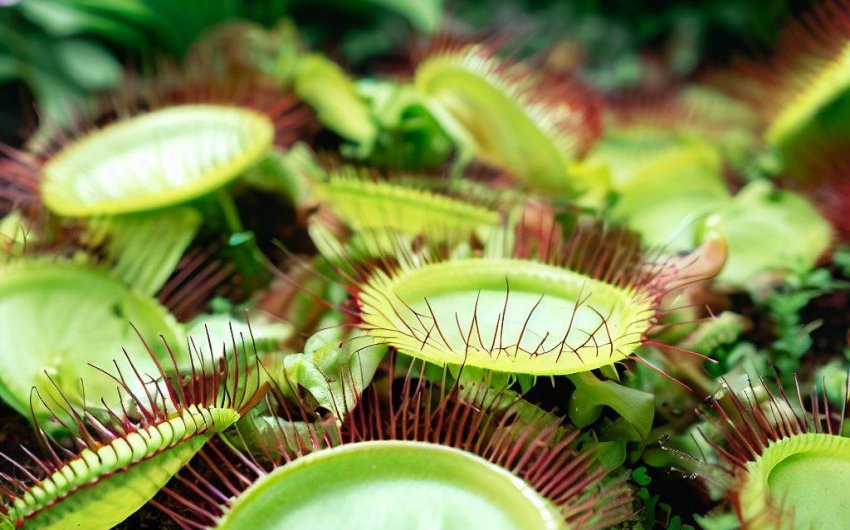
To care for Venus flytraps correctly, provide them with at least 4-6 hours of direct sunlight daily, consistently moist soil using only distilled or rainwater, and a specialized peat moss and perlite potting mix. Understanding their specific needs, especially for dormancy and pure water, is crucial for their long-term survival.
What makes Venus flytraps so unique and special?
Venus flytraps (Dionaea muscipula) are among the most iconic and fascinating carnivorous plants, instantly recognizable by their specialized traps that snap shut to catch insects. Native to a small region of North and South Carolina in the United States, these plants have evolved to survive in nutrient-poor bogs by supplementing their diet with insects. Their unique ability to actively capture prey sets them apart from most other plants.
Why do Venus flytraps eat insects?
Venus flytraps eat insects not for energy, but primarily to obtain essential nutrients, especially nitrogen and phosphorus, which are scarce in their native bog habitats. They still photosynthesize to produce their own food (sugars), just like any other green plant. The insects simply provide the "vitamins and minerals" that their boggy soil lacks, allowing them to thrive where other plants might struggle.
What are the key parts of a Venus flytrap?
- Rhizome: The underground stem from which roots and leaves grow.
- Leaves/Traps: Modified leaves with two hinged lobes, lined with stiff "cilia" (teeth) and equipped with tiny trigger hairs.
- Trigger hairs: Typically three to six tiny hairs on each lobe. When two hairs are touched within 20 seconds, or one hair touched twice, the trap snaps shut.
- Glands: Reddish glands on the inside of the trap produce nectar to attract prey and enzymes for digestion.
- Scape/Flower stalk: A tall stalk that emerges in spring, bearing small white flowers (should be cut to conserve energy).
How much sun does a Venus flytrap need?
Sunlight is arguably the most crucial factor for a healthy Venus flytrap. They are full-sun plants and will not thrive without adequate light.
What is the ideal light exposure for Venus flytraps?
Venus flytraps need at least 4-6 hours of direct sunlight daily to grow vigorously and develop healthy, red-tinged traps. The more sun they get, the better!
- Outdoors: They do best outdoors in a sunny location where they can receive full sun.
- Indoors: If grown indoors, they require a very sunny south-facing window or, more reliably, strong LED grow lights for 12-16 hours a day.
What happens if a Venus flytrap doesn't get enough sun?
Insufficient sunlight is a common reason for Venus flytrap decline. Signs of too little light include:
- Pale green traps: Lack of the healthy red coloration inside the traps.
- Small, weak traps: Traps may be poorly formed or not close properly.
- Leggy growth: Long, weak petioles (leaf stalks) stretching towards light.
- Slow growth or dormancy failure: The plant loses vigor and struggles to enter or exit dormancy effectively.
What kind of water should you give a Venus flytrap?
The type of water you use for your Venus flytrap is absolutely critical. This is one of the most common mistakes new growers make.
Why can't Venus flytraps have tap water?
Venus flytraps are extremely sensitive to the dissolved minerals and salts found in most tap water. In their natural bog habitats, the water is naturally very low in minerals. Over time, these accumulated minerals from tap water will build up in the potting medium, eventually burning the roots and killing the plant.
What types of water are safe for Venus flytraps?
Only use pure, low-mineral water for your Venus flytrap:
- Distilled water: Widely available at grocery stores.
- Rainwater: Collected directly from the sky.
- Reverse osmosis (RO) water: Filtered water with very low mineral content.
- Deionized water: Similar to distilled water, typically used in labs.
How often should you water a Venus flytrap?
Venus flytraps prefer consistently moist soil.
- Tray method: The easiest way to water is to place the potted plant in a tray filled with 1-2 inches of pure water. The plant will absorb water from the bottom as needed. Refill the tray when it dries out.
- Top watering: If not using the tray method, water from the top until water drains from the bottom, ensuring the entire soil mass is saturated. Allow the tray to drain completely before placing it back.
- Seasonal adjustment: Reduce watering frequency slightly during the winter dormancy period, but never let the soil dry out completely. A TDS meter can help you check the purity of your water source.
What is the correct potting mix for Venus flytraps?
The potting mix for Venus flytraps is just as specific as their water requirements. They cannot be planted in regular potting soil.
Why can't Venus flytraps grow in regular potting soil?
Regular potting soil or garden soil contains too many minerals, salts, and nutrients. These will quickly accumulate and burn the delicate roots of a Venus flytrap, leading to its demise. The rich organic matter can also attract pests and diseases that these bog plants are not equipped to handle.
What is the ideal potting mix for Venus flytraps?
The ideal potting mix for Venus flytraps is a nutrient-poor, acidic, and well-aerated blend that mimics their bog environment:
- Long-fibered sphagnum moss: Excellent at retaining moisture while remaining airy.
- Peat moss: Another great choice, but ensure it's pure peat moss with no added fertilizers or wetting agents.
- Perlite or horticultural sand: Added to improve drainage and aeration.
A common mixture is 50% peat moss and 50% perlite (or horticultural sand). You can purchase specialized carnivorous plant potting mix online.
When should you repot a Venus flytrap?
Repot your Venus flytrap every 1-2 years, typically in late winter or early spring just before it breaks dormancy. This helps refresh the potting mix, which can degrade over time and accumulate some minerals. Always use fresh, appropriate potting mix.
Does a Venus flytrap need fertilizer or additional feeding?
No, Venus flytraps do not need conventional fertilizer. Their traps are specifically designed to supplement their nutrient intake from insects. Adding fertilizer to the soil will quickly kill them.
Can you feed a Venus flytrap insects?
If your Venus flytrap is grown outdoors, it will catch enough insects on its own. If grown indoors and it's not catching anything, you can occasionally feed it small, live insects (like a fly, spider, or tiny cricket) that are no larger than one-third the size of the trap.
- Live prey: The insect must be alive to trigger the digestive process (it needs to wiggle inside the trap).
- Frequency: Feed one or two traps every 2-4 weeks during the growing season.
- Avoid overfeeding: Don't feed every trap at once, and don't feed during dormancy.
- No human food: Never feed them human food like hamburger meat or cheese; it will rot and kill the trap.
What happens if you trigger the traps manually without food?
Manually triggering the traps without providing food wastes the plant's energy. Each trap can only open and close a limited number of times (about 3-7 times) before it dies and turns black. Repeatedly triggering them for amusement will quickly deplete the plant's resources and reduce its ability to catch actual prey.
What is dormancy, and why is it essential for Venus flytraps?
Dormancy is a crucial period of rest that Venus flytraps require annually for their long-term health and survival. Without proper dormancy, the plant will eventually weaken and die.
When do Venus flytraps go dormant?
Venus flytraps typically enter dormancy in late fall (November) and emerge in early spring (March). This period mimics their natural winter cycle in their native bog habitats. During dormancy, their growth slows significantly, and many of their traps may die back, leaving only a small, tight rosette of tiny leaves or traps.
How do you provide proper dormancy for a Venus flytrap?
- Reduce watering: While the soil should never dry out, reduce the frequency of watering during dormancy. The tray method can still be used, but allow the tray to remain dry for a few days before refilling.
- Provide cool temperatures: This is the most critical aspect of dormancy. The plant needs temperatures between 35-55°F (2-13°C) for 3-5 months.
- Outdoors: In appropriate hardiness zones (USDA Zones 7-9), plants can remain outdoors in a protected spot.
- Indoors: Place the potted plant in an unheated garage, shed, or even a refrigerator (in a sealed plastic bag with moist moss) for colder zones or if outdoor conditions are too harsh.
- Reduce light: Less light is needed during dormancy, but it's not strictly necessary for complete darkness.
What happens if a Venus flytrap doesn't get dormancy?
If a Venus flytrap doesn't experience its annual dormancy period, it will become exhausted, weak, and eventually die. It's like trying to run a marathon without ever resting; the plant simply burns itself out.
How do you propagate Venus flytraps?
Venus flytraps can be propagated in a few different ways, allowing you to multiply your collection.
What are the main methods of propagation?
- Seed: You can collect seeds from flowers (if you allow the plant to flower) and sow them in appropriate potting mix. This is a slow process, taking years for plants to mature.
- Leaf pullings: Gently pull a healthy leaf (petiole and white base) from the rhizome. Plant the white base in moist sphagnum moss or peat/perlite mix. Keep it warm and humid. New plantlets will form at the base after several weeks.
- Rhizome division: The easiest and most common method for established plants. When repotting, carefully separate offsets (smaller plants with their own rhizome and roots) from the main plant.
- Flower stalk cuttings: After cutting the flower stalk (which is usually recommended), you can cut it into 1-inch pieces and place them on moist sphagnum moss. New plantlets can sometimes form at the nodes.
What are common problems when caring for Venus flytraps?
Even with careful attention, Venus flytraps can sometimes encounter issues. Most problems stem from incorrect environmental conditions.
Why are my Venus flytrap's traps turning black?
Traps turning black is a normal part of the Venus flytrap's life cycle.
- Normal aging: Individual traps will naturally turn black and die after opening and closing a few times or digesting an insect.
- Overfeeding: Too many insects, or insects too large, can overwhelm and kill a trap.
- Lack of food/Water: Severely stressed plants might have more dying traps.
- Dormancy: Many traps will die back during the winter dormancy period.
- Manually triggering: Repeatedly closing traps without food exhausts them.
Why is my Venus flytrap turning completely black or mushy?
If the entire plant, or large sections of it, are turning black and mushy, it almost always indicates root rot caused by too much dissolved minerals in the water or consistently waterlogged soil.
- Solution: Immediately repot into fresh, pure potting mix. Switch to distilled or rainwater. Ensure good drainage and adjust watering to avoid constant sogginess. Unfortunately, severely rotted plants often don't recover.
What pests or diseases affect Venus flytraps?
Venus flytraps are generally robust, but they can be affected by:
- Aphids: Small, soft-bodied insects that feed on new growth.
- Mealybugs: White, cottony insects found in crevices.
- Spider mites: Tiny pests that cause stippling.
- Fungal rot: (As above) from high humidity and poor air circulation.
How do you treat pests on Venus flytraps?
- Manual removal: Hand-pick larger pests.
- Insecticidal soap (diluted): Use with extreme caution, as some plants are sensitive. Ensure it's safe for carnivorous plants.
- Neem oil: Some growers use it very sparingly and diluted, but test on a small area first.
- Predatory mites: For spider mites, introducing predatory mites can be effective.
- Improved air circulation: Helps prevent fungal issues.
Caring for Venus flytraps correctly requires strict adherence to their specific needs for light, water purity, and potting medium, along with understanding their essential dormancy cycle. By providing these specialized conditions, you can enjoy these remarkable carnivorous plants for many years, observing their unique insect-catching abilities and contributing to their long-term health.