
How to Get Rid of Spanish Moss From Trees?
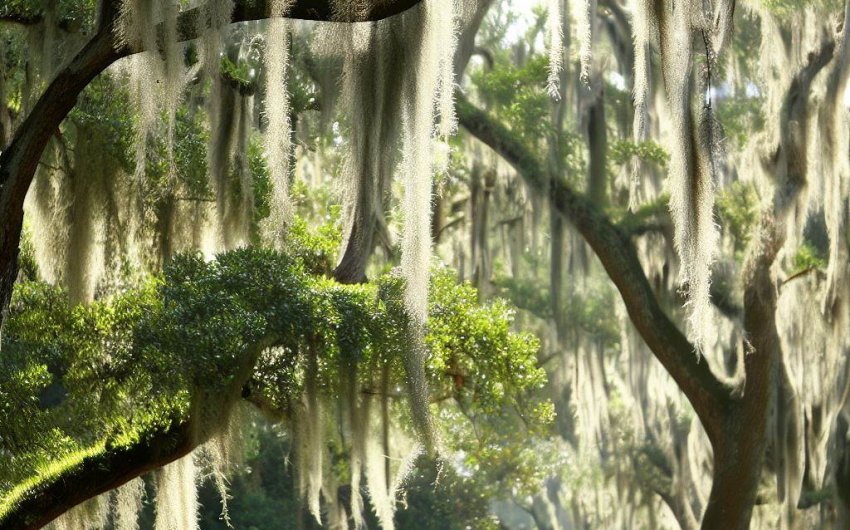
To get rid of Spanish moss from trees, you can use methods ranging from manual removal for light infestations to dormant oil sprays for more extensive growth. Prioritize the tree's health through proper care, as vigorous trees are better at resisting heavy moss accumulation.
Why might you want to remove Spanish moss from trees?
While Spanish moss (Tillandsia usneoides) adds a distinctive aesthetic to landscapes, particularly in the southeastern United States, heavy accumulations can become problematic for the host tree. Although it's an epiphyte and not directly parasitic, excessive growth can create issues that impact tree health, vigor, and even safety. Understanding these potential problems helps determine when removal is necessary.
How does Spanish moss negatively affect trees?
- Reduced sunlight: Dense blankets of moss can shade out leaves and branches, especially interior ones, reducing the tree's ability to photosynthesize effectively. This can weaken the tree over time.
- Restricted air circulation: Thick moss can impede airflow through the tree's canopy. Poor air circulation in humid environments increases the risk of fungal diseases on the tree's foliage and branches.
- Excessive weight: When wet, Spanish moss can become very heavy, adding significant stress to tree branches. This increased weight can make branches more susceptible to breakage, especially during storms or strong winds.
- Underlying health indicator: Often, heavy moss growth is a symptom rather than a cause of a tree's poor health. Weaker or declining trees tend to have more open canopies, providing ideal conditions for moss to thrive.
Is Spanish moss directly harmful to trees?
No, Spanish moss is not parasitic. It does not tap into the tree's vascular system to draw water or nutrients. It obtains all its moisture and nutrients from the air, rain, and debris it collects. The harm it causes is indirect, primarily through shading, airflow restriction, and added weight, particularly when its growth becomes excessive.
What are the most effective manual methods for removing Spanish moss?
Manual removal is a practical and environmentally friendly option for getting rid of Spanish moss, especially for lighter infestations or on smaller, accessible trees. It requires physical effort but avoids the use of chemicals.
How do you manually pull Spanish moss from trees?
- Safety first: For anything beyond easy reach, use a sturdy ladder or consider hiring a professional arborist, especially for large trees or high branches. Always use proper ladder safety techniques.
- Timing: Manual removal is easiest when the moss is dry, as wet moss is heavier and more difficult to pull.
- Grasp and pull: Grasp clumps of Spanish moss firmly with gloved hands and gently but deliberately pull it away from the branches. Focus on removing the main masses.
- Remove all debris: Ensure all removed moss is collected and disposed of away from the tree. You can compost it (if not heavily laden with pests) or discard it. Leaving it on the ground near the tree can lead to reinfestation.
- Repeat: Spanish moss can regrow from small fragments, so periodic manual removal (every few years) may be necessary to keep it in check.
Can you use tools to remove Spanish moss from higher branches?
Yes, for higher branches, you can use specialized tools to extend your reach:
- Long-handled pole pruners/saws: While designed for cutting, the hook on some pole pruners can be used to snag and pull down moss.
- Extendable poles with hooks: Simple hooks attached to extendable poles can be effective for pulling down moss clumps.
- Rakes: A lightweight garden rake or even a specialized telescoping tree branch hook can be used to gently rake down moss from reachable branches.
Always exercise extreme caution to avoid damaging the tree's bark or branches when using tools.
What chemical treatments are available for Spanish moss removal?
While chemical treatments exist, they should be considered a last resort due to potential impacts on the host tree, beneficial insects, and the environment. Always prioritize non-chemical methods if feasible.
Can dormant oil sprays be used to kill Spanish moss?
Yes, dormant oil sprays are considered one of the safest and most effective chemical treatments for killing Spanish moss. Dormant oil works by smothering the moss, blocking its pores and preventing it from absorbing moisture and nutrients from the air, eventually leading to its demise.
How to apply dormant oil for Spanish moss:
- Timing: Apply dormant oil when the host tree is dormant, typically in late fall after leaf drop or in early spring before new leaf buds open. This is crucial to avoid harming the tree's foliage.
- Weather conditions: Apply on a calm, dry day when temperatures are above freezing (usually 40-70°F or 4-21°C) and no rain is expected for at least 24-48 hours.
- Dilution: Always follow the product label instructions precisely for dilution rates. Too strong a mixture can harm the tree; too weak won't be effective.
- Thorough coverage: Spray the dormant oil solution thoroughly onto all visible Spanish moss clumps. Complete coverage is key for success. A pump sprayer or a hose-end sprayer is often used.
- Monitor: After application, the moss will gradually turn brown and may take several weeks or months to fall off. You may need repeat applications in subsequent dormant seasons for heavy infestations.
Are there other chemical options, and are they safe?
Other chemical options, such as those containing copper sulfate or specialized moss and algae killers, exist. However, their use requires even greater caution:
- Copper sulfate: While effective, copper can be toxic to some trees, soil, and aquatic life if not applied correctly. It's often harsh and can stain surfaces.
- General moss killers: Many general moss killers are designed for lawns or hard surfaces and may contain ingredients harmful to trees or other garden plants.
- Safety: Always read labels thoroughly to ensure the product is safe for use on trees and for your specific host tree species. If unsure, do not use it, or consult a certified arborist.
- Professional application: For any potentially harsh chemical treatment, hiring a certified arborist experienced in tree health and chemical applications is highly recommended.
How does promoting tree health help deter Spanish moss?
The best long-term strategy for managing Spanish moss and preventing heavy reinfestations is to ensure the overall health and vigor of your trees. A robust, thriving tree is naturally better equipped to resist excessive moss growth.
Why do healthy trees have less Spanish moss?
Healthy, vigorous trees typically have dense foliage and active new growth. This creates a naturally shaded canopy that is less conducive to Spanish moss germination and growth, as the moss prefers more light than it would find deep within a thick, healthy tree crown. Furthermore, good air circulation within a healthy tree reduces the humidity that moss loves.
What are key practices for improving tree health?
- Proper watering: Ensure your trees receive adequate and consistent water, especially during dry periods. Deep, infrequent watering is generally best for established trees.
- Balanced nutrition: Fertilize based on soil test results, providing essential nutrients. For specific trees like pecans, ensure micronutrients like zinc are available. You can find tree-specific fertilizers online.
- Appropriate pruning: Regular, proper pruning removes dead or weak branches, improves air circulation, and maintains a healthy canopy structure without excessively opening it up.
- Pest and disease management: Promptly address any other pest or disease issues that could stress the tree.
- Avoid bark damage: Protect the tree's bark from lawnmower or string trimmer damage, as wounds can create entry points for pathogens and weaken the tree.
- Mulching: Apply a 2-4 inch layer of organic mulch around the base of the tree (keeping it away from the trunk) to conserve moisture, regulate soil temperature, and suppress weeds.
What is the role of professional arborists in Spanish moss removal?
For large trees, heavy infestations, or when dealing with valuable trees, consulting or hiring a professional arborist is often the safest and most effective approach for Spanish moss removal.
When should you call a professional arborist?
- Large or tall trees: If the moss is on branches that are difficult or unsafe to reach from the ground or a ladder.
- Heavy infestations: When manual removal seems overwhelming or ineffective.
- Valuable trees: For specimen trees where careful removal is paramount to avoid damage.
- Uncertainty: If you're unsure about the tree's health, proper removal techniques, or the use of chemicals.
- Integrated pest management: Arborists can assess the overall tree health and develop a comprehensive plan, which might include managing the moss, improving tree vigor, and addressing any underlying issues.
What services can an arborist provide?
- Safe removal: Using specialized equipment (lifts, climbing gear) to safely access and remove moss.
- Tree health assessment: Diagnosing any underlying issues that contribute to moss growth.
- Expert pruning: Proper pruning techniques to improve tree structure and air circulation.
- Targeted treatments: Applying dormant oils or other treatments safely and effectively, if necessary.
- Advice: Providing long-term recommendations for tree care and moss management.
Getting rid of Spanish moss from trees can be a straightforward task for minor issues or a significant undertaking for heavy infestations. By prioritizing the health of your trees through good cultural practices and employing appropriate removal methods—from manual pulling and dormant oil sprays to professional arborist services for larger challenges—you can ensure your trees thrive without being overly burdened by their unique epiphytic companions.