
How to Grow and Care for Hemigraphis Alternata Houseplants?
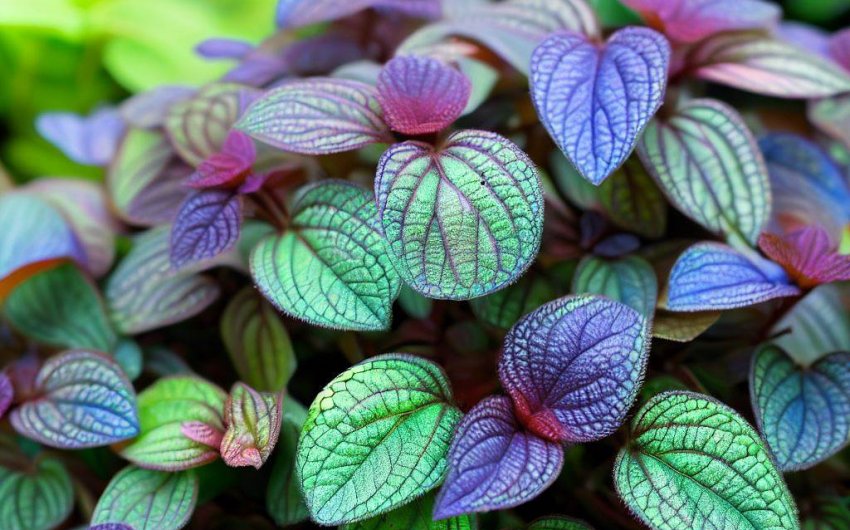
To grow and care for Hemigraphis alternata houseplants, often known as Waffle Plant, provide them with bright, indirect light, consistently high humidity, and constantly moist but well-draining soil. These vibrant, crinkled-leaf plants thrive in warm, humid environments and benefit from regular pinching to maintain a bushy appearance.
What makes Hemigraphis alternata a popular houseplant?
Hemigraphis alternata, commonly called the Waffle Plant or Red Ivy, is a beloved houseplant primarily for its strikingly textured and colored foliage. Its leaves are typically deep green on top with a distinct purplish-red underside, and they have a unique, crinkled or "waffled" texture. This vibrant contrast and interesting feel make it a fantastic choice for adding visual interest to indoor plant collections, especially in hanging baskets or terrariums.
What are the key characteristics of a Waffle Plant?
- Distinctive foliage: Crinkled leaves, typically metallic green/purple on top, deep purple/red underneath.
- Trailing/Creeping habit: Grows outwards and downwards, making it suitable for hanging baskets or as a groundcover in terrariums.
- Moderate growth rate: Can grow quite quickly under ideal conditions.
- Small, white flowers: Produces tiny, insignificant white flowers, but the foliage is the main attraction.
- Sensitivity to drying out: Prone to wilting dramatically if left too dry.
What kind of light does Hemigraphis alternata need?
Hemigraphis alternata thrives in bright, indirect light. This kind of lighting helps maintain the vibrant purple coloration of its leaves. Too much direct sun can scorch its delicate foliage, while too little light will cause the colors to fade and the plant to become leggy.
Can Waffle Plants tolerate low light?
While Waffle Plants can survive in lower light conditions for a period, they will not display their best colors. In low light, the distinctive purple hue on the underside of the leaves will diminish, becoming more green. The plant's growth will also slow down, and it may become leggy, stretching towards any available light source. For the best color and compact growth, brighter indirect light is always preferred.
What happens if Hemigraphis alternata gets too much direct sunlight?
Too much direct sunlight can be harmful to Waffle Plants. Their relatively thin leaves are not adapted to intense, unfiltered sun. Prolonged exposure can lead to leaf scorch, which manifests as bleached, yellow, or crispy brown spots on the foliage. The vibrant colors can also become dull or washed out. If placing your plant near a very sunny window, ensure it's set back a few feet or diffused by a sheer curtain.
How much water should you give your Hemigraphis alternata?
Hemigraphis alternata has specific watering needs; it prefers to be consistently moist but never waterlogged. It's crucial to find a balance, as both overwatering and underwatering can quickly lead to problems. This plant will dramatically wilt when thirsty, making it easy to know when it needs water.
How do you know when to water your Waffle Plant?
The best way to determine when to water is by checking the soil moisture:
- Finger test: Stick your finger about an inch into the potting mix. If it feels slightly dry, it's time to water.
- Visual cues: The leaves will often visibly droop or wilt when the plant is thirsty. However, try to water before it reaches this stage, as repeated wilting can stress the plant.
- Pot weight: A dry pot will feel noticeably lighter than a recently watered one.
- Soil moisture meter: A soil moisture meter can provide accurate readings throughout the pot, helping to prevent both over and under watering.
When you do water, do so thoroughly until you see water draining from the bottom of the pot.
What are the signs of overwatering a Waffle Plant?
- Yellowing leaves: Especially on lower, older leaves, which may also feel soft or mushy.
- Black spots or mushy stems: Indicative of root rot, often accompanied by a foul smell from the soil.
- Stunted growth: Despite seemingly healthy conditions, the plant isn't thriving.
- Fungus gnats: Small flying insects attracted to consistently damp soil.
What is the best potting mix for Hemigraphis alternata?
The best potting mix for Hemigraphis alternata is one that is rich in organic matter, consistently moist, yet exceptionally well-draining. This balance prevents root rot while ensuring the plant has access to the moisture it loves.
What ingredients should be in a good Waffle Plant potting mix?
A good potting mix for Hemigraphis alternata should typically include:
- Good quality potting soil: The main component, providing basic nutrients and structure.
- Perlite: Improves drainage and aeration, preventing compaction.
- Vermiculite (optional): Can help with moisture retention while still allowing good drainage.
- Compost or worm castings (optional): To enrich the soil with organic matter and nutrients.
A common mixture is roughly 2 parts potting soil to 1 part perlite, with a handful of compost. You can also use a houseplant potting mix specifically designed for moisture-loving plants that emphasizes good drainage.
Do Hemigraphis alternata plants need high humidity?
Yes, Hemigraphis alternata originates from tropical regions with consistently high humidity, so it absolutely thrives in humid conditions. Aim for humidity levels of 60% or higher for optimal growth and to prevent dry, crispy leaf edges. Insufficient humidity can lead to leaf problems and make the plant more susceptible to pests.
How can you increase humidity for Waffle Plants?
- Humidifier: Using a room humidifier is the most effective way to provide consistent humidity.
- Pebble trays: Place the pot on a tray filled with pebbles and water, ensuring the bottom of the pot doesn't sit directly in the water.
- Grouping plants: Clustering several plants together creates a microclimate with higher local humidity.
- Terrariums: They are excellent plants for closed terrariums where humidity is naturally very high.
- Misting (occasionally): While not a long-term solution, occasional misting can provide a temporary boost.
What is the ideal temperature range for Hemigraphis alternata?
Hemigraphis alternata prefers warm, consistent temperatures, reflecting its tropical origins. It thrives in temperatures between 65-80°F (18-27°C).
Can Waffle Plants tolerate temperature fluctuations?
While some minor fluctuations are fine, sudden or extreme temperature drops can be detrimental. Avoid placing Hemigraphis alternata near drafty windows, air conditioning vents, or heating elements that can cause rapid changes in temperature. Prolonged exposure below 55°F (13°C) can stress or damage the plant.
How do you fertilize Hemigraphis alternata?
Hemigraphis alternata benefits from regular fertilization during its active growing season (spring and summer) to support its vibrant foliage and vigorous growth. During fall and winter, when growth slows, reduce or stop fertilizing.
What kind of fertilizer should you use for Waffle Plants?
Use a balanced liquid houseplant fertilizer, such as a 10-10-10 or 20-20-20, diluted to half strength. You can also use an all-purpose granular houseplant fertilizer, but use sparingly.
How often should you fertilize Waffle Plants?
During spring and summer, fertilize your Hemigraphis alternata plant every 2-4 weeks with a diluted liquid fertilizer. Always apply fertilizer to moist soil to prevent root burn. If using a slow-release granular fertilizer, follow the product's specific instructions, which usually involve applying it only once every few months.
When should you repot Hemigraphis alternata?
Hemigraphis alternata plants are relatively fast growers and can become root-bound quickly. You should generally repot your Waffle Plant every year or two, or when you notice signs it has outgrown its current container.
What are the signs a Waffle Plant needs repotting?
- Roots growing out of drainage holes: A clear sign the plant needs more space.
- Water running straight through: The potting mix has become so compacted with roots that it can't retain water effectively.
- Stunted growth: If the plant's growth slows despite good care, it might be root-bound.
- Pot feels light and dries out quickly: Another sign the roots have taken over the pot.
How do you repot a Waffle Plant?
- Choose a slightly larger pot: Select a new pot that is only 1-2 inches larger in diameter than the current one. Ensure it has good drainage holes.
- Prepare the new pot: Add a layer of fresh, well-draining potting mix (as described earlier) to the bottom.
- Remove the plant: Gently remove the Hemigraphis alternata from its old pot. You might need to gently squeeze the sides of the pot or use a knife around the edges.
- Inspect roots: Gently loosen any circling or tightly bound roots at the bottom.
- Place and backfill: Center the plant in the new pot, ensuring it's at the same depth as it was previously. Fill around the roots with fresh potting mix, gently tamping it down.
- Water: Water thoroughly after repotting to help settle the soil.
How do you prune and propagate Hemigraphis alternata?
Pruning your Hemigraphis alternata is essential for maintaining its bushy, compact form and encouraging vibrant new growth. It also makes it incredibly easy to propagate new plants from cuttings.
Why should you prune Waffle Plants?
- Maintain bushiness: Prevents leggy growth and encourages a fuller, denser plant.
- Control size and shape: Keeps the trailing vines in check.
- Promote new color: New growth often has the most vibrant coloration.
- Remove damaged leaves: Helps the plant direct energy to healthy growth.
How do you prune Waffle Plants?
- Use clean, sharp shears: Always use disinfected pruning shears or scissors.
- Pinch back: For young plants or to encourage general bushiness, simply pinch off the growing tips.
- Cut back leggy vines: For longer, leggy vines, make cuts just above a leaf node (where a leaf or side branch emerges). You can remove up to one-third of the plant's length at a time.
- Repeat: Regular pinching and pruning will ensure a dense, attractive plant.
How do you propagate Waffle Plants from cuttings?
Hemigraphis alternata is exceptionally easy to propagate from stem cuttings, making it a great plant for sharing or filling out your existing pots.
- Take a cutting: From your pruned pieces, select healthy stem sections that are 4-6 inches long, with at least 2-3 leaves and 1-2 nodes.
- Remove lower leaves: Strip off the leaves from the bottom node(s) that will be submerged.
- Choose a rooting method:
- Water propagation: Place the cutting in a glass of water, ensuring the nodes are submerged but leaves are above the water line. Change the water every few days. Roots typically form within 1-2 weeks.
- Soil propagation: Insert the cutting directly into a small pot filled with moist, well-draining potting mix, ensuring the nodes are covered. Keep the soil consistently moist.
- Provide warmth and bright indirect light: Whether in water or soil, cuttings root best in warm conditions with good indirect light. A propagation dome can help maintain humidity for soil propagation.
- Plant: Once roots are a few inches long (for water propagation), plant the rooted cuttings into potting mix.
What are common problems when caring for Hemigraphis alternata?
Even though Waffle Plants are relatively easy to care for, they can still encounter issues, mostly stemming from incorrect environmental conditions or watering practices.
Why are my Waffle Plant leaves turning dull or losing color?
If your Waffle Plant's vibrant colors are fading or the leaves appear dull, it's most likely due to insufficient light.
- Solution: Move the plant to a brighter location with consistent indirect light.
Why are my Waffle Plant leaves turning brown and crispy?
Brown, crispy leaves (especially at the edges) usually indicate low humidity or underwatering.
- Solution: Increase humidity around the plant (humidifier, pebble tray). Ensure you are watering consistently when the top inch of soil is dry.
Why is my Waffle Plant wilting?
Dramatic wilting is almost always a sign of underwatering.
- Solution: Water the plant thoroughly. It should perk up within a few hours. Repeated wilting can stress the plant, so try to water before it gets to this stage.
- Other causes: Overwatering and root rot can also cause wilting (as roots can't take up water). Check the soil moisture carefully.
What kind of pests affect Waffle Plants?
Hemigraphis alternata is generally resistant to most pests. However, if stressed, it can occasionally be bothered by common houseplant pests:
- Aphids: Small, soft-bodied insects that cluster on new growth.
- Spider mites: Tiny pests that can cause stippling and fine webbing, especially in dry, low-humidity conditions.
How do you treat pests on Waffle Plants?
- Isolate: Move the infested plant away from other plants immediately.
- Strong water spray: A strong spray of water from a sink or shower can dislodge aphids and spider mites.
- Insecticidal soap: Spray the entire plant (top and bottom of leaves, stems) with a natural insecticidal soap. Repeat every 7-10 days until pests are gone.
- Increase humidity: Helps deter spider mites.
To grow and care for Hemigraphis alternata houseplants successfully, the focus should be on replicating its tropical home: bright, indirect light, constantly moist but well-draining soil, and high humidity. With regular watering, occasional feeding, and consistent pruning, your Waffle Plant will remain a vibrant, eye-catching addition to your indoor garden.