
When Does Bird of Paradise Bloom?
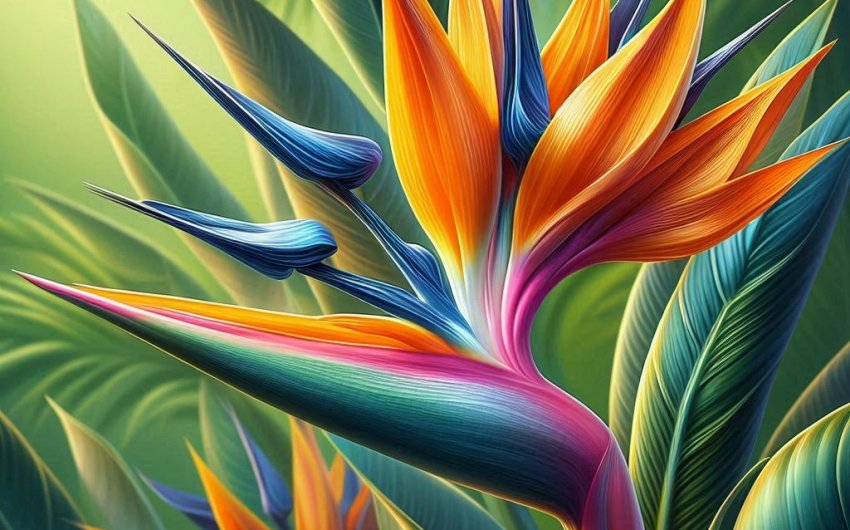
Understanding when does Bird of Paradise bloom is a common question for anyone cultivating this iconic tropical plant. Its spectacular, crane-like flowers are a highly anticipated event, but their appearance depends heavily on the plant's maturity, environmental conditions, and the specific variety being grown. Unlocking the secrets to its bloom cycle involves providing optimal care that mimics its native habitat, setting the stage for its dramatic floral display.
What is a Bird of Paradise Plant?
Before diving into when does Bird of Paradise bloom, it's important to understand the plant itself. Often confused with ornamental bananas due to their large leaves, Bird of Paradise plants are distinctive tropical beauties celebrated for their unique and vibrant flowers.
What are the Common Species?
The term "Bird of Paradise" typically refers to one of two main species, both scientifically known as Strelitzia:
- Orange Bird of Paradise (Strelitzia reginae): This is the most common and recognizable type, famous for its bright orange and blue flowers that resemble a crane's head. It typically grows 3-5 feet tall with a clumping growth habit. This is the species most commonly grown as a houseplant or in warmer outdoor gardens. You can easily find a Strelitzia reginae live plant.
- White Bird of Paradise (Strelitzia nicolai): Also known as the Giant Bird of Paradise, this species is much larger, often reaching 20-30 feet tall in its native habitat. Its flowers are white with a dark blue or black "tongue," and its leaves are more banana-like. It's typically grown outdoors in very warm climates or as a large specimen plant indoors.
What Does the Flower Look Like?
The flower of the Bird of Paradise is undeniably its most striking feature, lending the plant its common name.
- Crane-like Appearance: The bloom emerges from a long, sturdy stalk and consists of a tough, boat-shaped, often purplish or reddish-purple bract (spathe). From this bract, several bright orange (for reginae) or white (for nicolai) sepals emerge, resembling a crane's crest.
- Blue "Tongue": Nested within these sepals are typically three brilliant blue petals (or black for nicolai), two of which are fused together to form a nectary, often referred to as the "tongue" or "arrowhead" of the bird.
- Sequential Blooming: Flowers often open sequentially from a single spathe, providing a prolonged display from one stalk.
Where is it Native To?
Bird of Paradise plants are native to South Africa, specifically the coastal regions of the Eastern Cape province.
- Tropical/Subtropical Climate: In their natural habitat, they experience warm temperatures year-round, high humidity, consistent rainfall, and bright sunlight.
- Clumping Habit: They grow in large clumps, often along riverbanks or in clearings.
- Pollination: Their unique flower structure is adapted for bird pollination, particularly by sunbirds, which perch on the "tongue" structure to drink nectar, inadvertently picking up pollen on their feet.
What are its General Characteristics?
Bird of Paradise plants are evergreen perennials with a clumping, rhizomatous growth habit.
- Foliage: They produce large, paddle-shaped, banana-like leaves on long petioles (leaf stalks) that emerge directly from the rhizome. The leaves can be glossy green, and in outdoor settings, they may fray in strong winds.
- Longevity: Once established and mature, these plants can live for many decades, providing long-lasting tropical appeal.
- Low Maintenance (once mature): While requiring specific conditions to bloom, mature plants are relatively low maintenance in terms of general care, needing consistent water and feeding during their active growth period.
Understanding these characteristics provides context for the specific conditions that influence when does Bird of Paradise bloom.
When Do Bird of Paradise Plants Bloom in Ideal Conditions?
For Bird of Paradise plants, experiencing their spectacular blooms is the ultimate reward. In their native South Africa or similar warm, sunny climates, these plants have a relatively consistent blooming season, typically offering prolonged periods of color.
What is Their Natural Blooming Season?
In their native South Africa and other consistently warm, subtropical to tropical climates (like USDA Zones 9-11), Orange Bird of Paradise (Strelitzia reginae) typically blooms from late winter through spring and well into summer, roughly from February/March to October/November.
- Extended Period: Instead of a short burst of flowers, mature plants can produce a continuous succession of blooms over many months, making them a highly desirable landscape plant in frost-free regions.
- Peak Bloom: The peak flowering period is often in spring and early summer.
- White Bird of Paradise (Strelitzia nicolai) in very warm climates can bloom almost year-round, though often with fewer individual flowers open at any one time compared to reginae.
What Triggers Bloom in Optimal Climates?
Several factors contribute to the consistent and prolonged blooming of Bird of Paradise plants in their ideal outdoor environments:
- Maturity: The most critical factor. Plants typically need to be at least 3 to 5 years old from seed before they are mature enough to bloom. They need to develop a robust root system and a sufficient number of leaves (usually 10-12 mature leaves or more) to support flower production.
- Abundant Sunlight: Consistent full sun to bright light (at least 6 hours of direct sun daily) provides the energy needed for flower formation.
- Consistent Warmth: Year-round warm temperatures (above 50°F or 10°C) without significant cold stress.
- Adequate Water and Nutrients: Regular watering during dry periods and consistent feeding support the energy demands of flowering.
- Root Bound Conditions (sometimes): While they need space to grow, a slight degree of root boundedness can sometimes encourage blooming in mature plants.
Do They Re-bloom?
Yes, Bird of Paradise plants are known to re-bloom from the same spathe (the boat-shaped bract) or produce multiple spathes sequentially.
- Sequential Flowers: A single spathe can produce several individual flowers that emerge one after another over a period of weeks.
- Multiple Stalks: A mature plant will produce multiple flower stalks from its various rhizomatous clumps, leading to a prolonged display.
- Deadheading: Removing spent flower stalks at their base encourages the plant to put energy into producing new blooms and helps maintain a tidy appearance.
In optimal conditions, when does Bird of Paradise bloom is less about a single moment and more about a continuous display of their stunning, crane-like flowers.
When Do Indoor Bird of Paradise Plants Bloom?
Getting an indoor Bird of Paradise plant to bloom can be more challenging than with outdoor specimens, as mimicking their ideal tropical conditions is tougher indoors. However, with patience and the right care, you can encourage these spectacular flowers.
How Does Light Affect Indoor Blooming?
Light is arguably the most critical factor for indoor Bird of Paradise plants to bloom.
- Maximum Brightness: Indoors, they need the absolute brightest spot you can provide. A south-facing window is usually ideal, ensuring they receive as much direct sunlight as possible. An LED grow light can also be used to supplement natural light, especially during winter months when natural light levels are lower.
- Direct Sun: Unlike many houseplants, they thrive on direct sun indoors, needing at least 4-6 hours of direct sunlight daily to gather enough energy for flowering. Less than this will result in lush foliage but no blooms.
- Acclimation: If moving a plant into brighter light, do so gradually to avoid scorching the leaves.
What About Age and Maturity?
Just like their outdoor counterparts, indoor Bird of Paradise plants must reach sufficient age and maturity before they can bloom.
- Patience is Key: Don't expect blooms from a young plant. They typically need to be at least 3 to 5 years old from seed (or well-established pups) and have developed a significant number of mature leaves (around 10-12 or more) before they are ready to produce flowers.
- Container Size: The plant needs to be somewhat root-bound in its pot to trigger blooming. Avoid repotting into a much larger pot too frequently, as the plant will prioritize root growth to fill the new space before producing flowers.
Does Winter Dormancy Play a Role?
While Bird of Paradise plants don't undergo a strict dormancy like some temperate plants, a subtle winter resting period can sometimes encourage blooming for indoor specimens.
- Slightly Cooler Temperatures: A period of slightly cooler temperatures (but still above 50°F / 10°C) combined with reduced watering and no fertilization during fall/winter can mimic the conditions that trigger flower development in their native habitat.
- Reduced Watering: Less water allows the plant to focus its energy on flower bud formation rather than vegetative growth.
- Resume Care: In late winter/early spring, gradually increase watering, resume fertilization, and ensure maximum light exposure to encourage buds to emerge.
When Can I Expect Blooms Indoors?
If all conditions are met (sufficient light, maturity, and a possible winter rest), indoor Bird of Paradise plants can bloom at various times, but often still align with their natural outdoor schedule.
- Late Winter to Summer: The most common period for indoor blooms, typically from late February/March through October.
- Sporadic Blooms: Some well-established indoor plants might produce sporadic blooms at other times of the year, especially if conditions are consistently favorable.
- Patience: Remember that inducing an indoor bloom can take time and consistent effort. Many indoor plants grow for years as beautiful foliage plants before finally gracing their owners with a flower.
Successfully navigating when does Bird of Paradise bloom indoors depends heavily on patience and providing the brightest possible light combined with mature plant size.
What Factors Delay or Prevent Blooming?
Witnessing the spectacular bloom of a Bird of Paradise plant is a rewarding experience, but several factors can delay or outright prevent flowering. Understanding these common culprits is key to troubleshooting and optimizing conditions for your plant.
Is My Plant Too Young?
The most common reason a Bird of Paradise plant isn't blooming is simply that it's too young.
- Maturity Required: These plants need to reach a certain physiological maturity before they have the energy reserves to produce flowers. From seed, this typically takes 3 to 5 years. If you've purchased a small plant, it might be only 1 or 2 years old.
- Leaf Count: A good indicator of maturity is the number of mature leaves. A plant usually needs at least 10-12 large, healthy leaves before it's ready to bloom.
- Patience: The best solution is patience. Continue providing optimal care, and the plant will bloom when it's ready.
Is There Not Enough Light?
Insufficient light is another major reason for a lack of blooms, especially for indoor Bird of Paradise plants.
- Energy for Flowers: Flower production is an energy-intensive process, and plants derive their energy from photosynthesis, which requires light. If a plant isn't getting enough light, it will prioritize basic survival (foliage growth) over flowering.
- Weak Light: Even if it survives in a low-light corner, it won't have the energy to produce flowers.
- Solution: Move the plant to the brightest possible location, ideally a south-facing window with direct sun (or an east-facing one). Consider supplementing with a strong LED grow light if natural light is insufficient.
Is the Pot Too Big?
Surprisingly, a pot that is too big can also delay or prevent blooming.
- Root-Bound Preference: Bird of Paradise plants often prefer to be somewhat root-bound to trigger flowering. They tend to bloom better when their roots are slightly constrained.
- Energy Diversion: If a plant is in a pot that is too large, it will put all its energy into expanding its root system to fill the available space. It won't focus on flower production until its roots feel adequately established within the pot.
- Solution: When repotting, only go up one pot size (e.g., from an 8-inch to a 10-inch pot). Repot only when the plant is clearly root-bound and roots are circling the pot.
Are Temperatures Too Cold?
Bird of Paradise plants are tropical and require consistent warmth to bloom.
- Temperature Stress: Exposure to consistently cold temperatures (below 50°F / 10°C) or sudden drops can stress the plant and inhibit flower formation. While they might survive, they won't bloom.
- Solution: Ensure the plant is in a consistently warm environment, away from cold drafts, open windows in winter, or unheated rooms.
Is There Improper Fertilization?
Both under-fertilizing and over-fertilizing can impact blooming.
- Lack of Nutrients: Insufficient nutrients can prevent a plant from having the energy to produce flowers.
- Too Much Nitrogen: Fertilizers high in nitrogen promote lush foliage growth at the expense of flowers.
- Solution: Use a balanced fertilizer or one slightly higher in phosphorus (the "P" in NPK) during the active growing season (spring and summer). A balanced liquid plant food is often a good choice. Reduce or stop fertilizing during fall and winter.
By systematically addressing these factors, you can significantly improve your chances of knowing when does Bird of Paradise bloom in your specific growing environment.
What Are the Best Practices to Encourage Blooming?
Successfully coaxing a Bird of Paradise plant to bloom, especially indoors, requires consistent attention to its specific needs. By implementing these best practices, you can create an environment that encourages these magnificent flowers to appear, ensuring you understand when does Bird of Paradise bloom under your care.
How Important is Optimal Lighting?
Optimal lighting is the single most critical factor for encouraging Bird of Paradise plants to bloom.
- Mimic Native Sun: Replicate their native South African sun exposure as closely as possible. This means full sun to very bright, direct light for at least 4-6 hours daily.
- South-Facing is Best: For indoor plants, a south-facing window is usually the ideal location. If this is not available, an unobstructed west-facing window could work, but be vigilant for scorch. East-facing windows offer good morning light but might not be intense enough for consistent blooming.
- Grow Lights: Supplementing natural light with a high-intensity LED grow light for 12-16 hours a day is often necessary to provide enough energy for indoor blooming, especially during shorter winter days. Position the light a foot or two above the plant.
What About Watering and Humidity?
Consistent and appropriate watering, along with adequate humidity, supports the energy demands of blooming.
- Consistent Watering: Water thoroughly when the top 2-3 inches of soil feel dry. Do not let the plant sit in soggy soil, as this causes root rot. Conversely, do not let it dry out completely for extended periods, especially during active growth and flowering.
- Humidity: While adaptable, higher humidity levels (above 50-60%) are beneficial for these tropical plants and can support healthy foliage which contributes to overall plant vigor. Mist occasionally, group plants, or use a room humidifier if your indoor air is very dry.
How Does Fertilization Play a Role?
Proper fertilization provides the necessary nutrients for flower production.
- Balanced Fertilizer: During the active growing season (spring through early fall), use a balanced liquid fertilizer (e.g., 5-10-5 or 10-10-10 NPK) or one slightly higher in phosphorus (the middle number), which promotes flowering.
- Dilution: Dilute the fertilizer to half strength and apply every 2-4 weeks.
- Reduce/Stop in Winter: Reduce or stop fertilizing during the fall and winter months when growth naturally slows down.
- Avoid Excess Nitrogen: Do not use fertilizers that are overly high in nitrogen, as this will promote leafy growth at the expense of flowers.
Why is Repotting Important?
Repotting influences root development and can sometimes trigger flowering.
- Root-Bound Preference: Bird of Paradise plants often bloom best when they are slightly root-bound. Avoid repotting into an excessively large pot.
- Timing: Repot only when the plant is clearly root-bound and roots are circling the drainage holes or pushing out of the pot. When you do repot, choose a pot only 1-2 inches larger in diameter. Repot in spring before the active growing season.
- Good Drainage: Always ensure the pot has excellent drainage holes and use a well-draining potting mix. A potting mix for tropical plants with added perlite is often suitable.
Can Temperature Fluctuations Help?
While they prefer warmth, a slight temperature fluctuation can sometimes stimulate blooming, particularly if mimicking natural seasonal shifts.
- Slightly Cooler Winter Nights: For indoor plants, allowing for slightly cooler nighttime temperatures (e.g., 55-60°F or 13-16°C) in the fall and early winter, while maintaining warm daytime temperatures, can help set flower buds. Ensure it never drops below 50°F (10°C).
- Avoid Drafts: Protect plants from cold drafts or sudden temperature drops.
By consistently applying these best practices, you empower your Bird of Paradise plant to gather the energy and reach the maturity required for its magnificent blooms, answering when does Bird of Paradise bloom with a vibrant display in your home.