
Can Calathea Survive in Low Light?
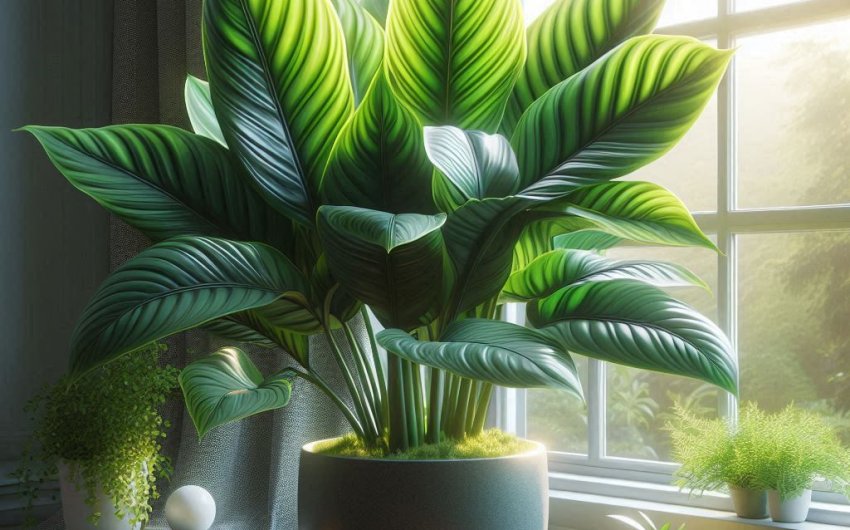
Many houseplant enthusiasts are drawn to the stunning foliage of Calathea species, with their intricate patterns and vibrant colors. A common question arises for those with less than ideal lighting conditions: can Calathea survive in low light environments? While often touted as low-light tolerant, truly understanding a Calathea's light needs is key to its long-term health, as mere survival differs significantly from genuine thriving. Discovering the nuances of their light preferences will help you provide the best possible care for these exquisite prayer plants.
What are Calathea's natural light conditions?
To understand whether Calathea can survive in low light, it's crucial to look at their natural habitat. Calatheas are part of the Marantaceae family, commonly known as prayer plants, and originate from the tropical rainforests of Central and South America. Their native environment provides specific light conditions that inform their ideal indoor care.
Where do Calatheas grow in the wild?
In their natural habitat, Calatheas grow as understory plants. This means they are found on the forest floor, beneath the dense canopy of much taller trees.
- Filtered Light: The towering trees above create a natural filter, allowing only dappled or filtered sunlight to reach the forest floor. They receive light that is bright but never direct or intense. Direct sun rays are mostly blocked by the canopy.
- Constant Shade (Not Deep Shade): While they grow in the shade of larger plants, this isn't the deep, dark shade you might find in a very dense corner indoors. It's a consistent, diffused brightness, often referred to as bright indirect light.
- Humidity: Along with filtered light, the rainforest floor provides exceptionally high humidity due to constant evaporation and dense vegetation. This humid environment is as critical to their well-being as the light levels.
This natural setting explains why Calatheas have evolved with large, thin leaves that are highly efficient at capturing the limited, filtered light available to them. It also explains their sensitivity to direct sun and their high humidity requirements.
What happens to Calathea in genuinely low light conditions?
While Calathea are often categorized as "low-light plants" by nurseries, this can be misleading. There's a significant difference between low light and the bright, indirect light they prefer. When placed in genuinely low light (dim conditions), Calatheas will not thrive, and you'll quickly notice signs of distress.
What are the signs of insufficient light in Calathea?
When a Calathea is not receiving enough light, its ability to photosynthesize effectively is hampered, leading to several tell-tale signs of stress.
- Loss of Vibrant Leaf Patterns/Colors: One of the most striking features of Calathea is their stunning, often intricate, leaf patterns and vibrant colors. In low light, the plant struggles to produce the necessary pigments, causing these patterns to fade or become dull. Variegated areas might turn green as the plant tries to maximize chlorophyll production.
- Leggy Growth and Smaller Leaves: The plant may become leggy, meaning its stems stretch out uncharacteristically long with sparse, widely spaced leaves. This is the plant's attempt to "reach" for a light source. New leaves will also be noticeably smaller than established ones and may emerge slowly or not at all.
- Stunted Growth: Overall, the plant's growth will be significantly stunted or may cease entirely. If your Calathea isn't putting out new leaves, or if its existing leaves aren't growing to their potential size, insufficient light is a likely culprit.
- Drooping Leaves (without watering issues): While drooping can also indicate over or underwatering, a Calathea in low light might consistently appear droopy, as it lacks the energy to hold its leaves upright, especially during the day.
- Leaves Turning Yellow or Brown: As the plant struggles to sustain existing foliage, it may begin to sacrifice older leaves, causing them to yellow and eventually turn brown and crispy before dropping off. This is a common sign of a plant trying to conserve energy.
These symptoms indicate that the Calathea is not simply "surviving" but actively struggling. Prolonged exposure to truly low light will eventually lead to the plant's decline and eventual death.
Why is "low light tolerant" often misunderstood for Calathea?
The common marketing phrase "low light tolerant" for Calathea can be quite misleading and contribute to the frequent struggles people have with these plants.
- Survival vs. Thriving: A plant might "tolerate" low light, meaning it won't die immediately, but it won't thrive either. Tolerance implies enduring unfavorable conditions, not flourishing in them. For Calathea, true thriving means vibrant colors, consistent new growth, and healthy foliage.
- Relative Term: "Low light" itself is a relative term. To a gardener experienced with sun-loving desert plants, a brightly lit room that never receives direct sun might be considered "low light." However, for a Calathea, that's their preferred bright indirect light. The deepest, darkest corner of a room, which many define as "low light," is typically too dim for a Calathea.
- Compromised Health: Placing a Calathea in genuinely low light will likely lead to the issues mentioned above: faded patterns, stunted growth, and a generally unhealthy appearance. While it might live for a while, it will be in a constant state of stress, making it more susceptible to pests and diseases.
- Prevention: Instead of aiming for "low light," think "medium to bright indirect light" for your Calathea. This usually means a spot where it receives plenty of ambient light but is never directly exposed to harsh sunbeams, especially afternoon sun. An east-facing window (which gets gentle morning sun), a few feet away from a south or west-facing window (with bright, filtered light), or under a high-quality grow light are far more suitable environments for these beautiful plants.
What are the ideal light conditions for Calathea to thrive?
For Calathea to truly flourish and display their magnificent foliage, replicating their preferred natural light conditions indoors is key. This isn't about deep shade; it's about consistent, gentle illumination.
What does "bright, indirect light" mean for Calathea?
The term "bright, indirect light" is the golden rule for most Calathea varieties, and understanding it is crucial for their success.
- Ambient Brightness: Imagine the light in a room that feels well-lit during the day, even without direct sunlight streaming in. This is the kind of ambient brightness a Calathea loves. It means the light rays are scattered and diffused, rather than concentrated and direct.
- No Direct Sun: Crucially, "indirect" means no direct sunbeams hitting the leaves, especially the harsh midday or afternoon sun. Direct sun will quickly scorch and bleach their delicate foliage, causing irreversible damage.
- Window Placement:
- North-facing window: Often ideal, providing consistent, gentle light throughout the day.
- East-facing window: Excellent, offering soft morning sun that is typically not too intense.
- South or West-facing window: Can work, but place the Calathea several feet away from the window, or use a sheer curtain to filter the intense direct light. The goal is to provide brightness without burning.
- Visual Cues: If you can comfortably read a book in the spot without turning on a light, it's likely bright enough. If you can clearly see the distinct shadow of your hand on a surface, there's likely too much direct light. For Calathea, you want a soft, indistinct shadow or no shadow at all.
Why do patterned Calathea need specific light?
The intricate and often vibrant patterns on Calathea leaves are not just for show; they are adapted for light absorption in their native habitat.
- Chlorophyll and Pigments: The green parts of the leaves contain chlorophyll, essential for photosynthesis. The lighter or colorful patterns on some Calathea leaves are due to other pigments or a lack of chlorophyll in those areas.
- Maximizing Light Capture: In their low-light rainforest understory, their broad, often colorful leaves are highly efficient at capturing diffused light. The patterns help scatter light within the leaf structure.
- Maintaining Coloration: To maintain these specific patterns and their vibrant colors, the plant needs sufficient energy from bright indirect light. In too low light, the plant will prioritize chlorophyll production over aesthetic pigments, leading to the fading or reversion of patterns to green as it struggles to photosynthesize. In too much light, the pigments can get bleached or burned.
- Prayer Plant Movement (Nyctinasty): Many Calathea species exhibit nyctinasty, or "prayer plant" movement, where their leaves fold up at night and unfurl during the day. This movement is influenced by light. In ideal light conditions, you'll observe this daily rhythm clearly. If the leaves stay curled or stay flat consistently, it could be a sign of improper lighting or other stress.
Providing consistent bright indirect light is fundamental for not only the survival but also the vibrant health and growth of your Calathea, allowing their stunning foliage to truly shine.
How can I provide adequate light for Calathea indoors?
Even if your home doesn't naturally offer a perfect bright, indirect light spot, there are several ways to provide adequate illumination for your Calathea indoors. Being proactive with light management can make all the difference in their health and vibrant appearance.
Can grow lights compensate for low natural light?
Yes, grow lights are an excellent solution to compensate for genuinely low natural light, or to provide supplemental light during darker winter months.
- Types of Grow Lights:
- LED Grow Lights: These are highly recommended for houseplants due to their energy efficiency, cool operation (reducing risk of burning leaves), and customizable light spectrums. Look for full-spectrum LED grow lights, which provide light across the entire spectrum needed for plant growth.
- Fluorescent Lights (e.g., T5 or T8 bulbs): While less efficient than LEDs, cool white or full-spectrum fluorescent lights can also provide good supplemental light, especially for smaller setups.
- Placement: Position the grow light appropriately. For most Calatheas, a distance of 1-2 feet from the light source is usually sufficient, but always check the manufacturer's recommendations for specific light intensity. Too close can burn leaves, too far can be ineffective.
- Duration: Provide 10-14 hours of grow light per day using a timer for consistency. This mimics their natural day-night cycle.
- Benefits: Grow lights ensure your Calathea receives consistent, adequate light, promoting vibrant colors, healthy new growth, and overall vigor, even if your home lacks natural bright spots. They are particularly useful during short, dark winter days.
What are some simple ways to adjust natural light?
Even without a dedicated grow light, you can manipulate natural light to better suit your Calathea.
- Sheer Curtains: Placing a sheer curtain over a south or west-facing window can effectively filter harsh direct sunlight, transforming it into the softer, diffused light that Calathea prefers. This is a simple and inexpensive solution.
- Placement Away from Windows: Instead of placing the Calathea directly in a window, move it a few feet back into the room. The intensity of light decreases dramatically with distance from the window, naturally creating an indirect light zone.
- Reflective Surfaces: White walls or light-colored furniture near your plant can help reflect and scatter available light, making the area brighter without direct sun.
- Rotation: While not directly increasing light, regularly rotating your Calathea (a quarter turn every week or two) ensures all sides of the plant receive even exposure to available light. This prevents it from leaning excessively towards the light source and promotes balanced growth.
Why is monitoring light conditions important?
Understanding and observing your Calathea's response to its lighting conditions is an ongoing process.
- Dynamic Light: Light levels can change throughout the year (seasonal variations, sun angles), throughout the day, and even due to external factors like new buildings or growing trees outside.
- Plant Communication: Your Calathea will tell you if its light needs are being met through its growth and foliage appearance.
- Signs of Too Much Light: Faded patterns, bleached spots, crispy brown edges.
- Signs of Too Little Light: Faded patterns, stunted or leggy growth, yellowing, constant drooping.
- Adjustments: Be prepared to move your plant or adjust lighting solutions as needed based on its feedback. A spot that was perfect in winter might be too bright in summer, and vice-versa.
By actively managing and observing their light environment, you can ensure your Calathea receives the precise illumination it needs, moving beyond mere survival to truly thriving with lush, vibrant foliage. This is key to preventing them from merely enduring in low light, and instead ensuring they flourish.