
How Do You Propagate a Jade Plant?
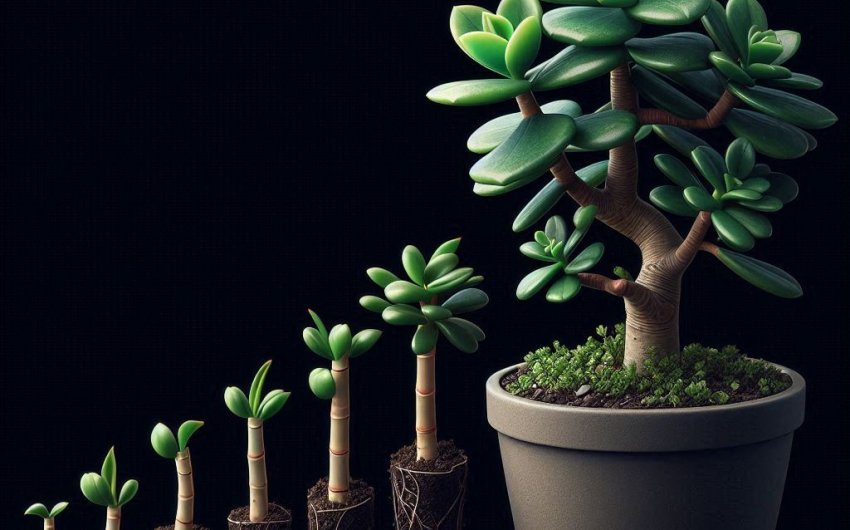
The jade plant (Crassula ovata) is a beloved succulent, cherished for its vibrant green, fleshy leaves and sturdy, tree-like stems that often develop a woody appearance with age. It's a popular choice for both beginner and experienced plant enthusiasts, known for its resilience and ability to thrive indoors with minimal fuss. Often associated with good luck and prosperity, a healthy jade plant can live for many decades, growing into an impressive, sculptural specimen that adds a touch of natural beauty to any home or office. Its distinctive appearance makes it a fascinating focal point, and its forgiving nature makes it a joy to care for.
One of the most appealing aspects of the jade plant is how incredibly easy it is to make new plants from existing ones. If you've ever wondered "how do you propagate a jade plant?", you're in for a delightful surprise. This succulent is remarkably generous, offering several straightforward methods to create more of these charming plants, whether from a single leaf or a larger stem cutting. This guide will walk you through the simple steps, providing all the tips and tricks you need to successfully multiply your jade plant collection, turning one into many to share with friends or expand your indoor jungle. Get ready to embark on a rewarding propagation journey!
Why Propagate Your Jade Plant?
Propagating your jade plant is not only incredibly easy but also offers a multitude of benefits. It's a fun and rewarding way to expand your plant collection, share with others, or simply rejuvenate an older plant. If you're asking "how do you propagate a jade plant?", you're on the path to some sweet gardening success.
What are the Benefits of Jade Plant Propagation?
- Free Plants! The most obvious benefit is that you can create new jade plants without spending any money. This is perfect for expanding your own collection or for sharing with friends and family. A newly propagated jade plant makes a thoughtful and personal gift.
- Rejuvenate Older Plants: As jade plants age, they can sometimes become leggy (long, stretched-out stems) or lose their compact shape. Propagating allows you to prune back leggy sections and use those cuttings to start fresh, shapely new plants. It's like giving your plant a fresh start.
- Share with Others: Jade plants are often seen as symbols of good luck and friendship. Propagating them is a wonderful way to spread that good fortune and connect with other plant lovers. A small gift pot can make your new plant even more special.
- Learn and Practice Gardening Skills: Propagation is a fundamental gardening skill. Successfully propagating a jade plant builds confidence and teaches you about plant growth, root development, and patience. It's a very forgiving plant for learning.
- Backup Plants: If something were to happen to your main jade plant, having a few propagated "backup" plants ensures you don't lose your beloved specimen entirely.
What Makes Jade Plants So Easy to Propagate?
Jade plants are succulents, and like many succulents, they have a natural ability to store water in their leaves and stems. This trait makes them incredibly resilient and perfect for propagation.
- Succulent Nature: Their fleshy leaves and stems contain enough stored water to sustain them while they are developing roots. This means they can survive for weeks or even months without being fully rooted, unlike many other plants that would wilt quickly.
- Adventitious Roots: Jade plants have the ability to form adventitious roots. This means they can grow roots from non-root tissue, such as a stem or even a single leaf, when given the right conditions. This inherent genetic programming makes propagation straightforward.
- Resilience: They are generally tough plants that can withstand a bit of stress, including the stress of being cut or separated for propagation.
This combination of water storage, root-forming ability, and hardiness makes asking "how do you propagate a jade plant?" a query with very easy answers.
When is the Best Time to Propagate Jade Plants?
While jade plants are forgiving and can often be propagated successfully any time of year, the best time is during their active growing season.
- Spring and Summer: This is when jade plants are putting out the most new growth. The warmer temperatures and longer daylight hours encourage faster rooting and stronger growth in your new propagations. The plants are naturally more vigorous.
- Avoid Winter: During fall and winter, jade plants typically slow down their growth and may enter a period of dormancy. While propagation can still work, it will be much slower, and the success rate might be lower. The cuttings will take longer to root, and might be more prone to rot in cool, damp conditions.
- Anytime After Pruning: If you're pruning your jade plant to shape it or remove leggy sections, those cuttings are perfect for propagation, regardless of the season. Just be aware that winter cuttings might take longer to root.
Aiming for spring or early summer will give you the fastest and most reliable results when you ask "how do you propagate a jade plant?".
What Methods Can I Use to Propagate a Jade Plant?
The exciting news is that the jade plant is remarkably versatile when it comes to propagation. You can start new plants from a single leaf or from a stem cutting, giving you options based on what you have available and your patience level. Both methods are quite straightforward, making jade plant propagation highly successful.
How Do I Propagate from Leaf Cuttings?
Propagating from leaf cuttings is a fascinating and highly successful method for jade plants, though it's a bit slower than stem cuttings. It's amazing to see a whole new plant emerge from just one leaf!
- Select a Healthy Leaf: Choose a plump, healthy leaf from your existing jade plant. Gently twist or cut the leaf off the stem. Make sure the leaf comes off cleanly from the main stem, ideally with no part of the stem still attached, but also with no part of the leaf torn off. The point where the leaf was attached (the "callus point") is where new roots and a baby plant will form. Use clean gardening snips if you don't want to twist.
- Callus the Leaf: This is a crucial step! Place the detached leaf in a dry spot with good air circulation, out of direct sunlight, for 3-7 days (or up to two weeks). The cut end needs to dry and form a protective callus. This prevents rot when the leaf is placed on soil. It's similar to how you would prepare a succulent for planting.
- Place on Soil: Once a callus has formed, lay the leaf flat on top of a well-draining succulent potting mix or cactus potting mix. You can also slightly push the callused end into the soil.
- Provide Light & Minimal Water: Place the pot in a bright spot with indirect light. Lightly mist the soil around the leaf every few days, or when the soil is completely dry. You don't want the leaf to be constantly wet, as this will lead to rot. The mother leaf will provide the moisture.
- Patience for Roots and Baby Plants: After a few weeks to a few months, you will see tiny pink roots emerging from the callused end, followed by tiny new leaves. The mother leaf will eventually shrivel and fall off, providing nutrients to the new baby plant.
- Transplant: Once the new plant is a few inches tall and has a good root system, you can carefully transplant it into its own small pot.
How Do I Propagate from Stem Cuttings?
Propagating from stem cuttings is generally faster than leaf propagation and often results in larger, more established new plants more quickly.
- Take a Cutting: Choose a healthy stem segment at least 3-6 inches long. Cut it cleanly using sharp, clean pruning shears. Make the cut just below a leaf node (the point where leaves grow from the stem), as this is where roots are most likely to form. Remove the lower leaves from the bottom 1-2 inches of the stem to expose the nodes.
- Callus the Cutting: Just like with leaves, this step is vital. Place the stem cutting in a dry spot with good air circulation, out of direct sunlight, for 3-7 days (or up to two weeks). The cut end needs to dry and form a protective callus. This prevents rot.
- Plant in Soil: Once callused, insert the bottom 1-2 inches of the cutting into a well-draining succulent potting mix. You can use a small plant propagation station if you are propagating multiple cuttings.
- Optional Rooting Hormone: You can dip the callused end in rooting hormone powder before planting to encourage faster root development, though it's not strictly necessary for jade plants.
- Provide Light & Minimal Water: Place the pot in a bright spot with indirect light. Water very sparingly, only when the soil is completely dry. The stem cutting has stored water, so it can survive without much watering during the rooting phase. Overwatering will lead to rot.
- Test for Roots: After 2-4 weeks (or longer), gently tug on the cutting. If you feel resistance, it has developed roots.
- Begin Regular Watering: Once rooted, you can gradually increase watering, treating it like a young jade plant.
Can I Propagate Jade Plants in Water?
While some succulents can be propagated in water, it is generally not recommended for jade plants.
- Risk of Rot: Jade plants are very prone to rot when exposed to excessive moisture, and sitting in water for extended periods makes them highly susceptible.
- Weaker Roots: Roots that develop in water are often "water roots" – finer and less adapted to soil. When you eventually transfer the cutting to soil, these roots can struggle to adapt, leading to transplant shock. It's much more reliable and healthier for the plant to propagate jade plants directly into a well-draining soil mix after callusing. This sets them up for success in their permanent environment.
What Supplies Do I Need for Jade Plant Propagation?
Gathering the right tools and materials before you start propagating your jade plant will make the process smooth and enjoyable. Thankfully, you don't need many specialized items, making jade plant propagation a very accessible hobby.
What Cutting Tools and Containers are Best?
- Sharp, Clean Pruning Shears or Knife: For taking stem cuttings. It's crucial that your tool is sharp to make a clean cut and clean (disinfected with rubbing alcohol or a bleach solution) to prevent introducing diseases to your plant. A good pair of plant pruning shears is invaluable for general plant care.
- Small Pots or Trays:
- For leaf propagation, shallow trays or small pots (2-4 inches) are ideal. You can lay multiple leaves on the same tray.
- For stem cuttings, individual small pots (3-4 inches) work well, or you can group a few cuttings in a larger shallow pot.
- Drainage Holes: Regardless of the container type, it is essential that all pots have drainage holes at the bottom. This cannot be stressed enough for succulents like jade plants. Without proper drainage, your cuttings will likely rot.
What Kind of Soil is Right for Jade Cuttings?
The right soil mix is critical for successful jade plant propagation. It must provide excellent drainage to prevent rot.
- Succulent/Cactus Potting Mix: This is the ideal choice. It's specifically formulated to drain quickly and dry out faster than regular potting soil. You can buy cactus potting mix from any garden center.
- DIY Mix: If you can't find a succulent mix, you can make your own by mixing regular potting soil with gritty amendments like:
- Perlite: Light, porous volcanic rock that improves drainage and aeration.
- Pumice: Similar to perlite but heavier and often preferred by some growers.
- Coarse Sand: Horticultural sand (not play sand or beach sand). A common DIY mix is 1 part regular potting soil, 1 part perlite, and 1 part coarse sand. A bag of perlite is a versatile amendment for many plants.
Are Rooting Hormones Necessary?
Rooting hormones are substances that contain auxins, plant hormones that stimulate root development.
- Not Necessary, But Can Help: For jade plants, rooting hormone is not strictly necessary because they root quite easily on their own. Many successful propagations happen without it.
- Benefits: However, using a rooting hormone powder can sometimes speed up the rooting process and increase the success rate, especially if conditions aren't ideal or if you want extra assurance.
- How to Use: After callusing, simply dip the callused end of your leaf or stem cutting into the rooting hormone powder before inserting it into the soil. Tap off any excess.
Having these supplies ready will make your jade plant propagation journey much smoother and more successful.
What Are the Key Steps for Successful Jade Plant Propagation?
Once you have your tools and materials ready, the actual propagation process for a jade plant is quite simple. Following these steps, especially the crucial callusing stage, will maximize your chances of success and lead to healthy new plants. This answers "how do you propagate a jade plant?" in detail.
Step 1: Taking the Cutting (Leaf or Stem)
- For Leaf Cuttings:
- Gently twist or carefully cut a healthy, plump leaf from the main stem of your jade plant.
- Ensure you get a clean break at the point where the leaf meets the stem. This "heel" area is critical for root development.
- Avoid tearing the leaf or leaving part of it on the main plant.
- For Stem Cuttings:
- Identify a healthy, mature stem section that is at least 3-6 inches long.
- Using sharp, clean pruning shears or a knife, make a clean cut just below a leaf node (the bump on the stem where a leaf or branch grows).
- Remove any leaves from the bottom 1-2 inches of the cutting to expose the nodes, as this is where the new roots will emerge.
Step 2: Callusing the Cutting (Crucial Step!)
This is the most important step for both leaf and stem cuttings to prevent rot.
- Dry Place: Place your leaf or stem cuttings in a dry spot with good air circulation. A windowsill out of direct sun, a clean tray, or even just sitting on a counter works well.
- Wait for Callus: Allow the cut end to dry and form a protective scab or callus. This usually takes 3-7 days, but can take up to two weeks, especially for thicker stem cuttings or in humid environments. The cut end should look dry and slightly hardened.
- Why it's important: The callus acts as a seal, preventing water from entering the cutting and causing rot once it's introduced to moisture. Skipping this step is a common reason for propagation failure.
Step 3: Planting the Cutting
- Prepare Soil: Fill your small pots or trays with a well-draining succulent potting mix. Lightly moisten the soil (just barely damp, not wet).
- Plant Leaf Cuttings: Lay the callused leaf flat on top of the soil, or gently press the callused end into the soil (just enough for contact). You can place several leaves on one tray, but leave a little space between them.
- Plant Stem Cuttings: Insert the callused end of the stem cutting about 1-2 inches deep into the prepared soil. If using rooting hormone, dip the callused end in the powder first, tapping off excess. Gently firm the soil around the base of the cutting to hold it upright.
- Placement: Place the pots in a spot that receives bright, indirect light. Avoid direct, harsh sunlight, especially in the initial stages. A good plant grow light for succulents can provide ideal conditions.
Step 4: Watering and Care During Rooting
This is where patience is key, and less is often more when it comes to water.
- Minimal Watering: For both leaf and stem cuttings, water very, very sparingly during the rooting phase.
- Leaves: Lightly mist the soil around the leaf only when the soil is completely dry. The mother leaf has enough stored water to sustain the baby plant initially.
- Stems: Only water when the soil has completely dried out. The stem also holds stored water. Overwatering at this stage is the primary cause of rot.
- Test for Roots (Stem Cuttings): After 2-4 weeks (or longer for some), you can gently tug on the stem cutting. If you feel resistance, it means roots have formed. You might also see tiny white roots emerging from the drainage holes.
- Signs of Growth (Leaf Cuttings): For leaf cuttings, you'll first see tiny pink or white roots, then a miniature new jade plant forming at the callused end. The mother leaf will slowly shrivel and die as it transfers its energy to the new plant.
Step 5: Transplanting and Ongoing Care
Once your new jade plants have developed a good root system and are showing steady new growth, they are ready for their own pots.
- Transplanting: Carefully lift the new plant(s) with a spoon or small trowel, trying not to disturb the delicate new roots. Plant them into their own small pots (e.g., 2-4 inch pots) filled with fresh succulent potting mix. Plant at the same depth they were previously growing.
- Regular Watering (Gradually): Once established in their new pots, you can transition to regular jade plant watering, which means watering thoroughly when the soil is completely dry (using the finger test).
- Light and Location: Continue to provide bright, indirect light.
- Patience: Remember that jade plants grow relatively slowly. Be patient, and your small cuttings will eventually grow into beautiful, mature jade plants. You might also invest in a small indoor watering can for precise watering of newly potted plants.
By following these detailed steps, you'll confidently answer "how do you propagate a jade plant?" and soon have a thriving collection!