
What Are the Common Pests and Problems for Chinese Evergreen?
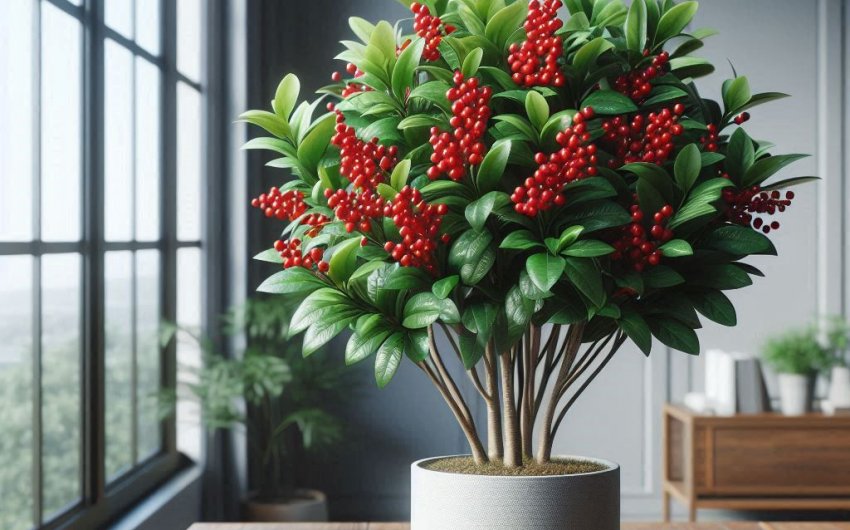
The Chinese Evergreen (Aglaonema) is a beloved houseplant, and for good reason. Renowned for its stunning variegated foliage, vibrant colors (from deep green to silver, pink, and red), and remarkable tolerance for a range of indoor conditions, it's often hailed as one of the easiest plants to care for. Its ability to thrive even in lower light makes it a popular choice for homes and offices alike, adding a touch of lush, tropical beauty without demanding constant attention. However, even the most resilient plants aren't entirely immune to issues.
While Aglaonemas are generally fuss-free, they can occasionally encounter problems that impact their health and appearance. Understanding what are the common pests and problems for Chinese Evergreen is key to quickly diagnosing issues and providing effective solutions. This guide will walk you through the typical challenges you might face, helping you keep your beautiful Chinese Evergreen healthy, vibrant, and problem-free for years to come. Don't worry; most issues are easily fixed with a little knowledge!
What Are the Most Common Pests for Chinese Evergreen?
Even though Chinese Evergreens are quite resilient, they're not entirely immune to insect invaders. Knowing what are the most common pests for Chinese Evergreen is the first step in protecting your plant. Early detection and swift action are crucial for preventing an infestation from taking hold and causing significant damage. These tiny creatures often hide, so regular inspection is vital.
How Do You Identify and Treat Insect Infestations?
To identify and treat insect infestations on your Chinese Evergreen, you need to know what to look for and have a plan of action.
1. Mealybugs: These are one of the most common and easily recognizable pests.
1. Mealybugs: These are one of the most common and easily recognizable pests.
- Identification: Look for small, soft-bodied insects covered in a white, cottony, waxy substance. They often cluster in leaf axils (where the leaf meets the stem), on the undersides of leaves, or along the veins. They also leave behind sticky residue called “honeydew.”
- Damage: They suck sap from the plant, causing leaves to yellow, distort, or drop. Heavy infestations can significantly stunt growth and weaken the plant.
- Treatment:
- Isolate: Immediately move the infested plant away from other houseplants.
- Manual Removal: For light infestations, dab mealybugs directly with a cotton swab dipped in rubbing alcohol. The alcohol dissolves their waxy coating.
- Insecticidal Soap/Neem Oil: For widespread infestations, spray the entire plant thoroughly (top and bottom of leaves, stems) with an insecticidal soap spray or a neem oil solution like Garden Safe Brand Neem Oil Extract. Repeat every 5–7 days for several weeks to break the life cycle.
2. Spider Mites: These are tiny arachnids (not insects) that are very difficult to see with the naked eye.
- Identification: Look for very fine webbing, especially on the undersides of leaves and in leaf axils. Leaves may appear speckled, stippled, or dull, turning yellow or bronze. Shake a leaf over white paper — if you see red or brown specs moving slowly, they’re spider mites.
- Damage: They suck sap, causing leaves to lose chlorophyll, look unhealthy, and eventually drop.
- Treatment:
- Isolate: Move the plant away from others.
- Increase Humidity: Spider mites hate humidity. Use a humidifier or group plants together.
- Hose Down: Spray strong water jets (e.g., in the shower) to dislodge mites — especially the undersides of leaves.
- Insecticidal Soap/Neem Oil: Spray thoroughly as with mealybugs. Repeat every 3–5 days for several weeks until mites are gone.
3. Scale Insects: These pests can be tricky because they often look like small, immobile bumps on stems and leaves.
- Identification: Small, oval-shaped bumps (brown, black, or white) stuck to stems or leaf veins. They also produce sticky honeydew.
- Damage: They suck sap, causing yellowing, stunted growth, and weakening of the plant.
- Treatment:
- Isolate: Move the plant away from others.
- Manual Removal: Scrape them off with your fingernail or a soft brush, or dab with a cotton swab dipped in rubbing alcohol. Be persistent.
- Insecticidal Soap/Neem Oil: Follow up with sprays, as their waxy shell makes them harder to penetrate. Repeat frequently.
4. Fungus Gnats: These are more of a nuisance than a severe threat to mature plants.
- Identification: Small, dark, mosquito-like flies around the soil surface or flying near the plant. Their larvae live in the soil and feed on decaying organic matter and sometimes fine root hairs.
- Damage: Larvae can damage roots of young or weak plants, but they mostly indicate overwatering.
- Treatment:
- Address Overwatering: Allow the top 1–2 inches of soil to dry out completely between waterings.
- Sticky Traps: Place yellow sticky traps like Gideal Yellow Sticky Traps to catch adults.
- BTI (Bacillus thuringiensis israelensis): Use mosquito dunks or bits containing BTI in your watering can. It targets gnat larvae without harming your plant or beneficial insects.
Regular inspection is your best defense. Checking your plant thoroughly (especially undersides of leaves) every week will help you catch these common pests early, making treatment much easier and preventing major damage to your Chinese Evergreen.
What Are Common Watering Problems?
For Chinese Evergreens, just like many other houseplants, watering problems are frequently the primary cause of distress and visible symptoms like yellowing or drooping leaves. While these plants are known for being somewhat forgiving, they still have specific needs regarding moisture that, if not met, can quickly lead to health issues. Getting your watering routine right is fundamental.
How Do Overwatering and Underwatering Affect Chinese Evergreen?
Both overwatering and underwatering can severely affect your Chinese Evergreen, leading to similar-looking symptoms (like yellowing leaves) but with entirely different underlying causes.
1. Overwatering (The Most Common Issue):
- How it happens: This occurs when the plant is watered too frequently, or the soil doesn't drain well, causing the roots to sit in constantly soggy, oxygen-deprived conditions.
- Impact: Roots need oxygen to "breathe" and absorb water and nutrients. In waterlogged soil, they suffocate and begin to rot (root rot). Decaying roots cannot function, leading to the plant effectively dehydrating and starving, even though it's surrounded by water.
- Signs on Chinese Evergreen:
- Yellowing leaves: Often starts with older, lower leaves, which may turn uniformly yellow or develop brown, mushy spots.
- Mushy stems: The base of the plant may feel soft and mushy if root rot is severe.
- Wilting/Drooping: Leaves may look limp and lifeless, despite the soil being wet. This is often confusing for new plant parents who think it needs more water.
- Stunted growth: New leaves stop appearing or are very small.
- Foul smell from soil: A rotten, sour smell indicates anaerobic conditions and root decay.
- Fungus gnats: Small flying insects often associated with overly moist soil.
- Solution:
- Check Soil Before Watering: Always stick your finger 2-3 inches deep into the soil. Only water if it feels dry at that depth.
- Ensure Drainage: Use a pot with drainage holes and a well-draining potting mix. Never let the pot sit in standing water.
- Repot (if severe): If root rot is suspected, gently unpot the plant, inspect the roots, trim off any mushy, black, or smelly roots with sterile scissors, and repot into fresh, dry, well-draining soil. Hold off watering for a few days after repotting.
2. Underwatering (Less Common but Still Problematic):
- How it happens: The plant is not watered frequently enough, and the soil dries out completely and stays dry for too long.
- Impact: The plant cannot access the water it needs to support its cell structure and physiological processes. It goes into survival mode, shedding leaves to conserve moisture.
- Signs on Chinese Evergreen:
- Yellowing leaves: Often appears on older leaves, sometimes with crispy brown edges or tips. The yellowing might look more like an overall fading rather than a deep yellow.
- Crispy, dry leaves: Leaves will feel brittle and dry to the touch, unlike the mushiness of overwatered leaves. They might curl inwards.
- Drooping: The entire plant might look limp, and the soil will be bone dry, often pulling away from the pot's edges.
- Slowed or stopped growth: The plant won't put out new leaves.
- Solution:
- Water Thoroughly: When you water, give the plant a deep, complete soak until water drains from the bottom.
- Bottom Watering (for very dry soil): If the soil is extremely dry and compacted, place the pot in a shallow basin of water for 30 minutes to an hour to allow the soil to rehydrate from the bottom up.
- Adjust Frequency: Increase your watering frequency, especially during warmer, brighter months.
By learning to distinguish between these two very different watering issues and adjusting your habits accordingly, you can maintain the ideal moisture level for your Chinese Evergreen, preventing leaf discoloration and ensuring robust, healthy growth.
What Are the Environmental Stress Factors?
Beyond pests and watering, the surrounding environment plays a significant role in your Chinese Evergreen's health. Environmental stress factors can cause a Chinese Evergreen to show signs of distress, including leaf discoloration, even if watering seems correct. Understanding these elements helps create an optimal living space for your plant.
How Do Light, Temperature, and Humidity Impact Leaf Health?
1. Light (Too Little or Too Much):
- Ideal Light: Chinese Evergreens are renowned for their tolerance of lower light conditions, but they truly thrive and display their best colors in medium to bright, indirect light. Direct, harsh sunlight can scorch their leaves.
- Too Little Light:
- Impact: Insufficient light means the plant cannot photosynthesize enough energy. It will conserve energy by shedding older leaves. For variegated varieties, the vibrant colors (pink, red, silver) can fade, becoming more muted green.
- Signs: Yellowing of lower, older leaves; fading of variegation; stunted or leggy growth (stems stretching).
- Solution: Move your plant to a brighter spot. An east-facing window is ideal, or a few feet away from a south or west-facing window, ensuring no direct sun hits the leaves for extended periods. If your room is very dim, a grow light can provide supplemental light.
- Too Much Light (Direct Sunburn):
- Impact: Direct, intense sunlight (especially hot afternoon sun) can burn the leaves, causing tissue damage.
- Signs: Yellowing patches or bleached spots on leaves, which then turn brown and crispy. This typically occurs on the leaves directly exposed to the sun.
- Solution: Move the plant further away from the window or use a sheer curtain to diffuse the light.
2. Temperature Fluctuations and Cold Drafts:
- Ideal Temperature: Chinese Evergreens are tropical plants and prefer stable, warm temperatures, ideally between (18^\circ \text{C}) to (29^\circ \text{C}) ((65^\circ \text{F}) to (85^\circ \text{F})).
- Impact: Sudden, drastic drops in temperature, prolonged exposure to cold (below (13^\circ \text{C}) or (55^\circ \text{F})), or consistent cold drafts can shock the plant.
- Signs: Yellowing leaves that may turn black or brown and become mushy. Leaves can drop suddenly. This is often more dramatic and widespread than yellowing from watering issues.
- Solution: Place your plant away from drafty windows, external doors, and heating or air conditioning vents. Protect it from cold when transporting it, especially in winter.
3. Humidity:
- Ideal Humidity: While Aglaonemas are tolerant, they do appreciate moderate to high humidity, as they come from humid jungle environments.
- Impact: Extremely low humidity (common in heated homes during winter) can cause stress, making leaves susceptible to crisping at the edges or tips. This can sometimes lead to overall yellowing if prolonged and severe, or make the plant more prone to pests like spider mites.
- Signs: Crispy, brown leaf tips or edges, dull appearance, increased spider mite presence.
- Solution: Increase humidity around your plant. Use a humidifier (like a LEVOIT Humidifier for Bedroom), group plants together, or place the pot on a pebble tray with water.
By understanding these environmental preferences and adjusting accordingly, you can significantly reduce stress on your Chinese Evergreen, promoting healthy foliage and preventing those frustrating yellow leaves.
What Are Nutrient and Potting-Related Problems?
Beyond the daily care and environmental factors, issues related to your Chinese Evergreen's nutrient supply and its physical pot can also cause problems, including yellowing leaves. These factors often manifest more slowly or subtly but can be just as detrimental to the plant's long-term health. Understanding nutrient and potting-related problems helps complete your diagnostic toolkit.
How Do Fertilizer Issues, Soil Compaction, and Pot Size Impact Chinese Evergreen?
1. Nutrient Deficiencies:
- Impact: Plants need a balanced supply of macro- and micronutrients to produce chlorophyll (the green pigment) and support overall growth. If a specific nutrient is lacking in the soil, the plant cannot properly form new tissues or maintain existing ones, leading to discoloration.
- Nitrogen (N) Deficiency: Nitrogen is crucial for lush green foliage. A lack often causes overall yellowing of older, lower leaves, as the plant moves mobile nitrogen to support new growth.
- Other Deficiencies: Deficiencies in other nutrients (e.g., iron, magnesium) can cause interveinal chlorosis (yellowing between the leaf veins while the veins remain green), usually on newer leaves.
- Signs: Specific patterns of yellowing, pale leaves, stunted growth.
- Solution: Fertilize your Chinese Evergreen during its active growing season (spring and summer) with a balanced liquid houseplant fertilizer (e.g., 5-5-5 or 10-10-10 N-P-K). Always dilute to half strength. Avoid fertilizing in fall and winter when growth slows. A high-quality houseplant fertilizer like Liqui-Dirt Nano Plant Food can provide a good nutrient boost.
2. Over-fertilization (Nutrient Excess / Fertilizer Burn):
- Impact: Too much fertilizer can lead to an accumulation of mineral salts in the soil. These salts can "burn" the roots, preventing them from absorbing water even when the soil is moist. This causes a type of physiological drought.
- Signs: Yellowing leaves often accompanied by brown, crispy edges or tips. A white, crusty buildup on the soil surface or pot rim. The plant may appear wilted despite moist soil.
- Solution: If you suspect over-fertilization, flush the soil thoroughly. Place the pot in a sink and slowly pour a large volume of plain water (2-3 times the pot's volume) through the soil to wash away excess salts. Let it drain completely. Repeat this flushing process a few times over the next week or two, and hold off on fertilizing for a month or two.
3. Soil Compaction and Old Potting Mix:
- Impact: Over time, potting mix can break down and become compacted. This reduces the crucial air pockets in the soil, leading to poor drainage and limited oxygen for the roots, mimicking overwatering issues. Old soil also becomes depleted of nutrients.
- Signs: Slowed growth, soil that stays wet for too long or dries out unevenly, difficulty for water to penetrate, general lack of vigor.
- Solution: Repot your Chinese Evergreen every 1-2 years into fresh, airy, well-draining potting mix. This rejuvenates the soil, restores aeration, and provides new nutrients.
4. Incorrect Pot Size (Too Large or Too Small):
- Impact:
- Pot too large: Holds too much soil and moisture that the plant's roots cannot fully utilize, leading to perpetually soggy conditions and increased risk of root rot.
- Pot too small (root-bound): If the roots have completely filled the pot and are circling densely, they become restricted and cannot efficiently absorb water or nutrients. This causes stunted growth and yellowing leaves due to nutrient and water deprivation.
- Signs:
- Too large: Soil takes too long to dry out, plant growth is slow.
- Too small: Roots growing out of drainage holes, plant tipping over easily, very slow growth, wilting soon after watering.
- Solution:
- For too large a pot: If the plant is struggling, carefully repot into a smaller, more appropriately sized pot with fresh soil.
- For too small a pot: Repot into a container that is only one or two sizes larger. Gently loosen circling roots before repotting.
By paying attention to these nutrient and potting-related factors, you can prevent insidious issues that lead to yellowing leaves and ensure your Chinese Evergreen remains a lush, healthy, and problem-free part of your indoor garden.