
How Do You Fertilize a Phalaenopsis Orchid?
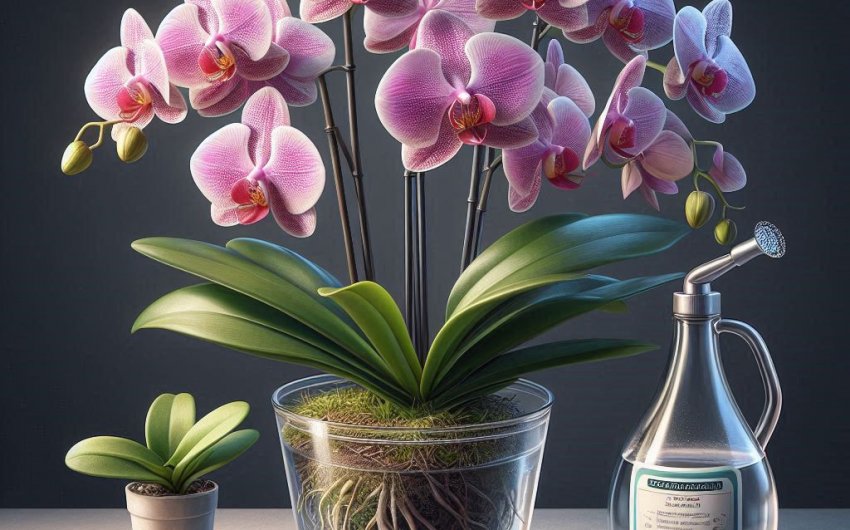
Among the dazzling array of houseplants, the Phalaenopsis orchid, often simply called the "moth orchid," stands out as a true jewel. With its elegant arching stems adorned with gracefully shaped flowers that resemble butterflies in flight, it's no wonder these orchids have become a staple in homes and offices alike. Their long-lasting blooms, available in an astonishing spectrum of colors and patterns, bring an exotic touch and sophisticated beauty to any indoor space. What many new orchid enthusiasts discover is that once you understand a few key care principles, getting a Phalaenopsis to rebloom is surprisingly achievable, proving they aren't as delicate as their exquisite appearance might suggest.
Beyond providing the right light and watering carefully, one of the most crucial, yet often misunderstood, aspects of Phalaenopsis orchid care is fertilization. While they don't need heavy feeding, providing the correct balance of nutrients at the right time is absolutely essential for strong root development, healthy foliage, and, most importantly, those coveted reblooms. In their natural habitat, orchids are epiphytes, meaning they grow on trees rather than in soil, receiving very dilute nutrients from decaying organic matter washed down by rain. Replicating this delicate balance in a pot is key to their long-term vitality.
This guide will demystify the process of fertilizing your Phalaenopsis orchid. We'll delve into understanding their unique nutritional needs, selecting the best types of orchid fertilizers, and mastering the art of application to avoid common pitfalls. By learning how to properly nourish your moth orchid, you'll empower it to grow vigorously and consistently produce its breathtaking display of flowers, transforming your home with its tranquil, living beauty. Get ready to unlock the secrets to vibrant orchid health and spectacular reblooms.
Why Does My Phalaenopsis Orchid Need Fertilizer?
Understanding why your Phalaenopsis orchid needs fertilizer is crucial to providing it with the correct care. Orchids in pots have different needs than those in the wild.
How Do Orchids Get Nutrients in Nature?
In their natural habitat, most Phalaenopsis orchids are epiphytes. This means they grow attached to trees (not as parasites, but using the trees for support), not in soil.
- Dilute nutrients: They absorb nutrients from very dilute sources. Rainwater washes decaying organic matter (leaves, bark, bird droppings) down the tree, and the orchid's specialized aerial roots absorb these tiny amounts of nutrients.
- Constant, low-level feeding: It's a continuous, very weak "feeding" rather than infrequent, heavy doses. When we grow them in pots, we need to try and mimic this natural, low-dose feeding environment.
Do Orchid Potting Mixes Provide Nutrients?
Unlike regular potting soil, orchid potting mixes are typically made of bark chips, sphagnum moss, or charcoal.
- Very few nutrients: These mixes provide very little, if any, nutrients on their own. Their purpose is primarily to provide aeration, drainage, and support for the roots, not nutrition.
- Breakdown over time: As bark breaks down, it actually uses up nitrogen from the environment to aid its decomposition, a process called nitrogen draw-down. This means the potting mix can effectively "steal" nitrogen that your orchid needs. Because the potting mix offers so little, regular fertilization is essential for Phalaenopsis orchids to thrive in cultivation.
What Nutrients Do Orchids Need?
Like all plants, orchids need macronutrients and micronutrients.
- Macronutrients: These are needed in larger amounts. The most important ones are:
- Nitrogen (N): Essential for healthy leaf and stem growth.
- Phosphorus (P): Crucial for strong roots and, importantly, for flowering.
- Potassium (K): Helps with overall plant vigor, water uptake, and disease resistance. These three are represented by the N-P-K ratio on fertilizer labels (e.g., 20-20-20).
- Micronutrients: These are needed in smaller amounts but are still vital for plant health. Examples include calcium, magnesium, iron, zinc, and boron. Most good orchid fertilizers will include a blend of these.
What Happens if a Phalaenopsis Orchid Doesn't Get Enough Nutrients?
If your Phalaenopsis orchid doesn't get enough nutrients, it will show signs of distress and will likely not rebloom.
- Stunted growth: Leaves might be small, and the plant won't grow vigorously.
- Yellowing leaves (chlorosis): Especially older leaves may turn yellow, indicating a nitrogen deficiency.
- Lack of flowering: The plant may not produce flower spikes, or the blooms may be small and short-lived.
- Weak roots: Roots may be thin, brown, or mushy, instead of plump and green/silver.
- Increased susceptibility to pests and diseases: An underfed plant is generally weaker and more vulnerable. These symptoms tell you your orchid is hungry and needs a nutritional boost to flower properly.
What Kind of Fertilizer is Best for Phalaenopsis Orchids?
Choosing the right fertilizer for your Phalaenopsis orchid is key. It's about selecting a product designed for their unique needs and how they absorb nutrients.
What NPK Ratio is Best for Phalaenopsis?
For Phalaenopsis orchids, a balanced fertilizer or one slightly higher in phosphorus is generally recommended.
- Balanced N-P-K (e.g., 20-20-20, 10-10-10): This is a great all-around choice for promoting overall health and growth. Many orchid enthusiasts use a balanced formula year-round.
- "Bloom Booster" (Higher Phosphorus): Some growers switch to a fertilizer with a higher middle number (e.g., 10-30-20) when they want to encourage flowering. This provides an extra boost of phosphorus, which is vital for bloom production. However, it's not essential to use two different formulas; a balanced one often works perfectly fine.
- Urea-Free: It's crucial to look for urea-free orchid fertilizers. Urea nitrogen needs to be converted by soil bacteria into a usable form, which is difficult in bark-based orchid mixes. Non-urea nitrogen sources are more readily available to orchids. Many orchid fertilizers will specifically state "urea-free."
Should I Use Liquid or Granular Fertilizer?
For Phalaenopsis orchids, liquid fertilizers are almost always preferred over granular ones.
- Liquid Fertilizers:
- Pros: Easy to dilute to very weak strengths (essential for orchids), immediate nutrient availability, easy to control the dosage.
- Cons: Need to be applied more frequently.
- Best for Phalaenopsis: Allows for the frequent, very dilute feeding that mimics their natural environment.
- Granular (Slow-Release) Fertilizers:
- Pros: Release nutrients slowly over time, so you apply less often.
- Cons: Much harder to control the exact dosage, can lead to uneven nutrient release, and the salts can build up in bark media, causing root burn. Generally not recommended for orchids.
What About Cal-Mag Supplements?
Many commercial orchid fertilizers include micronutrients, but sometimes a separate calcium (Ca) and magnesium (Mg) supplement can be beneficial, especially if your water source is very soft (low in minerals).
- Calcium: Important for cell wall strength and overall plant structure.
- Magnesium: A key component of chlorophyll, essential for photosynthesis. If your orchid fertilizer doesn't explicitly state it contains these, or if your plant shows signs of deficiency (e.g., pale, yellowing leaves despite adequate nitrogen), a cal-mag supplement can be used occasionally. Look for a cal-mag supplement for plants at a garden store.
What About Organic Fertilizers for Orchids?
While popular for other plants, organic fertilizers like fish emulsion or compost tea can be tricky for Phalaenopsis orchids growing in bark media.
- Decomposition: Organic fertilizers often rely on soil microbes to break down nutrients, which are less active in sterile bark mixes.
- Odor: Some organic options can have an unpleasant odor indoors.
- Residue: They can leave behind a residue that encourages algae or fungal growth in the pot. For these reasons, most orchid growers stick to soluble synthetic orchid fertilizers. If you choose an organic option, ensure it's specifically formulated and tested for orchids.
When Should You Fertilize Your Phalaenopsis Orchid?
Timing is crucial when it comes to fertilizing your Phalaenopsis orchid. It's not a year-round, constant process; it should align with the orchid's growth cycles.
When is the Active Growing Season?
The active growing season for Phalaenopsis orchids is typically when they are putting out new leaves and new roots. This usually happens from spring through summer.
- When to fertilize: This is the primary period when your orchid is actively using nutrients and will benefit most from fertilization.
- Observe your plant: Look for signs of new growth: a new leaf emerging from the crown, or bright green tips appearing on the ends of aerial roots.
How Often to Fertilize: The "Weakly, Weekly" Rule?
Many orchid growers follow the "weakly, weekly" rule. This means fertilizing at very dilute strengths every week or every other week during the active growing season.
- Frequency:
- Weekly: Dilute the fertilizer to 1/4 strength of the label's recommendation.
- Every other week: Dilute the fertilizer to 1/2 strength.
- Why dilute?: Orchids are sensitive to high salt concentrations. Very dilute, frequent feeding mimics how they get nutrients in nature and reduces the risk of fertilizer burn or salt buildup in the bark. This method ensures a consistent, gentle supply of nutrients.
When Should You Stop or Reduce Fertilizing?
You should stop or significantly reduce fertilizing your Phalaenopsis orchid during its dormant period or when it is blooming.
- Dormancy (Fall/Winter): When light levels are lower and temperatures are cooler, the orchid's growth slows down. It doesn't need as many nutrients. Fertilizing a dormant plant can lead to salt buildup and root damage.
- During Bloom: Once the flower spike has formed and is in bloom, the plant is primarily expending energy on maintaining the flowers, not on vegetative growth. You can stop or greatly reduce fertilization during this period. Over-fertilizing during bloom can sometimes shorten the bloom life.
- After repotting: Wait at least 4-6 weeks after repotting before resuming fertilization to allow the plant to settle and avoid stressing new roots.
How Does Light Influence Fertilizing Needs?
Light levels directly influence your orchid's need for fertilizer.
- More light, more fertilizer: Orchids in brighter (but still indirect) light grow faster, photosynthesize more actively, and thus use up nutrients more quickly. They will benefit from more frequent, dilute feedings.
- Less light, less fertilizer: Orchids in lower light conditions grow much more slowly and use fewer nutrients. Fertilize them less frequently and at an even more dilute solution to prevent salt buildup and over-fertilization. Always consider the amount of light your orchid is receiving when planning your fertilizing schedule.
How Do You Fertilize Your Phalaenopsis Orchid?
The method of fertilizing your Phalaenopsis orchid is just as important as the type and timing. Proper application is crucial to prevent problems and ensure your orchid gets the most benefit.
How Do You Prepare the Fertilizer Solution?
Precise preparation of the fertilizer solution is key for orchids.
- Always read the label: Start by carefully reading the instructions on your specific orchid fertilizer product.
- Dilute properly: As mentioned, dilute liquid fertilizer to 1/4 or 1/2 strength of the recommended dosage. For example, if the label says 1 teaspoon per gallon, use 1/4 or 1/2 teaspoon per gallon. Use a dedicated measuring spoon for gardening to be accurate.
- Use purified water: Whenever possible, use distilled water, rainwater, or reverse osmosis (RO) water. These are low in minerals and salts, which helps prevent buildup in the orchid's sensitive root system. If you must use tap water, let it sit out for 24 hours to allow chlorine to dissipate.
- Mix thoroughly: Stir the fertilizer well into the water until fully dissolved before applying.
What is the "Weakly, Weekly" Watering Method?
The "weakly, weekly" method combines watering and fertilizing.
- Water with plain water first: Many growers recommend watering your orchid thoroughly with plain water first. This helps to hydrate the roots and flush out any old salts from the potting mix before applying fertilizer. This also prevents fertilizer burn if the media is very dry.
- Apply diluted fertilizer: Immediately after flushing with plain water (or a few minutes later, once excess water has drained), water the orchid again with the very diluted fertilizer solution. Pour it over the potting medium until it drains freely from the bottom.
- Allow to drain: Let any excess fertilizer solution drain completely from the pot. Do not let the orchid sit in standing water. This ensures the roots are hydrated, old salts are flushed, and new nutrients are provided in a gentle, consistent manner.
Should You Flush the Potting Media Regularly?
Yes, regular flushing of the potting media is extremely important for Phalaenopsis orchids, even if you use very dilute fertilizer solutions.
- Prevents salt buildup: Over time, salts from fertilizer and tap water can accumulate in the bark media. This salt buildup can burn the orchid's sensitive roots, causing them to turn brown and shrivel.
- How often: Aim to flush the pot with plain, pure water (distilled, RO, or rainwater) once a month, or at least every few weeks. Simply run plain water through the pot for a few minutes, allowing it to drain completely. This dissolves and washes away excess salts. This practice helps keep the root zone healthy and prevents long-term damage from salt accumulation.
Can You Fertilize Via Foliar Feeding?
While orchids primarily absorb nutrients through their roots, foliar feeding (spraying a very dilute fertilizer solution directly onto the leaves) can provide a supplemental boost, especially for micronutrients.
- Very dilute: Use an even more diluted solution for foliar feeding, perhaps 1/8 to 1/16 strength.
- Clean leaves: Ensure the leaves are clean before spraying.
- Timing: Spray in the morning to allow the leaves to dry completely before nightfall, which helps prevent fungal issues.
- Not a replacement: Foliar feeding should not replace root feeding, but can be a good addition, especially if your orchid's roots are struggling. A fine mist spray bottle works well for this.
What Are Common Fertilizing Mistakes and How to Fix Them?
Even with the best intentions, fertilizing mistakes can happen. Knowing the common pitfalls and how to correct them will save your Phalaenopsis orchid from harm.
What is Over-Fertilizing?
Over-fertilizing is the most common and damaging mistake with orchids. It means using too much fertilizer concentration or fertilizing too often.
- Symptoms:
- Root burn: The most common sign. Roots turn brown, shriveled, or black and mushy, especially the healthy green tips. This is irreversible.
- Leaf tip burn: Brown or black tips on the leaves.
- White crust on potting media: A visible buildup of white, crusty salts on the bark or pot surface.
- Lack of flowering: Paradoxically, an over-fertilized orchid might focus on vegetative growth but refuse to bloom.
- The fix:
- Immediately flush the pot: Run copious amounts of plain, pure water through the potting media for 10-15 minutes to wash out excess salts.
- Stop fertilizing: Do not fertilize again for at least 1-2 months, allowing the orchid to recover.
- Resume with lower strength: When you resume, use a much more diluted fertilizer solution (1/4 strength weekly).
- Inspect roots: If root damage is severe, you might need to repot and trim away dead roots.
What Happens if I Under-Fertilize?
Under-fertilizing means your orchid isn't getting enough nutrients. This is less immediately damaging than over-fertilizing but will lead to a lackluster orchid that won't rebloom.
- Symptoms:
- Slow or no new growth.
- Yellowing or pale leaves: Especially older leaves, due to nutrient deficiency.
- No reblooms: The plant might be healthy enough to survive but won't put energy into flowering.
- Weak, stunted appearance.
- The fix:
- Start a regular schedule: Begin fertilizing with a diluted, balanced liquid orchid fertilizer during the active growing season.
- Assess other factors: Ensure the orchid is getting adequate light, proper watering, and isn't severely root-bound or in old, broken-down media.
Why is Tap Water a Problem?
Using regular tap water for fertilizing and watering can be a problem for orchids due to its mineral and salt content.
- Salt buildup: Tap water often contains dissolved minerals (like calcium, magnesium, chlorine, fluoride) and can contribute to salt buildup in the potting media, leading to root damage over time.
- Chemical sensitivity: Some orchids can be sensitive to chlorine or fluoride in tap water.
- The fix:
- Use purified water: Switch to distilled water, rainwater, or RO water for all watering and fertilizing.
- Flush regularly: Even with pure water, regular flushing helps prevent any accumulation.
- Let tap water sit: If pure water isn't an option, let tap water sit out for 24 hours to allow chlorine to dissipate.
What if My Potting Mix is Old?
Old, broken-down potting mix can lead to issues that mimic nutrient deficiency or overwatering, even if your fertilizing is correct.
- Breakdown: Bark media breaks down over 1-2 years, becoming dense and holding too much moisture. This starves roots of oxygen.
- Nitrogen draw-down: As bark decomposes, it can actively consume nitrogen, making it unavailable to the orchid.
- The fix: Repot your Phalaenopsis orchid every 1-2 years into fresh orchid bark mix. This is crucial for its long-term health, as it provides fresh aeration and prevents issues from degrading media. A fresh bag of orchid bark potting mix is essential for repotting.
Should I Fertilize an Unhealthy Orchid?
No, do not fertilize an unhealthy orchid. Fertilizing a stressed or unhealthy plant can add to its problems and cause further damage.
- Address the root cause first: First, identify and fix the underlying issue (e.g., overwatering, root rot, pest infestation, inadequate light).
- Allow recovery: Give the orchid time to recover and show signs of new, healthy growth before resuming a very dilute fertilizing schedule. Fertilizer is a supplement for a healthy plant, not a cure for a sick one.