
How Can You Tell If Your Cactus Is Healthy?
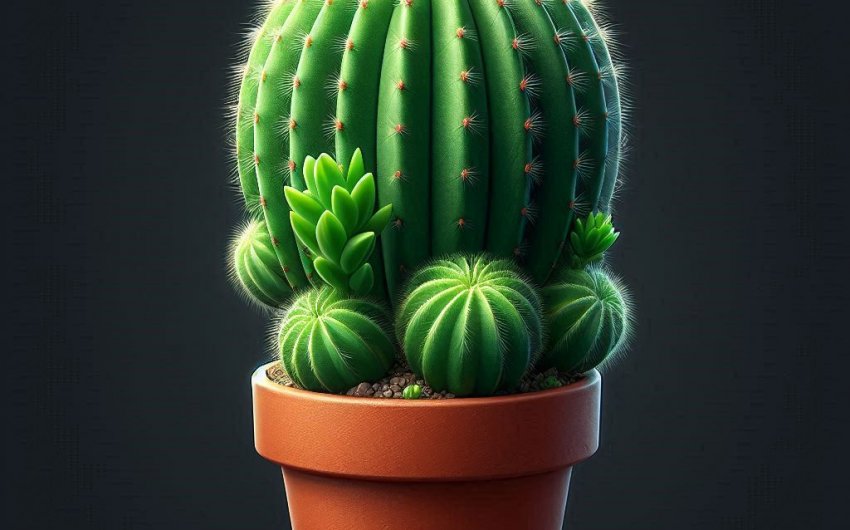
Cacti are truly remarkable plants. With their striking shapes, intricate spines, and often surprisingly vibrant blooms, they bring a unique, resilient beauty to any indoor or outdoor collection. They're often hailed as low-maintenance and "easy" to care for, making them a popular choice for busy individuals or those new to plant parenting. Yet, despite their reputation for toughness, cacti can and do experience problems. Unlike a leafy houseplant that might droop dramatically when thirsty, a cactus can sometimes suffer in silence, with subtle signs only becoming obvious when the issue is severe.
Knowing how to tell if your cactus is healthy is crucial for its long-term survival and thriving. It's about learning to read their subtle cues, understanding what their normal appearance should be, and recognizing the early warning signs of distress. A healthy cactus isn't just surviving; it's actively growing (even if slowly), maintaining its vibrant color, and potentially even producing flowers. This guide will equip you with the knowledge to assess your cactus's well-being, helping you become a more perceptive and proactive caretaker for these fascinating desert dwellers.
What Does a Healthy Cactus Look Like?
Before you can spot problems, you need to know what a healthy cactus should look like. While there's a huge variety of shapes, sizes, and colors within the cactus family, some general characteristics signal good health.
What is the Normal Color of a Healthy Cactus?
A healthy cactus typically has a vibrant, uniform color that is characteristic of its species. Most cacti are some shade of green, ranging from pale lime green to deep emerald or even blue-green.
- Even Color: The color should be consistent across the plant's surface. There shouldn't be patchy discoloration, significant yellowing (unless it's a naturally yellow variegated variety), or large brown/black spots that weren't there before.
- Vibrant and Lush: The green should look healthy and rich, not dull, faded, or washed out.
- Species-Specific: Remember that color can vary greatly between species. Some cacti naturally have a blue-gray or purplish hue (especially some opuntias or columnar cacti), while others might have reddish tints when stressed by sun (a healthy stress in some cases). Always compare your cactus's color to what is normal for its specific type.
- No Obvious Soft Spots: The body of the cactus should be firm to the touch (within reason for its species), not squishy or mushy.
A cactus with a good, consistent, species-appropriate color is usually a happy cactus.
How Does a Healthy Cactus Feel?
The feel and texture of your cactus can tell you a lot about its health, particularly regarding its hydration levels.
- Firmness: Most healthy cacti should feel firm and plump when gently squeezed or pressed. This indicates that they are well-hydrated and their internal water storage tissues (stems) are full.
- Wrinkling vs. Plumpness:
- Slight, shallow wrinkling or deflating between ribs on a columnar cactus can be a normal sign of needing water, and it should plump up after a good drink.
- However, deep, widespread wrinkling, flaccid (floppy) stems, or a soft, squishy feel are signs of serious distress.
- No Mushy Spots: Any soft, mushy, or slimy areas are a red flag, indicating rot, which is often a sign of overwatering or fungal disease.
- No Dry, Crispy Spots: Hard, dry, shriveled spots can indicate extreme underwatering, sunburn, or sometimes pest damage.
A firm, plump, and resilient feel is a strong indicator of a well-hydrated and healthy cactus.
What Does Healthy Cactus Growth Look Like?
Even though cacti are often slow growers, a healthy cactus will show signs of growth, especially during its active growing season.
- New Growth: Look for fresh, new growth at the top or sides of the cactus. This might appear as lighter green segments, new pads, or a slightly elongated tip. New growth should look similar in shape and color to the rest of the plant, though often a lighter shade of green initially.
- Even Growth: Growth should be fairly even and symmetrical, characteristic of the species.
- No "Etoliation": Etoliation is unhealthy, stretched, pale, weak, and thin growth that occurs when a cactus doesn't get enough light. A healthy cactus will grow compactly, maintaining its characteristic shape. If your columnar cactus starts looking like it's stretching for the sky with a thin, pale top, that's etoliation.
- Flowering (if mature and conditions are right): While not all cacti will flower every year (or at all in indoor settings), mature, healthy cacti will typically bloom when their specific light, temperature, and dormancy requirements are met. This is the ultimate sign of a thriving cactus.
Consistent, species-appropriate growth patterns are a key indicator of a healthy and happy cactus.
What Are the Early Warning Signs of an Unhealthy Cactus?
Catching problems early is crucial for cactus health. Subtle changes in appearance can be early warning signs that something is amiss, allowing you to intervene before the issue becomes severe.
Why Do Cacti Turn Yellow?
Yellowing on a cactus can indicate several problems, and the pattern of yellowing can help diagnose the cause.
- Overall Yellowing (Fading Green): If the entire cactus or large sections are turning a dull yellow or pale green, it's often a sign of insufficient light or nutrient deficiency. The cactus is struggling to produce enough chlorophyll.
- Solution: Gradually move to a brighter location. Check if it's getting enough nutrients (though cacti don't need much, an annual feeding in spring can help).
- Yellowing at the Base (Spreading Upwards): Yellowing that starts at the base of the cactus and spreads upwards, often accompanied by softness, is a strong indicator of overwatering and root rot. This is very serious.
- Solution: Immediately stop watering. Unpot the cactus, inspect roots for rot, trim affected parts, and repot in fresh, dry, well-ddraining soil. Allow it to dry out for a week or two before very lightly watering.
- Yellow or White Spots/Patches: These can be a sign of sunburn (too much direct, intense sun, especially if not acclimated).
- Solution: Move to a slightly more shaded spot or introduce direct sun very gradually.
- Yellowing with Brown/Crispy Edges: This can indicate underwatering or root damage (where the plant can't absorb water even if available).
Distinguishing between these yellowing patterns is key to figuring out the underlying issue.
Why Does My Cactus Feel Soft or Mushy?
A soft or mushy cactus is almost always a critical symptom, indicating rot. This is most commonly caused by overwatering.
- Root Rot: If the soil stays too wet for too long, roots are deprived of oxygen and begin to decay. This rot can then spread from the roots up into the base of the stem.
- Symptoms: The affected area will feel distinctly soft, squishy, or even slimy to the touch, unlike the normal firmness of a healthy cactus. It often starts at the base and can spread upwards. It may also be accompanied by a foul odor.
- Solution: This is an emergency.
- Immediately unpot the cactus.
- Carefully examine the roots and any affected stem tissue. Healthy roots are firm and white or tan; rotten roots are dark brown or black and mushy.
- Using a clean, sharp knife (disinfected with rubbing alcohol), cut away all affected, mushy tissue until you reach only healthy, firm tissue. You might need to cut off the entire base of the cactus.
- Allow the cut surface to callus (dry and form a hard scab) for several days to a few weeks, depending on the size of the cut. This prevents new rot.
- Once callused, repot into a new pot with fresh, extremely well-draining cactus soil. Do not water for a week or two after repotting to allow it to settle and new roots to form.
Rot is a major killer of cacti, and swift, decisive action is needed.
What Does Shriveling or Wrinkling Mean?
Shriveling or wrinkling on a cactus stem usually points to dehydration, meaning the plant needs water.
- Symptoms: The cactus body will appear shrunken, wrinkled, or deflated. Ribs might be more pronounced, and the plant might feel less plump than usual.
- Underwatering: This is the most common cause. The cactus has used up its water reserves and is signaling that it's thirsty.
- Solution: Give the cactus a thorough, deep watering. Water until it drains from the bottom of the pot. After a few days, the cactus should plump up.
- Root Damage/Root Rot (Less Common, but Possible): If you water your cactus, and it continues to shrivel or shrivels despite moist soil, this could indicate damaged or rotted roots that are unable to absorb water. In this case, the symptoms of shriveling are not from lack of water in the soil, but from the plant being unable to absorb it.
- Solution: In this scenario, you'd need to unpot and inspect the roots for rot or damage, as described above for mushy cacti.
Most often, shriveling is a clear sign that your cactus needs a drink!
How Can Pests Damage a Cactus?
While cacti are tough, they are not immune to pests, which can cause discoloration, distortion, and overall decline.
- Mealybugs: These are very common cactus pests. They look like small, white, cottony masses in crevices, on spines, or at the base of the plant. They suck sap, leading to stunted, yellowed, or weakened growth.
- Scale Insects: Small, immobile, dome-shaped bumps (often brown or black) that attach to the cactus surface and suck sap. They can cause yellow spots and general weakening.
- Spider Mites: Tiny arachnids that thrive in dry conditions. They cause fine webbing and a dusty, mottled, or bronzed appearance on the cactus surface, especially where new growth occurs. They can cause discoloration and overall decline.
Root Mealybugs: These live in the soil and feed on the roots, causing the plant to look generally unhealthy, stunted, or shriveled even with proper watering.
Inspection: Regularly inspect your cactus, especially in crevices and around the base. A magnifying glass for plants can help.
- Treatment:
- Small infestations: Dab mealybugs/scale with a cotton swab dipped in rubbing alcohol.
- Larger infestations: Apply insecticidal soap or neem oil spray (ensure it's safe for cacti and test a small area first).
- Root mealybugs: Unpot, wash roots, repot in fresh soil, or use a systemic insecticide (with caution).
- Prevention: Good airflow and proper care help prevent pests.
Pest damage, if not caught early, can significantly compromise your cactus's health.
What Are the Environmental Factors for a Healthy Cactus?
Providing the right environment is fundamental to keeping your cactus healthy. These desert dwellers have specific needs that, when met, allow them to thrive.
What Kind of Light Does a Cactus Need?
Light is arguably the most crucial factor for cactus health. Most cacti are sun-loving plants and require abundant light to grow compactly and maintain their proper shape.
- Plenty of Direct Sunlight: Most cacti need a lot of direct sunlight – at least 6 hours per day, and often much more. A south-facing window is usually ideal for indoor cacti. For outdoor cacti, they should be in a spot that receives full sun all day.
- Acclimation: If you move a cactus from a lower light environment to a much brighter one, you need to acclimate it gradually over a period of 1-2 weeks. Suddenly moving it into full sun can cause sunburn (bleached spots or crispy brown patches).
- Signs of Insufficient Light:
- Etoliation: This is the most common symptom of too little light. The cactus becomes stretched, thin, and pale, losing its characteristic compact shape. New growth will look weak and elongated.
- Dull, faded color.
- Lack of flowering (for mature plants).
Providing ample, direct light is key to preventing etoliation and encouraging vigorous, healthy growth. If natural light isn't enough indoors, consider a powerful grow light for cacti and succulents.
What is the Best Watering Schedule?
Watering is where most people go wrong with cacti. They are built for drought, not for constant moisture. Overwatering is the number one killer of cacti.
- "Soak and Dry" Method: This is the golden rule. Water thoroughly until water drains from the bottom of the pot. Then, allow the soil to dry out completely before watering again. For most cacti, this means the soil should be bone dry throughout the pot.
- Frequency Varies: The frequency of watering depends on many factors: the cactus species, pot size, soil type, temperature, humidity, and light levels. In summer, you might water every 2-4 weeks. In winter, during dormancy, you might only water once a month or even less, if at all.
- Dormancy: Most cacti have a dormant period (often in winter). During dormancy, they need very little to no water, as their growth slows or stops. Watering during dormancy is a common cause of rot.
- Drainage is Crucial: Always use pots with drainage holes. Never let a cactus sit in standing water in a saucer. A cactus and succulent potting mix that drains quickly is also essential.
When in doubt, it's always better to underwater a cactus than to overwater it.
What Kind of Soil Does a Cactus Need?
The right soil mix is vital for preventing overwatering and promoting healthy roots.
- Extremely Well-Draining: Cactus soil must drain extremely quickly and thoroughly. It should never stay soggy for long.
- Gritty and Porous: It should be a gritty, porous mix that allows for excellent air circulation around the roots.
- Low Organic Matter: Unlike many other plants, cacti prefer a soil mix with relatively low organic matter, as too much can retain too much moisture.
You can buy specialized cactus and succulent potting mix or make your own by mixing:
- Standard potting mix (for houseplants, not garden soil)
- Coarse sand (horticultural grade, not play sand)
- Perlite
- Pumice
- Small gravel or akadama
A ratio of 1 part potting mix to 1 part perlite/pumice/coarse sand is a common starting point. A bag of pre-made cactus soil is convenient.
What Temperatures Do Cacti Prefer?
While most cacti tolerate a wide range of temperatures, understanding their preferences, especially during dormancy, is important.
- Warm During Growth: During their active growing season (spring and summer), most cacti prefer warm to hot temperatures (70-100°F or 21-38°C).
- Cool Dormancy for Blooming: Many cacti actually require a cool, dry dormant period (typically in winter, 40-55°F or 4-13°C) to stimulate flowering in the spring. If kept warm all year, they may grow but won't bloom.
- Avoid Frost (Most Species): While some desert cacti can tolerate light frost, most indoor and many outdoor species are sensitive to freezing temperatures and will be damaged or killed by prolonged cold.
Providing appropriate temperature fluctuations can mimic their natural desert environment and promote optimal health.
How Does Airflow Affect Cactus Health?
Good airflow is often overlooked but important for preventing fungal issues and supporting healthy growth.
- Prevents Fungal Growth: Stagnant, humid air around a cactus can encourage fungal diseases, especially if the soil is also damp. Good air circulation helps the soil dry out faster and keeps the cactus surface dry.
- Mimics Natural Habitat: In their native deserts, cacti are often exposed to breezy, dry conditions.
- Solution: Ensure good ventilation around your indoor cacti. Avoid placing them in enclosed, stuffy spaces. For outdoor cacti, this is usually not an issue unless they are in a very sheltered, humid microclimate. A small fan for plants can help with indoor circulation.
Consistent care tailored to their specific needs for light, water, soil, temperature, and airflow will ensure your cactus remains a vibrant and healthy addition to your plant collection.