
What Are the Most Popular Succulent Varieties?
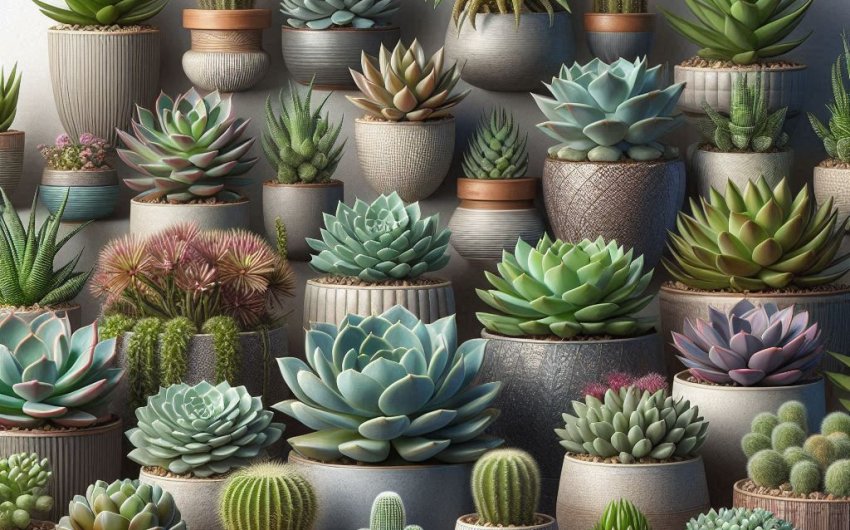
Diving into the world of low-maintenance and captivating plants often leads directly to the diverse family of succulents. These fascinating organisms, known for their thick, fleshy parts adapted to store water in arid climates, have exploded in popularity among plant enthusiasts and beginners alike. From vibrant rosettes to trailing vines, the sheer variety of forms, colors, and textures available makes choosing a favorite a delightful challenge. This guide explores some of the most popular succulent varieties, perfect for adding a touch of unique greenery to your home or garden.
What Makes Succulents So Popular Among Plant Lovers?
The appeal of succulents is undeniable, captivating everyone from seasoned gardeners to those just starting their plant journey. Their surge in popularity isn't just a fleeting trend; it's rooted in a combination of practical benefits and irresistible charm that makes them ideal companions for modern living.
Low Maintenance and Drought-Tolerant Qualities
Perhaps the number one reason for the widespread popularity of succulents is their reputation for being incredibly low maintenance. Unlike many houseplants that demand frequent watering and precise care, succulents are famously forgiving. Their thick, fleshy leaves, stems, or roots are specially adapted to store water, allowing them to withstand long periods without a drink. This makes them perfectly suited for busy individuals, forgetful waterers, or anyone looking for beautiful greenery without a lot of fuss. Their drought-tolerant qualities mean they prefer less water, reducing the risk of overwatering – the most common killer of succulents. This resilience makes them a great choice for both indoor environments and outdoor spaces in dry climates, or even for those who just want a plant that doesn't demand constant attention. Their ability to thrive with minimal intervention truly sets them apart, making them a go-to for hassle-free gardening.
Unique Aesthetics and Diverse Forms
Beyond their easy-care nature, the sheer unique aesthetics and diverse forms of succulents are what truly captivate plant lovers. They are botanical works of art, offering an astonishing array of shapes, sizes, colors, and textures that can add immediate visual interest to any space.
- Rosettes: Many popular succulents form beautiful, symmetrical rosette shapes, resembling flowers, like the Echeveria 'Lola' with its delicate, almost pearlescent leaves.
- Trailing Varieties: Others spill gracefully from pots, creating living curtains, such as the famous String of Pearls or Burro's Tail. These are perfect for hanging baskets or shelves.
- Architectural Shapes: Some succulents boast bold, sculptural forms, like the sharp, upright leaves of certain Agaves or Aloes, which add a modern touch.
- Vibrant Colors: While green is common, succulents also come in stunning shades of pink, purple, red, orange, blue-green, and even nearly black. Many change color with sun exposure or stress, adding to their dynamic appeal.
- Fascinating Textures: Their leaves can be smooth, fuzzy (like Panda Plant), bumpy, ridged, or covered in a powdery coating called farina, which adds a unique feel.
This incredible diversity means there's a succulent to match every decor style and personal preference. Whether you're looking for something minimalist, vibrant, or quirky, the world of succulents has a plant that will spark joy and add a distinct character to your collection. They truly are living sculptures, making them highly sought after for both indoor decor and outdoor landscape design.
What Are the Most Recognizable Succulent Families?
When people talk about succulents, they often refer to a broad group of plants with similar adaptations. However, within this large family, there are several distinct and highly popular genera (groups of species) that are immediately recognizable. These families form the backbone of many succulent collections due to their beauty and relatively easy care.
Echeveria: The Classic Rosette Succulent
Few succulents capture the imagination quite like Echeveria. Often considered the quintessential rosette succulent, Echeveria are incredibly popular for their striking, symmetrical, and often vibrantly colored leaves arranged in a tight, flower-like spiral. Their beauty makes them a favorite for centerpieces, succulent arrangements, and standalone pots.
- Appearance: Echeveria come in a vast array of colors, from soft blues and greens to fiery reds, pinks, purples, and even silvery-grays. Many varieties develop richer hues when exposed to ample sunlight or cooler temperatures, a phenomenon known as "stress coloring." Their leaves can be smooth, slightly fuzzy, or covered in a powdery, waxy coating called farina, which protects them from intense sun and dehydration.
- Popular Varieties: Some highly sought-after Echeveria include:
- Echeveria 'Lola': Known for its pale, pearlescent, almost translucent leaves that take on a pinkish hue in strong light.
- Echeveria 'Perle von Nurnberg': Features beautiful grey-purple leaves, often with pink edges, making it a very striking choice.
- Echeveria elegans (Mexican Snowball): A classic with powdery blue-green leaves, forming tight rosettes that often clump together.
- Echeveria 'Black Prince': A dramatic variety with very dark, almost black, pointed leaves.
- Care Tips: Echeveria thrive in bright, indirect light to full sun. They need well-draining soil, like a succulent and cactus soil mix. Water thoroughly only when the soil is completely dry, typically every 2-4 weeks, or even less frequently in winter. Avoid getting water on the rosette, as it can lead to rot, especially if the farina is present.
Their stunning beauty and relatively straightforward care make Echeveria a beloved choice for both beginners and experienced succulent collectors, consistently ranking among the most popular succulent varieties.
Sedum and Crassula: Diverse Shapes and Textures
The Sedum and Crassula families are incredibly diverse, offering a wide range of shapes, sizes, and textures that contribute significantly to the popularity of succulents. While distinct genera, they share the trait of being robust and relatively easy to care for, making them garden and houseplant staples.
Sedum (Stonecrop): Groundcovers and Trailing Beauties
Sedum, commonly known as Stonecrop, is a large genus known for its incredible versatility. They range from low-growing groundcovers that spread to create carpets of color to taller, upright varieties, and popular trailing types perfect for spilling over containers.
- Appearance: Sedum leaves vary greatly – they can be tiny and bead-like, plump and round, or flattened and oval. Colors span greens, blues, yellows, reds, and even variegated forms. Many varieties produce clusters of star-shaped flowers, often in shades of pink, yellow, or white.
- Popular Varieties:
- Sedum morganianum (Burro's Tail / Donkey's Tail): Famous for its long, trailing stems covered in plump, teardrop-shaped blue-green leaves. It's a favorite for hanging baskets, creating a cascading effect. Handle with care, as the leaves detach easily!
- Sedum rupestre 'Angelina': A vibrant, chartreuse-yellow groundcover that turns bright orange-red in cooler temperatures. Excellent for rock gardens or as a border plant.
- Sedum 'Autumn Joy' (Hylotelephium spectabile 'Autumn Joy'): A taller, upright variety beloved for its broccoli-like flower heads that bloom in late summer/fall, starting green and turning pink, then rusty red. A classic for perennial gardens.
- Care Tips: Most Sedum prefer full sun and well-draining soil. They are exceptionally drought-tolerant once established. Groundcover varieties are often used for green roofs or xeriscaping due to their hardiness. For hanging varieties like Burro's Tail, ensure they get plenty of bright, indirect light and allow the soil to dry out completely between waterings.
Crassula: Trees, Bushes, and Unique Forms
Crassula is another diverse genus, perhaps best known for the iconic Jade Plant, but it encompasses many other fascinating forms, from miniature trees to unique stacking arrangements.
- Appearance: Crassula leaves are typically thick and fleshy, often round or oval, and can be solid green, variegated, or edged with red. Their growth habits vary widely from upright, branching shrubs to more compact, stacked forms.
- Popular Varieties:
- Crassula ovata (Jade Plant): The most famous Crassula, known for its tree-like growth habit and thick, oval, shiny green leaves. It's a popular symbol of good luck and can grow quite large over time, becoming a true houseplant specimen. Look for a bonsai-style jade plant for a unique look.
- Crassula perforata (String of Buttons / Necklace Vine): Features stacked, triangular leaves threaded along a stem, creating a quirky, architectural look. The leaves often develop red edges in bright light.
- Crassula 'Buddha's Temple': A highly architectural succulent with tightly stacked, gray-green leaves forming a square column, resembling an ancient temple. It's a true collector's item.
- Crassula capitella 'Campfire': A striking variety with long, paddle-shaped leaves that turn bright red/orange in full sun, resembling flames.
- Care Tips: Most Crassula prefer bright light to full sun. They need well-draining soil and careful watering – allow the soil to dry out completely before watering again. Jade plants can tolerate less light but will grow more leggy. They are generally resilient and can tolerate some neglect, contributing to their popularity.
Both Sedum and Crassula offer incredible diversity for succulent enthusiasts, proving that succulents are far from just green, spiky plants. Their varied forms and easy care solidify their place among the most popular succulent varieties.
Haworthia and Gasteria: Architectural and Low-Light Tolerant
For those seeking succulents with unique architectural forms or options that thrive in less intense light, the Haworthia and Gasteria families are exceptional choices. Often mistaken for Aloes due to their similar appearance, these two genera offer striking visual appeal without demanding direct, blazing sun, making them ideal for indoor environments.
Haworthia: The "Aloe Look-Alike" with Unique Textures
Haworthia are small, clumping succulents native to Southern Africa. They are often referred to as "Aloe look-alikes" due to their rosette forms and fleshy leaves, but they generally stay much smaller and have distinctive features.
- Appearance: Haworthia leaves are typically firm and triangular or rounded, often forming tight rosettes. What sets them apart are their fascinating textures. Many varieties feature translucent "windowpanes" at the tips of their leaves (allowing light to reach photosynthetic tissue deeper inside the leaf), or raised white bumps, stripes, or ridges, giving them a unique, almost beaded or textured appearance. Colors are usually deep green, sometimes with reddish or brownish tints when stressed.
- Popular Varieties:
- Haworthia fasciata (Zebra Plant): Perhaps the most common, identifiable by its dark green leaves with prominent white, horizontal stripes or bands on the outer surface, resembling a zebra pattern.
- Haworthia cooperi: Known for its plump, gelatinous-looking leaves with large, clear "windows" at the tips, giving it a luminous quality.
- Haworthia truncata (Horse's Teeth): A highly unique and sought-after variety with flat-topped leaves that appear as if they've been cut off or "truncated," often with translucent windows.
- Haworthia retusa: Features fleshy, triangular leaves that curve backwards, also often with translucent tips.
- Care Tips: Unlike many other succulents, Haworthia prefer bright, indirect light rather than scorching direct sun. Too much direct sun can cause their leaves to turn red or brown. They are excellent candidates for north- or east-facing windows. They need well-draining soil and should be watered thoroughly only when the soil is completely dry. They are also less tolerant of extreme heat. Their relatively compact size and low-light tolerant nature make them perfect for desks, bookshelves, or as part of mixed indoor succulent arrangements. You can often find a Haworthia collection for indoor growing.
Gasteria: Tongue-Shaped Leaves and Mottled Patterns
Gasteria are closely related to Haworthia and Aloes, also native to Southern Africa. Their name comes from the Greek word "gaster," meaning "stomach," referring to the shape of their flowers.
- Appearance: Gasteria are characterized by their thick, fleshy, often tongue-shaped or boat-shaped leaves. They can grow in rosette formations or in two opposing rows (distichous arrangement). Many varieties feature distinctive mottled patterns, spots, or bands, often in shades of dark green, sometimes with reddish tints. Their texture can be smooth or slightly rough.
- Popular Varieties:
- Gasteria glomerata (Ox Tongue): A common type with long, thick, often mottled green leaves.
- Gasteria 'Little Warty': Features plump, dark green leaves covered in raised, warty bumps, giving it a unique tactile appeal.
- Gasteria 'Flow': A hybrid known for its compact size and mottled green leaves.
- Gasteria bicolor: Often grows in two ranks, with long, dark green leaves frequently mottled with lighter green or white spots.
- Care Tips: Similar to Haworthia, Gasteria prefer bright, indirect light and can scorch in intense direct sun. They are more tolerant of lower light conditions than many other succulents, making them good indoor plants. Water thoroughly when the soil is dry, but be careful not to overwater. They are generally slow-growing and very resilient, making them fantastic choices for beginners looking for something a bit different.
Both Haworthia and Gasteria offer captivating visual interest and are perfect for those starting their succulent journey, especially if direct sunlight is limited. Their unique forms and hardiness secure their spot among the most popular succulent varieties.
Aloe: Medicinal and Ornamental Succulents
The Aloe genus is widely recognized, primarily due to the ubiquitous Aloe vera, but it encompasses a vast and diverse group of succulents prized for both their ornamental beauty and their medicinal properties. These plants hail primarily from Africa, Madagascar, and the Arabian Peninsula.
- Appearance: Most Aloes form rosettes of thick, fleshy, often triangular leaves that can range in color from vibrant green to blue-green, sometimes with reddish or brownish tints when stressed by sun. Many species have serrated or toothed edges, and some feature attractive spots or stripes. They can range dramatically in size, from small, clumping varieties suitable for pots to massive, tree-like specimens. Many produce tall flower spikes with tubular flowers in shades of yellow, orange, or red.
- Popular Varieties:
- Aloe vera: The most famous, known for the clear gel inside its leaves, which is used for soothing burns and skin irritations. It forms a rosette of spiky, light green leaves. A small Aloe vera plant kit is a common starter.
- Aloe aristata (Lace Aloe): A smaller, clumping aloe with dark green leaves covered in white, soft spines, giving it a "lacy" appearance. It's very cold hardy for an aloe.
- Aloe juvenna (Tiger Tooth Aloe): Features triangular, bright green leaves with distinct white spots and prominent teeth along the margins, forming attractive upright stacks.
- Aloe arborescens (Torch Aloe): A larger, branching aloe that can grow into a multi-stemmed shrub or small tree, known for its vibrant red-orange flower spikes in winter.
- Care Tips: Most Aloes prefer bright, direct sunlight, though some of the greener, softer-leaved varieties can tolerate partial shade. They require well-draining soil and should be watered thoroughly but infrequently, allowing the soil to dry out completely between waterings. Be especially careful not to overwater in winter. Larger species can make impressive landscape plants in frost-free climates, while smaller ones are perfect for containers indoors or out. Their combination of easy care, striking appearance, and practical uses makes Aloes a staple and one of the most popular succulent varieties.
What are the Best Trailing Succulent Varieties?
Trailing succulents are a specific category that brings a whole new dimension to plant displays. Instead of growing upright or in compact rosettes, these varieties gracefully spill over the edges of pots, hanging baskets, or shelves, creating lush, cascading waterfalls of foliage. They add incredible visual interest and are perfect for softening edges and utilizing vertical space.
String of Pearls (Senecio rowleyanus)
The String of Pearls is arguably one of the most iconic and beloved trailing succulents. Its unique appearance has made it a must-have for plant enthusiasts.
- Appearance: This plant features long, delicate stems adorned with spherical, pea-sized leaves, resembling a strand of pearls or beads. The leaves are typically bright green, sometimes with a reddish tint if exposed to more sun. It occasionally produces small, white, cinnamon-scented flowers.
- Why it's Popular: Its incredibly distinctive look is both whimsical and elegant, making it a natural focal point. It's ideal for hanging baskets where its "pearls" can truly cascade, or for perching on a high shelf to let its strands drape downwards. The unique texture and form are captivating.
- Care Tips: String of Pearls needs bright, indirect light – direct, harsh sun can scorch the pearls. It is very susceptible to overwatering, which causes the pearls to mush. Water thoroughly only when the soil is completely dry, and perhaps even when the pearls start to look slightly deflated. Good drainage is essential, so use a well-draining succulent potting mix. Provide good air circulation.
Its delicate beauty and satisfying growth habit make it a top choice among most popular succulent varieties.
String of Hearts (Ceropegia woodii)
Another darling of the trailing succulent world is the String of Hearts, cherished for its romantic heart-shaped leaves and elegant, delicate vines.
- Appearance: This plant features slender, purplish-brown vines adorned with small, heart-shaped leaves that grow in pairs. The leaves are typically dark green with beautiful silver variegation on the top and often a deep purple or pink underside, especially in bright light. It also produces small, interesting lantern-shaped magenta flowers.
- Why it's Popular: The distinct heart-shaped leaves are incredibly charming and make it a popular gift plant. Its delicate, airy appearance adds a soft touch to any space, and its trailing habit makes it perfect for shelves, hanging planters, or even intertwined in other displays. The variegated forms are particularly stunning.
- Care Tips: String of Hearts thrives in bright, indirect light. Direct morning sun is usually fine, but avoid harsh afternoon sun which can bleach the leaves. Allow the soil to dry out completely between waterings. It’s also relatively drought-tolerant. Like many trailing succulents, it appreciates good air circulation. It's a relatively easy plant once its specific watering needs are understood. You can find String of Hearts rooted cuttings for easy propagation.
Its unique leaf shape and graceful trailing habit ensure its place among the most popular succulent varieties.
String of Nickels (Dischidia nummularia)
While not as common as the "Strings of Pearls" or "Hearts," the String of Nickels is gaining significant traction for its unique foliage and charming trailing habit, offering a slightly different aesthetic to your succulent collection.
- Appearance: This plant is characterized by its flat, round, coin-like leaves that are often a silvery-green color, growing closely along trailing stems. The leaves are small and relatively thin compared to many other succulents, but they still have a succulent quality. They cascade beautifully, creating a dense, shingled effect.
- Why it's Popular: Its unique "coin" leaves give it a whimsical, almost architectural appearance. It's a fantastic option for adding texture and visual interest to hanging baskets or shelves, especially if you want a look that's distinct from the more common spherical or heart-shaped trailing succulents. It's also somewhat epiphytic (grows on other plants in nature), which makes it suitable for mounting on bark.
- Care Tips: String of Nickels prefers bright, indirect light. It's more sensitive to direct sun than some other succulents. It appreciates slightly higher humidity than desert succulents, making it a good choice for bathrooms or kitchens. Water when the top inch or two of soil feels dry, but avoid letting it sit in soggy soil. Good air circulation is beneficial. This Dischidia nummularia plant can make a beautiful addition to a hanging display.
Its unique foliage and cascading growth pattern are quickly making the String of Nickels a popular choice for those expanding their trailing succulent collection.
What Are the Best Succulents for Beginners?
Starting a succulent collection is exciting, but knowing which varieties are best for beginners can make the experience much more enjoyable and successful. Certain succulent varieties are particularly forgiving, making them ideal for those still learning the ropes of succulent care.
Sedum 'Autumn Joy' and Other Hardy Sedum Varieties
For beginners, especially those interested in outdoor succulents, Sedum 'Autumn Joy' (now botanically known as Hylotelephium spectabile 'Autumn Joy') and other hardy Sedum varieties are top recommendations. They are incredibly resilient and beautiful, making them excellent gateway plants into the world of succulents.
- Why they are good for beginners:
- Cold Hardiness: Many upright Sedum varieties are remarkably cold hardy, able to survive freezing temperatures and return year after year, making them great for temperate climates where other succulents would perish outdoors.
- Drought Tolerance: Like most succulents, they are very drought-tolerant once established, requiring minimal watering.
- Pest and Disease Resistance: They are generally robust and not prone to many pests or diseases.
- Easy to Grow: They thrive in full sun and well-draining soil, making their requirements straightforward.
- Seasonal Interest: 'Autumn Joy' provides stunning late-season color with its large flower heads that start green, turn pink, then rusty red, and even offer winter interest as dried seed heads.
- Care Tips: Plant in a spot that receives at least 6 hours of direct sun. Ensure the soil drains very well; sandy or gravelly soil is ideal. Water sparingly after they are established. They benefit from being left undisturbed once planted. These are fantastic for rock gardens, borders, or as mass plantings. A Sedum 'Autumn Joy' starter pack is a great way to begin.
Hardy Sedum varieties are perfect for outdoor succulent gardening for beginners, proving that not all succulents are exclusively for warm climates or indoor settings.
Jade Plant (Crassula ovata)
The Jade Plant is a classic and one of the absolute best succulents for beginners, often inherited and living for decades with minimal fuss. Its tree-like appearance and ease of care make it a favorite.
- Why it's good for beginners:
- Forgiving of Neglect: Jade plants are highly tolerant of infrequent watering and can bounce back even if you forget about them for a while.
- Resilient: They are robust and not easily bothered by common houseplant pests.
- Long-Lived: With proper care, a Jade plant can live for many, many years, even decades, becoming a cherished family plant.
- Attractive Form: Its thick, woody stems and plump, oval green leaves give it an attractive, miniature tree-like appearance, which can be pruned and shaped over time.
- Easy to Propagate: Cuttings root very easily, allowing beginners to multiply their collection effortlessly.
- Care Tips: Jade plants prefer bright, direct light for at least 4-6 hours a day. In lower light, they can become leggy. Use a well-draining potting mix. Water thoroughly only when the soil is completely dry, typically every 2-4 weeks, depending on the environment. Reduce watering in winter. Ensure good air circulation. You can easily find a small Jade plant in a nursery pot to get started.
Its remarkable hardiness and graceful aging make the Jade Plant an enduring symbol of succulent resilience and an ideal starting point for any budding plant enthusiast.
Haworthia (Zebra Plant)
The Zebra Plant (Haworthia fasciata) is another fantastic succulent for beginners, especially for those who might not have the brightest, sunniest spot in their home.
- Why it's good for beginners:
- Tolerates Lower Light: Unlike many succulents that demand intense direct sun, Haworthia can tolerate and even prefer bright, indirect light, making them perfect for desks, shelves, or north-facing windows.
- Compact Size: They remain relatively small, making them ideal for small spaces, terrariums, or as part of a succulent arrangement.
- Distinctive Appearance: The unique white stripes on its dark green leaves make it visually interesting and easy to identify.
- Slow Growing: Their slow growth rate means less frequent repotting.
- Pest Resistant: Generally very hardy against common houseplant pests.
- Care Tips: Place in bright, indirect light. Water thoroughly only when the soil is completely dry to the touch, and be careful not to let it sit in standing water. Use a fast-draining succulent mix. It's a very forgiving plant as long as it's not overwatered. Its unique texture and ability to thrive in less intense light make the Zebra Plant Haworthia a wonderful addition for anyone new to succulents.
The Zebra Plant's resilience and striking looks, combined with its preference for slightly less intense light, make it a top choice for those just beginning their journey into the captivating world of succulents.
How Do You Care for Your Popular Succulent Varieties?
While succulents are renowned for being low maintenance, providing them with the right conditions is key to ensuring they thrive and display their most vibrant colors. Understanding their basic needs will help your popular succulent varieties flourish, whether indoors or out.
The Importance of Sunlight and Proper Watering
Two factors are absolutely critical for the health and vitality of your succulents: sunlight and proper watering. Get these right, and your succulents will thrive.
- Sunlight: Most succulent varieties absolutely crave bright light.
- Indoor Succulents: Aim for at least 6 hours of bright, direct sunlight daily, ideally from a south-facing window. If natural light is limited, consider supplementing with a grow light for succulents. Insufficient light will cause succulents to "etiolate," meaning they stretch out and become leggy as they search for light, losing their compact form and vibrant colors.
- Outdoor Succulents: Most outdoor succulents thrive in full sun, meaning 6 or more hours of direct sun. However, in very hot climates, some may benefit from partial afternoon shade to prevent scorching. Observe your plants for signs of stress (like discoloration or shriveling) and adjust their light exposure if needed.
- Proper Watering (The "Soak and Dry" Method): This is where most succulent owners make mistakes, usually by overwatering. Succulents store water in their leaves, stems, or roots, so they prefer infrequent, deep watering rather than frequent, shallow sips.
- Allow Soil to Dry Completely: The golden rule is to water only when the soil is completely dry to the touch. Stick your finger an inch or two into the soil; if it feels damp, wait. For larger pots, you can use a moisture meter.
- Soak Thoroughly: When you do water, soak the soil until water drains out of the pot's drainage holes. This ensures that the entire root ball gets hydrated.
- Drainage is Key: Never let your succulents sit in standing water, as this will quickly lead to root rot. Ensure your pots have drainage holes, and use a fast-draining soil mix.
- Seasonal Adjustments: Succulents typically need less water in winter when they are dormant or growing more slowly. Reduce watering frequency significantly during cooler months.
Mastering these two aspects will provide the best foundation for your popular succulent varieties to flourish.
Choosing the Right Soil and Pots with Drainage
Beyond sunlight and watering, the type of soil you use and the pots you choose are crucial for ensuring your succulents have the perfect environment to thrive. These elements directly impact drainage, which is non-negotiable for succulent health.
- The Right Soil (Well-Draining Mix): Regular potting soil holds too much moisture for succulents, leading to root rot. You need a mix that drains quickly and efficiently.
- Cactus and Succulent Mix: The easiest option is to buy a pre-made cactus and succulent potting mix. These mixes are specifically formulated with ingredients like perlite, pumice, or coarse sand to improve drainage.
- DIY Mix: You can also create your own by mixing regular potting soil with gritty amendments. A common recipe is 50% potting soil, 25% perlite or pumice, and 25% coarse sand or grit. Perlite and pumice are lightweight, porous materials that increase aeration and drainage.
- Pots with Drainage Holes: This is non-negotiable. A pot without drainage holes is a death trap for succulents. Excess water needs a way to escape, otherwise, it will sit around the roots and cause them to rot, even if you follow the "soak and dry" method.
- Terracotta Pots: These are often recommended for succulents because their porous nature allows water to evaporate through the pot's walls, helping the soil dry out faster. They also look great with succulents.
- Ceramic or Glazed Pots: These can also work well, provided they have a large drainage hole. Just be aware they don't promote evaporation through the sides like terracotta.
- Size Matters: Choose a pot that is only slightly larger than the succulent's root ball. Too large a pot means more soil, which holds more moisture than the succulent needs, increasing the risk of overwatering.
By ensuring your succulents are planted in the right, fast-draining soil and in pots with proper drainage, you are giving them the best chance to grow strong and healthy, showcasing their unique beauty for a long time.