
What Are Common Pests That Affect Boston Ferns?
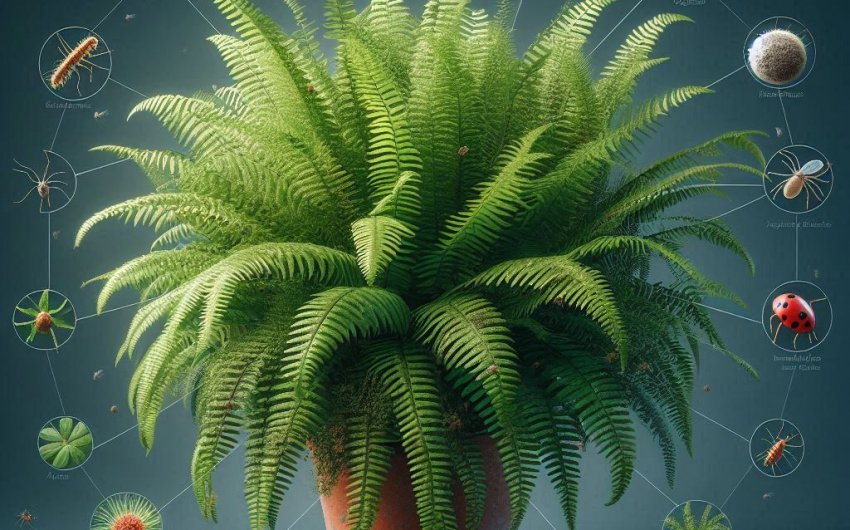
The Boston Fern (Nephrolepis exaltata 'Bostoniensis') is a beloved classic, instantly recognizable by its lush, arching fronds and vibrant green hue. It's a quintessential houseplant, adding a touch of natural elegance and old-world charm to living rooms, sunrooms, and shaded porches alike. Renowned for its air-purifying qualities and graceful form, the Boston Fern creates a sense of cool tranquility wherever it's placed. While generally considered a resilient and relatively easy-care plant, even these verdant beauties are not entirely immune to the unwelcome attention of various pests.
Discovering tiny invaders on the delicate fronds of your Boston Fern can be disheartening, threatening to mar its perfect appearance and compromise its health. These fern pests thrive in specific conditions, often exploiting environments that are less than ideal for the plant. Understanding the most common culprits, knowing how to identify their subtle signs, and learning eco-friendly pest control methods are crucial for maintaining your Boston Fern's splendor. With a watchful eye and a few simple interventions, you can ensure your beloved fern remains a vibrant, pest-free focal point in your indoor oasis.
Why Are Boston Ferns Susceptible to Pests?
While relatively hardy, Boston Ferns can become attractive targets for certain pests, often due to environmental factors.
What are the Ideal Conditions for Boston Ferns?
To understand why pests might appear, it's helpful to first review what a Boston Fern loves.
- High Humidity: They thrive in consistently high humidity. Dry indoor air is a common stressor for them.
- Bright, Indirect Light: They prefer bright light but no direct, harsh sun, which can scorch their fronds.
- Consistently Moist Soil: They like their soil to stay consistently moist, but not soggy.
- Good Air Circulation: While loving humidity, they also appreciate good air movement.
- Cooler Temperatures: Prefer moderate temperatures, typically 60-75°F (15-24°C).
How Does Low Humidity Attract Pests?
Low humidity is a major stressor for Boston Ferns and the number one reason they become vulnerable to their most common pest.
- Weakens Plant: When the air is too dry, Boston Ferns become stressed. Their fronds may dry out at the tips, and the overall plant health can decline, making it more susceptible to attack.
- Favors Certain Pests: The dry, warm conditions created by low humidity are the perfect breeding ground for spider mites, the most common pest of ferns. These tiny arachnids thrive in dry environments and are less active in high humidity.
Can Overwatering or Underwatering Lead to Pest Problems?
Indirectly, yes. Any stress to the plant can make it more vulnerable.
- Overwatering: Can lead to root rot, weakening the plant's overall vigor and making it less able to defend itself against pests. Overly wet soil can also attract fungus gnats.
- Underwatering: Causes the fronds to dry out, shrivel, and become stressed, creating an ideal environment for spider mites and making the plant an easier target.
What Are the Most Common Pests Affecting Boston Ferns?
Knowing what to look for is crucial for early detection and effective pest control.
What Are Spider Mites and Their Signs?
Spider mites are the arch-nemesis of Boston Ferns, especially in dry indoor environments.
- Appearance: Tiny, almost invisible arachnids (not insects), usually red, brown, or clear. You'll typically see their damage or webbing before you see the mites themselves. A magnifying glass for plant inspection helps.
- Damage: They feed by sucking sap from plant cells, causing tiny yellow or white stippling (dots) on the fronds. Heavily infested fronds turn dull, yellowish, or brownish, and may eventually crisp up and die.
- Key Sign (Webbing): The most tell-tale sign is fine, delicate webbing on the undersides of fronds, in the crotches of stems, or spanning between fronds. This webbing is where they build their colonies.
- Life Cycle: They reproduce very quickly, especially in warm, dry conditions, so infestations can escalate rapidly.
- Solutions: Increase humidity. Spray forcefully with water. Use insecticidal soap or neem oil. Introduce predatory mites. A spider mite control spray will typically use one of these ingredients.
What Are Mealybugs and Their Signs?
Mealybugs are soft-bodied insects that look like tiny pieces of cotton.
- Appearance: Small, oval, segmented insects covered in a white, waxy, cottony or mealy substance. They tend to cluster in protected areas, like leaf axils (where the frond attaches to the stem), along veins, or on the undersides of fronds.
- Damage: They suck sap from the plant, causing yellowing, distorted growth, and stunted fronds. They also excrete honeydew, a sticky, sugary substance that can lead to the growth of black sooty mold on the fronds.
- Solutions: For small infestations, dab with a cotton swab dipped in rubbing alcohol. For larger problems, use insecticidal soap or neem oil. Isolate infected plants.
What Are Scale Insects and Their Signs?
Scale insects are hard-to-spot pests that attach firmly to stems and fronds.
- Appearance: They look like tiny, immobile bumps or scabs on the plant surface, often brown, black, or white. They are covered by a protective waxy or shell-like armor.
- Damage: They suck sap, weakening the plant, causing yellowing fronds, stunted growth, and eventually frond dieback. Like mealybugs, they produce honeydew, leading to sooty mold.
- Solutions: For light infestations, gently scrape them off with a fingernail or a soft brush. Use a cotton swab dipped in rubbing alcohol. Apply neem oil or horticultural oil (ensure it's safe for ferns). Systemic insecticides are a last resort for severe cases. A plant oil spray for scale can help.
What Are Fungus Gnats and Their Signs?
Fungus gnats are more of an annoyance than a major threat to mature ferns, but their larvae can harm seedlings.
- Appearance: Small, dark, mosquito-like flies that flutter around the soil surface or plant. Larvae are tiny, clearish-white worms in the soil.
- Damage: Adults are harmless. Larvae feed on decaying organic matter in the soil, but in large numbers, they can feed on tender young roots of seedlings or stressed plants, causing wilting or stunted growth.
- Conditions Favored: Constantly wet, overly moist potting mix.
- Solutions: The best solution is to let the top few inches of soil dry out between waterings. Use yellow sticky traps to catch adults. Apply Bt israelensis (Bti) (a biological control for gnats and mosquitoes) to the soil. Top-dress with sand or gravel to prevent adults from laying eggs. A pack of yellow sticky traps for houseplants is great for monitoring.
How Can I Prevent Pests on My Boston Fern?
Prevention is always the best strategy for healthy, pest-free Boston Ferns.
How Does Increasing Humidity Help?
This is the number one preventative measure for spider mites on Boston Ferns.
- Deters Spider Mites: Spider mites hate high humidity. They thrive in dry air. Increasing the humidity around your fern makes it a less hospitable environment for them.
- Methods:
- Pebble Tray: Place the fern's pot on a shallow tray filled with pebbles and water. Ensure the bottom of the pot does not sit in the water. As water evaporates, it increases local humidity. A plant humidity tray works well.
- Humidifier: For consistently dry indoor air, a room humidifier for plants is the most effective solution.
- Misting: While providing temporary relief, misting alone is often not sufficient to raise humidity significantly. However, a daily mist can dislodge some spider mites.
- Grouping Plants: Grouping several plants together can create a localized area of higher humidity as they collectively release moisture.
What is the Importance of Proper Watering and Drainage?
- Consistent Moisture, Not Soggy: Boston Ferns prefer consistently moist soil, but never soggy. Water thoroughly when the top inch of soil starts to feel slightly dry. Allow excess water to drain completely.
- Avoid Overwatering: Overwatering leads to root rot, which weakens the plant and can attract fungus gnats.
- Good Drainage: Ensure your pot has excellent drainage holes and use a well-draining, airy potting mix that holds moisture but doesn't become waterlogged. A pot with good drainage is essential.
How Does Good Air Circulation Help?
- Prevents Fungal Issues: While not directly a pest control, good air circulation prevents stagnant, humid conditions that can lead to fungal diseases on the fronds, which further stress the plant and make it vulnerable.
- Discourages Some Pests: Some pests, like spider mites, prefer still air. Gentle air movement can deter them.
- Placement: Don't overcrowd your fern with other plants. Give it some breathing room. A small oscillating fan for plants can provide gentle airflow.
Why is Regular Inspection Important?
- Early Detection: This is your best defense. Pests are easiest to control when their populations are small. Make it a habit to regularly inspect your Boston Fern (weekly or bi-weekly), looking closely at the undersides of fronds, in leaf axils, and at new growth.
- Spot Problems Early: Catching even a few spider mites or mealybugs early can prevent a full-blown infestation that is much harder to treat.
What Are Eco-Friendly Treatment Options for Boston Fern Pests?
When pests do appear, start with the gentlest, most targeted eco-friendly methods first.
How Do I Use Water Sprays?
- Forceful Stream: For spider mites and aphids, a strong, consistent spray of water can physically dislodge them from the fronds. Do this over a sink or outdoors. Repeat every few days until the infestation is gone.
- Benefits: Non-toxic, free, and effective for initial infestations. Helps keep leaves clean and can deter future pests.
What About Insecticidal Soap?
- How it Works: Insecticidal soap works by smothering soft-bodied insects. It's a low-toxicity option that is generally safe for plants and doesn't leave harmful residues.
- Target Pests: Effective against spider mites, aphids, and mealybugs.
- Application: Mix according to package directions (or use a ready-to-use spray). Spray all affected areas thoroughly, ensuring good coverage, especially the undersides of fronds where pests hide. Repeat every 5-7 days for a few weeks to break the pest's life cycle.
- Caution: Always test a small, inconspicuous area first to ensure it doesn't harm your specific fern. Do not use dish soap, which can damage plants. A houseplant insecticidal soap is formulated for plant safety.
How Do I Use Neem Oil?
- How it Works: Neem oil is a natural plant extract that acts as both an insecticide and a repellent. It disrupts insect feeding and growth, and some fungicidal properties.
- Target Pests: Effective against spider mites, aphids, mealybugs, and scale (especially crawler stage).
- Application: Mix according to package directions. Spray all plant surfaces thoroughly. Reapply every 7-10 days as needed.
- Caution: Apply in low light or evening hours to avoid potential leaf burn. Always test a small area first. A neem oil spray for houseplants is a popular organic choice.
Can I Use Rubbing Alcohol for Mealybugs and Scale?
- Targeted Treatment: For individual mealybugs or small clusters of scale, a cotton swab or ball dipped in 70% isopropyl rubbing alcohol can be used to dab directly onto the pests.
- How it Works: The alcohol dissolves their waxy coating, exposing them to dehydration.
- Caution: Use sparingly and carefully. Do not use undiluted alcohol over large areas, as it can dry out or burn fronds. A pack of cotton swabs is essential for this.
What About Beneficial Insects for Indoor Use?
- Predatory Mites: For persistent spider mite problems, you can release predatory mites (e.g., Phytoseiulus persimilis). These tiny mites feed exclusively on spider mites and are harmless to plants, humans, and pets. They require relatively high humidity to thrive.
- Limitations: Less practical for home use unless you have a serious, recurring problem, or a large collection of plants. You'll need to purchase them from a specialized supplier.
What Are Other Important Care Tips for Boston Ferns?
Maintaining overall plant health is crucial for pest resistance.
What Kind of Light Does a Boston Fern Need?
- Bright, Indirect Light: This is ideal. Place your Boston Fern near a bright window (north or east-facing are often good, or a south/west-facing window with sheer curtains).
- Avoid Direct Sun: Direct, harsh sunlight will scorch and burn the delicate fronds, leading to brown spots and crispy edges.
- Avoid Low Light: In very low light, the fern will decline, becoming sparse and unhealthy, making it more vulnerable to pests.
How Do I Choose the Right Potting Mix?
- Well-Draining and Moisture-Retaining: Boston Ferns prefer a rich, organic, and well-draining potting mix that still retains moisture.
- Ingredients: A good mix typically includes peat moss or coco coir, mixed with perlite and some compost. Avoid heavy garden soil or mixes designed for cacti. A bag of potting mix for ferns is specifically formulated.
Do Boston Ferns Need Fertilizing?
- Light Feeder: Boston Ferns are relatively light feeders.
- Growing Season Only: Fertilize only during the spring and summer growing season (when it's actively growing), typically once a month or every other month.
- Diluted Fertilizer: Use a balanced liquid houseplant fertilizer diluted to half or quarter strength. Over-fertilizing can burn the roots and stress the plant.
- Avoid in Winter: Do not fertilize in fall and winter when growth slows.
When Should I Repot My Boston Fern?
- Signs: Repot when the fern becomes severely root-bound, growth slows significantly, or water drains through too quickly because the roots have taken over. You might see roots growing out of the drainage holes.
- Frequency: Typically every 2-3 years, or when necessary.
- Timing: Best done in spring, just as new growth begins.
- Pot Size: Move up to a pot only one size larger (e.g., from an 8-inch to a 10-inch pot). Too large a pot holds too much excess soil, which can retain too much moisture.
- Fresh Mix: Always use fresh, appropriate potting mix. A potting mat can protect your surfaces during repotting.
By understanding the unique needs of your Boston Fern and combining preventative measures with targeted eco-friendly treatments, you can effectively manage common pests, ensuring your beautiful fern remains a lush, vibrant centerpiece in your home.