
The Ultimate Guide to Growing Lavender Indoors
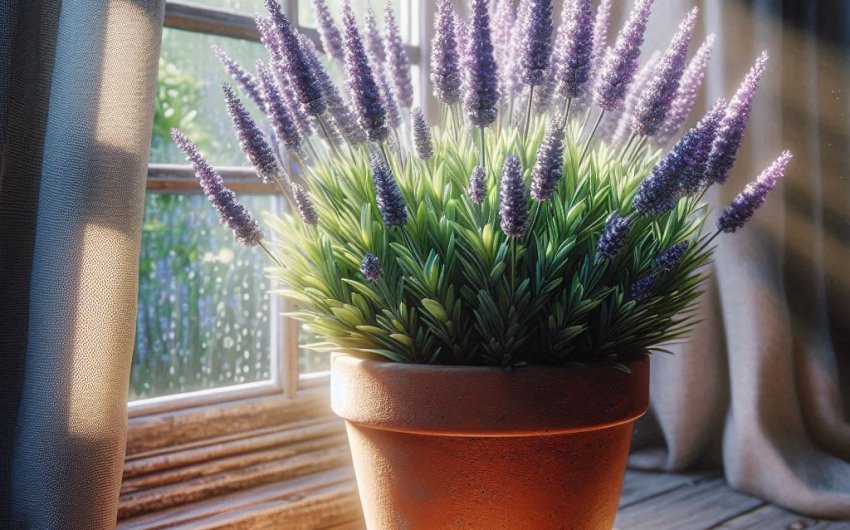
Growing lavender indoors is possible, but it requires careful attention to its specific needs for ample sunlight, excellent drainage, and good air circulation. It thrives when you mimic its native Mediterranean conditions.
What Makes Growing Lavender Indoors Challenging?
Growing lavender indoors presents a few unique challenges compared to growing it outdoors in its ideal climate. Lavender is a Mediterranean plant, adapted to very specific environmental conditions that are often difficult to replicate within a home.
- Light Requirements: Lavender absolutely craves sunlight. Outdoors, it typically gets 6-8 hours of direct sunlight per day. Most indoor environments, even bright windowsills, struggle to provide this intensity and duration, especially during shorter winter days.
- Air Circulation: Outdoors, wind and open air provide constant air circulation, which helps keep the foliage dry and prevents fungal diseases. Indoors, stagnant air can be a problem, leading to mold or mildew.
- Drainage and Soil: Lavender thrives in lean, well-draining soil, often sandy or gravelly. It absolutely detests "wet feet" (roots sitting in soggy soil). Indoor potting mixes can retain too much moisture, and standard pots might not provide enough drainage.
- Humidity: While many houseplants love humidity, lavender prefers drier air. High indoor humidity, especially combined with poor air circulation, can lead to fungal issues.
- Temperature Fluctuations: Lavender prefers distinct temperature shifts between day and night, and often a cooler period in winter for dormancy. Indoor temperatures tend to be more stable and warmer, which can hinder its natural growth cycle and flowering.
Overcoming these challenges is key to successfully growing lavender indoors and enjoying its fragrant blooms.
What Kind of Light Does Lavender Need Indoors?
The most critical factor for successfully growing lavender indoors is providing enough light. Lavender is a sun-loving plant and requires a significant amount of intense light to thrive and produce its fragrant flowers.
- Direct Sunlight is Essential: Aim for at least 6-8 hours of direct sunlight per day. This means the sun's rays should fall directly on the plant's leaves for that duration.
- Ideal Window Placement:
- South-facing window: This is generally the best location indoors, as it receives the most prolonged and intense direct sunlight throughout the day.
- West-facing window: This can also work, providing strong afternoon sun, but ensure it's not excessively hot, which could stress the plant.
- East-facing window: Provides gentle morning sun for a few hours. While better than nothing, it's often not enough on its own.
- North-facing window: Typically does not provide enough direct light for lavender.
Supplementing with Grow Lights:
In most indoor environments, natural light alone, even from a south-facing window, might not be sufficient, especially during winter months or if windows are obstructed. This is where artificial grow lights become crucial for growing lavender indoors.
- Type of Light: Opt for full-spectrum LED grow lights or high-output fluorescent lights (like T5 or T8 bulbs). These mimic natural sunlight and provide the necessary spectrum for growth and flowering. Full Spectrum LED Grow Light
- Placement: Position the grow light directly above your lavender plant, typically 6-12 inches (15-30 cm) away, depending on the light's intensity.
- Duration: Keep the grow light on for 12-16 hours per day to simulate long, sunny outdoor conditions. Use a timer for consistency. Grow Light Timer
Providing ample, direct light is non-negotiable for growing lavender indoors successfully and enjoying its characteristic scent and blooms.
What is the Best Potting Mix for Indoor Lavender?
The right potting mix is crucial for growing lavender indoors because it directly impacts drainage, which is paramount for this plant. Lavender hates wet feet and thrives in lean, fast-draining soil.
- Avoid Standard Potting Soil: Typical indoor potting mixes are designed to retain moisture, which is the opposite of what lavender needs.
- Focus on Drainage and Aeration: The ideal mix should mimic its native gravelly, sandy soil.
Here's how to create or select the best potting mix:
DIY Potting Mix Recipe:
- 1 part Potting Mix: Start with a good quality, general-purpose potting mix as your base.
- 1 part Perlite or Pumice: These materials significantly improve drainage and aeration. Pumice is generally preferred over perlite as it's heavier and less prone to floating to the top during watering. Perlite for Plants or Pumice Soil Amendment
- 1 part Coarse Sand or Gravel: Horticultural sand (not play sand or beach sand) or fine gravel further enhances drainage and adds weight, providing stability for the plant.
- Optional: A small amount of Limestone/Dolomite Lime: Lavender prefers a slightly alkaline to neutral pH (6.5-7.5). If your water or potting mix tends to be acidic, a small handful of Dolomite Lime for Gardens can help adjust the pH.
Key Characteristics of the Mix:
- Fast-Draining: When you water, it should flow through quickly, not sit on top or in the pot.
- Low Organic Matter: While some organic matter is fine, avoid mixes that are overly rich or heavy in compost, as these retain too much moisture.
- Gritty/Porous: The mix should feel gritty to the touch, not dense or spongy.
By providing this type of well-draining, airy medium, you significantly increase your chances of successful growing lavender indoors.
What Type of Pot is Best for Indoor Lavender?
Choosing the right pot is almost as important as the potting mix when growing lavender indoors, primarily because of its critical need for excellent drainage.
- Material:
- Terracotta or Unglazed Ceramic Pots: These are highly recommended. Terracotta is porous, meaning it allows air and moisture to pass through its walls. This helps the soil dry out more quickly and prevents waterlogging, which lavender absolutely detests. Terracotta Plant Pots
- Avoid Glazed Ceramic or Plastic Pots (unless very careful): These materials are non-porous and retain moisture much longer. If you must use them, be extremely vigilant with watering and ensure abundant drainage holes.
- Drainage Holes: This is non-negotiable. Your pot must have ample drainage holes at the bottom. The more, the better. If a pot has only one small hole, consider drilling additional ones if feasible. Never use a pot without drainage holes for lavender.
- Size:
- Start Small, Pot Up Gradually: Begin with a pot that is just slightly larger than the root ball of your lavender plant. Lavender prefers to be a bit root-bound rather than in an overly large pot, which can hold too much moisture.
- Adequate Depth: While lavender's roots aren't exceptionally deep, ensure the pot offers enough depth for healthy root development, generally 8-12 inches (20-30 cm) for a mature indoor plant.
- Diameter: The diameter should also be proportionate, allowing for some lateral root spread.
- Saucer: Always use a saucer underneath your pot to catch excess drainage. However, never let your lavender sit in standing water in the saucer. Empty it immediately after watering.
By selecting a porous pot with excellent drainage, you create an environment that mimics lavender's natural dry habitat, significantly boosting your success in growing lavender indoors.
How to Water Lavender Indoors Correctly?
Proper watering is arguably the trickiest part of growing lavender indoors, as it's highly susceptible to root rot from overwatering. The key is to water thoroughly but infrequently, allowing the soil to dry out completely between waterings.
- Feel the Soil: This is the most reliable method. Stick your finger 1-2 inches (2.5-5 cm) deep into the soil.
- Water if: The soil feels completely dry at this depth.
- Wait if: It still feels damp.
- Bottom Watering (Recommended): This method encourages stronger root development and ensures the plant gets a good soak without drenching the foliage.
- Place your potted lavender in a tray or sink filled with about 1-2 inches (2.5-5 cm) of water.
- Allow the plant to soak up water from the bottom drainage holes for 15-30 minutes, or until the top of the soil feels slightly damp.
- Remove the pot from the water and let any excess drain completely before returning it to its saucer.
- Top Watering (Alternative): If you prefer to water from the top, do so slowly and thoroughly until water begins to drain from the bottom holes.
- Important: Immediately empty the saucer of any standing water. Never let the pot sit in water, as this will lead to root rot.
- Frequency: The exact frequency will vary based on light, temperature, humidity, and pot size, but it could range from once a week to once every 2-3 weeks. In winter, during dormancy, water even less frequently.
- Signs of Underwatering: Leaves may look droopy or wilted, and the plant might appear dull. However, be cautious: wilting can also be a sign of overwatering due to root rot. Check the soil moisture carefully before watering.
- Signs of Overwatering: Yellowing lower leaves, mushy stems, lack of vigor, and a sour smell from the soil are all indicators of root rot. If you see these, stop watering immediately and let the soil dry out.
Mastering this watering technique is fundamental to successful growing lavender indoors and preventing its most common demise.
What are the Ideal Temperature and Humidity for Indoor Lavender?
Replicating lavender's preferred temperature and humidity conditions indoors is important for its health and vigor when growing lavender indoors.
Temperature:
Lavender is quite adaptable to typical indoor temperatures but thrives with a slight variation.
- Daytime: Aim for average room temperatures, generally between 65-75°F (18-24°C).
- Nighttime: Ideally, provide a slight drop in temperature at night, around 55-65°F (13-18°C). This mimics outdoor conditions and can encourage better growth and flowering. Avoid placing lavender near heating vents or radiators, as sudden blasts of hot, dry air can stress the plant.
- Winter Dormancy: To encourage flowering in subsequent seasons, some gardeners advocate for a cooler, dormant period in winter, with temperatures dropping to 45-55°F (7-13°C). This is harder to achieve indoors without a cool sunroom or unheated room. If you can provide this, reduce watering significantly during this period.
Humidity:
Unlike many tropical houseplants that crave high humidity, lavender prefers dryer air. Its native Mediterranean climate is typically arid.
- Low to Moderate Humidity: Indoor humidity levels between 30-50% are generally ideal. Most homes naturally fall within this range, so you usually don't need to increase humidity.
- Avoid Humidifiers: Do not place lavender near humidifiers or mist its foliage. High humidity combined with stagnant air is a recipe for fungal diseases like powdery mildew, especially if the leaves stay wet.
- Good Air Circulation: This ties into humidity. Ensure your lavender plant has good air circulation around it. Use a small fan on a low setting for a few hours a day if the air in your growing area feels stagnant. This helps dry out the foliage and prevent fungal issues.
By providing these preferred temperature and humidity conditions, you create an environment conducive to healthy growing lavender indoors.
Does Indoor Lavender Need Fertilizing?
When growing lavender indoors, its fertilization needs are very minimal, mirroring its preference for lean, well-draining soils in its natural habitat. Over-fertilizing is far more detrimental than under-fertilizing for lavender.
- Lean Feeder: Lavender is not a heavy feeder. In fact, too much fertilizer, especially those high in nitrogen, can lead to lush green growth at the expense of fewer, weaker flowers and can even burn the roots.
- When to Fertilize:
- Established Plants: For healthy, established indoor lavender plants, fertilize very sparingly, perhaps once in the spring at the beginning of its active growing season.
- New Plants: If you've just repotted your lavender into fresh potting mix, the soil usually contains enough nutrients for the first few months, so no immediate fertilization is needed.
- Type of Fertilizer:
- Use a balanced, all-purpose liquid fertilizer or one with a slightly higher phosphorus content (for blooms), but always at a diluted strength (1/4 to 1/2 of the recommended dosage).
- Avoid: High-nitrogen fertilizers (the first number in the NPK ratio).
- Organic Liquid Plant Food
- How to Apply: Dilute the liquid fertilizer according to the extra-diluted instructions, and apply it to moist soil (never to dry soil, as this can cause root burn).
- Dormancy: Do not fertilize at all during the plant's dormant period in winter.
Remember, the main goal for growing lavender indoors is to provide excellent light, drainage, and air circulation. Fertilization is a minor component, and less is definitely more in this case.
How to Prune Indoor Lavender?
Proper pruning is essential for maintaining the shape, promoting bushier growth, and encouraging flowering when growing lavender indoors. Without it, your plant can become leggy and woody, with fewer blooms.
- When to Prune:
- After Flowering: The best time for a major prune is right after the main flush of blooms has faded. This encourages the plant to put energy into new growth and potentially a second, smaller bloom cycle.
- Spring (for Shaping/Rejuvenation): A lighter prune can be done in early spring as new growth emerges, especially if your plant looks leggy or needs shaping.
- How to Prune (Light Pruning/Deadheading):
- Remove Spent Flower Stalks: Once the flowers fade, snip off the flower stalks just above the first set of leaves or new growth. This is called deadheading and encourages more blooms.
- Shape and Tidy: Lightly trim back any leggy or straggly stems to maintain a compact, bushy shape. Remove any yellowing or damaged leaves.
- How to Prune (Major Pruning):
- Follow the Rule of Thirds: Never remove more than one-third of the plant's total growth at one time.
- Cut Above New Growth: Always make your cuts just above a leaf node or where you see small, new green shoots emerging from the stem.
- Avoid Cutting into Old Wood: Lavender does not readily produce new growth from old, woody stems that have no green leaves or visible growth points. Cutting into this "dead wood" can kill that section of the plant.
- Maintain Shape: Aim for a rounded, compact shape. This allows for better air circulation throughout the plant.
- Tools: Use clean, sharp bypass pruners or scissors to make clean cuts that heal quickly. Pruning Shears for Gardening
Consistent, light pruning will keep your indoor lavender healthy, bushy, and blooming for years. It's a key step in successfully growing lavender indoors.
What are Common Pests and Diseases for Indoor Lavender?
Even when diligently growing lavender indoors, you might encounter pests or diseases. However, healthy, well-cared-for plants are generally more resistant. The key to successful management is early detection.
Common Pests:
- Spider Mites: These tiny pests are almost invisible but leave tell-tale signs: fine webbing on the undersides of leaves or where stems meet, and tiny dots on the foliage (stippling). They thrive in hot, dry conditions.
- Treatment: Increase humidity slightly (but avoid misting leaves directly), use a strong spray of water to dislodge them, or apply neem oil spray or insecticidal soap. Neem Oil for Plants
- Aphids: Small, soft-bodied insects, often green, black, or brown, that cluster on new growth and flower buds, sucking sap.
- Treatment: Wipe them off with a damp cloth, spray with a strong stream of water, or use insecticidal soap.
- Whiteflies: Tiny, white, winged insects that fly up in a cloud when disturbed. They also suck sap from leaves.
- Treatment: Use sticky traps, insecticidal soap, or neem oil.
- Fungus Gnats: Small, dark, mosquito-like flies that hover around the soil surface. Their larvae feed on organic matter in damp soil. They are more of an annoyance than a threat, but can indicate overwatering.
- Treatment: Let the soil dry out thoroughly between waterings. Use sticky traps or beneficial nematodes (for larvae).
Common Diseases:
- Root Rot: This is the most common and often fatal issue for indoor lavender, caused by overwatering and poor drainage. Signs include yellowing leaves, wilting despite moist soil, mushy stems, and a sour smell from the soil.
- Prevention: Crucial! Use a fast-draining potting mix, a terracotta pot, and only water when the soil is completely dry. Ensure excellent drainage holes and never let the pot sit in standing water.
- Treatment: If caught early, repot into fresh, dry, well-draining soil, removing any mushy, black roots.
- Powdery Mildew: Appears as white, powdery spots on leaves and stems, usually in high humidity with poor air circulation.
- Prevention: Ensure good air circulation (use a fan if needed), avoid misting, and provide adequate spacing.
- Treatment: Remove affected leaves. Apply a fungicide spray formulated for powdery mildew (e.g., a baking soda solution: 1 teaspoon baking soda in 1 quart of water with a few drops of dish soap).
Regular inspection of your lavender plant, especially the undersides of leaves and new growth, allows for early detection and treatment, contributing to your success in growing lavender indoors.
How to Overwinter Indoor Lavender (If Grown Outdoors in Summer)?
If you move your lavender plant outdoors for the summer, bringing it back inside for winter requires specific care to help it adapt and survive the colder, darker months when growing lavender indoors. This process is often called "overwintering."
- Bring Indoors Before First Frost: Monitor local weather forecasts and bring your lavender indoors before nighttime temperatures consistently drop below 40-45°F (4-7°C) or before the first hard frost.
- Pest Inspection: Before bringing it inside, thoroughly inspect your plant for pests. Knock off any loose soil, spray down the foliage with a strong stream of water, and consider an application of insecticidal soap or neem oil to prevent bringing outdoor pests indoors.
- Ideal Winter Location:
- Cooler Temperatures: Find the coolest spot in your home that still receives plenty of light. An unheated sunroom, a cool bedroom window, or even a garage with a window that stays above freezing can work. Ideally, temperatures should be between 45-55°F (7-13°C) for a period of semi-dormancy.
- Brightest Possible Light: Even in a cool spot, lavender still needs as much direct light as possible. Position it in a south-facing window. If natural light is insufficient, supplemental grow lights (10-12 hours/day) are highly recommended.
- Reduced Watering: This is critical during overwintering. Lavender needs far less water in cooler, lower-light conditions.
- Allow the soil to dry out almost completely between waterings. Water very sparingly, perhaps every 2-4 weeks, just enough to prevent the soil from becoming bone dry. The goal is semi-dormancy, not active growth.
- No Fertilizing: Do not fertilize your lavender during its overwintering period.
- Air Circulation: Ensure good air circulation, even in a cooler spot, to prevent fungal issues.
- Pruning (Optional): A light prune can be done before bringing it inside to shape it, but major pruning is usually reserved for spring.
- Gradual Transition to Outdoors: In spring, after all danger of frost has passed, gradually re-acclimate your lavender to outdoor conditions. Start by placing it in a shaded outdoor spot for a few days, then gradually move it into brighter light over a week or two. This prevents shock.
Properly overwintering your lavender ensures it remains healthy and can thrive again when you move it back outdoors or maintain it as a year-round indoor plant, making your efforts in growing lavender indoors more sustainable.
What are the Best Lavender Varieties for Indoor Growing?
While growing lavender indoors is a challenge, some varieties are more forgiving and better suited to container life than others. These types tend to be more compact and tolerant of slightly less-than-ideal conditions compared to the very large, robust outdoor varieties.
Here are some of the best lavender varieties to consider for indoor cultivation:
- French Lavender (Lavandula dentata):
- Why it's good: Known for its more compact size, tolerance for slightly warmer indoor temperatures, and its attractive, toothed, grayish-green leaves. It also tends to bloom for a longer period.
- Fragrance: Has a more camphor-like, less sweet scent than English lavender.
- Flowering: Can bloom almost continuously if conditions are right.
- Spanish Lavender (Lavandula stoechas):
- Why it's good: Features unique "rabbit ear" bracts above its flowers. Many cultivars are naturally more compact. It generally prefers warmer temperatures and can tolerate a bit more humidity than English lavender, making it slightly more adaptable to indoor conditions.
- Fragrance: Also has a slightly more resinous, camphor-like scent.
- Flowering: Blooms profusely in spring and often again in late summer.
- English Lavender Cultivars (Compact Varieties): While true English Lavender (Lavandula angustifolia) typically prefers a cooler dormancy and can get quite large, some compact cultivars might be suitable if you can meet all their light and temperature needs.
- Examples: 'Munstead' and 'Hidcote' are often recommended for containers due to their smaller size, but they still demand excellent light.
- Why it's challenging: They still prefer a colder dormancy period to bloom well, which is hard to provide indoors.
- Fragrance: Known for its classic, sweet lavender fragrance.
Considerations When Choosing a Variety:
- Size: Look for varieties specifically labeled as "dwarf," "compact," or "container friendly."
- Native Climate: Varieties from warmer climates (like French or Spanish) may adapt slightly better to stable indoor temperatures than those from colder regions.
- Availability: These varieties are usually easier to find at nurseries.
Even with the "best" varieties, remember that growing lavender indoors will always be an uphill battle against its natural preferences for intense sunlight, excellent air circulation, and lean, dry soil. Choosing the right type simply gives you a better fighting chance.
Successfully growing lavender indoors requires meticulous attention to its specific needs for abundant direct sunlight, a fast-draining potting mix, a porous pot, infrequent watering, and good air circulation. By replicating its Mediterranean habitat as closely as possible, you can enjoy its soothing fragrance and beautiful blooms inside your home.