
Benefits of a Portable Greenhouse for Home Gardeners
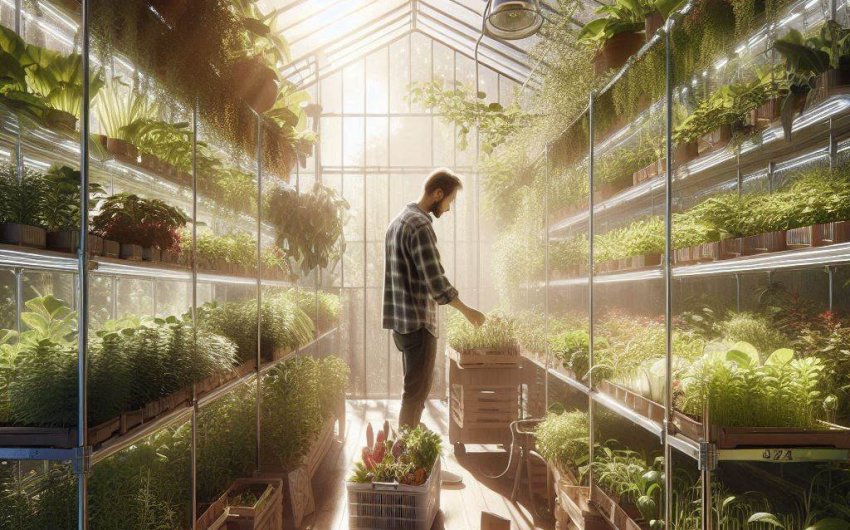
Portable greenhouses are a game-changer for home gardeners, offering flexibility, extended growing seasons, and protection for plants in an easily movable structure. Unlike permanent greenhouses, portable greenhouses are lightweight and can be set up anywhere, making them ideal for those with limited space or who want more control over their garden environment. Whether you're growing vegetables, herbs, or flowers, a portable greenhouse can enhance your gardening experience and lead to healthier, more productive plants.
This guide explores the many benefits of portable greenhouses, highlighting how they can help gardeners cultivate their ideal plant environment all year long.
What is a Portable Greenhouse?
A portable greenhouse is a temporary structure made from lightweight materials like PVC, steel frames, and plastic or polyethylene covers. They are designed to protect plants from harsh weather, pests, and cold temperatures. These greenhouses come in various sizes and designs, from small shelf units to walk-in models, providing ample options for every type of gardener.
Order a portable greenhouse (available for $30–$100) to create a flexible growing space in your garden.
Key Benefits of a Portable Greenhouse
Using a portable greenhouse brings several advantages that traditional outdoor gardening can't offer. Here’s how a portable greenhouse can transform your home gardening efforts.
1. Extends the Growing Season
One of the biggest benefits of a portable greenhouse is its ability to extend the growing season. By providing a controlled environment, a portable greenhouse allows plants to thrive even in colder weather, giving gardeners the chance to start seeds earlier in spring and continue harvesting well into fall.
- Early Seed Starting: Start seeds in late winter to have strong, established plants by the time spring arrives.
- Protection Against Frost: Portable greenhouses keep the temperature stable, protecting delicate plants from unexpected frosts.
Find a reliable seed starting tray (available for $10–$20) to begin planting seeds in your greenhouse before the outdoor growing season.
2. Provides Optimal Temperature and Humidity Control
A portable greenhouse creates a warm, humid environment that can be easily adjusted for different types of plants. Humidity helps retain moisture in the soil, reducing the frequency of watering and promoting healthy growth.
- Warm Growing Environment: Provides the ideal temperature for tropical plants or seedlings that need more warmth.
- Moisture Retention: High humidity levels reduce water loss, keeping plants hydrated for longer.
Use a humidity monitor (available for $10–$25) to keep track of the moisture levels inside your greenhouse.
3. Protection from Pests and Wildlife
Garden pests, like aphids and caterpillars, can cause significant damage to plants, while larger animals like deer or rabbits can destroy garden beds overnight. A portable greenhouse acts as a physical barrier, protecting plants from pests and wildlife without the need for chemical pesticides.
- Keeps Out Insects: The enclosed structure prevents pests from reaching your plants.
- Safeguards Against Animals: Keeps your plants safe from being eaten by wildlife.
Order a pest control net (available for $10–$20) for additional protection inside your portable greenhouse.
4. Versatile and Flexible Placement
One of the standout features of a portable greenhouse is its mobility. Unlike a permanent greenhouse, a portable one can be moved around to capture the best sunlight or protect plants from severe weather.
- Flexible Sun Exposure: Place it in the sunniest part of your yard or move it around as needed throughout the seasons.
- Easy Relocation: Move the greenhouse to protect plants from strong winds or heavy rain.
Get a lightweight greenhouse (available for $30–$60) for easy setup and relocation as needed.
5. Allows for Year-Round Gardening
With a portable greenhouse, you can grow herbs, vegetables, and flowers even during the winter months. For those who love gardening, this feature allows them to enjoy their hobby all year long.
- Grow Cold-Sensitive Plants: Cultivate tomatoes, peppers, and other warm-weather crops even in winter.
- Enjoy Fresh Produce: Harvest fresh herbs and vegetables regardless of the season.
Find a quality grow light (available for $20–$50) to provide plants with extra light during shorter winter days.
6. Easy Setup and Maintenance
Unlike traditional greenhouses, portable greenhouses are designed for easy assembly, often requiring just a few tools or even snapping into place. Most portable greenhouses are also low maintenance, needing only occasional cleaning and basic care.
- Quick Assembly: Sets up within hours and can be disassembled just as easily.
- Minimal Upkeep: Requires only light maintenance, making it perfect for beginners.
Order an assembly kit (available for $10–$20) to help you set up your portable greenhouse with ease.
Types of Portable Greenhouses
Portable greenhouses come in various shapes and sizes, each designed to serve different gardening needs. Here are some popular types of portable greenhouses for home gardens.
1. Mini Greenhouses
Mini greenhouses are small, compact structures that fit well in limited spaces like patios or balconies. They are perfect for growing herbs, starting seeds, or protecting a few delicate plants.
- Space-Efficient: Ideal for urban gardeners or those with small yards.
- Easy to Move: Can be placed indoors or outdoors as needed.
Get a mini greenhouse (available for $15–$30) for small spaces or balconies.
2. Walk-In Greenhouses
Walk-in greenhouses are larger structures that allow gardeners to step inside, providing ample space for multiple plants. These greenhouses are tall and roomy, making them suitable for larger vegetable gardens or collections of potted plants.
- Ample Growing Space: Suitable for a variety of plants, from tomatoes to potted flowers.
- Ventilation Options: Often comes with windows or vents for temperature control.
Find a walk-in greenhouse (available for $40–$80) to create a spacious indoor gardening area.
3. Shelf Greenhouses
Shelf greenhouses are vertical structures with multiple shelves, maximizing growing space in a small footprint. They’re ideal for growing herbs, starting seeds, and organizing potted plants efficiently.
- Vertical Growing: Allows gardeners to grow more plants in a small space.
- Easy Organization: Keeps plants organized and easy to access.
Order a shelf greenhouse (available for $20–$40) for compact yet efficient growing space.
4. Pop-Up Greenhouses
Pop-up greenhouses are lightweight, easy to set up, and can be moved or stored away quickly. They are ideal for short-term use, such as protecting plants from unexpected cold snaps.
- Quick Setup: Pops open and collapses easily, making it perfect for temporary protection.
- Portable and Lightweight: Ideal for gardeners who need a flexible, temporary solution.
Find a pop-up greenhouse (available for $25–$50) for a portable and convenient gardening solution.
Tips for Maximizing the Benefits of a Portable Greenhouse
Using a portable greenhouse effectively requires a few adjustments to ensure optimal plant health and growth. Here are some tips to help you get the most out of your portable greenhouse.
1. Monitor Temperature and Humidity
Portable greenhouses can get warm quickly, especially on sunny days. Use a thermometer and humidity gauge to monitor conditions and keep plants comfortable.
- Ventilation: Open windows or roll-up flaps to prevent overheating.
- Humidity Control: Use trays of water or mist plants to increase humidity as needed.
Get a digital thermometer and humidity gauge (available for $15–$25) to monitor greenhouse conditions accurately.
2. Use Shelves or Racks to Maximize Space
If your portable greenhouse has limited floor space, use shelves or racks to increase growing area. This allows you to fit more plants without overcrowding.
- Multi-Tiered Storage: Add shelves to accommodate different types of plants.
- Space for Seedlings and Herbs: Grow smaller plants like herbs on the top levels, leaving space below for larger plants.
Order a set of greenhouse shelves (available for $20–$40) to increase vertical storage in your greenhouse.
3. Water Carefully to Prevent Excess Moisture
While greenhouses retain moisture, too much water can lead to mold and mildew. Check soil moisture regularly and adjust watering based on conditions.
- Use a Drip Tray: Place plants in drip trays to avoid water pooling.
- Regularly Check Soil: Avoid over-watering and let soil dry between waterings to prevent fungal growth.
Find a drip tray (available for $5–$15) to control excess moisture in your greenhouse.
4. Add Grow Lights for Year-Round Gardening
Shorter winter days can limit sunlight exposure, so adding grow lights ensures plants receive adequate light. LED grow lights are energy-efficient and suitable for a variety of plants.
- Position Lights Above Plants: Hang grow lights to provide consistent, even lighting.
- Choose Full-Spectrum Bulbs: Full-spectrum LEDs mimic natural sunlight, ideal for plant growth.
Get a full-spectrum grow light (available for $25–$50) to supplement natural light in your greenhouse.
5. Rotate Plants for Even Growth
Plants in a portable greenhouse may grow unevenly if some areas receive more light than others. Rotate plants regularly to ensure all sides get equal exposure.
- Consistent Growth: Rotating prevents plants from leaning towards light sources.
- Even Development: Helps all plants receive equal light and air circulation.
Use a plant rotation schedule notebook (available for $5–$10) to track and plan regular plant rotations.
Common Challenges and How to Overcome Them
While portable greenhouses are beneficial, they come with their own set of challenges. Here’s how to address some of the common issues faced by gardeners using portable greenhouses.
Overheating
On warm days, portable greenhouses can overheat, putting stress on plants. Open vents or roll up flaps to allow airflow, and consider moving the greenhouse to a shaded area if temperatures become extreme.
Order a vented greenhouse cover (available for $15–$30) to improve airflow and prevent overheating.
Mold and Mildew
High humidity levels can lead to mold and mildew, particularly in densely packed greenhouses. To reduce humidity, improve ventilation, water plants less frequently, and avoid crowding plants.
Use a dehumidifier (available for $20–$50) to control moisture and prevent mold growth.
Limited Light Exposure
Winter months can result in less sunlight for plants in a portable greenhouse. Add grow lights to supplement natural light and keep plants healthy through darker days.
Find a clip-on grow light (available for $15–$30) to provide additional light for plants in low-light conditions.
Using a portable greenhouse gives home gardeners an accessible, flexible, and efficient way to improve plant health and increase gardening possibilities. With the ability to control temperature, light, and humidity, gardeners can cultivate thriving plants year-round, all while protecting them from pests and harsh weather.