
How to Build a Simple Tool Rack for Your Garage?
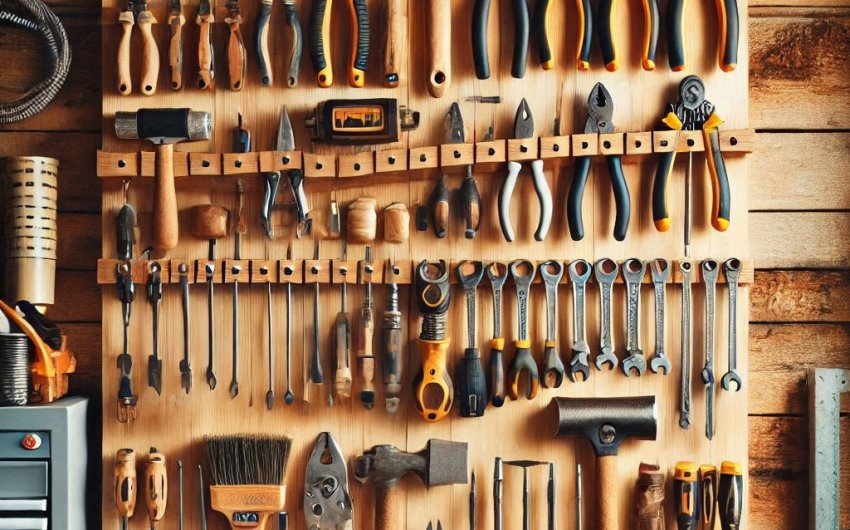
Why Do You Need a Tool Rack in Your Garage?
Picture this: You're trying to find your hammer, but it's buried under a pile of paint cans, garden hoses, and who-knows-what-else. Your screwdriver is playing hide-and-seek, and the wrench you desperately need is nowhere in sight. Sound familiar? A messy garage can be a huge headache, making every DIY project start with a frustrating treasure hunt. That's where a tool rack comes in! Building a simple DIY tool rack can transform your messy garage into an organized, efficient workspace. It’s one of the best ways to improve your garage organization.
What Problems Does a Messy Garage Create?
A cluttered garage isn't just annoying; it causes several real problems:
- Wasted Time: You spend more time searching for tools than actually using them. Every minute spent looking is a minute not spent doing.
- Lost Tools: Small tools often get buried and lost in the clutter, forcing you to buy replacements you already own.
- Safety Hazards: Tools left on the floor or precariously stacked can be trip hazards or fall on you. Sharp objects can cause cuts.
- Reduced Space: A disorganized garage means less room for your car, bicycles, or other important items.
- Frustration: Starting any project with a search-and-rescue mission for your tools can quickly kill your motivation. A messy space makes you dread even small tasks.
How Does a Tool Rack Solve These Problems?
A well-designed tool rack offers a simple yet powerful solution:
- Easy Access: Every tool has its own designated spot. You can see at a glance where everything is, grab it, and get to work.
- Saves Time: No more hunting! You pick up a tool, use it, and return it to its spot. This makes projects faster and more enjoyable.
- Maximizes Space: By using vertical wall space, a tool rack frees up floor space, giving you more room for other garage essentials.
- Improves Safety: Tools are stored securely off the floor, reducing trip hazards and preventing accidental injuries.
- Extends Tool Life: Storing tools properly, off the damp floor and away from clutter, helps protect them from rust and damage, extending their lifespan.
- Boosts Efficiency: An organized workspace inspires confidence and makes you more efficient in tackling any repair or DIY task.
Building a DIY tool rack is a satisfying project that pays off every time you step into your garage. It’s the foundation for great garage storage.
What Kinds of Tools Will Your Rack Hold?
Before you start building your DIY tool rack, it’s a good idea to take stock of the tools you actually want to organize. This will help you decide on the size and design of your tool rack. A rack for hand tools will look different from one designed for long-handled garden tools. Thinking about your specific needs is the first step in successful garage organization.
Categorize Your Tools
Walk around your garage and gather all the tools that are currently scattered. Lay them out and categorize them. This will give you a visual idea of what you're working with.
- Hand Tools: Hammers, screwdrivers, wrenches, pliers, measuring tapes, utility knives, chisels, levels. These are typically smaller and might need hooks, slots, or small shelves.
- Power Tools: Drills, circular saws, sanders, jigsaws. These are bulkier and often come with cases, so they might need deeper shelves or specific cradles.
- Long-Handled Garden Tools: Shovels, rakes, hoes, brooms, pitchforks. These need vertical storage solutions with clips or slots to keep them upright and off the floor.
- Small Hardware/Supplies: Screws, nails, washers, drill bits, tape. These often need small bins, jars, or drawers that can be integrated into the rack system.
- Specialty Tools: Items you don't use often but need to store, like a car jack, saw horses, or specific automotive tools.
What Makes a Tool Rack "Simple"?
For a DIY tool rack, "simple" usually means using common materials and straightforward construction techniques. We're not talking about custom cabinetry or complex joinery. We're thinking:
- Basic Woodworking: Cutting wood, screwing pieces together.
- Common Materials: Plywood, 2x4s, pegboard.
- Versatile Design: A design that can be easily adapted to hold different types of tools without needing too many special parts.
Prioritize What Goes on the Rack
You might not be able to fit every single tool on one single DIY tool rack. Prioritize the tools you use most often or those that cause the most clutter.
- Frequently Used Tools: These should be at eye level and easily accessible.
- Tools That Get Lost Easily: Small hand tools fall into this category.
- Tools That Take Up Floor Space: Long-handled tools are a prime example.
By clearly knowing what you want your tool rack to hold, you can move on to choosing materials and designing a space-saving solution for your garage. This forethought is key to maximizing your garage storage.
What Materials Will You Need to Build Your Tool Rack?
Building a simple tool rack for your garage doesn't require fancy materials. In fact, you can often use leftover wood from other projects or purchase affordable, common lumber. The right materials will ensure your DIY tool rack is sturdy and lasts for years, helping you with great garage organization.
Essential Lumber
The most common and versatile material for a basic tool rack is wood.
- Plywood (1/2-inch or 3/4-inch thick): This is excellent for backboards, shelves, or custom tool holders. It's strong, stable, and widely available. Plywood in larger sheets (4x8 feet) can be cut down to your specific needs. Look for construction-grade plywood, as it's more affordable.
- Pine Common Boards (1x4, 1x6, or 1x8): These boards are good for horizontal supports, smaller shelves, or for making custom slots. They are easy to cut and readily available at any hardware store.
- 2x4 Lumber: While perhaps a bit overkill for a small hand tool rack, 2x4s are ideal for framing, heavy-duty supports, or if you plan to hang very heavy tools. They are incredibly strong and inexpensive.
Fasteners and Adhesives
- Wood Screws: These are essential for joining wooden pieces. For a sturdy tool rack, use screws that are long enough to penetrate both pieces of wood securely (e.g., 2-inch or 2.5-inch wood screws). Wood Screws Assortment will give you options.
- Construction Adhesive (Optional but Recommended): For extra strength and stability, a bead of construction adhesive applied to joints before screwing them together will create a very durable bond.
- Wall Anchors/Toggle Bolts (if needed): If you're attaching your tool rack to drywall and not directly into wall studs, you will need strong wall anchors (like Toggle Bolts Heavy Duty) or toggle bolts to ensure it can hold the weight of your tools. Always try to hit studs whenever possible.
Hanging Hardware/Accessories
This is where you customize your rack for specific tools.
- Pegboard (1/4-inch thick): An extremely popular choice for garage organization. You can attach a sheet of pegboard to a wooden frame or directly to wall studs. It then accepts a wide variety of pegboard hooks and accessories to hang tools. A Standard Pegboard is easy to find.
- Pegboard Hooks and Bins: These come in all shapes and sizes, perfect for hanging hand tools, small power tools, and holding small items. You can find a Pegboard Hook Assortment.
- Heavy-Duty Hooks: For larger items like ladders, bikes, or bulky garden tools, specialized heavy-duty hooks that screw directly into studs are necessary.
- Custom Wood Blocks/Slats: You can cut and screw small pieces of wood to create custom slots for screwdrivers, pliers, or even cradles for specific power tools.
Tools You'll Need for Building
- Measuring Tape: For accurate measurements.
- Pencil: For marking cuts and drill points.
- Saw: A circular saw for plywood or a miter saw for cleaner cuts on boards. A simple hand saw can work for small projects.
- Drill/Driver: For pre-drilling holes and driving screws. A Cordless Drill Driver is highly recommended.
- Drill Bits: Various sizes for pilot holes and screw head clearance.
- Stud Finder: Essential for locating wall studs if mounting directly to the wall.
- Level: To ensure your rack is mounted straight.
- Safety Glasses: Always wear these when cutting or drilling.
Having these materials and tools ready will make your DIY tool rack project go smoothly, resulting in fantastic garage storage.
What Are the Steps to Build a Basic Wooden Tool Rack?
Building a basic wooden tool rack for your garage is a straightforward DIY project that can make a huge difference in your garage organization. This design focuses on a sturdy backboard with shelves and customized holders, offering versatility for various tools.
Step 1: Plan Your Rack and Gather Your Tools & Materials
- Assess Your Space: First, decide where your tool rack will go in your garage. Measure the wall space available (width and height). This will determine the overall size of your backboard.
- Inventory Your Tools: Lay out all the tools you plan to store on the rack. This helps you visualize how much space each tool needs and what kind of holder (shelf, slot, hook) it requires.
- Sketch a Design: Draw a simple sketch. Decide on the size of your main backboard. Then, think about how many shelves you'll need, how wide they should be, and where you might want special slots or areas for specific tools.
- Gather Materials: Based on your plan, get your plywood for the backboard, boards for shelves and supports, wood screws, a stud finder, level, drill, saw, and safety glasses.
Step 2: Cut the Backboard
- Measure and Mark: Measure the desired dimensions for your backboard on a sheet of 1/2-inch or 3/4-inch plywood.
- Cut the Plywood: Use a circular saw or have the home improvement store cut it for you. Make sure your cuts are straight. This backboard will be the main support for all your tools.
Step 3: Attach Horizontal Support Strips (Optional but Recommended)
This step makes the rack even stronger and helps distribute weight if you're not hitting studs perfectly or have a very long rack.
- Cut Strips: Cut two or three horizontal strips from 1x4 or 1x6 lumber, slightly shorter than your backboard's width. These will be secured to the back of the backboard and then screwed into your wall studs.
- Attach to Backboard: Lay the plywood backboard face down. Attach these strips horizontally across the back, using wood glue and 1 1/4-inch wood screws. Place one near the top, one near the bottom, and one in the middle for longer racks. These strips will be what you attach to your garage wall studs.
Step 4: Build and Attach Shelves/Cradles
This is where your tool rack truly takes shape.
- Cut Shelf Pieces: Decide on the depth and length of your shelves. Cut them from your 1x4, 1x6, or 1x8 boards. You might want different depths for different tools.
- Create Custom Holders (Optional):
- For Screwdrivers/Pliers: Cut a small strip of 1x2 or 1x3 lumber. Drill holes (or cut slots) into it, sized to fit your screwdriver shafts or plier handles. Then, attach this strip to a shelf or directly to the backboard.
- For Wrenches: You can cut angled slots into a wider board to hang wrenches.
- For Long-Handled Tools: For garden tools, consider simple cut-outs on a board attached horizontally to the backboard, or purchase specific Garden Tool Wall Holders.
- Attach to Backboard: Decide on the placement of your shelves and custom holders. Use wood glue for extra strength, then secure them to the backboard using 1 1/4-inch or 1 1/2-inch wood screws from the back of the backboard into the shelf/holder, or from the front into the backboard (countersink the screw heads for a neater look).
Step 5: Mount the Rack to the Garage Wall
This is the most critical step for safety and stability.
- Locate Wall Studs: Use a stud finder to locate the vertical studs in your garage wall where you want to mount the rack. Mark their locations lightly with a pencil. Aim to hit at least two studs for stability.
- Position the Rack: Hold the tool rack (or have a helper hold it) against the wall at the desired height. Use a level to ensure it's perfectly straight.
- Mark Drill Points: Mark where your screws will go through the horizontal support strips (from Step 3) into the wall studs.
- Drill Pilot Holes: Pre-drill pilot holes through the support strips and into the wall studs. This prevents wood from splitting.
- Secure the Rack: Drive long, heavy-duty wood screws (e.g., 2.5-inch or 3-inch, depending on stud depth) through the support strips into the wall studs. Use at least two screws per stud for each support strip.
- If No Studs Available (Drywall): If you absolutely cannot hit studs, you MUST use strong drywall anchors or toggle bolts that are rated for the combined weight of your rack and all your tools. This is less ideal than hitting studs directly.
Step 6: Load Your Tools!
Once the tool rack is securely mounted, start loading your tools. Arrange them logically for easy access. Step back and admire your newly organized garage storage! This simple DIY tool rack will make your workspace much more functional.
How Can You Customize Your Tool Rack for Specific Tools?
A basic wooden tool rack is a great start, but the real magic of a DIY project is being able to customize it exactly for your tools. Tailoring your garage organization will make your tool rack super efficient and ensure every tool has its perfect home.
1. Dedicated Slots for Hand Tools
- Screwdrivers and Chisels: Cut a long, thin strip of wood (e.g., 1x2 or 1x3). Drill holes in a straight line along its length, sized slightly larger than the shafts of your screwdrivers or chisels. Then, mount this strip horizontally to your backboard or the underside of a shelf. The tool handles will rest on the top of the strip, with the blades/shafts hanging down through the holes.
- Wrenches and Pliers: Similar to screwdrivers, but you might cut "V" or "U" shaped slots into a wider board (e.g., 1x4). For wrenches, make the slots angled so the wrenches sit securely by their head. Mount this board horizontally to your backboard.
- Files or Rasps: Create shallow, narrow slots by attaching two thin strips of wood parallel to each other, just wide enough for the tool to slide in, with a small gap for the handle to rest on the top strip.
2. Custom Cradles for Power Tools
- Drills: Create a simple wooden "holster" or cradle for your cordless drills. This involves cutting a piece of wood with a wide V-notch or U-shaped cutout that the drill's handle can slide into, allowing the drill to hang upside down. Mount this securely to the backboard or under a shelf.
- Circular Saws/Jigsaws: You can build small, custom shelves or cradles with side supports that perfectly fit the shape of your specific power tools, ensuring they sit snugly and don't slide off. Add a lip at the front to prevent tools from falling.
- Charger and Battery Stations: Dedicate a small shelf for power tool chargers. You can even add a small cutout in the shelf to thread the cord through and keep it tidy.
3. Vertical Storage for Long-Handled Tools
- Garden Tools (Shovels, Rakes, Brooms):
- Top Clip/Hook: For the handle, use strong, purpose-built garden tool wall hangers that screw directly into a stud (like Rubber-Coated Garden Tool Holders).
- Bottom Rest: For the business end, screw a simple 2x4 block horizontally near the bottom of your backboard, notched slightly to keep the tool heads from sliding. Or, just let them rest on the floor if the top holder is strong enough.
- DIY Wooden Slots: Cut semi-circular notches into a strong 2x4. Attach another 2x4 below it, leaving a gap. The handles drop into the upper notches and rest against the lower board.
4. Small Bins and Jars for Hardware
- Small Parts Storage: For screws, nails, washers, drill bits, etc., you can screw small jars (like mason jars) by their lids to the underside of a shelf. The jar then twists on and off easily.
- Open Bins: Build small, open-front bins or boxes from scrap wood or plywood, and attach them to the rack. These are great for frequently used items.
- Magnetic Strips: Attach a strong magnetic tool holder (like a Magnetic Tool Bar Organizer) to your backboard. Perfect for small metal tools like screwdrivers, wrenches, or drill bits.
5. Add a Workbench Surface (for larger racks)
If your tool rack is mounted above an open space, you can extend a sturdy piece of plywood out from the bottom to create a simple, fold-down or fixed workbench surface. This adds even more functionality to your garage organization.
Remember, the goal of DIY garage organization is to make the space work for you. Take your time, observe how you use your tools, and create custom solutions that fit your specific needs.
How Do You Mount the Tool Rack Safely and Securely?
Mounting your DIY tool rack safely and securely is the most crucial step in the entire project. If it's not mounted correctly, it could pull away from the wall, damaging your garage and potentially causing injury or breaking your tools. Proper mounting ensures your garage storage solution is long-lasting and reliable.
1. Locate Wall Studs
- The Golden Rule: Always try to screw your tool rack directly into the wall studs in your garage. Studs are the vertical wooden (or sometimes metal) framing pieces behind your drywall or plaster that provide structural support. They are the strongest anchor points.
- Use a Stud Finder: A Stud Finder Tool is essential. Move it across the wall until it indicates a stud. Mark the edges of the stud with a pencil. You typically want to aim for the center of the stud for the strongest connection.
- Verify with a Small Nail (Optional): If you're unsure, you can tap a tiny finish nail into the wall where you think the stud is. If it hits wood, you've found it. If it goes straight in, you missed and can try a slightly different spot. Fill the tiny hole later.
- Spacing: Wall studs are typically spaced 16 inches or 24 inches apart on center. Once you find one, measure out those distances to find others. Plan your rack's width to span at least two, preferably three, studs for maximum stability.
2. Determine Mounting Points on the Rack
- Horizontal Support Strips: If you added horizontal support strips to the back of your plywood backboard (as recommended in Step 3 of building the rack), these are your primary mounting points. They should be positioned to align with the studs you located on the wall.
- Direct to Backboard (If No Strips): If you skipped the support strips, you'll mark drill points directly on your plywood backboard. Ensure these points will line up with your wall studs. Plan to have screws at the top, bottom, and middle (for taller racks) of the backboard where it intersects with each stud.
3. Pre-Drill Pilot Holes
- Why Pre-Drill: Pre-drilling pilot holes (smaller holes than your screw diameter) prevents the wood from splitting, especially at the edges, and makes driving the screws much easier. It also ensures the screw goes in straight.
- Pilot Hole Size: Use a drill bit that is slightly smaller in diameter than the shank (the smooth part) of your screw, but larger than the screw's core (the part inside the threads). If your screws are (2.5)-inches long, drill pilot holes that are slightly shorter, around (2)-inches deep into the stud.
- Drill on Rack First: Drill the pilot holes through your mounting points on the tool rack itself.
4. Position and Level the Rack
- Get Help: This is where a second pair of hands is invaluable. Have a helper hold the tool rack firmly against the wall at your desired height.
- Use a Level: Place a carpenter's level on top of the rack to ensure it is perfectly horizontal. Adjust as needed.
- Mark Final Drill Points: Once level and in position, use a pencil to mark the exact spots on the wall (through your pre-drilled holes in the rack) where your screws will enter the wall studs.
5. Drive the Screws
- Choose the Right Screws: Use long, heavy-duty wood screws designed for structural connections. For mounting to studs, screws that are 2.5 inches to 3 inches long are usually appropriate, depending on the thickness of your drywall and the depth of the stud. Deck Screws are often a good choice due to their strength and corrosion resistance (useful in a garage).
- Drive Slowly and Securely: Using your drill/driver, drive the screws through the pre-drilled holes in the tool rack and into the wall studs. Drive them until they are snug and the rack is firmly against the wall, but don't overtighten to strip the wood.
- Test for Stability: Once all screws are in, gently but firmly try to wiggle the rack. It should feel absolutely solid with no movement.
6. Alternative: Drywall Anchors (Use with Caution)
- If No Studs: If hitting studs is impossible, you MUST use heavy-duty drywall anchors or toggle bolts specifically designed for significant weight. Do NOT use basic plastic drywall anchors for a tool rack, as they won't hold the weight of your tools.
- Rating: Check the weight rating of the anchors carefully. They should be rated for the combined weight of your empty rack plus all the tools you plan to put on it.
- Installation: Follow the anchor manufacturer's instructions precisely for drilling the correct size holes and installing the anchors. This is generally less secure than screwing into studs.
By following these steps for secure mounting, your DIY tool rack will be a stable and reliable part of your garage organization for years to come.
How Do You Maintain Your Tool Rack and Organize Your Tools?
Building your DIY tool rack is a fantastic achievement in garage organization, but the work isn't over! Regular maintenance of the rack itself and good habits for tool organization will ensure your system stays effective and your garage remains tidy for years to come.
1. Ongoing Maintenance of the Tool Rack
- Check for Looseness: Every few months, or if you notice any wobbling, check all the screws that attach the rack to the wall and those that hold shelves/components to the backboard. Tighten any loose screws. Over time, wood can expand and contract, and screws might loosen slightly.
- Inspect for Damage: Look for any cracks in the wood, especially around heavy-use areas or mounting points. If you see significant damage, reinforce or replace the affected part.
- Clean the Rack: Dust and grime can accumulate. Wipe down your tool rack with a damp cloth periodically to keep it looking good and prevent dirt from transferring to your tools.
- Consider a Finish (Optional): If you used untreated wood, applying a clear sealant, paint, or stain can protect the wood from moisture and grime, extending the life of your DIY tool rack. This is especially helpful if your garage is prone to humidity fluctuations.
2. Best Practices for Tool Organization
The rack is just the structure; how you use it determines its effectiveness.
- "A Place for Everything, and Everything in Its Place": This is the golden rule of garage organization. Make it a habit to return tools to their designated spot immediately after use. This prevents clutter from building up.
- Categorize Tools: Group similar tools together. Keep all wrenches in one section, all screwdrivers in another, and so on. This makes them easy to find and return.
- Heavy Tools at the Bottom: Store heavier tools (like larger power tools, sledgehammers) on lower shelves or mounted securely at a lower height. This makes them easier to lift and reduces the risk of injury if they fall.
- Frequently Used Tools at Eye Level: Place the tools you use most often (e.g., your go-to hammer, screwdriver set, tape measure) at a comfortable height where they are easily visible and accessible without bending or stretching.
- Labeling (Optional but Recommended): For small bins, drawers, or less obvious storage spots, consider adding labels. This is especially helpful if multiple people use the garage or for tools you don't use every day. A Label Maker can make this quick and easy.
- Think Vertically: Always prioritize vertical storage when possible. Hanging tools on hooks or pegboard frees up valuable shelf and floor space.
- Declutter Regularly: Even with a good system, clutter can creep in. Periodically (e.g., once a season), take some time to declutter your tools. Get rid of broken tools, duplicates, or items you truly never use.
3. Tool Care
- Clean Tools Before Storing: Wipe down tools before putting them back on the rack. Dirt and grime can promote rust and make them harder to handle next time.
- Prevent Rust: For metal tools, especially in humid garages, consider wiping them down with an oily rag or applying a rust preventative spray like WD-40 Multi-Use Product before storing for long periods.
- Protect Edges: Store tools with sharp edges (chisels, saws) safely to prevent accidental cuts and to protect the sharpness of the tool itself. Custom-fit holders or sheaths work well.
By dedicating a little time to both the maintenance of your DIY tool rack and the ongoing organization of your tools, your garage will remain a functional, frustration-free space, ready for any project.