
Best Tool Sharpeners for Garden Shears?
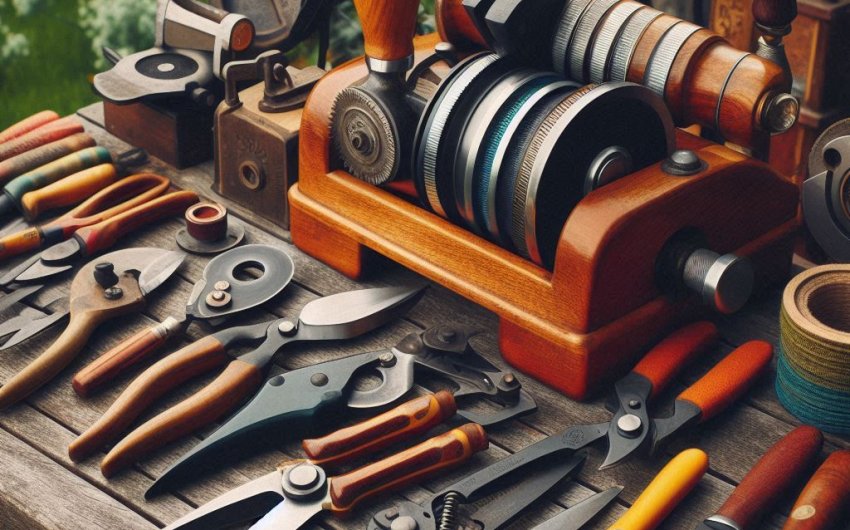
Every gardener knows the feeling: you grab your trusty garden shears to make a quick snip, only to find them struggling through a branch, tearing rather than cutting cleanly. It's frustrating, inefficient, and actually bad for your plants! Dull blades crush plant tissue, making cuts that are slow to heal and more open to diseases. Just like a chef needs sharp knives, a gardener needs sharp tools. It makes pruning easier, safer, and much better for the health of your plants.
But how do you bring those dull, tired blades back to life? You need a good tool sharpener. There's a wide world of sharpeners out there, from simple handheld options to more advanced systems. Choosing the right one for your garden shears can feel a bit overwhelming. Don't worry! This guide will break down the best tool sharpeners available, explaining what makes each one great and helping you pick the perfect one to keep your pruners, loppers, and hedge shears in top-notch cutting condition. Get ready to snip through your gardening tasks with ease and precision!
Why Is Sharpening Garden Shears So Important?
Sharpening your garden shears isn't just about making your life easier; it's a fundamental part of good plant care and tool maintenance. Dull tools are actually detrimental to both your plants and your efficiency.
What Happens When You Use Dull Garden Shears?
Using dull garden shears can lead to a host of problems that can quickly turn your pruning tasks into a frustrating and damaging chore.
- Damages Plants: This is the most crucial reason to keep your shears sharp. Dull blades don't make a clean cut; instead, they tear, crush, or fray the plant tissue.
- Slow Healing: Jagged or crushed cuts take much longer for the plant to heal. This leaves the plant vulnerable.
- Disease Entry Points: Open, ragged wounds are easy entry points for bacteria, fungi, and other plant diseases. It's like leaving a door wide open for infections.
- Pest Attraction: Stressed or damaged plant tissue can also attract certain pests, further weakening the plant.
- Stunted Growth: When a plant is constantly trying to heal large, messy wounds, it expends valuable energy on repair instead of growth and flowering.
- More Effort and Fatigue for You: Trying to cut with dull shears requires significantly more force and effort.
- Muscle Strain: You'll have to squeeze harder, leading to hand fatigue, wrist strain, and even shoulder pain, especially during prolonged pruning sessions.
- Blisters: Repetitive, forceful squeezing can lead to blisters on your hands.
- Increased Time: Tasks that should take seconds stretch into minutes as you struggle to make each cut.
- Unsafe Operation: Dull tools are actually more dangerous than sharp ones.
- Slipping: When you apply more force to a dull blade, it's more likely to slip off the branch, potentially leading to injuries to your hands or other body parts.
- Loss of Control: The lack of a clean cut means less control over where the blade goes.
- Reduced Tool Lifespan: Forcing dull blades through material puts undue stress on the entire tool.
- Blade Bending/Chipping: The blades themselves can bend, chip, or warp under the strain.
- Handle Stress: The handles and pivot points of your shears can also become damaged over time.
- Premature Wear: You'll end up replacing your tools more often if you don't maintain their sharpness.
In essence, using dull garden shears is a lose-lose situation. It's bad for your plants, bad for you, and bad for your tools.
What Are the Benefits of Sharp Garden Shears?
The opposite of all the problems with dull tools is what you get with sharp garden shears: efficiency, precision, and plant health.
- Clean Cuts for Plant Health: This is the primary benefit. Sharp blades slice cleanly through plant tissue, leaving a smooth, unfrayed cut.
- Rapid Healing: Clean cuts heal much faster, minimizing the time the plant is vulnerable to disease and pests.
- Disease Prevention: A quickly healed wound provides less opportunity for pathogens to enter the plant.
- Encourages Vigorous Growth: When plants heal efficiently, they can direct their energy into healthy new growth, flowering, and fruiting.
- Effortless Pruning and Reduced Fatigue:
- Smooth Operation: Sharp shears glide through branches with minimal effort. What once felt like a struggle now feels satisfyingly smooth.
- Less Strain: Your hands, wrists, and arms will thank you. You can prune for longer periods without discomfort.
- Increased Speed: Tasks are completed much more quickly and efficiently.
- Enhanced Safety:
- Precision: Sharp blades cut exactly where you intend them to, reducing the risk of slipping.
- Better Control: You have more control over the cut, leading to fewer accidents.
- Less Force Needed: When less force is required, there's less chance of a sudden slip or loss of balance.
- Extended Tool Lifespan:
- Less Wear and Tear: Sharp blades cut without excessive strain on the tool's components, preserving the integrity of the blades, pivot, and handles.
- Maintained Edge: Regular, light sharpening (honing) prevents the blades from becoming truly dull, making each sharpening session quicker and easier.
- Overall Gardening Enjoyment: There's a deep satisfaction that comes from using well-maintained, sharp tools. It elevates the entire gardening experience, making it more pleasurable and effective.
Investing in a good tool sharpener and making sharpening a regular part of your gardening routine is one of the easiest and most impactful ways to improve your gardening experience and the health of your plants.
What Types of Tool Sharpeners Are Best for Garden Shears?
Choosing the right tool sharpener for your garden shears depends on a few things: the type of shears you have, how dull they are, your comfort level with sharpening, and your budget. Let's look at the best options available.
1. Whetstones/Sharpening Stones: The Traditional Choice for Precision
Whetstones, also known as sharpening stones or water stones, are traditional tools for sharpening blades. They require a bit more skill and practice, but they offer incredible precision and can create a very fine, sharp edge.
- How They Work: Whetstones are abrasive blocks, typically made of natural or synthetic materials. They come in different grits (fineness of the abrasive particles), from coarse (for removing nicks and shaping an edge) to very fine (for polishing and creating a razor-sharp finish). You typically use them with water or oil as a lubricant.
- Pros:
- Ultimate Control and Precision: Allows you to control the sharpening angle very precisely, which is crucial for different types of blades.
- Versatile: Can sharpen almost any bladed tool, from kitchen knives to woodworking chisels, not just garden shears.
- Produces a Very Sharp Edge: With practice, you can achieve an incredibly keen edge that makes super clean cuts.
- Durable: A good quality whetstone can last for many, many years.
- Cons:
- Learning Curve: Requires practice and developing a feel for maintaining the correct angle. This is the biggest hurdle for beginners.
- Can Be Slower: The process of sharpening on a whetstone can take longer than with simpler sharpeners, especially if a blade is very dull or nicked.
- Messy: Requires water or oil, which can be messy.
- Cost: Quality multi-grit whetstones can be a bit more expensive upfront, but they're a long-term investment.
- Best For: Gardeners who want to achieve the absolute sharpest edge, are willing to learn a skill, and have a variety of bladed tools to maintain. Excellent for bypass pruners and loppers where a very clean, precise edge is paramount. Not ideal for serrated blades or wavy shears.
Tip for Use: Always keep the blade flat against the stone at the correct angle. Consistency is key! Start with a coarse grit to remove material and reshape the edge, then move to a finer grit to refine and polish.
2. Diamond Sharpeners: Durable and Efficient
Diamond sharpeners are similar to whetstones in concept but use industrial diamonds as the abrasive material. Diamonds are the hardest known substance, making these sharpeners incredibly effective and durable. They are often available in flat stone form, rods, or credit-card-sized plates.
- How They Work: Diamond particles are bonded to a metal surface. They can sharpen very quickly and efficiently, even on harder steels, and can be used dry or with water/oil. Like whetstones, they come in various grits.
- Pros:
- Extremely Effective: Sharpen very quickly due to the hardness of diamonds.
- Durable: Will not wear out or develop grooves like some natural stones.
- Versatile: Can sharpen a wide range of tools, including very hard steel.
- Less Messy (Can be used dry): Many diamond sharpeners can be used dry, which is convenient for quick touch-ups in the garden.
- Good for Nicks: Can quickly remove small nicks and burrs from blades.
- Cons:
- Cost: Generally more expensive than traditional whetstones.
- Can Be Aggressive: If not used carefully, they can remove too much material too quickly, especially on finer blades.
- Learning Curve: Still requires practice to maintain the correct angle, though some models have angle guides.
- Best For: Gardeners who want a durable, fast, and versatile sharpener that can handle very dull blades and provide a great edge. Ideal for diamond sharpening stones for most garden shears and even axes or shovels.
Tip for Use: Start with a light touch, as diamond sharpeners cut very aggressively. Pay attention to the original bevel (angle) of your blade.
3. Handheld/Pull-Through Sharpeners: Simple and Convenient
Handheld or pull-through sharpeners are designed for ease of use and quick touch-ups. They are very popular among beginners because they often have pre-set angles.
- How They Work: These sharpeners typically have one or more slots with carbide or ceramic abrasive blades set at a fixed angle. You simply "pull" the blade of your shear through the slot a few times. Some models also have a sharpening rod for single-bevel tools.
- Pros:
- Very Easy to Use: Minimal skill required. Just pull through!
- Fast: Quickly restores a working edge to a moderately dull blade.
- Portable: Small and lightweight, perfect for carrying in your gardening kit for quick touch-ups.
- Affordable: Generally the least expensive type of sharpener.
- Cons:
- Less Precision: The pre-set angles might not perfectly match your blade's original bevel, which can lead to a less refined edge.
- Removes More Material: Can remove more material than necessary over time, shortening the lifespan of your blade if used excessively.
- Limited Versatility: Best for straight-edged bypass pruners or loppers. Not suitable for anvil shears (which have a flat blade and a crushing plate) or tools with complex curves.
- Can Create a "Burr": May leave a slight burr (a tiny curled edge of metal) that needs to be removed.
- Best For: Beginners, those who need quick touch-ups, or anyone with limited time or desire to master traditional sharpening techniques. Excellent for maintaining the edge of hand pruners and small bypass loppers. Look for specific garden tool sharpeners.
Tip for Use: Use a very light touch. A few gentle pulls are often enough. After sharpening, wipe the blade clean and check for a burr. You can often remove a burr by lightly stroking the flat side of the blade on a fine sharpening stone or even a piece of cardboard.
4. Files: Good for Heavy-Duty and Single-Bevel Tools
Files, especially mill bastard files or single-cut files, are excellent for sharpening heavier-duty garden shears like anvil pruners, loppers, and hedge shears, as well as shovels, hoes, and axes. They are less about creating a razor edge and more about restoring a functional cutting angle and removing nicks.
- How They Work: A file uses rows of cutting teeth to abrade metal away. You push the file across the blade in one direction, maintaining a consistent angle.
- Pros:
- Removes Material Quickly: Great for very dull blades, nicks, or reshaping a severely damaged edge.
- Durable: A good quality file lasts a long time.
- Versatile for Heavy Tools: Ideal for larger garden shears and garden tools with a single bevel.
- Relatively Inexpensive: Very cost-effective.
- Cons:
- Doesn't Create a Fine Edge: Will leave a coarser edge compared to whetstones or diamond sharpeners. Not ideal for delicate pruning or razor sharpness.
- Requires Bracing: You often need to clamp the tool or brace it firmly to use a file effectively and safely.
- Learning Curve for Angle: You need to maintain a consistent angle by hand.
- Best For: Anvil pruners, hedge shears, loppers, shovels, axes, and other tough, working garden tools that need a durable edge more than a super fine one. Look for a metal sharpening file and a sharpening guide (if available).
Tip for Use: Always push the file away from the cutting edge. Start at the heel of the blade and stroke towards the tip. Use a consistent angle that matches the existing bevel. Finish by running the file lightly over the flat (unbeveled) side of the blade a few times to remove any burr.
5. Electric Sharpeners: Fast and Consistent (With Caution)
Electric sharpeners offer speed and consistency, taking some of the guesswork out of maintaining a proper angle. However, they need to be chosen carefully for garden shears.
- How They Work: These machines use abrasive wheels or belts powered by electricity. They often have guides to hold the blade at a pre-set angle as you draw it through.
- Pros:
- Fast: Can sharpen a blade very quickly.
- Consistent Angle: Guides help maintain a consistent sharpening angle, reducing the learning curve.
- Less Effort: The machine does the abrasive work.
- Cons:
- Can Remove Too Much Material: Because they're fast, it's easy to remove too much metal, shortening the life of your blades. Overheating is also a risk.
- Not All are Suitable: Many electric sharpeners are designed for kitchen knives, which have different blade geometries and steel hardness than garden shears. Choose one specifically for garden tools or a very versatile model.
- Cost: More expensive than manual sharpeners.
- Less Control: You have less fine control over the sharpening process compared to manual methods.
- Best For: Gardeners with many tools or commercial operations who prioritize speed and consistency, and are willing to invest. Look for specific electric garden tool sharpeners that operate at a low speed to prevent overheating the blade.
Tip for Use: Use a very light touch and move the blade slowly and smoothly through the sharpener. Check the blade frequently to avoid over-sharpening.
How Do I Sharpen Specific Types of Garden Shears?
The type of garden shear you have will determine the best sharpening method and the specific steps you'll need to take. Understanding the blade's design is key.
How to Sharpen Bypass Pruners and Loppers?
Bypass pruners and loppers work like scissors, with one blade passing by the other. This means they have a single beveled edge that needs to be sharpened.
- Clean the Blades: First and foremost, clean your pruners thoroughly. Use a stiff brush or an old rag to remove any sap, dirt, or debris from the blades. Sap can harden and make sharpening difficult. You can use rubbing alcohol or a specialized tool cleaner for garden tools to remove stubborn residue.
- Disassemble (Optional but Recommended): For a really thorough sharpening and cleaning, it's best to disassemble your pruners. Carefully unbolt the pivot point and separate the two blades. This allows you to work on each blade individually and safely. If you're just doing a quick touch-up, you can skip this step, but be extra careful.
- Identify the Bevel: Look at the cutting blade. You'll see it's beveled (angled) on one side, and flat on the other. You will only sharpen the beveled side. The flat side should remain perfectly flat.
- Choose Your Sharpener:
- Whetstone or Diamond Sharpener (Recommended): These give the best edge. Start with a medium grit (around 400-600) if the blade is dull, then move to a fine grit (1000-2000) for a polished edge.
- Handheld/Pull-Through Sharpener: Good for quick touch-ups if the blade is not too dull.
- Sharpening the Beveled Side:
- Maintain the Angle: This is the most crucial part. Place the sharpener flat against the existing bevel of the blade. Try to match that angle precisely.
- Stroke Direction: Push the sharpener along the length of the blade, moving from the pivot point towards the tip, in a single, continuous stroke, always pushing into the cutting edge.
- Repeat: Repeat this motion 5-10 times, applying moderate pressure. Check for a burr.
- Remove the Burr: As you sharpen, a tiny, thin wire-like curl of metal called a "burr" will form on the flat side of the blade. This burr indicates you've successfully sharpened the edge. To remove it:
- Lay the flat side of the blade completely flat against a very fine sharpening stone or even a piece of fine sandpaper (glued to a flat surface).
- Lightly stroke the flat side 2-3 times, away from the cutting edge. This will remove the burr.
- Test the Edge: Carefully run your thumbnail across the edge (don't use your finger!). If it catches slightly, it's sharp. You can also try cutting a piece of paper.
- Clean and Oil: Wipe away any metal shavings or grit. If you disassembled the pruners, reassemble them. Apply a thin coat of camellia oil for tools or light machine oil to the blades and pivot point to prevent rust and ensure smooth operation.
How to Sharpen Anvil Pruners and Loppers?
Anvil pruners have one sharp blade that closes against a flat "anvil" plate, crushing the branch rather than slicing it clean. This means they are best for dead wood and generally have a tougher, less refined edge.
- Clean the Blades: As with bypass shears, thoroughly clean the blade and the anvil plate to remove any sap or debris.
- Disassemble (Optional): For best results, consider disassembling the pruner to work on the blade separately.
- Identify the Bevel: The cutting blade of an anvil pruner typically has a single bevel. You will only sharpen this beveled side. The anvil plate is usually flat and does not get sharpened.
- Choose Your Sharpener:
- File (Recommended): A file is excellent for anvil pruners because you don't need a super-fine edge, and files remove material quickly.
- Diamond Sharpener: Also a good choice for efficiency.
- Sharpening the Beveled Side:
- Maintain the Angle: Place your file or sharpener flat against the existing bevel of the blade.
- Stroke Direction: Push the file or sharpener into the cutting edge, moving from the base towards the tip. Always push in one direction; do not rub back and forth.
- Repeat: Repeat 5-10 times until the edge feels sharp.
- Remove the Burr: A burr will form on the flat side of the blade. Use a finer sharpening stone, a diamond sharpener, or even the back of your file to lightly run across the flat side a few times to remove this burr.
- Clean and Oil: Wipe away any shavings. Reassemble if needed. Apply a thin coat of oil to the blade and pivot point.
Anvil pruners don't achieve the same razor-sharpness as bypass pruners, but a well-sharpened anvil pruner will make quick work of dead or woody stems without excessive effort.
How to Sharpen Hedge Shears and Grass Shears?
Hedge shears and grass shears typically have two straight cutting blades that work like large scissors. They require a similar sharpening approach to bypass pruners, but on a larger scale.
- Clean the Blades: Remove all sap, dirt, and debris from both blades.
- Disassemble (Optional but Recommended): For hedge shears, it's often easiest to separate the blades by unbolting the pivot point. This allows you to work safely and effectively on each blade.
- Identify the Bevels: Each blade of a hedge shear will have a bevel on one side and a flat side. You will sharpen both beveled sides.
- Choose Your Sharpener:
- Diamond Sharpener (flat or rod): Excellent for these longer blades.
- Whetstone: Also works well, but takes more effort due to the length.
- File: Good for restoring a basic edge quickly, but won't get super sharp.
- Sharpening Each Beveled Side:
- Maintain the Angle: Hold the sharpener flat against the existing bevel of one blade.
- Stroke Direction: Using long, even strokes, push the sharpener into the cutting edge, moving from the heel to the tip. Maintain that consistent angle.
- Repeat: Make several passes until you feel a burr forming on the flat side of the blade.
- Remove the Burr (for each blade): Flip the blade over and, keeping it completely flat, run a fine sharpening stone or diamond sharpener lightly along the flat side, away from the cutting edge, to remove the burr.
- Repeat for the Second Blade: Follow steps 5 and 6 for the other cutting blade.
- Clean and Oil: Once both blades are sharp and burr-free, wipe them clean. Reassemble the shears if you took them apart. Apply a thin layer of oil to the blades and pivot bolt for protection and smooth action.
How to Sharpen Specialized Garden Tools (Axe, Shovel, Hoe)?
While not strictly "shears," axes, shovels, and hoes are common garden tools that also benefit immensely from being sharp. They usually have a single beveled edge.
- Clean the Tool: Remove all dirt, rust, and debris from the blade.
- Secure the Tool: For safety, it's best to clamp the tool firmly in a vise or brace it securely against a workbench. Never try to sharpen these tools freehand.
- Identify the Bevel: Axes, shovels, and hoes typically have a single bevel (or sometimes a double bevel, but less common for garden tools). You'll sharpen this bevel.
- Choose Your Sharpener:
- File (Recommended): A mill bastard file is excellent for these heavy-duty tools.
- Diamond Sharpening Stone (Coarse/Medium Grit): Very effective and durable for these tools.
- Bench Grinder (with extreme caution and experience): Only for experienced users, as it can quickly remove too much material or overheat the blade.
- Sharpening the Bevel:
- Maintain the Angle: Hold the file or sharpener flat against the existing bevel. For shovels and hoes, the angle is usually less acute (more obtuse) than for cutting tools. For axes, follow the existing angle, which is typically quite steep.
- Stroke Direction: Push the file or sharpener into the cutting edge, moving in one direction.
- Repeat: Make several passes until the edge feels sharper and any nicks are reduced.
- Remove the Burr: A burr will form on the back (unbeveled) side. Run the file or sharpener lightly over the flat back side a few times to remove it.
- Clean and Oil: Wipe clean. Apply a coat of tool protecting oil to prevent rust.
Sharpening your specialized garden tools might seem like a chore, but it makes digging, chopping, and cultivating so much easier and more efficient, extending the life of your tools significantly.
How Do I Maintain the Sharpness of My Garden Shears?
Sharpening is only half the battle; maintaining that sharpness and keeping your garden shears in good working order is equally important for long-term performance and tool longevity. A little bit of regular care goes a long way.
How Often Should I Sharpen My Garden Shears?
There's no rigid schedule, as it depends on how much you use your tools and what you're cutting. However, here's a general guideline:
- After Every Major Pruning Session: If you've been doing a lot of cutting, especially on tougher wood, give your shears a quick touch-up or "hone" before putting them away. This keeps the edge keen and prevents them from becoming truly dull.
- Monthly During Growing Season: For active gardeners, a quick monthly sharpening session for frequently used tools like hand pruners can keep them consistently sharp.
- Annually Before Spring: At the beginning of the main gardening season in spring, give all your garden shears a thorough sharpening. This ensures they are ready for the busy season ahead.
- When You Notice a Difference: The most important indicator is how the tool feels. If it starts to struggle, tear, or require more effort, it's time to sharpen, even if you just sharpened it last week.
- Before Storing for Winter: Give all your tools a good cleaning and sharpening before putting them away for winter storage. This protects the blades and ensures they're ready to go in spring.
Regular, light sharpening (honing) is better than waiting until your tools are very dull and require more aggressive sharpening, which removes more metal.
What Is the Importance of Cleaning Garden Shears?
Cleaning your garden shears is as important as sharpening them. It prevents rust, removes corrosive sap, and stops the spread of diseases.
- After Every Use: Make it a habit to wipe down your blades after every use.
- Remove Sap and Debris: Sap, dirt, and plant residue can build up on blades. Sap, especially from resinous plants like conifers or fruit trees, can be sticky and corrosive.
- Use a Stiff Brush or Scouring Pad: For stubborn sap, use a stiff bristle brush or a non-scratch scouring pad.
- Warm Soapy Water (with drying): For very dirty tools, wash them with warm, soapy water. Immediately dry them thoroughly afterward to prevent rust.
- Rubbing Alcohol/Tool Cleaner: For sticky sap or to sterilize blades (important for preventing disease spread between plants), wipe them down with rubbing alcohol, hydrogen peroxide, or a specialized tool cleaner for garden tools. This is especially crucial when pruning diseased plants.
- Prevents Rust: Moisture left on blades will lead to rust, which dulls edges and pits the metal.
- Stops Disease Spread: Cleaning and sterilizing blades prevents you from transferring plant diseases (like blights or fungal infections) from one plant to another.
Clean blades also make sharpening easier and more effective, as you're sharpening clean metal, not sap and grime.
How Do I Lubricate and Store My Garden Shears?
Proper lubrication and storage are the final steps in tool maintenance, protecting your investment and ensuring your garden shears are always ready for action.
- Lubrication:
- After Cleaning: Once your shears are clean and dry, apply a thin coat of oil to the blades and the pivot point.
- Types of Oil:
- Camellia Oil: A traditional and excellent choice for garden tools. It's food-safe, non-toxic, and provides good rust protection. Look for camellia oil for tools.
- Light Machine Oil: Household lubricating oil (like 3-in-1 oil) also works well.
- WD-40 (Caution): While WD-40 can help clean and lubricate, it's primarily a water displacer. It can attract dust and doesn't provide long-lasting lubrication. Use it sparingly for cleaning, but follow up with a proper lubricating oil.
- Why Lubricate: Lubrication prevents rust by creating a protective barrier on the metal surfaces. It also ensures the pivot point operates smoothly, reducing friction and wear, making cutting easier.
- Storage:
- Dry Place: Always store your garden shears in a dry place. Humidity is the enemy of metal tools. A shed, garage, or tool chest is ideal.
- Away from the Ground: Don't leave them lying on the ground or in damp grass.
- Hang or Secure: Hang them on a pegboard or store them in a tool caddy or drawer where they won't get dinged or dulled. Some pruners come with a safety latch or holster to keep the blades closed.
- Long-Term Storage: For winter or extended storage, ensure tools are thoroughly cleaned, sharpened, and well-oiled. You might even consider rubbing a thin layer of petroleum jelly on the blades for extra protection.
By regularly cleaning, sharpening, lubricating, and properly storing your garden shears, you'll extend their lifespan, ensure they always perform at their best, and make your gardening tasks more enjoyable and effective. A sharp tool truly is a gardener's best friend!