
Top Electric Weed Trimmers for Quick Cleanups
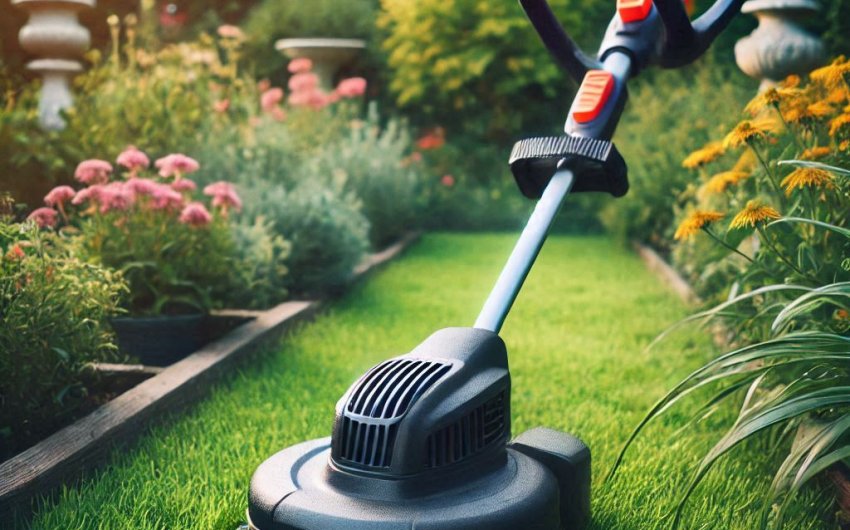
Keeping a garden or lawn neat and tidy often involves more than just mowing. Those pesky weeds that creep along fence lines, around trees, or in hard-to-reach corners can quickly make an otherwise pristine yard look overgrown. Manual weeding can be back-breaking work, and a lawnmower just can't get into all those tight spots. That's where a good weed trimmer becomes an essential tool. It's perfect for those quick cleanups, giving your edges a sharp finish and tackling stubborn growth that your mower misses.
For many homeowners, the thought of wrestling with gas engines, mixing fuel, and dealing with loud noise might be a turn-off. Luckily, electric weed trimmers have come a long way. They offer a powerful, convenient, and eco-friendlier alternative, making those quick cleanups much easier and quieter. With no gas to mix, instant starts, and less maintenance, they're becoming the go-to choice for homeowners seeking efficiency without the fuss. We'll explore the world of electric weed trimmers, highlighting the features that matter most and guiding you to the top electric weed trimmers for quick cleanups to keep your yard looking its best.
What is an Electric Weed Trimmer and Why Choose One?
An electric weed trimmer (also commonly called a string trimmer, weed wacker, or line trimmer) is a gardening tool that uses a rapidly spinning line or blade to cut grass and weeds in areas a lawnmower can't reach. Unlike traditional gas-powered models, electric trimmers are powered by electricity, either through a cord or a battery.
How Does an Electric Weed Trimmer Work?
- Motor: An electric motor (either brushed or brushless) spins a head at high speeds.
- Cutting Line: A nylon string or line is fed out from the head. This line spins so fast that it becomes rigid enough to cut through grass and light weeds. As the line wears down or breaks, more line is fed out (either automatically or by bumping the head on the ground).
- Power Source:
- Corded Electric: Plugs directly into an electrical outlet with an extension cord.
- Cordless (Battery-Powered) Electric: Uses a rechargeable battery pack for power.
Why Choose an Electric Weed Trimmer Over Gas?
Electric weed trimmers offer several compelling advantages, especially for homeowners looking for convenience and ease of use for quick cleanups.
- Ease of Use:
- Instant Start: No pull cords, no choke, no priming. Just press a button or pull a trigger, and it starts instantly.
- Lightweight: Generally much lighter than gas models, making them easier to maneuver and less tiring to use for extended periods.
- No Fuel Mixing: No messy gas and oil mixing, and no need to store flammable liquids.
- Lower Maintenance:
- No spark plugs, carburetors, or fuel filters to clean or replace. Maintenance typically involves keeping the cutting head clean and occasionally replacing the line.
- Quieter Operation: Electric trimmers produce significantly less noise than gas models, making them more pleasant to use and less disruptive to neighbors.
- Eco-Friendlier:
- Zero Emissions: No exhaust fumes while operating, contributing to cleaner air.
- Reduced Carbon Footprint: Especially true for battery-powered models charged with renewable energy.
- Cost-Effective: Often less expensive to purchase than gas models, and running costs (electricity vs. gasoline) are lower.
- Less Vibration: Generally produce less vibration, reducing user fatigue.
Who are Electric Weed Trimmers Best For?
Electric weed trimmers are ideal for:
- Homeowners with small to medium-sized yards.
- Those who need a trimmer for quick cleanups, edging, and trimming around obstacles.
- Anyone who prefers convenience, quiet operation, and less maintenance.
- Gardeners looking for an eco-friendlier option.
While they may not match the raw power of professional-grade gas trimmers for very heavy brush clearing, for typical home lawn and garden maintenance, electric weed trimmers are more than capable and offer a superior user experience.
What Features Matter Most in an Electric Weed Trimmer?
When choosing the top electric weed trimmers for quick cleanups, certain features stand out. These impact performance, ease of use, and overall value.
What About Power Source: Corded vs. Cordless?
This is the first major decision.
- Corded Electric Weed Trimmers:
- Pros: Unlimited runtime (as long as it's plugged in), generally lighter and more affordable than battery models, consistent power.
- Cons: Requires an extension cord, which can limit range, create trip hazards, and be inconvenient to manage.
- Best For: Small yards, constant power needs, budget-conscious buyers.
- You can find reliable Corded Electric Weed Trimmers.
- Cordless (Battery-Powered) Electric Weed Trimmers:
- Pros: Freedom of movement, no cord tangles or trip hazards, convenient for larger yards or multiple areas.
- Cons: Limited runtime (depends on battery size and power setting), batteries and chargers add to the cost, batteries degrade over time.
- Best For: Medium to large yards, multiple work areas, desire for maximum convenience and safety.
- Voltage: Look at the voltage (V) – higher voltage (e.g., 20V, 40V, 80V) generally means more power and longer runtime. A popular choice is a 40V Cordless String Trimmer.
- Battery System: Consider brands that offer a battery system where one battery works with multiple tools (mower, blower, hedge trimmer).
What is the Cutting Swath?
- Description: The cutting swath is the diameter of the area the cutting line covers with each pass.
- Importance: A larger cutting swath means you cover more ground faster, making quick cleanups even quicker.
- Typical Sizes: Ranging from 10 inches (small, lightweight models) to 15-16 inches (more powerful models).
- Recommendation: For quick cleanups on medium-sized yards, a 13-15 inch swath is a good balance of efficiency and maneuverability.
What About the Line Feeding System?
How the cutting line is advanced from the spool.
- Auto-Feed (Automatic Feed): The line automatically advances when it senses it's worn down or when the trigger is released.
- Pros: Most convenient, no bumping or manual adjustment needed.
- Cons: Can sometimes feed too much line, wasting it, or not enough.
- Bump Feed: You lightly tap (or "bump") the cutting head on the ground to advance more line.
- Pros: Gives the user more control over how much line is fed.
- Cons: Requires bumping, which can be annoying.
- Manual Feed: You have to manually pull out line from the spool.
- Pros: Simplest mechanism.
- Cons: Least convenient, interrupts workflow.
- Recommendation: Auto-feed is generally preferred for quick cleanups due to its convenience.
What is Motor Type: Brushed vs. Brushless?
- Brushed Motors: Traditional, common, and affordable.
- Brushless Motors: Newer technology.
- Pros: More efficient (longer battery runtime per charge), more powerful, longer lifespan, quieter.
- Cons: More expensive.
- Recommendation: For better performance and durability in cordless models, a Brushless String Trimmer is a worthy investment.
What About Ergonomics and Adjustability?
- Weight: Lighter trimmers reduce fatigue, especially for quick cleanups where you're moving around a lot.
- Adjustable Shaft/Height: Allows you to customize the trimmer's length to your height, improving comfort and reducing back strain.
- Adjustable Handle: A secondary handle that can be positioned for better balance and control.
- Edging Function: Many trimmers have a head that pivots to allow vertical cutting for neat lawn edges. A String Trimmer with Edger Function is very versatile.
Considering these features will help you pick an electric weed trimmer that's powerful enough for your needs, easy to use, and comfortable for quick and efficient cleanups.
What Are the Top Electric Weed Trimmers for Quick Cleanups (Categories)?
Instead of specific brands (as models change frequently), let's categorize the types of electric weed trimmers that excel at quick cleanups, helping you choose the best fit for your yard and preferences.
What are Best for Small Yards & Budget? (Corded or Smaller Cordless)
- Key Features: Lightweight, 10-12 inch cutting swath, often auto-feed.
- Why they're great: Perfect for trimming around a small house, small garden beds, or a small patio area. They are very easy to maneuver, light enough for almost anyone to use, and don't require heavy-duty power. Corded options offer unlimited run time without battery concerns.
- Typical Users: Apartment dwellers with small lawns, townhome owners, or those with very limited trimming needs.
- Example: A compact Corded Electric Trimmer or a 20V battery model.
What are Best for Medium Yards & Convenience? (Mid-Range Cordless)
- Key Features: 13-15 inch cutting swath, 40V or 60V battery system (often shared with other tools), often brushless motor, ergonomic design, auto-feed or reliable bump feed.
- Why they're great: Offers a fantastic balance of power, runtime, and freedom of movement. They can tackle larger areas without needing to drag a cord. The shared battery system is a huge plus, allowing you to use one battery for multiple lawn tools. The brushless motor gives them the extra oomph for slightly thicker weeds.
- Typical Users: Homeowners with average-sized suburban yards who want hassle-free trimming and may be investing in a battery-powered tool ecosystem.
- Example: A 40V Cordless String Trimmer from a reputable brand.
What are Best for Larger Yards & Performance? (High-End Cordless)
- Key Features: 15-16 inch cutting swath, 80V or higher battery system, powerful brushless motor, often has power adjustment modes (e.g., eco/high), comfortable harness/strap.
- Why they're great: These cordless trimmers approach the power of light-duty gas models without the noise or emissions. They can handle denser weeds and larger areas effectively. The higher voltage batteries provide extended runtime.
- Typical Users: Homeowners with larger properties, those who occasionally encounter tougher weeds, or anyone who wants top-tier performance from an electric trimmer.
- Example: An 80V Cordless String Trimmer from a leading power tool brand.
What About Specialized Features for Edging?
Many modern electric weed trimmers convert for edging.
- Pivoting Head: The trimmer head pivots 90 degrees to allow vertical cutting, perfect for creating clean, sharp edges along sidewalks and driveways.
- Edging Wheel/Guide: Some models include a small wheel or guide that rests on the hard surface, making it easier to maintain a consistent cutting depth for edging. A String Trimmer with Edger Wheel provides extra control.
By categorizing your needs and desired performance, you can narrow down the choices and confidently select one of the top electric weed trimmers for quick cleanups that will serve your yard well.
How to Maintain Your Electric Weed Trimmer?
One of the great advantages of electric weed trimmers is their low maintenance. However, a few simple tasks will keep your tool performing its best and extend its lifespan.
What About Cleaning Your Trimmer?
- After Each Use: This is the most important step. Unplug corded models or remove the battery from cordless models before cleaning.
- Remove Debris: Use a stiff brush, a stick, or a small Plastic Scraper Tool to scrape off accumulated grass clippings, dirt, and sap from the cutting head, guard, and shaft. Pay particular attention to the areas around the line spool and vents.
- Wipe Down: Wipe down the shaft and handles with a damp cloth.
- Avoid Water on Motor: Do not spray the motor housing or electrical components with water.
- Importance: Built-up debris can reduce efficiency, cause vibrations, and potentially lead to overheating or damage over time.
How to Manage the Cutting Line?
The cutting line is the consumables you'll replace most often.
- Replacing Line: Learn how to replace the line spool or re-spool new line onto your existing spool. This process varies by model (some are simpler than others). It's helpful to watch a video tutorial for your specific model. Keep extra Trimmer Line on hand.
- Line Diameter: Always use the correct diameter (thickness) of line recommended by your trimmer's manufacturer. Using too thick a line can stress the motor; too thin, and it will break too often.
- Storage: Store extra line in a cool, dark place to prevent it from becoming brittle. You can even soak new line in water for 24 hours before spooling to make it more pliable and durable.
What About Battery Care (for Cordless Models)?
Proper battery care extends the life and performance of your cordless trimmer.
- Charge Before Storage: For long-term storage (over a month), charge your lithium-ion battery to about 40-60% capacity. Avoid storing them completely empty or completely full.
- Store in Moderate Temperatures: Store batteries and chargers in a cool, dry place, away from extreme heat or cold.
- Don't Overcharge (Generally): Modern lithium-ion chargers are smart and prevent overcharging, but still, don't leave them on the charger indefinitely for months.
- Avoid Deep Discharges: Try not to run the battery completely flat too often, as this can reduce its overall lifespan. Recharging before it's fully depleted is better.
What About Blade Maintenance (if applicable)?
Some heavy-duty electric trimmers or brush cutters use blades instead of string.
- Sharpen or Replace: If your trimmer uses blades, keep them sharp. Dull blades tear rather than cut, straining the motor. Sharpen or replace them according to the manufacturer's instructions.
What About General Storage?
- Clean and Dry: Always clean your trimmer thoroughly before storing it for any period.
- Protected Area: Store your trimmer in a dry, protected area (shed, garage, utility closet) away from direct sunlight, extreme temperatures, and moisture.
By following these simple maintenance tips, your electric weed trimmer will remain a reliable and efficient tool for all your quick cleanup needs, keeping your yard pristine with minimal fuss.
What Are Other Tips for Efficient Weed Trimming?
Mastering your electric weed trimmer involves more than just owning a good one. A few smart techniques can make your quick cleanups even faster, neater, and more effective.
How to Use the Trimmer Properly?
- Wear Safety Gear: Always wear safety glasses or goggles, long pants, sturdy shoes, and consider ear protection (even electric trimmers can be noisy enough to warrant it) and gloves. Debris can fly.
- Maintain Proper Stance: Stand with your feet shoulder-width apart, holding the trimmer comfortably. Your lead hand should be on the handle, and your dominant hand on the trigger. Keep the trimmer head parallel to the ground for even cutting.
- Use a Sweeping Motion: Instead of jabbing the trimmer, use a wide, sweeping motion from side to side. Imagine you're using a scythe. This allows the line to do its job effectively.
- Use Just the Tip of the Line: Don't try to cut with the entire length of the line. Just use the very tip. This prevents the motor from bogging down, makes the line last longer, and gives a cleaner cut.
- Work in Layers: For very tall or dense weeds, don't try to cut them all down at once. Make several passes, lowering the cutting height with each pass. This prevents tangles and strains on the motor.
- Edge with Care: When using the edging function, take your time. Go slowly and use the guide wheel (if available) to create a straight, clean edge.
How to Optimize Battery Life (Cordless Models)?
- Charge Before Use: Always start with a fully charged battery.
- Have a Backup: For larger jobs or if you plan to use it for more than quick cleanups, having a second Replacement Trimmer Battery can save interruptions.
- Manage Power Modes: If your trimmer has different power settings (e.g., eco mode, high speed), use the lowest effective setting for lighter tasks to conserve battery.
What About Using the Right Line?
- Correct Diameter: As mentioned, always use the line diameter recommended by the manufacturer.
- Line Shape: While round line is standard, some lines are shaped (twisted, square, star) to provide a more aggressive cut for tougher weeds. Experiment to see what works best for your needs.
What About Regular Mowing?
- Frequent Mowing Reduces Weeds: Keeping your lawn regularly mowed to the correct height (usually 3-4 inches) helps deter many weeds by shading the soil and promoting a dense turf. This reduces the amount of trimming needed.
- Mow Before Trimming: Mow your main lawn area first, then use the trimmer for the detailed work.
By combining the power and convenience of the top electric weed trimmers with smart usage and maintenance tips, you can efficiently keep your lawn and garden edges impeccably neat, achieving quick cleanups with ease and minimal fuss.