
How to Maintain Your Pruning Tools for Long Life?
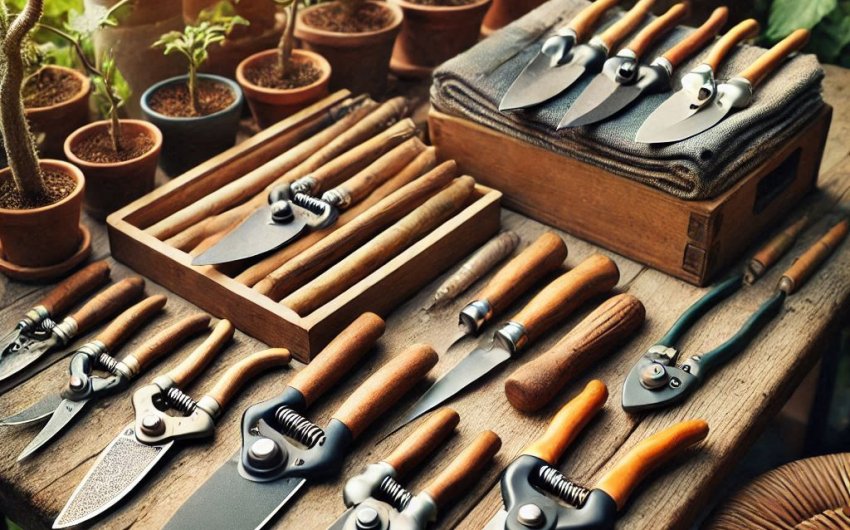
Every gardener knows the satisfaction of making a clean, precise cut on a stubborn branch or shaping a unruly shrub into perfect form. Achieving these results, however, isn't just about skill; it's profoundly dependent on the quality and condition of your pruning tools. A dull, rusty, or sticky pair of bypass pruners won't just make your job harder; it can actually harm your plants by creating jagged cuts that invite disease. Investing in good pruning shears, loppers, or a pruning saw is only half the battle. The other, equally important half, is learning how to properly maintain them.
Think of your pruning tools as an extension of your hands in the garden. Just like you wouldn't perform surgery with dirty, blunt instruments, you shouldn't prune your beloved plants with neglected tools. Regular care not only extends the life of your equipment, saving you money in the long run, but also ensures healthier cuts for your plants, leading to faster healing and better growth. From simple cleaning after each use to proper sharpening and rust prevention, a little routine maintenance goes a long way in turning your pruning chores into a smooth, efficient, and enjoyable task. Let's delve into the ultimate guide to maintaining your pruning tools for long life.
Why Is Proper Maintenance of Pruning Tools So Important?
Many gardeners overlook the simple but critical step of maintaining pruning tools. They might reach for a dull, sticky, or even rusty pair of shears without a second thought. However, the condition of your pruning shears, loppers, and pruning saws directly impacts not only your work efficiency but, more importantly, the health of your plants. Neglecting tool care can turn a beneficial pruning session into a detrimental one.
How Does Proper Tool Maintenance Benefit Your Plants?
- Clean Cuts Promote Faster Healing: A sharp, clean blade makes a crisp, smooth cut. This is like a surgical incision for your plants. A clean wound allows the plant to heal quickly and efficiently by forming a callus (new tissue) over the cut surface.
- Prevents Disease Spread: Dirty or rusty blades can harbor disease pathogens (bacteria, fungi, viruses) from one plant and easily transfer them to the next with each cut. This is especially true if you're pruning diseased material. A clean, disinfected blade significantly reduces the risk of transmitting infections.
- Reduces Plant Stress: Dull blades tear and crush plant tissue instead of cutting it cleanly. These ragged cuts are difficult for the plant to heal, leaving large, open wounds that act as entry points for pests and diseases. This puts immense stress on the plant, diverting its energy from growth and health to recovery.
- Encourages Better Growth: Healthy, well-healed cuts lead to strong, new growth in the desired direction. Stressed plants from poor cuts will often produce weaker growth.
How Does Proper Tool Maintenance Benefit You and Your Tools?
- Extends Tool Lifespan: Regular cleaning, sharpening, and oiling prevent rust, corrosion, and premature wear, ensuring your tools last for many years, even decades. This saves you money in the long run by avoiding costly replacements.
- Saves Effort and Energy: Sharp tools glide through branches with minimal effort. Dull tools require excessive force, leading to hand fatigue, blisters, and potential injury from slipping.
- Improves Pruning Efficiency: You can get your pruning tasks done faster and more effectively with sharp, well-maintained tools.
- Maintains Investment: Good quality pruning shears pruning shears can be a significant investment. Proper maintenance protects that investment.
- Safety: A sharp blade, when handled correctly, is safer than a dull blade. Dull blades require more force, increasing the risk of the tool slipping and causing injury to you.
In essence, tool maintenance is an integral part of good gardening practice. It's an act of care not just for your tools, but for your plants and for yourself.
What Is the Routine After Every Use?
The most important step in extending the life of your pruning tools and ensuring plant health is a quick but consistent routine after every use. This takes only a few minutes but makes a huge difference.
Step 1: Clean Off Sap and Debris
- Why it's important: Plant sap, resin, and soil particles stick to blades. If left, this sticky residue hardens, making cuts difficult, encouraging rust, and harboring disease pathogens.
- How to do it:
- Wipe Down: Use a rag or old cloth to wipe off sap and debris from the blades immediately after you finish pruning.
- Rubbing Alcohol: For stubborn sap, use a cloth dampened with rubbing alcohol rubbing alcohol (isopropyl alcohol) or a specialized resin cleaner pruner resin cleaner. The alcohol helps dissolve sticky resins.
- Wire Brush/Scraper: For very tough, dried-on grime, you can use a fine wire brush or a dull knife/scraper to gently scrape it off, being careful not to dull or scratch the blade edge. A pruner cleaning brush can be helpful.
Step 2: Disinfect Blades
- Why it's important: Even if you can't see anything, microscopic pathogens (fungi, bacteria, viruses) can cling to blades, especially if you've been pruning diseased plants. Disinfecting prevents their spread.
- How to do it: After cleaning off visible debris, wipe the blades down with one of the following:
- Rubbing Alcohol (70% or 100%): This is highly effective and evaporates quickly. Simply wipe generously.
- Household Disinfectant Wipes: Convenient for a quick wipe.
- Bleach Solution (1 part bleach to 9 parts water): Effective but can be corrosive to tools over time. If you use bleach, make sure to rinse the tools thoroughly with clean water afterwards and dry them immediately before oiling.
- Pro Tip: If you're pruning diseased plants, disinfect your tools between each plant (or even between major cuts on the same plant) to prevent spreading the infection.
Step 3: Dry Thoroughly
- Why it's important: Water is the enemy! Even a small amount of moisture left on metal surfaces will lead to rust, especially if the tools are stored.
- How to do it: Use a clean, dry cloth to thoroughly dry all metal parts of your pruning tools, paying extra attention to the blades, springs, and pivot points.
Step 4: Lightly Oil Metal Parts
- Why it's important: A thin coat of oil protects metal from moisture and corrosion (rust) and helps keep moving parts working smoothly.
- How to do it: Apply a few drops of tool oil tool oil (like 3-in-1 oil, mineral oil, or camellia oil) to the blades and pivot points. Wipe off any excess. This forms a protective barrier.
Step 5: Store Properly
- Why it's important: Tools left outside or in damp conditions will quickly rust and degrade.
- How to do it: Store your clean, dry, and oiled tools in a dry place, away from humidity. A tool shed, garage, or even a drawer in a utility room is ideal. Consider using a tool holster pruning tool holster for easy access during gardening but always clean and oil before putting them away for longer periods.
By following this simple five-step routine after every pruning session, you'll ensure your tools stay sharp, clean, rust-free, and ready for their next task, while also protecting the health of your plants.
How Do You Sharpen Pruning Tools?
A sharp blade is the hallmark of a well-maintained pruning tool. Over time, even the best quality steel will become dull with use. Knowing how to sharpen your pruning shears, loppers, and pruning saw is a fundamental skill for any serious gardener. This ensures clean cuts and reduces effort.
Understanding the Types of Pruning Tools and Their Sharpening Needs:
- Bypass Pruners/Shears and Loppers: These have two blades that "bypass" each other, like scissors. Only one blade (the cutting blade) needs to be sharpened. The other (the bypass blade or anvil) should remain flat.
- Anvil Pruners/Shears: These have a single cutting blade that closes against a flat "anvil" plate. Only the cutting blade needs to be sharpened.
- Pruning Saws: These have sharp teeth designed to cut on the pull stroke (Japanese saws) or both push and pull (Western saws). Sharpening saw teeth is more complex and often requires specialized files or professional service. For home gardeners, it's often more practical to replace the blade if it becomes dull, or the entire saw if blades aren't replaceable.
What You'll Need to Sharpen Blades:
- Sharpening Stone or Diamond File: A pruning tool sharpener pruning tool sharpener or a fine-grit sharpening stone sharpening stone is essential. Diamond files are often preferred as they work quickly and on very hard steels.
- Rag and Rubbing Alcohol: For cleaning the blade beforehand.
- Work Gloves: To protect your hands.
- Tool Oil: For lubricating after sharpening.
Step-by-Step Sharpening for Pruners and Loppers (Bypass/Anvil):
- Disassemble (If Possible and Needed): For a thorough sharpening, it's often best to disassemble your pruners. This allows you to work on the cutting blade flat and get into tight spots. Keep track of all parts! If you're not comfortable disassembling, you can often sharpen them while assembled, but it might be trickier.
- Clean the Blade: Thoroughly clean off all sap, dirt, and rust from the cutting blade using rubbing alcohol and a rag or wire brush. A clean surface is vital for effective sharpening.
- Identify the Bevel: Look closely at the cutting blade. You'll see a beveled (slanted) edge on one side and a flat side on the other. You only sharpen the beveled side. The flat side should be kept flat to allow for a clean cut against the other blade or anvil.
- Find the Correct Angle: The angle of your sharpening tool to the blade is critical. Lay the sharpener flat against the existing beveled edge. You want to match this angle exactly. This is often between 15-25 degrees, but don't try to change the factory angle.
- Sharpen the Beveled Edge:
- Holding the sharpening stone or diamond file at the correct angle, push it across the beveled edge in one direction (away from you, or away from the blade edge), applying moderate, consistent pressure.
- Repeat this stroke 5-10 times, always in the same direction.
- Rotate the blade as you sharpen to ensure you sharpen the entire cutting edge, from pivot to tip.
- Continue until you feel a "burr" (a tiny wire edge) on the flat side of the blade. This indicates you've sharpened enough on the beveled side.
- Remove the Burr:
- Turn the blade over to the flat side.
- Lay the sharpening stone flat against this side (at 0 degrees) and make 1-2 very light strokes to remove the burr. This will result in a razor-sharp edge.
- Reassemble and Oil: If you disassembled the tool, reassemble it. Apply a light coat of tool oil tool oil to all metal parts, especially the pivot point and the newly sharpened blade, to lubricate and prevent rust.
- Test the Sharpness: Test the sharpness on a piece of paper or a small, soft twig. It should cut cleanly and smoothly.
When to Sharpen:
- Regularly: For active gardeners, sharpen blades after every 10-20 uses, or whenever you notice them becoming less efficient or tearing rather than cutting cleanly.
- Seasonally: At least once per year as part of your end-of-season tool maintenance.
Sharpening your pruning tools is a skill that improves with practice. A properly sharpened tool not only makes pruning easier and more effective but also contributes directly to the health and beauty of your plants.
What Is the Annual or Seasonal Maintenance Routine for Pruning Tools?
Beyond the quick clean-and-oil after each use, your pruning tools benefit from a more thorough, annual or seasonal maintenance routine. This deep cleaning and inspection will ensure they remain in top condition for years and address any issues that may have developed over time.
Step 1: Thorough Disassembly (If Applicable)
- Why it's important: Disassembling allows you to clean, inspect, and lubricate every part, including those hidden by other components. This is especially helpful for pruning shears and loppers.
- How to do it: Lay out all parts on a clean surface so you don't lose anything. Take photos as you go if you're worried about remembering how to reassemble. You'll likely need a screwdriver, wrenches, or pliers for this.
Step 2: Deep Cleaning and Rust Removal
- Why it's important: Remove all accumulated sap, dirt, and, most importantly, any rust that has started to form. Rust weakens metal and hinders performance.
- How to do it:
- Scrub Blades and Metal Parts: Use steel wool fine steel wool, a wire brush, or a stiff scrubbing pad with a mild detergent and water. For very stubborn rust, you can use a rust remover solution (follow product instructions carefully).
- Vinegar Soak (for light rust): For tools with light rust, a soak in white vinegar for a few hours can help dissolve it. Afterwards, scrub vigorously with steel wool. Always rinse thoroughly with clean water immediately after any rust removal treatment.
- Dry Completely: After cleaning, thoroughly dry every single part with a clean cloth. You can even let them air dry in a warm, dry spot for a few hours to ensure no hidden moisture.
Step 3: Sharpen Blades (as detailed in previous section)
- This is the perfect time for a thorough sharpening, now that the blades are clean and potentially disassembled. Ensure both the cutting edge and the flat side (for bypass pruners) are perfectly clean before sharpening.
Step 4: Inspect and Replace Worn Parts
- Why it's important: Springs wear out, bolts loosen, and handles can become damaged. Catching these issues early prevents breakage and injury during use.
- What to check:
- Springs: Are they still strong and providing good tension? If a spring is weak or broken, replace it. Many manufacturers sell replacement springs for pruners replacement springs for pruners.
- Bolts and Nuts: Are they tight? Tighten any loose ones. If parts are stripped, they may need replacement.
- Handles: Are they cracked, loose, or splintering? Repair or replace as needed. Sand down splinters on wooden handles and apply a protective oil or sealant.
- Blades: Are there any chips or deep nicks that can't be sharpened out? If so, consider replacing the blade (if available for your model) or the entire tool.
Step 5: Lubricate All Moving Parts
- Why it's important: Lubrication ensures smooth operation and prevents wear on friction points.
- How to do it: Apply a liberal amount of tool oil tool oil to all pivot points, springs, and any other moving parts. Reassemble the tool, then wipe off any excess oil.
Step 6: Store Properly for the Season
- Why it's important: Protecting tools during storage prevents rust and damage.
- How to do it: Once thoroughly cleaned, sharpened, inspected, and oiled, store your tools in a dry, protected place. A tool bag garden tool bag or tool rack in a shed or garage is ideal. Avoid storing them directly on concrete floors where moisture can condense.
Performing this annual ritual will not only make your pruning tools last a lifetime but also ensure they are always ready to make those crucial, clean cuts that keep your garden healthy and beautiful.
What Are Some Best Practices for Tool Storage and Care?
Beyond the regular cleaning and annual maintenance, how you store your pruning tools and some general care habits can significantly impact their longevity and performance. Proper storage protects your investment from the elements and keeps them ready for action.
Ideal Storage Conditions:
- Dry Environment: This is the most critical factor. Moisture is the number one cause of rust and corrosion.
- Tool Shed or Garage: Store tools in a dry shed, garage, or workshop where they are protected from rain, dew, and high humidity.
- Avoid Damp Basements/Concrete: Basements can often be damp. Storing tools directly on concrete floors can lead to condensation and rust. Use shelves, tool racks, or place them in toolboxes or bags.
- Organized and Accessible:
- Wall Racks/Pegboards: A wall-mounted tool rack wall-mounted tool rack or pegboard pegboard tool organizer keeps tools off the floor, visible, and prevents them from banging into each other, which can dull edges or cause damage.
- Toolboxes/Bags: For smaller tools or those you transport, a durable gardening tool bag gardening tool bag or toolbox keeps them protected and organized.
- Closed and Protected (for Pruning Saws): Pruning saws, especially those with aggressive teeth, should be stored with a blade guard to protect the teeth and prevent accidental cuts. Many come with a sheath.
General Care Habits to Extend Life:
- Don't Use for the Wrong Job:
- Pruners are for Living Wood: Don't use bypass pruners to cut wire, plastic, or dead, woody branches that are too thick for them. This will quickly dull or damage the blades.
- Match the Tool to the Task: Use loppers garden loppers for thicker branches (up to 1.5-2 inches, depending on the lopper) and a pruning saw pruning saw for anything thicker than that. Overusing a tool beyond its capacity is a fast track to breakage.
- Always Lock Pruners: When not actively using your pruning shears or storing them, engage the locking mechanism. This keeps the blades safely closed, protects the edge from damage, and prevents accidental cuts.
- Don't Leave Tools Outside: This seems obvious, but it's a common mistake. Even just overnight, dew and humidity can cause rust. Make it a habit to bring your tools in after every use.
- Consider Quality Tools: While good maintenance can extend the life of any tool, starting with high-quality pruning tools made from durable materials (like high-carbon steel) will give you a better foundation. They hold an edge longer and are more resistant to rust and breakage. Brands like Felco, Fiskars, and Corona are often highly rated.
- Label or Color-Code: If you share tools or have multiple sets, consider labeling them or adding colored tape to the handles to easily identify them.
By integrating these best practices for storage and general care into your gardening routine, you'll not only preserve the functionality and appearance of your pruning tools but also ensure they remain reliable allies in cultivating a beautiful and healthy garden for years to come.