
Companion Planting Guide: Best Plant Combinations for a Healthy Garden
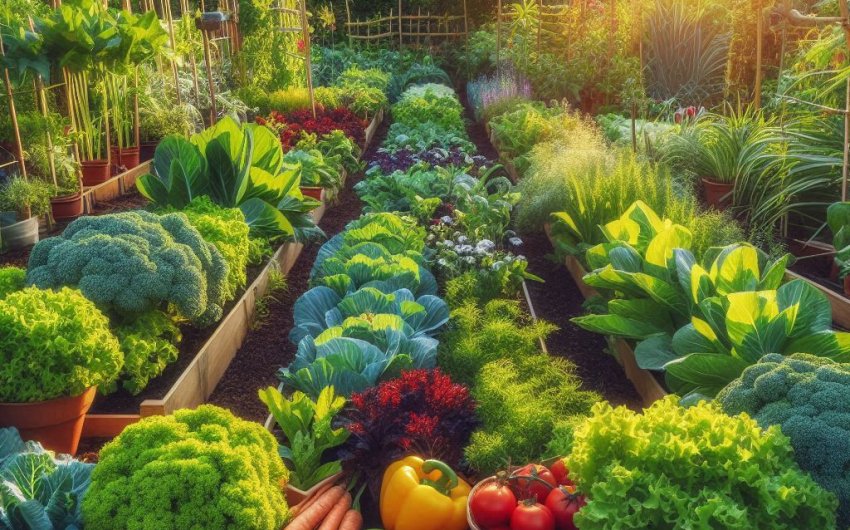
Companion planting is a gardening strategy that involves growing different plants close together for mutual benefit, leading to a healthier garden, naturally deterring pests, and sometimes even improving flavor. This guide explores the best plant combinations to create a thriving and balanced ecosystem in your backyard.
What is Companion Planting and How Does It Work?
Companion planting is an age-old gardening practice that strategically places different plant species in close proximity to each other to achieve various benefits. It's based on the idea that certain plants, when grown together, can mutually support each other's growth, health, and productivity. This holistic approach leverages natural interactions to create a more resilient and balanced garden ecosystem.
How Companion Planting Benefits Your Garden
Companion planting works through several fascinating mechanisms, often mimicking the diversity found in natural ecosystems rather than monocultures.
Pest Deterrence and Repellence:
- Some plants emit compounds (volatile organic compounds) through their roots or foliage that are distasteful or disorienting to common garden pests, effectively driving them away. For example, marigolds are known to repel nematodes.
- Others act as "trap crops," attracting pests away from more valuable plants.
- Certain strong-smelling herbs can "mask" the scent of vulnerable crops, making it harder for pests to locate their preferred food source.
Attraction of Beneficial Insects:
- Many companion plants, particularly flowering herbs and certain annuals, produce nectar and pollen that attract beneficial insects like ladybugs (which eat aphids), lacewings, parasitic wasps, and hoverflies (whose larvae consume pests). These "insectary plants" act as natural pest control.
Improved Growth and Health:
Advertisement- Nutrient Cycling: Legumes (like beans and peas) have root nodules that host nitrogen-fixing bacteria, converting atmospheric nitrogen into a form usable by plants. Planting these near nitrogen-hungry crops can enrich the soil.
- Soil Health: Some plants can improve soil structure or provide groundcover, which helps regulate soil temperature and moisture.
- Support: Tall, sturdy plants can act as natural trellises for climbing plants.
Weed Suppression:
- Low-growing, spreading plants can act as a "living mulch," shading the soil and preventing weed seeds from germinating, thus reducing weeding chores.
Enhanced Flavor:
- While anecdotal for some pairs, it's believed that certain plant combinations can subtly influence the flavor or aroma of neighboring crops. For example, basil is often said to improve tomato flavor.
Shade and Wind Protection:
- Taller plants can provide beneficial shade for sun-sensitive crops during the hottest parts of the day. They can also act as windbreaks.
Increased Pollination:
- Planting attractive flowering companions near fruiting vegetables can draw more pollinators (bees, butterflies) to the garden, leading to better fruit set and higher yields.
Companion planting is a natural, chemical-free way to create a more resilient, productive, and beautiful garden by harnessing the power of plant interactions. It encourages biodiversity and leads to a healthier garden ecosystem.
What Are the Best Companion Plants for Common Vegetables?
Implementing companion planting effectively means knowing which specific plants work well together to benefit common garden vegetables. Here are some of the best combinations that gardeners widely recommend for a healthier and more productive harvest.
Companion Planting for Popular Vegetables
| Vegetable | Good Companions | Benefits | Avoid Planting With |
|---|---|---|---|
| Tomatoes | Basil: Improves flavor, repels flies and hornworms. Marigolds (French): Repel nematodes and other pests. Carrots: Loose soil for carrots can benefit tomato roots. Borage: Attracts pollinators, deters tomato hornworms. Nasturtiums: Trap crop for aphids, deters whiteflies. Mint: Repels flea beetles (plant in pots to contain spread). |
Pest deterrence, flavor enhancement, beneficial insect attraction. | Cabbage family, Fennel, Corn (competes for nutrients) |
| Peppers | Tomatoes: Good neighbors, provide shade. Carrots: Loose soil helps both. Onions: Deter some pests. Marigolds: Pest deterrence. Basil: Repels flies and mosquitoes. |
Pest deterrence, beneficial growth. | Beans (can stunt growth), Kohlrabi |
| Cucumbers | Corn: Provides natural trellis. Beans: Nitrogen fixation. Radishes: Deters cucumber beetles. Nasturtiums: Trap crop for aphids, attracts beneficials. Marigolds: Repel nematodes. Dill: Attracts beneficial insects. |
Pest deterrence, natural support, improved growth. | Potatoes (competes for nutrients) |
| Beans | Corn: Provides support for pole beans. Squash: Provides living mulch, suppresses weeds, retains moisture. (The "Three Sisters" combination). Carrots: Improve soil. Marigolds: Repel nematodes. Rosemary: Deters bean beetles. |
Natural support, weed suppression, nitrogen fixation, pest deterrence. | Onions, Garlic, Gladiolus, Fennel, Marigolds (African) |
| Squash | Corn: Provides shade. Beans: Nitrogen fixation. Radishes: Deter squash vine borer. Nasturtiums: Trap crop for squash bugs. Marigolds: Pest deterrence. Borage: Attracts pollinators. |
Natural support, pest deterrence, nitrogen fixation. | Potatoes |
| Carrots | Rosemary: Deters carrot rust fly. Lettuce: Provides living mulch, helps keep soil cool. Radishes: Break up soil, harvested early leaving space. Onions/Leeks: Deter carrot rust fly. |
Pest deterrence, improved soil texture, weed suppression. | Dill (can reduce growth), Celery |
| Cabbage Family (Broccoli, Cabbage, Kale, etc.) | Dill: Attracts beneficial wasps that control cabbage worms. Mint: Repels cabbage moths and flea beetles. Rosemary: Repels cabbage loopers. Thyme: Deters cabbage worms. Onions/Garlic: Repel aphids and loopers. |
Strong pest deterrence, beneficial insect attraction. | Strawberries (can stunt growth), Tomatoes, Pole Beans |
| Corn | Beans: Nitrogen fixation. Squash: Ground cover, weed suppression. (Three Sisters). Pumpkins: Similar to squash. Melons: Similar to squash. |
Nitrogen fixation, natural support, weed suppression. | Tomatoes, Sunflowers (competes for nutrients) |
| Lettuce | Carrots: Provides living mulch. Radishes: Loose soil benefits lettuce. Mint: Repels slugs and snails (plant in pots). |
Weed suppression, pest deterrence. | Cabbage family |
| Potatoes | Beans: Nitrogen fixation. Corn: Provides shade. Nasturtiums: Trap crop for potato beetles. Marigolds: Repel nematodes. |
Nitrogen fixation, pest deterrence. | Tomatoes (share common blights), Cucumbers, Pumpkins, Squash, Raspberries, Sunflowers |
Remember to always consider the light, water, and nutrient needs of all plants in a combination. Companion planting is a powerful tool in creating a resilient and healthy garden without relying on chemical interventions.
What Are the Best Herbs for Companion Planting?
Herbs are some of the most versatile and effective players in companion planting, offering a wide range of benefits from pest deterrence to attracting beneficial insects, and sometimes even enhancing the flavor of vegetables. Their strong aromas and often continuous blooms make them indispensable in an organic garden.
Top Herbs for Companion Planting and Their Benefits
Basil ( Ocimum basilicum ):
- Good for: Tomatoes, Peppers, Lettuce.
- Benefits: Repels flies, mosquitoes, and tomato hornworms. Said to improve the flavor of tomatoes. Its strong scent can mask the smell of vulnerable crops.
- Placement: Plant close to tomatoes or peppers.
Borage ( Borago officinalis ):
- Good for: Tomatoes, Squash, Strawberries, Cabbage.
- Benefits: Attracts pollinators (especially bees) and beneficial insects (like predatory wasps that prey on tomato hornworms and cabbage worms). Also enriches soil with minerals when it decomposes.
- Placement: Plant scattered throughout the garden.
Chamomile ( Matricaria chamomilla ):
- Good for: Most vegetables, especially Cabbage, Onions.
- Benefits: Attracts beneficial insects. Said to improve the growth and flavor of nearby plants.
- Placement: Plant near sensitive crops.
Chives ( Allium schoenoprasum ):
- Good for: Carrots, Tomatoes, Apples, Roses, Grapes.
- Benefits: Deters aphids, carrot rust flies, and Japanese beetles. Can help prevent black spot on roses.
- Placement: Plant at the base of vulnerable plants.
Cilantro/Coriander ( Coriandrum sativum ):
- Good for: Anise, Caraway, Potatoes, Dill.
- Benefits: Attracts beneficial insects when allowed to flower (e.g., hoverflies, lacewings that feed on aphids).
- Placement: Plant in areas where aphids are common.
Dill ( Anethum graveolens ):
- Good for: Cabbage, Broccoli, Lettuce, Corn, Onions.
- Benefits: Attracts beneficial predatory wasps (that parasitize cabbage worms and aphids), hoverflies, and ladybugs. Also a host plant for Swallowtail butterfly caterpillars.
- Placement: Plant near brassicas.
Lavender ( Lavandula angustifolia ):
- Good for: Most vegetables.
- Benefits: Repels deer, rabbits, and some insect pests (like moths). Attracts many types of bees and other pollinators.
- Placement: Plant along garden borders or as a fragrant pathway.
Mint ( Mentha spp. ):
- Good for: Cabbage, Tomatoes, Carrots.
- Benefits: Deters cabbage moths, aphids, flea beetles, and rodents. Its strong scent can mask other plants.
- Placement: Plant in pots buried in the ground or in containers to prevent aggressive spreading, as mint can quickly take over.
Nasturtiums ( Tropaeolum majus ):
- Good for: Squash, Cucumbers, Tomatoes, Cabbage, Radishes.
- Benefits: Excellent trap crop for aphids (they prefer nasturtiums over other plants). Also deters squash bugs, cucumber beetles, and whiteflies. Adds edible flowers and leaves to the garden.
- Placement: Plant around vulnerable crops.
Oregano ( Origanum vulgare ):
- Good for: Most vegetables, especially Cabbage.
- Benefits: Deters many insect pests. Attracts beneficial insects.
- Placement: Plant throughout the garden.
Rosemary ( Rosmarinus officinalis ):
- Good for: Cabbage, Carrots, Beans, Sage.
- Benefits: Repels cabbage moths, bean beetles, and carrot rust flies. Attracts beneficial insects.
- Placement: Plant near susceptible vegetables.
Sage ( Salvia officinalis ):
- Good for: Cabbage, Carrots, Rosemary.
- Benefits: Deters cabbage moths, carrot rust flies, and flea beetles.
- Placement: Plant near brassicas.
Thyme ( Thymus vulgaris ):
- Good for: Cabbage, Potatoes.
- Benefits: Repels cabbage worms. Attracts beneficial insects.
- Placement: Plant as a ground cover or border plant.
Incorporating these herbs into your garden plan can dramatically reduce pest issues and promote a flourishing, chemical-free environment. You can purchase herb seeds for companion planting to get started.
What Flowers Are Best for Companion Planting?
Flowers are indispensable allies in companion planting, adding beauty to the garden while actively contributing to pest control and pollination. They leverage vibrant colors and often strong scents to create a healthy, balanced ecosystem.
Top Flowers for Companion Planting and Their Benefits
Marigolds ( Tagetes spp. ):
- Good for: Tomatoes, Potatoes, Roses, Beans, Cabbage, virtually all vegetables.
- Benefits: Extremely popular for their pest-repelling properties. French marigolds ( Tagetes patula ) are especially known for deterring nematodes (microscopic worms that damage roots) in the soil. All marigolds can help repel other pests like whiteflies, squash bugs, and aphids.
- Placement: Plant liberally throughout the vegetable garden and around susceptible plants.
- Avoid: African marigolds ( Tagetes erecta ) may inhibit bean growth.
Nasturtiums ( Tropaeolum majus ):
- Good for: Squash, Cucumbers, Tomatoes, Cabbage, Radishes.
- Benefits: Act as an excellent trap crop for aphids, luring them away from more valuable vegetables. They also help deter squash bugs, cucumber beetles, and whiteflies. The flowers and leaves are edible, adding beauty and flavor to salads.
- Placement: Plant around the perimeter of vegetable beds or intersperse them.
Borage ( Borago officinalis ):
- Good for: Tomatoes, Squash, Strawberries, Cabbage.
- Benefits: Highly attractive to bees and other pollinators, leading to better fruit set. Also attracts beneficial insects like predatory wasps that target tomato hornworms and cabbage worms. It's also believed to improve the flavor and growth of strawberries.
- Placement: Scatter seeds throughout the garden.
Calendula (Pot Marigold - Calendula officinalis ):
- Good for: Tomatoes, Asparagus, most vegetables.
- Benefits: Attracts beneficial insects (especially ladybugs, lacewings, and hoverflies) that prey on aphids and other pests. Its sticky leaves can also trap some small insects. Edible flowers.
- Placement: Interplant throughout the garden.
Cosmos ( Cosmos bipinnatus ):
- Good for: Most vegetables.
- Benefits: Attracts beneficial insects like lacewings, hoverflies, and parasitic wasps, which help control aphids and other pests. Tall varieties can provide some shade for heat-sensitive plants.
- Placement: Plant in rows or patches throughout the garden.
Sunflowers ( Helianthus annuus ):
- Good for: Pole Beans (as a living trellis), Cucumbers, Squash.
- Benefits: Provide sturdy natural support for climbing vines. Attract pollinators and birds (though birds might eat seeds).
- Placement: Plant on the north side of sensitive plants to avoid excessive shade.
- Avoid: Potatoes (can stunt potato growth).
Sweet Alyssum ( Lobularia maritima ):
- Good for: Most vegetables, especially Brassicas.
- Benefits: Low-growing, produces tiny white flowers that create a living mulch to suppress weeds and retain soil moisture. Highly attractive to tiny beneficial insects like parasitic wasps and hoverflies, which are key predators of aphids.
- Placement: Plant along the edges of beds or pathways, or intersperse them as groundcover.
Zinnias ( Zinnia elegans ):
- Good for: Most vegetables.
- Benefits: Attracts a wide range of pollinators, including bees and butterflies, ensuring better fruit set for flowering vegetables. Provides continuous, vibrant color.
- Placement: Plant in clusters or rows throughout the garden.
By incorporating these beautiful and beneficial flowers, you can enhance the natural defenses and productivity of your garden, making companion planting a truly vibrant and effective strategy. Many flower seeds for pollinators are available.
Are There Any Plants I Should NEVER Plant Together?
Just as some plants are beneficial companions, others can have detrimental effects on their neighbors. Knowing which plants to avoid combining in your garden is as important as knowing the good combinations in companion planting. These "bad neighbors" can inhibit growth, attract pests, or compete excessively for resources.
Plants to Avoid Growing Together
Fennel ( Foeniculum vulgare ):
- Why avoid: Fennel is notoriously allelopathic, meaning it releases chemicals from its roots or decaying leaves that can inhibit the growth of many nearby plants.
- Avoid with: Most plants, especially Carrots, Tomatoes, Beans, Kohlrabi, and Dill. It's generally best to give fennel its own dedicated spot, away from other sensitive crops.
Members of the Cabbage Family (Brassicas) and Strawberries:
- Why avoid: Cabbage, broccoli, kale, Brussels sprouts, cauliflower, and other brassicas can stunt the growth of strawberries.
- Avoid with: Strawberries.
Onions and Beans/Peas:
- Why avoid: Alliums (onions, garlic, chives, leeks) can inhibit the growth of beans and peas (legumes). They may also deter the beneficial nitrogen-fixing bacteria in the bean roots.
- Avoid with: Beans (especially pole beans), Peas.
Potatoes and Tomatoes (and other Nightshades):
- Why avoid: Both are members of the Solanaceae (nightshade) family and are susceptible to many of the same blights and diseases (e.g., early and late blight). Planting them together can lead to faster disease spread. They also compete for similar nutrients.
- Avoid with: Tomatoes, Eggplants, Peppers.
Sunflowers and Potatoes:
- Why avoid: Sunflowers can inhibit the growth of potatoes, leading to smaller yields.
- Avoid with: Potatoes.
Walnut Trees (especially Black Walnut - Juglans nigra ):
- Why avoid: Black walnut trees release a chemical called juglone from their roots, leaves, and nuts, which is toxic to many plants. This is a very strong allelopathic effect.
- Avoid with: Tomatoes, Potatoes, Peppers, Eggplant, Blueberries, Apples, Cabbage, and many other sensitive plants. Research "juglone sensitive plants" if you have a black walnut tree.
Dill and Carrots (Conflicting information):
- While some sources suggest Dill is a good companion for Carrots (attracting beneficials), others indicate that planting them too close can stunt carrot growth. It might depend on proximity and specific varieties. If you use Dill to attract beneficials, keep it a little distance from your main carrot patch.
General Considerations for "Bad" Companions
- Competition: Any plants with very similar needs (e.g., heavy feeders like corn and tomatoes) can compete intensely for nutrients and water, especially in limited spaces, leading to reduced yields for both.
- Shared Pests/Diseases: Plants from the same family or those that share common pests and diseases should often be separated to prevent rapid spread of problems.
- Allelopathy: Plants that release chemicals harmful to others should be isolated.
- Root Structure: Plants with very aggressive or shallow root systems might outcompete nearby plants for water and nutrients.
While not an exhaustive list, being aware of these common "don'ts" in companion planting can help you avoid problems and cultivate a healthier, more productive garden environment.
How Do I Design My Garden for Companion Planting?
Designing a garden with companion planting in mind is about creating a vibrant, integrated ecosystem where plants mutually support each other. It moves beyond traditional rows to a more diverse and layered approach that maximizes benefits.
Steps for Designing Your Companion Planted Garden
Assess Your Existing Garden Space:
- Sunlight: Map out how much sun different areas receive throughout the day. This dictates what vegetables and companions will thrive there.
- Soil: Understand your soil type and drainage.
- Water Access: Plan for convenient watering methods.
- Existing Plants: Note what permanent plants (trees, shrubs) are already in place, considering their mature size and potential allelopathic effects (like Black Walnut).
List Your Primary Crops:
- Identify the main vegetables you want to grow. These will be your "anchors" around which you'll choose companions.
Research Companion Pairs (Good and Bad):
- Using resources like this guide, create a list of beneficial companions for your primary crops.
- Equally important, identify any "bad neighbors" that you absolutely should keep separated.
Sketch Your Garden Layout:
- Draw It Out: On paper or using a garden design app, sketch your garden beds.
- Initial Placement: Place your main vegetables first, leaving appropriate spacing for their mature size.
- Interplanting: Start interplanting companions around and between your main crops.
- Aromatic Herbs/Flowers: Strategically place strong-smelling herbs (e.g., Basil near Tomatoes, Rosemary near Brassicas) where their scent can deter pests.
- Trap Crops: Position trap crops (e.g., Nasturtiums) where you anticipate pests might first arrive, or around vulnerable plants.
- Beneficial Insect Attractors: Place flowering herbs and annuals (e.g., Dill, Calendula, Sweet Alyssum) throughout the garden to create "insectary zones" that draw in predators.
- Nitrogen Fixers: Plant legumes (beans, peas) near nitrogen-hungry crops.
- Physical Support: Position tall plants (e.g., Corn, Sunflowers) where they can support climbers.
Consider Plant Height and Spacing:
- Shade Management: Place taller plants (corn, sunflowers) on the north side of shorter, sun-loving plants to prevent unwanted shading.
- Airflow: Ensure adequate spacing between all plants to promote good air circulation, which helps prevent fungal diseases.
- Root Competition: Be mindful of plants with extensive root systems that might compete too heavily.
Think About Succession Planting:
- As some crops are harvested (e.g., early radishes or lettuce), consider planting beneficial companions in their place to keep the garden productive and protected.
Embrace Diversity:
- A biodiverse garden is a resilient garden. Don't just plant two or three companions; try to incorporate a wide variety of beneficial relationships. The more variety you have, the more balanced your ecosystem will be.
Start Small and Experiment:
- If you're new to companion planting, don't feel overwhelmed. Start with a few well-known combinations (like tomatoes and basil, or corn/beans/squash). Observe how they perform in your specific garden. Learn from what works and what doesn't.
By thoughtfully designing your garden with these companion planting principles, you'll create a dynamic, beautiful, and naturally protected ecosystem that supports itself and yields abundant, healthy produce.
What Are the Benefits of Companion Planting for Pest Control?
One of the most celebrated and effective benefits of companion planting is its natural approach to pest control. By strategically arranging certain plants, you can create a garden environment that actively deters unwanted insects and encourages beneficial ones, reducing reliance on chemical pesticides.
Mechanisms of Pest Control Through Companion Planting
Repellence (Push Strategy):
- Aroma Disruption: Many herbs and flowers emit strong, often pungent aromas through their leaves or roots. These scents can mask the "smell" of target crops that pests are seeking, making it harder for the pests to locate their preferred food source. For example, the scent of marigolds, onions, or mint can confuse pests like aphids or cabbage moths.
- Pest-Specific Repellents: Some plants contain compounds that are directly repellent or distasteful to specific pests. Marigolds are famous for releasing substances that deter nematodes (microscopic roundworms that damage plant roots).
- Physical Barrier: Dense or thorny plants can sometimes act as a physical deterrent, making it harder for pests to access vulnerable crops.
Attraction of Beneficial Insects (Pull Strategy):
- Insectary Plants: Many flowering companion plants (often those with small, open flowers like dill, cilantro, sweet alyssum, calendula, or borage) produce abundant nectar and pollen. This attracts and sustains a population of beneficial insects, which are the natural enemies of common garden pests.
- Predators: Ladybugs and lacewing larvae voraciously consume aphids. Hoverfly larvae are also excellent aphid predators.
- Parasitoids: Tiny parasitic wasps lay their eggs inside pest larvae (like cabbage worms or tomato hornworms), ultimately killing them.
- By providing food and shelter for these natural predators, you establish a self-regulating pest control system in your garden. You can even buy beneficial insect larvae to jump-start this process.
Trap Cropping:
- Diversion: Certain companion plants are more attractive to a specific pest than the main crop. By planting these "trap crops" nearby, you lure pests away from your valuable vegetables. The pests concentrate on the trap crop, which can then be easily monitored, removed, or sacrificed.
- Example: Nasturtiums are often planted near squash or cabbage as a trap crop for aphids.
Improving Plant Health and Resilience:
- Healthy, vigorous plants are inherently more resistant to pest attacks. Companion planting practices that improve soil health (e.g., nitrogen fixation by legumes) or provide ideal growing conditions make plants stronger and less susceptible to infestation.
By understanding and applying these mechanisms, companion planting becomes a foundational pillar of organic pest management. It's a proactive, environmentally friendly way to cultivate a thriving garden where plants work together to keep unwanted visitors at bay, leading to a healthier garden ecosystem.