
How to Start an Organic Vegetable Garden: A Beginner’s Guide
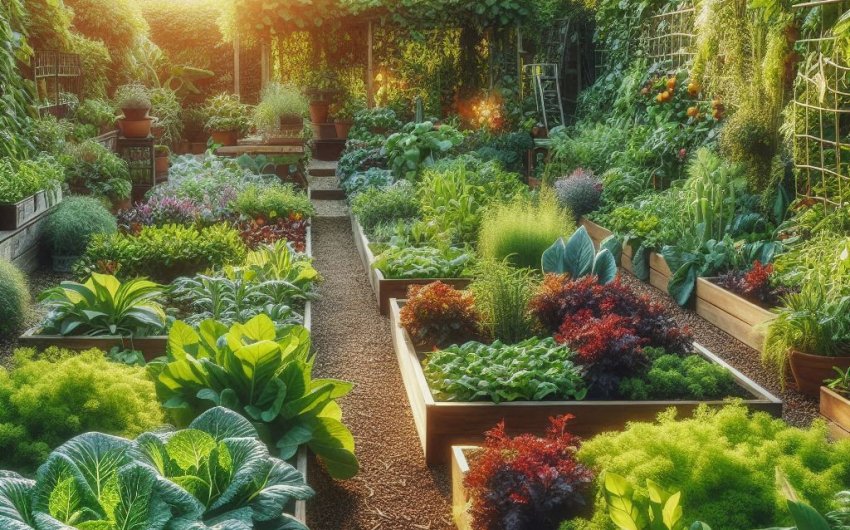
To start an organic vegetable garden, you'll focus on nurturing healthy soil, choosing the right plants, and managing pests naturally, all while avoiding synthetic chemicals. It's a holistic approach that creates a thriving ecosystem for delicious, nutritious produce.
Why Start an Organic Vegetable Garden?
Choosing to grow your own organic vegetables offers a multitude of benefits that extend from your plate to the planet. It's a commitment to healthier living, environmental stewardship, and the simple joy of fresh, homegrown food.
- Healthier Produce: By growing organically, you avoid pesticides, herbicides, and synthetic fertilizers. This means your vegetables are free from potentially harmful chemical residues, offering a cleaner, safer option for your family.
- Superior Flavor: Many organic gardeners report that their homegrown produce simply tastes better. Healthy soil, rich in microbial life, contributes to more flavorful and nutrient-dense vegetables.
- Environmental Stewardship: Organic gardening practices protect pollinators, improve soil health, conserve water, and reduce your carbon footprint. You're contributing to a healthier ecosystem.
- Soil Health is Paramount: Organic methods focus on building living soil through compost and natural amendments. This creates a resilient environment for plants to thrive, reducing erosion and improving water retention.
- Sustainable Pest Management: Instead of chemical sprays, you learn to work with nature, using beneficial insects, companion planting, and physical barriers to manage pests, fostering biodiversity.
- Cost Savings (Long-Term): While initial setup might have some costs, growing your own organic produce can significantly reduce your grocery bill over time, especially for high-value items.
- Reduced Water Usage: Healthy organic soil, rich in organic matter, holds water better, potentially reducing your need for frequent irrigation.
- Connection to Nature: There's immense satisfaction in nurturing plants from seed to harvest. It connects you to the food cycle and the rhythm of the seasons.
- Know What's in Your Food: You have complete control and transparency over how your food is grown, offering peace of mind.
- Educational for Families: It's a fantastic hands-on way to teach children about where food comes from, healthy eating, and ecological principles.
Where is the Best Location for Your Organic Vegetable Garden?
Selecting the ideal spot for your organic vegetable garden is perhaps the most crucial decision you'll make. The right location ensures your plants receive ample sunlight, has good drainage, and is convenient for you to access and maintain.
Maximizing Sunlight Exposure
Most vegetables are sun-lovers and thrive on plenty of direct light.
- Full Sun is Best: Aim for a spot that receives at least 6-8 hours of direct sunlight per day. This means the sun's rays aren't blocked by trees, fences, or buildings for the majority of the day. Crops like tomatoes, peppers, corn, and squash absolutely require full sun.
- Partial Sun/Shade Options: Some vegetables can tolerate 4-6 hours of sun, especially if it's morning sun. These include leafy greens (lettuce, spinach, kale), root vegetables (carrots, radishes), and some herbs. In hot climates, a little afternoon shade can even be beneficial for these plants.
- Observe Your Yard: Before you start digging, spend a day or two observing different areas of your yard. Note how the sun moves across your property and where shadows fall at different times of the day. This is the most accurate way to determine sun exposure.
Ensuring Good Drainage
Vegetables need consistent moisture, but they hate "wet feet." Good drainage prevents root rot and other moisture-related problems.
- Avoid Low-Lying Areas: Don't choose a spot where water tends to puddle after rain. This indicates poor drainage.
- Slope: A gentle slope can aid in drainage, but too steep a slope can lead to erosion.
- Test Drainage: Dig a small hole (about 12 inches deep and wide) and fill it with water. If the water drains away within a few hours, your drainage is good. If it sits for more than 12 hours, you'll need to improve the soil (see the soil section) or consider raised garden beds.
Proximity and Convenience
Your garden location should also be practical for you.
- Near a Water Source: Having a garden hose or watering can easily accessible makes watering much less of a chore.
- Close to the House: Being able to quickly step out and harvest herbs or vegetables encourages more frequent use and enjoyment of your garden.
- Protection from Elements: Consider if the spot is overly exposed to strong winds, which can damage plants. A fence, hedge, or even taller companion plants can provide a windbreak.
- Away from Contaminants: Avoid planting near heavily trafficked roads (car fumes) or areas where pesticides or herbicides have been historically used.
By carefully evaluating these factors, you can select the perfect site to start an organic vegetable garden that thrives.
What is the Most Important Factor for Organic Gardening?
The single most important factor for success when you start an organic vegetable garden is healthy soil. Organic gardening is fundamentally about feeding the soil, not just the plants. Rich, living soil provides nutrients, retains moisture, and supports a vibrant ecosystem that fosters strong plant growth.
Building Living Soil
Healthy soil is teeming with microbial life, earthworms, and organic matter. This complex ecosystem is what truly differentiates organic gardening.
- Organic Matter: This is the cornerstone of healthy soil. It includes decomposed plant and animal material, like compost. Organic matter:
- Improves Soil Structure: Makes heavy clay soils more workable and helps sandy soils retain water.
- Enhances Drainage and Aeration: Prevents compaction.
- Feeds Microbes: Provides a food source for beneficial bacteria, fungi, and other microorganisms.
- Retains Nutrients and Water: Acts like a sponge, holding onto essential elements for plants.
- Microbial Life: A teaspoon of healthy soil can contain billions of microorganisms. These tiny workers break down organic matter, convert nutrients into forms plants can use, and even protect plants from disease.
- Earthworms: These amazing creatures aerate the soil, improve drainage, and create nutrient-rich castings that further enhance soil fertility.
Key Soil Amendments for Organic Gardens
To build and maintain this living soil, you'll rely on natural amendments.
- Compost: This is your best friend. Incorporate finished compost generously into your garden beds every year. It's the ultimate soil conditioner, adding organic matter and a balanced array of nutrients. You can learn to compost at home to have a continuous supply.
- Aged Manure: Well-rotted cow, horse, or chicken manure provides excellent nutrients and organic matter. Ensure it's aged for at least 6 months to avoid burning plants with too much nitrogen.
- Cover Crops: Planting cover crops (like clover, vetch, rye) during the off-season helps prevent erosion, adds organic matter when tilled under, and can fix nitrogen in the soil.
- Mulch: Applying a layer of organic mulch (straw, wood chips, shredded leaves) to the soil surface:
- Conserves moisture.
- Suppresses weeds.
- Regulates soil temperature.
- Breaks down over time, adding organic matter.
Testing Your Soil
Before you add anything, it's a good idea to understand what you're working with.
- Soil pH: Most vegetables prefer a slightly acidic to neutral pH (6.0-7.0). A soil pH test kit can help you determine your soil's acidity or alkalinity.
- To raise pH (make less acidic): Add wood ash or limestone.
- To lower pH (make more acidic): Add elemental sulfur or peat moss.
- Nutrient Levels: A professional soil test from your local cooperative extension office can give you detailed information about your soil's nutrient content (nitrogen, phosphorus, potassium, micronutrients) and organic matter percentage. This helps you apply the right amendments.
- Soil Texture: Squeeze a handful of slightly damp soil.
- Sandy soil: Crumbly, won't hold shape (drains too fast). Needs organic matter to retain water.
- Clay soil: Sticky, forms a hard ball (drains too slowly). Needs organic matter to improve aeration and drainage.
- Loamy soil: Forms a loose ball, crumbles easily (ideal texture).
By prioritizing and nurturing your soil, you lay the strongest foundation for a bountiful and resilient organic vegetable garden.
What Type of Garden Bed is Best for Organic Gardening?
The choice of garden bed structure can significantly impact the ease and success of your organic vegetable garden. Different types offer unique advantages for soil building, drainage, and accessibility.
In-Ground Beds
- Description: Traditional garden beds where you plant directly into the existing soil, often defined by pathways.
- Pros:
- Cost-effective: Lowest initial setup cost as you're using existing ground.
- Unlimited depth: Roots can grow as deep as they need.
- Easy expansion: Can be easily expanded in the future.
- Cons:
- Soil improvement takes time: Can be harder to amend poor native soil.
- Compaction: Walking on beds can lead to soil compaction.
- Weed pressure: May have more persistent weeds from the surrounding area.
- Best For: Gardeners with good native soil, ample space, and a tight budget, who don't mind a bit more work in the initial soil preparation.
Raised Garden Beds
- Description: Enclosed beds typically constructed from wood, stone, or metal, filled with imported or improved soil. They are elevated above the surrounding ground.
- Pros:
- Excellent soil control: You fill them with your ideal organic soil mix, providing immediate benefits.
- Better drainage: Soil in raised beds generally drains very well.
- Warmer soil: Soil warms faster in spring, allowing for earlier planting.
- Reduced compaction: No walking on the growing area.
- Weed control: Easier to manage weeds due to defined edges and higher soil.
- Accessibility: Easier to work in, especially for those with back or knee issues.
- Aesthetically pleasing: Can add a neat, organized look to the garden.
- Cons:
- Higher initial cost: For materials and filling with soil.
- Can dry out faster: May require more frequent watering than in-ground beds.
- Limited root depth: Deep-rooted plants might eventually outgrow the bed depth.
- Best For: Gardeners with poor native soil, limited space, looking for faster results, easier maintenance, and better accessibility. Look for raised garden bed kits for easy assembly.
Container Gardens
- Description: Growing vegetables in pots, grow bags, or other containers.
- Pros:
- Extremely flexible: Can be placed almost anywhere – patios, balconies, rooftops.
- Easy mobility: Can move plants to optimize sun exposure or protect from frost.
- Excellent drainage control: You choose the potting mix and container.
- Ideal for small spaces: Perfect for urban gardeners.
- Cons:
- Dry out very quickly: Requires frequent watering, sometimes daily in hot weather.
- Nutrient depletion: Nutrients wash out faster, requiring more frequent organic fertilization.
- Limited plant size: Best for smaller, more compact vegetable varieties.
- Can be costly: Buying many containers and high-quality potting mix.
- Best For: Gardeners with very limited space, those living in apartments, or wanting to supplement a larger garden. Choose large fabric grow bags for better drainage and air circulation.
Consider your space, budget, physical capabilities, and the desired amount of effort when choosing the garden bed structure for your organic vegetable garden.
What Vegetables Are Best for a Beginner Organic Garden?
When you're just starting to grow an organic vegetable garden, choosing easy-to-grow, productive plants will build your confidence and ensure a rewarding harvest. Focus on varieties that are generally less prone to pests and diseases and have high yields.
Top 10 Easy-to-Grow Organic Vegetables for Beginners:
- Lettuce & Leafy Greens (Spinach, Kale, Swiss Chard):
- Why they're easy: Grow quickly, tolerate some shade, and can be harvested repeatedly (cut-and-come-again).
- Tips: Plant successionally for continuous harvest. Can thrive in containers.
- Radishes:
- Why they're easy: Super fast-growing (ready in 3-4 weeks!), requiring little space.
- Tips: Plant small batches every 2 weeks for a steady supply.
- Bush Beans:
- Why they're easy: Productive, fix nitrogen in the soil, and generally trouble-free. "Bush" varieties don't need trellising.
- Tips: Harvest regularly to encourage more production.
- Zucchini & Summer Squash:
- Why they're easy: Extremely prolific producers.
- Tips: Plant just one or two plants unless you want to be overwhelmed! Keep an eye out for squash bugs.
- Cucumbers:
- Why they're easy: Fast growers, especially vining varieties with a trellis.
- Tips: Provide strong support for vining types. Pick often.
- Carrots:
- Why they're easy: Straightforward if you have loose, well-drained soil.
- Tips: Sow seeds directly, thin diligently. Use raised beds for best root development.
- Cherry Tomatoes:
- Why they're easy: More forgiving than larger slicing tomatoes, very productive.
- Tips: Needs full sun and consistent watering. Provide a strong stake or cage.
- Green Onions (Scallions):
- Why they're easy: Grow quickly from seed or even from the white ends of store-bought scallions.
- Tips: Can be harvested repeatedly by cutting above the root line.
- Potatoes:
- Why they're easy: Can be grown in grow bags, raised beds, or in-ground. High yield for effort.
- Tips: "Hill" potatoes (mound soil around stems) to encourage more tubers.
- Herbs (Basil, Mint, Parsley, Chives):
- Why they're easy: Many herbs are very adaptable and produce continuously.
- Tips: Grow in their own pots, especially mint (it can spread aggressively).
Choosing Organic Seeds and Starts
To maintain your organic vegetable garden principles from the very beginning:
- Organic Seeds: Purchase seeds that are certified organic. This means they were grown without synthetic pesticides or fertilizers.
- Organic Starter Plants: If buying young plants ("starts"), ensure they are certified organic. Non-organic starts may have been treated with chemicals, even if you plant them in organic soil. Look for local nurseries that specialize in organic practices.
Starting with these robust and rewarding vegetables will give you a great foundation for your organic gardening journey.
How Do You Plan Your Organic Vegetable Garden Layout?
A thoughtful garden layout can significantly boost your organic vegetable garden's productivity, health, and ease of maintenance. Strategic planning involves considering plant needs, companion planting, and crop rotation.
Understanding Plant Needs and Sunlight
- Sunlight Requirements: Place sun-loving plants (tomatoes, peppers, squash) in the sunniest areas. Allocate partial-sun spots for leafy greens and root vegetables.
- Height and Shading: Plant taller vegetables (corn, staked tomatoes, pole beans) on the north side of your garden beds so they don't shade out shorter plants.
- Spacing: Follow spacing recommendations on seed packets or plant tags. Proper spacing ensures good air circulation (reducing disease) and allows plants to access enough light and nutrients.
Companion Planting for Natural Pest Control
Companion planting involves placing specific plants near each other for mutual benefit. This is a cornerstone of organic pest management.
- Pest Deterrents:
- Marigolds (Tagetes spp.): Known to deter nematodes and other pests. Plant throughout your garden.
- Basil: Can repel flies and mosquitoes, and is said to improve the flavor of tomatoes when planted nearby.
- Nasturtiums: Act as a "trap crop," attracting aphids away from more valuable vegetables.
- Garlic & Onions: Their strong scent can deter a range of pests.
- Beneficial Insect Attractors:
- Dill, Fennel, Cilantro (left to flower): Attract beneficial insects like ladybugs, lacewings, and parasitic wasps, which prey on garden pests.
- Borage: Attracts bees and can deter tomato hornworms.
- Growth Enhancers:
- Legumes (beans, peas): Fix nitrogen in the soil, benefiting nearby heavy feeders like corn.
- The "Three Sisters": A traditional Native American planting system of corn, beans, and squash. Corn provides a stalk for beans to climb, beans fix nitrogen, and squash provides ground cover (mulch) and deters pests.
Crop Rotation for Soil Health and Disease Prevention
Crop rotation is vital in an organic vegetable garden to prevent soil nutrient depletion and the buildup of soil-borne diseases and pests.
- Basic Principle: Don't plant the same type of vegetable in the same spot year after year. Rotate plant families.
- Plant Families: Group vegetables into families (e.g., Solanaceae: tomatoes, peppers, potatoes; Fabaceae: beans, peas; Brassicaceae: cabbage, broccoli, kale; Apiaceae: carrots, parsley, celery).
- Rotation Schedule: Divide your garden into sections (e.g., 3 or 4). Rotate plant families through these sections annually. For example:
- Year 1: Section 1 (Legumes), Section 2 (Heavy Feeders), Section 3 (Light Feeders)
- Year 2: Move Legumes to Section 2, Heavy Feeders to Section 3, Light Feeders to Section 1.
- Benefits:
- Prevents Nutrient Depletion: Different plants use different nutrients.
- Breaks Pest and Disease Cycles: Pests specific to one plant family won't have a host plant in that spot the following year.
Drawing a Garden Map
Create a simple map of your garden.
- Sketch it Out: Draw your garden beds, marking north, south, east, and west.
- Add Sunlight Zones: Indicate areas that receive full sun, partial sun, and shade.
- Place Plants: Start placing your chosen vegetables, considering their light needs, height, companion planting relationships, and future crop rotation.
- Pathways: Plan for clear pathways (at least 18-24 inches wide) to allow easy access for watering, weeding, and harvesting without compacting your beds.
A well-planned layout saves you work, maximizes yields, and keeps your organic vegetable garden healthy.
How Do You Water and Fertilize Your Organic Garden?
Organic watering and fertilizing practices focus on efficiency, soil health, and natural nutrient cycles. The goal is to provide plants with what they need without resorting to synthetic inputs or excessive waste.
Efficient Watering Strategies
- Water Deeply and Infrequently: This encourages plants to develop deep root systems, making them more drought-tolerant. Instead of shallow, daily sprinkles, give your garden a thorough soaking 2-3 times a week, depending on weather and soil type.
- Water at the Base of Plants: Use a soaker hose or drip irrigation system to deliver water directly to the root zone, minimizing evaporation and preventing fungal diseases on foliage. If hand watering, aim for the soil, not the leaves.
- Water in the Morning: Watering in the morning allows foliage to dry before nightfall, reducing the risk of fungal diseases.
- Mulch, Mulch, Mulch: A 2-4 inch layer of organic mulch (straw, shredded leaves, wood chips) around your plants is crucial for water conservation. It reduces evaporation, keeps the soil cooler, and suppresses weeds.
- Assess Soil Moisture: Before watering, check the soil moisture. Stick your finger 2-3 inches deep. If it feels dry, it's time to water. A soil moisture meter can also be a helpful tool.
Organic Fertilization Methods
Instead of synthetic fertilizers, you'll rely on natural materials to feed your soil and plants. Remember, in organic gardening, you feed the soil, and the soil feeds the plants.
- Compost: The ultimate organic fertilizer. Work finished compost into your beds before planting and topdress regularly. It provides a slow-release, balanced array of nutrients and boosts soil life.
- Aged Manure: As mentioned, well-rotted manure (from chickens, cows, horses) is a fantastic source of nitrogen and other nutrients. Incorporate it into the soil well before planting or use as a topdressing.
- Cover Crops: Planting and then tilling under cover crops (green manure) like clover, vetch, or alfalfa, especially nitrogen-fixing legumes, greatly enriches the soil.
- Organic Granular Fertilizers: If your soil test shows specific deficiencies, you can use naturally derived granular fertilizers. Look for products certified for organic use. Examples include:
- Bone Meal: Good source of phosphorus (for root and flower development).
- Blood Meal: High in nitrogen (for leafy growth).
- Kelp Meal: Provides potassium and trace minerals.
- Rock Phosphate: Slow-release source of phosphorus.
- Compost Tea: Brewed from finished compost, this liquid fertilizer can be used to water plants or as a foliar spray, delivering beneficial microbes and nutrients directly to plants.
- Liquid Organic Fertilizers: Options like fish emulsion or liquid seaweed provide a quick boost of nutrients. Always dilute according to package directions.
Important Note: Avoid over-fertilizing. Too much of a good thing, even organic, can harm plants or upset the soil's balance. Start with soil testing, add plenty of compost, and observe your plants.
How Do You Manage Pests and Diseases Organically?
Organic pest and disease management focuses on prevention, promoting beneficial organisms, and using natural, non-toxic methods. It's about creating a balanced ecosystem where problems are less likely to take hold.
Prevention is Key
- Healthy Soil, Healthy Plants: The first line of defense. Strong, vigorous plants grown in healthy soil are naturally more resistant to pests and diseases.
- Choose Resistant Varieties: Select vegetable varieties that are known to be resistant to common diseases in your area. Look for resistance codes on seed packets (e.g., VFN for Verticillium, Fusarium, Nematode resistance in tomatoes).
- Proper Spacing: Give plants enough room for good air circulation. This helps prevent fungal diseases that thrive in damp, stagnant conditions.
- Sanitation: Remove diseased plant material promptly and dispose of it away from the garden (don't compost diseased plants). Keep your garden free of weeds and debris where pests might hide.
- Crop Rotation: Disrupts pest and disease life cycles by moving host plants to different locations each year.
- Clean Tools: Sterilize pruning shears and other tools with rubbing alcohol or a bleach solution between uses, especially after working with diseased plants.
Attracting Beneficial Insects
These "good bugs" are your allies in the organic vegetable garden.
- Provide Habitat: Plant a diverse array of flowers, especially those with small, open blooms, to attract beneficial insects like ladybugs, lacewings, parasitic wasps, and hoverflies. Examples include dill, cilantro (left to flower), marigolds, cosmos, and sunflowers.
- Avoid Pesticides: Even organic pesticides can harm beneficial insects. Use them only as a last resort.
- Water Source: A shallow dish of water with pebbles can provide a drinking spot for beneficials.
Organic Pest Control Methods
If pests do appear, try these methods:
- Hand-Picking: For larger pests like tomato hornworms or slugs, simply pick them off by hand and drop them into a bucket of soapy water.
- Strong Water Spray: A strong jet of water can dislodge aphids and spider mites from plants.
- Row Covers: Lightweight floating row covers (spun-bonded fabric) can physically prevent many flying insect pests (like cabbage moths, squash vine borers) from reaching your plants. Remove them for pollination if needed.
- Traps: Use sticky traps for flying insects or beer traps for slugs.
- Companion Planting: As discussed earlier, use companion plants to deter specific pests.
- Insecticidal Soaps: For heavy infestations of soft-bodied insects (aphids, spider mites, whiteflies), use organic insecticidal soap spray. Ensure complete coverage and apply in the evening to avoid burning leaves. Always follow label directions. A neem oil spray is another good organic option.
- Diatomaceous Earth: A natural, finely ground fossil dust that is sharp to insects (but harmless to pets and humans). Sprinkle around plants to deter crawling insects.
Organic Disease Management
- Choose Resistant Varieties: This is your best defense against many diseases.
- Good Air Circulation: Space plants properly and prune out dense foliage to allow air to move through.
- Water at the Base: Avoid overhead watering to keep leaves dry.
- Remove Affected Parts: Prune off and discard any diseased leaves or stems promptly.
- Fungicides (Organic): For certain fungal issues, products containing sulfur or copper (used sparingly and according to directions) or baking soda solutions can be used. Neem oil also has some fungicidal properties.
Starting an organic vegetable garden is a journey of learning and discovery. By focusing on healthy soil, choosing appropriate plants, and employing natural pest and disease management, you'll cultivate a vibrant garden that provides delicious, chemical-free food for years to come.