
Snake Plant Care Guide: Tips for a Thriving Low-Maintenance Houseplant
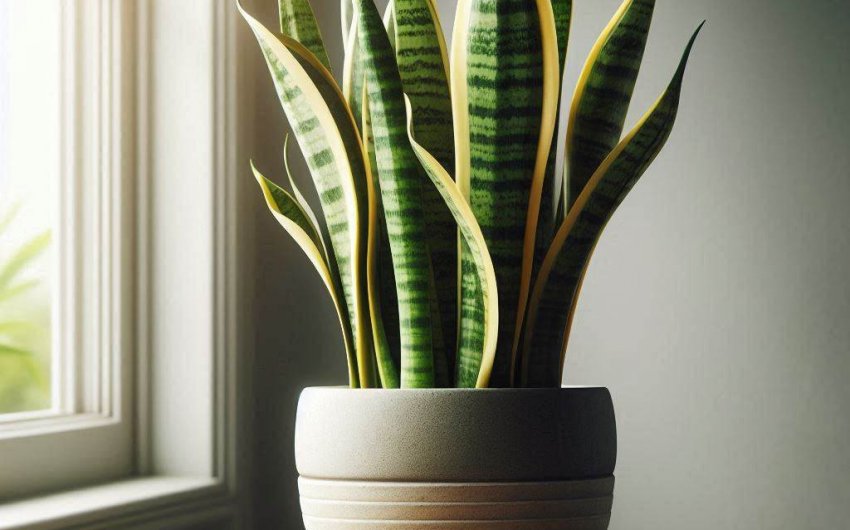
Looking for a hardy houseplant that can handle a bit of neglect but still look fantastic? The snake plant, also known as Sansevieria or mother-in-law's tongue, is often touted as one of the easiest and most forgiving plants you can own. Its architectural, upright leaves add a touch of modern elegance to any space, and its air-purifying qualities make it a popular choice for homes and offices alike. Whether you're a seasoned plant parent or just starting your indoor garden journey, mastering the art of snake plant care means understanding its preferences. This guide will walk you through everything you need to know to keep your Sansevieria healthy and thriving with minimal effort.
What Makes a Snake Plant So Popular?
There's a good reason why snake plants are found in so many homes and businesses. They truly stand out among houseplants for a variety of benefits beyond their striking good looks.
Why Are Snake Plants Considered Low-Maintenance?
The biggest draw of the snake plant is its incredible resilience.
- Forgiveness: They can tolerate a wide range of conditions, from low light to bright light, and don't mind if you forget to water them for a while. This makes them perfect for busy individuals or those new to plant care.
- Drought Tolerance: Originating from arid regions, snake plants store water in their thick, succulent-like leaves. This means they prefer to dry out completely between waterings, reducing the risk of overwatering, which is a common plant killer.
- Pest Resistance: They are generally not bothered by most common houseplant pests, further reducing the amount of hands-on care needed.
- Adaptability: They are not picky about humidity levels and can thrive in the typical dry air of most homes.
What are the Air-Purifying Benefits of Snake Plants?
Beyond their easy care, snake plants are also champions of indoor air quality.
- NASA Clean Air Study: The snake plant was famously included in NASA's study on how plants can clean indoor air. It's known to remove common toxins from the air.
- Removes Toxins: They are excellent at filtering out harmful chemicals like benzene, formaldehyde, trichloroethylene, xylene, and toluene.
- Nighttime Oxygen Production: Unlike most plants, which release oxygen during the day, snake plants are unique in that they also release oxygen at night, making them ideal bedroom plants.
How Much Light Does My Snake Plant Need?
While snake plants are famous for tolerating low light, they actually prefer and thrive in brighter conditions. Understanding their light preferences is key to their long-term health.
What is the Ideal Light for a Snake Plant?
Sansevieria can adapt to various light levels, but here’s what they like best.
- Bright, Indirect Light: This is the sweet spot. Place your snake plant near a window that gets plenty of light but isn't hit directly by harsh sunbeams for hours. An east-facing window is often perfect, or a few feet away from a south or west-facing window.
- Medium Light: They will do well in medium light conditions, meaning a room with good ambient light but not directly next to a window. Their growth might be slower, and colors might be less vibrant than in brighter spots.
- Low Light Tolerance: This is why they are so popular. They can survive in truly dim corners where other plants would wither. However, in very low light, their growth will be minimal, and some variegation (patterns on leaves) might fade. It's important to understand that "tolerates" low light doesn't mean "thrives" in it.
Can Snake Plants Handle Direct Sunlight?
A little direct sun is okay, but too much can be harmful.
- Morning Sun is Fine: An hour or two of gentle morning sun (from an east-facing window) can actually be beneficial and encourage growth.
- Avoid Harsh Afternoon Sun: Intense, direct afternoon sun (from a south or west-facing window) can scorch their leaves, causing them to turn yellow or white, and develop crispy brown spots. If you notice signs of scorching, move your plant.
How Often Should I Water My Snake Plant?
This is arguably the most crucial aspect of snake plant care. Overwatering is the number one killer of these resilient plants. They are succulent-like and prefer to be on the drier side.
What is the Golden Rule of Watering Snake Plants?
Less is more! When in doubt, wait another day or two.
- Allow Soil to Dry Completely: The most important rule is to let the soil dry out thoroughly between waterings. Stick your finger 2-3 inches deep into the soil. If it feels dry, it's time to water. If it feels even slightly damp, wait.
- Water Thoroughly: When you do water, soak the soil until water drains out of the bottom of the pot. This ensures all the roots get access to moisture.
- Empty Drainage Saucer: Never let your snake plant sit in standing water. Always empty the drainage saucer within 30 minutes of watering. Sitting in water leads to root rot.
How Often Does "Dry Out Completely" Mean?
The frequency varies greatly depending on several factors:
- Light Levels: Plants in brighter light will dry out faster than those in low light.
- Pot Size & Material: Smaller pots dry faster. Terracotta pots wick away moisture, drying soil faster than plastic or glazed ceramic pots.
- Temperature & Humidity: Warmer temperatures and lower humidity will cause the soil to dry faster.
- Season: In warmer months (spring and summer), you might water every 2-4 weeks. In colder months (fall and winter) when growth slows, you might only water once a month or even less frequently. Some people water their snake plant only a few times during winter!
What Kind of Soil Does a Snake Plant Need?
The right potting mix is essential for preventing root rot, which is the biggest threat to a snake plant's health. They need a mix that drains quickly and efficiently.
What Makes a Good Snake Plant Potting Mix?
The key is excellent drainage.
- Well-Draining: The soil should not hold onto water for too long.
- Aerated: Good airflow around the roots helps prevent rot.
- Low Organic Matter: While some organic matter is good, too much can retain too much moisture.
How Can I Create the Ideal Soil Mix?
You can buy specialized mixes or create your own.
- Cactus/Succulent Mix: This is often the easiest option. A good quality cactus and succulent potting mix is designed for plants that prefer drier conditions and drains very well.
- Amended Potting Soil: If you have regular indoor potting soil, you can amend it to improve drainage. Mix it with equal parts of perlite or pumice.
- Perlite: Adds aeration and drainage.
- Pumice: Similar to perlite, provides good drainage and aeration without floating.
- Coarse Sand: Horticultural coarse sand can also be added for drainage, but avoid play sand or fine sand, which can compact.
- Avoid Heavy, Dense Soils: Standard all-purpose potting soils can be too dense and retain too much moisture for snake plants, increasing the risk of root rot.
What Type of Pot is Best for a Snake Plant?
The pot choice is more important than you might think for Sansevieria. It directly impacts drainage and watering frequency.
What Features Should a Snake Plant Pot Have?
- Drainage Holes: This is non-negotiable! A pot without drainage holes is a death sentence for a snake plant due to the high risk of root rot. Always choose a pot with at least one good drainage hole.
- Material:
- Terracotta Pots: These are excellent for snake plants. Terracotta is porous, meaning it allows air and moisture to pass through, helping the soil dry out faster. This is very beneficial for a plant prone to overwatering. A terra cotta pot with drainage is often a top choice.
- Ceramic or Plastic Pots: These retain moisture more, so you will need to adjust your watering schedule and water less frequently compared to terracotta. They are fine as long as they have drainage holes.
What Size Pot is Best for a Snake Plant?
Snake plants actually prefer to be a bit root-bound, meaning their roots are snugly filling the pot.
- Don't Over-Pot: Avoid potting your snake plant in a pot that is too large for its root system. A large pot holds too much soil and thus too much moisture, increasing the risk of overwatering and root rot.
- Snug Fit: Choose a pot that is only slightly larger than the current root ball. When it's time to repot, only go up one size (e.g., from a 6-inch to an 8-inch pot).
- Height Considerations: Due to their tall, upright growth, some people prefer heavier pots (like ceramic or terracotta) to prevent the plant from tipping over as it grows taller.
When Should I Fertilize My Snake Plant?
Snake plants are not heavy feeders. They can survive and even grow without much fertilizer. Overfertilizing is more harmful than under-fertilizing.
How Often and What Type of Fertilizer?
- During Growing Season Only: Fertilize only during the active growing season, which is typically spring and summer. Stop fertilizing in fall and winter when the plant's growth naturally slows down.
- Diluted Strength: Use a balanced liquid houseplant fertilizer at half or even quarter strength. For example, a liquid houseplant fertilizer can be diluted.
- Infrequent Application: Fertilize sparingly, maybe once every 2-3 months during the growing season. If you're unsure, once or twice a year is often sufficient.
- Avoid Over-Fertilizing: Signs of over-fertilization include brown tips or edges on the leaves due to salt buildup. If this happens, flush the soil thoroughly with plain water and reduce or stop fertilizing.
What Are Common Snake Plant Problems and How Do I Fix Them?
Even though snake plants are resilient, they can still run into trouble. Most issues stem from improper watering.
Why are My Snake Plant Leaves Turning Yellow or Mushy?
This is almost always a sign of overwatering.
- Cause: Root rot due to consistently wet soil. When roots sit in soggy conditions, they can't get oxygen, and they begin to decay.
- Symptoms: Leaves turn yellow, become soft or mushy, and may even have a foul odor. The base of the plant might feel squishy.
- Fix:
- Stop Watering Immediately: Let the soil dry out completely.
- Inspect Roots: Carefully unpot the plant. Gently remove as much of the old, wet soil as possible. Examine the roots. Healthy roots are firm and white/tan. Rotted roots are black, brown, soft, or mushy.
- Prune Damaged Roots: Using clean, sharp scissors, cut away all rotted roots and any mushy parts of the rhizome (the thick underground stem). Cut back to firm, healthy tissue.
- Repot: Repot into fresh, well-draining cactus/succulent mix in a clean pot (ideally terracotta) with drainage holes.
- Adjust Watering: Going forward, be much more diligent about letting the soil dry out completely between waterings. When in doubt, wait.
Why are My Snake Plant Leaves Becoming Crispy or Brown at the Tips?
This usually points to underwatering or low humidity, though other factors can play a role.
- Cause:
- Underwatering: If the plant is left dry for too long, the tips of the leaves can dry out and turn brown.
- Low Humidity: While not as sensitive as some plants, extremely dry indoor air can contribute to crispy tips.
- Over-fertilization: Salt buildup from too much fertilizer can burn leaf tips.
- Tap Water Issues: Chlorine or fluoride in tap water can sometimes cause brown tips.
- Symptoms: The tips of the leaves turn brown and become crispy.
- Fix:
- Check Watering: Ensure you are watering thoroughly when the soil is completely dry, but not leaving it dry for excessive periods.
- Increase Humidity (Optional): If your home is very dry, you could place a humidifier nearby or use a pebble tray, though this is less critical for snake plants than for other houseplants.
- Flush Soil: If you suspect over-fertilization, flush the soil thoroughly with plain water to remove excess salts.
- Use Filtered Water: If tap water is an issue, switch to filtered or distilled water.
- Prune Tips: You can carefully trim the brown tips with clean scissors to improve the plant's appearance, cutting along the natural curve of the leaf.
Why are My Snake Plant Leaves Floppy or Wrinkled?
This is often a sign of extreme underwatering or, paradoxically, severe root rot.
- Cause:
- Severe Underwatering: If the plant is severely dehydrated, its leaves can lose their turgidity (firmness) and become wrinkled or floppy.
- Severe Root Rot: If the roots are completely rotted, they can't absorb any water, leading to the same dehydration symptoms as underwatering.
- Symptoms: Leaves lose their upright stiffness, appear soft, wrinkled, or may even lean over.
- Fix:
- Check Soil: First, check the soil moisture.
- If Dry: Water thoroughly until water drains from the bottom. The leaves should plump up within a day or two.
- If Wet: This indicates severe root rot. Follow the steps outlined above for treating root rot (unpot, prune, repot).
Are Pests a Problem for Snake Plants?
Snake plants are generally quite pest-resistant, but no plant is entirely immune.
- Common Pests (Rare): Mealybugs and spider mites are occasionally seen.
- Detection: Inspect your plant regularly, especially the undersides of leaves and where leaves meet. Look for tiny insects, sticky residue, or webbing.
- Treatment:
- Wipe Down: For small infestations, wipe off pests with a damp cloth or a cotton swab dipped in rubbing alcohol.
- Insecticidal Soap/Neem Oil: For more widespread issues, spray the plant with an insecticidal soap or a diluted neem oil solution like Bonide Neem Oil Concentrate. Repeat treatment every 5-7 days until pests are gone.
How Do I Repot My Snake Plant?
Snake plants like to be a bit pot-bound, so they don't need frequent repotting. You usually only need to repot every 2-5 years, or when you notice roots coming out of the drainage holes, the pot bulging, or the plant tipping over.
When is the Best Time to Repot?
- Spring or Early Summer: This is when the plant is actively growing, making it easier for it to recover from the stress of repotting.
How to Repot a Snake Plant:
- Choose the Right Pot: Select a pot that is only one size larger than the current one (e.g., from a 6-inch to an 8-inch pot). Ensure it has drainage holes and ideally is made of terracotta.
- Prepare Soil: Have your well-draining cactus/succulent potting mix ready.
- Remove the Plant: Gently tip the current pot on its side and carefully slide the snake plant out. You might need to gently squeeze the pot or use a trowel around the edges to loosen the soil.
- Inspect Roots: Shake off any old, loose soil. Check the roots for any signs of root rot (mushy, black roots) and trim them if necessary.
- Add New Soil: Put a layer of fresh potting mix at the bottom of the new pot.
- Position Plant: Place the snake plant in the center of the new pot. The base of the plant should be at the same level as it was in the old pot.
- Fill with Soil: Backfill around the roots with the new potting mix, gently tamping it down to remove large air pockets. Leave about an inch or two of space from the top of the soil to the rim of the pot.
- Water Sparingly (or Not at All): If the soil you used is moist, wait a few days before watering. If it's completely dry, you can give it a small drink. The key is to avoid overwatering after repotting as the plant is more vulnerable to root rot.
- Provide Indirect Light: Place the freshly repotted plant in a spot with bright, indirect light to help it recover.
Can I Propagate My Snake Plant?
Yes! Snake plants are wonderfully easy to propagate, meaning you can make new plants from your existing one. There are two main methods: division and leaf cuttings.
How to Propagate by Division:
This is the fastest way to get a new, established plant.
- Unpot the Plant: Gently remove the entire snake plant from its pot.
- Identify Sections: Look for natural clumps or sections that have their own root system and several leaves.
- Separate: Gently pull or carefully cut the desired section away from the main plant. Ensure each section has roots attached.
- Pot Up: Plant each division into its own small pot with fresh, well-draining soil.
- Care: Water sparingly and treat it like a new snake plant.
How to Propagate by Leaf Cuttings (in Water or Soil):
This method takes longer, but you can get many new plants from one leaf.
- Choose a Healthy Leaf: Select a healthy, mature leaf and cut it horizontally from the plant using clean, sharp scissors or a knife.
- Cut Sections (Optional but Recommended): You can cut the chosen leaf into several 2-4 inch sections. It's crucial to remember which end is "up" (the end closer to the tip of the original leaf) and which is "down" (the end closer to the base). Mark the bottom end with a notch or by cutting it in a V-shape. If you plant it upside down, it won't root.
- Allow to Callus: Let the cut ends dry and form a callus for a few days to a week. This prevents rot.
- Water Propagation:
- Place the callused "down" end of the leaf cutting(s) into a glass or jar of clean water, ensuring only the bottom inch or so is submerged.
- Place in bright, indirect light.
- Change the water every few days to keep it fresh.
- Roots should appear in a few weeks to a few months. Once roots are 1-2 inches long, you can plant the cutting in soil.
- Soil Propagation:
- Plant the callused "down" end of the leaf cutting(s) about 1 inch deep into a pot filled with well-draining cactus/succulent mix.
- Place in bright, indirect light.
- Water very sparingly, only when the soil is completely dry. Overwatering will cause the cutting to rot.
- This method can take several months, and new plantlets (pups) will eventually emerge from the soil at the base of the cutting. Note that variegated varieties might lose their variegation when propagated from leaf cuttings.
What are the Different Varieties of Snake Plants?
The world of snake plants is much more diverse than just the tall, green-and-yellow-striped common variety. Exploring different types can add incredible interest to your collection.
Popular Sansevieria Varieties:
- Sansevieria trifasciata 'Laurentii': This is the classic snake plant with tall, upright leaves featuring green centers and yellow margins. It's probably the most widely recognized type.
- Sansevieria trifasciata 'Zeylanica': Similar to 'Laurentii' but lacks the prominent yellow margins, typically featuring mottled green and silver-grey banding.
- Sansevieria trifasciata 'Black Coral': This variety has very dark green leaves with lighter green, almost black horizontal banding.
- Sansevieria cylindrica (African Spear Plant): Known for its round, cylindrical leaves that grow upwards and can sometimes be braided. A striking architectural plant.
- Sansevieria trifasciata 'Moonshine': Features stunning pale, silvery-green leaves, sometimes with dark green edges. It's a beautiful, lighter-colored option.
- Sansevieria trifasciata 'Futura Superba': A dwarf cultivar of 'Laurentii', similar in color but with shorter, broader leaves, making it ideal for smaller spaces.
- Sansevieria trifasciata 'Hahnii' (Bird's Nest Sansevieria): A compact, rosette-forming variety with short, broad leaves that grow in a bird's nest shape. Great for tabletops.
Each variety maintains the general snake plant care requirements, primarily differing in size and aesthetic appearance. Choosing the right one for your space often comes down to personal preference and available space.
The snake plant truly lives up to its reputation as a low-maintenance, high-reward houseplant. By understanding its fundamental needs for proper watering, well-draining soil, and appropriate light, you'll be well on your way to enjoying a healthy, thriving Sansevieria for years to come. Remember, the biggest mistake most people make is giving them too much attention, especially too much water. Embrace the "neglect" aspect of their care, and your snake plant will reward you with its striking beauty and air-purifying benefits.