
Spinach Growing Indoors: A Complete Guide for Fresh, Year-Round Greens
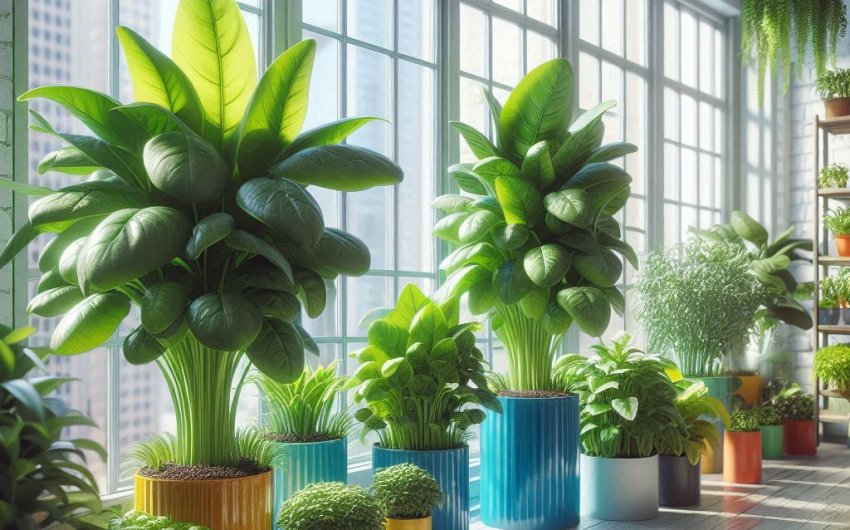
Spinach growing indoors is a highly rewarding way to ensure a continuous supply of fresh, nutrient-rich greens for your salads, smoothies, and cooking, regardless of the season. With the right setup and consistent care, you can easily cultivate delicious spinach right in your home.
Why Grow Spinach Indoors?
Growing spinach indoors offers a multitude of benefits, making it an ideal choice for both seasoned gardeners and beginners looking for fresh greens year-round. It's about convenience, nutrition, and bringing a touch of nature inside your home.
- Year-Round Freshness: No more waiting for spring or battling summer heat. Indoor spinach cultivation allows you to harvest tender leaves whenever you desire, regardless of outdoor weather conditions.
- Ultimate Convenience: Imagine needing spinach for a recipe and simply reaching over to your windowsill or kitchen counter to snip fresh leaves. It drastically cuts down on trips to the grocery store.
- Peak Nutrition and Flavor: Homegrown spinach is often more vibrant in flavor and retains more of its nutritional value than store-bought varieties, which lose nutrients during transportation and storage.
- Cost Savings: While the initial setup might require some minor investment, growing your own spinach quickly becomes more economical than buying multiple bags of organic spinach from the store.
- Pest and Disease Control: Growing indoors offers a controlled environment, significantly reducing the likelihood of outdoor pests and diseases affecting your crop.
- Space-Efficient: Spinach is a relatively compact plant, making it perfect for small spaces like windowsills, countertops, or shelves, even in apartments.
- Aesthetic Appeal: The vibrant green foliage of spinach can add a fresh, natural touch to your indoor decor.
- Therapeutic Hobby: Gardening, even on a small scale, is known to reduce stress and boost mood. Tending to your indoor spinach can be a calming daily ritual.
- Educational for Families: It's a fantastic way to teach children about where food comes from, plant growth, and healthy eating habits.
- Avoids Bolting: Outdoor spinach often "bolts" (goes to seed) quickly in warm weather, making leaves bitter. Indoors, you can better control temperature to prevent bolting, ensuring sweeter leaves for longer.
For anyone seeking a reliable source of nutritious greens with minimal fuss, spinach growing indoors is an excellent choice.
What Supplies Do You Need for Indoor Spinach Growing?
Setting up for indoor spinach growing requires a few basic supplies. You don't need an elaborate setup, but having the right tools will make the process much smoother and more successful.
- Containers/Pots:
- Type: Choose pots that are at least 6-8 inches deep and wide for good root development. Shallow containers (like window boxes) can work, but deeper pots yield larger plants. Terracotta, plastic, or ceramic pots are all suitable.
- Drainage Holes: This is non-negotiable! Spinach (like most plants) hates soggy roots. Ensure every pot has drainage holes at the bottom.
- Saucers: Don't forget trays or saucers to catch excess water and protect your surfaces. Look for plant saucers.
- Potting Mix:
- Type: Use a high-quality, lightweight potting mix designed for container gardening. Do NOT use garden soil, as it's too dense for pots and can compact, leading to poor drainage and root issues.
- Nutrients: Look for a mix that contains some organic matter or slow-release nutrients, or plan to fertilize regularly.
- Spinach Seeds:
- Varieties: Choose varieties labeled for indoor or container growing, or those known to be slow to bolt (e.g., 'Tyee', 'Bloomsdale Long Standing', 'Monstrueux de Viroflay').
- Quantity: You'll want to plant multiple seeds for a good harvest.
- Watering Can:
- Small Spout: A small watering can with a fine, gentle spout is ideal for indoor plants, allowing precise watering without disturbing delicate seedlings or washing away soil.
- Grow Lights (Highly Recommended):
- Why: Even a sunny windowsill often doesn't provide enough consistent light for robust spinach growth, especially during winter months.
- Type: Full-spectrum LED grow lights are energy-efficient, produce little heat, and provide the exact light spectrum plants need. A small LED grow light strip or a compact panel light works well.
- Plant Labels (Optional):
- Organization: If growing different varieties or other plants alongside, labels help you keep track.
- Small Snips or Scissors:
- Harvesting: A clean pair of kitchen scissors or small pruning snips is perfect for harvesting spinach leaves without damaging the plant.
With these basic supplies, you'll be well-equipped to start your successful indoor spinach growing adventure.
Where is the Best Location for Growing Spinach Indoors?
Choosing the right spot for your indoor spinach growing setup is critical for plant health and productivity. Spinach has specific needs regarding light, temperature, and humidity, which you can control more easily indoors.
Light Requirements
Spinach is a leafy green that benefits from plenty of light, even though it prefers cooler temperatures.
- Bright, Indirect Light is Ideal: Spinach thrives in bright light. A south-facing window is generally best, as it provides the most intense and prolonged natural light throughout the day.
- East or West-Facing Windows: These can also work, but an east-facing window provides gentler morning sun, while a west-facing window gets hotter afternoon sun. Monitor for scorching if the afternoon sun is too strong.
- North-Facing Windows: These typically don't provide enough light for robust spinach growth and will almost certainly require supplemental grow lights.
The Importance of Grow Lights
- Consistency: Natural light indoors can be inconsistent, especially in winter or on cloudy days. LED grow lights provide consistent, full-spectrum light.
- Duration: Spinach needs at least 12-14 hours of light per day. Using an outlet timer with your grow light ensures this consistency without you having to remember to turn it on and off.
- Placement: Position the grow light 6-12 inches above the top of your spinach plants. Adjust the height as they grow to maintain this distance.
Temperature and Humidity Needs
Spinach is a cool-season crop, meaning it performs best in moderate temperatures.
- Ideal Temperature Range: Aim for consistent room temperatures between 50-70°F (10-21°C). Cooler temperatures (closer to 50-60°F) often result in sweeter, more tender leaves and help prevent bolting.
- Avoid Extremes: Keep spinach away from direct heat sources (radiators, heating vents) which can dry out the soil and cause bolting. Also, protect it from cold drafts, which can shock the plant.
- Humidity: Average indoor humidity is usually fine for spinach. If your home is very dry, especially in winter, a little extra humidity can be beneficial.
- Pebble Tray: Place pots on a tray filled with pebbles and a little water. As the water evaporates, it creates localized humidity.
- Misting: Lightly misting the leaves occasionally can help, but ensure good air circulation to prevent fungal issues.
Air Circulation
- Prevent Fungal Diseases: Good air circulation helps prevent common issues like powdery mildew, which can affect spinach, especially in humid or crowded conditions.
- Spacing: Ensure plants aren't too crowded in their containers or on shelves.
- Gentle Fan (Optional): In very stagnant areas, a small, oscillating fan set on a low setting for a few hours a day can simulate a gentle breeze, strengthening plants and improving airflow.
By carefully considering these environmental factors, you can create the perfect microclimate for successful spinach growing indoors.
How Do You Plant Spinach Seeds Indoors?
Planting spinach seeds indoors is a straightforward process, but a few key steps will ensure strong germination and a healthy start for your year-round greens.
Step-by-Step Planting Guide:
- Prepare Your Containers:
- Ensure your chosen pots are at least 6-8 inches deep and have ample drainage holes.
- Place a saucer or tray underneath each pot.
- Fill pots with a high-quality, lightweight potting mix, leaving about 1 inch of space from the rim. Gently tap the pot to settle the soil, but don't pack it down tightly.
- Sow the Seeds:
- Spinach seeds can be planted relatively close together for a "cut-and-come-again" harvest. Plant seeds about 1/2 inch deep and approximately 1-2 inches apart.
- You can sow multiple seeds per pot. For example, in an 8-inch pot, you might sow seeds in a small circle, allowing for about 5-7 mature plants.
- If planting in a tray or window box, space seeds 1-2 inches apart in rows, with rows 4-6 inches apart.
- Cover Gently:
- Lightly cover the seeds with about 1/2 inch of potting mix. Gently pat the soil surface.
- Water Thoroughly:
- Water the newly planted seeds thoroughly but gently. Use a watering can with a fine rose attachment or a spray bottle to avoid displacing the seeds. The soil should be consistently moist, but not waterlogged.
- Provide Warmth (for Germination):
- Spinach seeds germinate best in temperatures between 60-70°F (15-21°C).
- You can loosely cover the pots with plastic wrap or a clear dome to help maintain humidity, creating a mini-greenhouse effect. Remove this once seeds sprout.
- Ensure Light (Post-Germination):
- Once you see tiny green sprouts emerge (usually within 5-10 days), immediately provide plenty of light. This means placing them in your brightest window or directly under your grow lights.
- Insufficient light at this stage will cause seedlings to become leggy and weak.
- Thin Seedlings (Optional, but Recommended):
- When seedlings have developed their first set of "true leaves" (the second set of leaves after the initial cotyledons), you may want to thin them.
- For larger leaves: Thin plants to about 3-4 inches apart. Gently snip off weaker seedlings at the soil line with small scissors, leaving the strongest ones to grow. You can eat the thinnings!
- For baby spinach: You can leave them closer, about 1-2 inches apart, and harvest them earlier as baby greens.
By following these steps, you'll give your indoor spinach growing the best possible start, leading to robust and productive plants.
How Do You Water Your Indoor Spinach?
Proper watering is absolutely critical for successful spinach growing indoors. Spinach needs consistent moisture, but it's also highly susceptible to root rot if the soil becomes waterlogged. Finding the right balance is key to healthy, tender leaves.
The "Feel Test" Method
This is the most reliable way to know when your spinach needs water. Don't just water on a strict schedule.
- Check Soil Moisture: Stick your finger about 1 inch deep into the potting mix.
- If Dry: If the top inch of soil feels dry to the touch, it's time to water.
- If Moist: If it still feels moist, check again in a day or two.
How to Water Correctly:
When it's time to water, do it thoroughly.
- Water Until it Drains: Pour water slowly over the entire soil surface until you see it flowing out of the drainage holes at the bottom of the pot.
- Empty Saucer: Always empty any excess water from the saucer within 15-30 minutes. Allowing pots to sit in standing water will lead to soggy soil and quickly cause root rot, which is a common killer of indoor plants.
- Water from Below (Optional Method): For very dry pots or to encourage roots to grow deeper, you can also water from the bottom. Place the pot in a shallow tray of water for 20-30 minutes. The soil will wick up the moisture. Remove the pot once the top soil feels moist and empty any remaining water from the tray.
- Avoid Wetting Leaves: Try to water the soil directly, rather than splashing water onto the leaves. Wet leaves, especially without good air circulation, can increase the risk of fungal diseases.
- Water Temperature: Use room-temperature water. Cold water can shock the roots of indoor plants.
Factors Affecting Watering Frequency:
Several factors influence how often your spinach will need water.
- Pot Size: Smaller pots dry out much faster than larger ones.
- Pot Material: Terracotta pots are porous and allow water to evaporate from their sides, so they dry out faster than plastic or glazed ceramic pots.
- Temperature and Humidity: Warmer temperatures and drier air (common in heated homes during winter) will increase evaporation, requiring more frequent watering.
- Light Levels: Plants under brighter light (especially grow lights) will photosynthesize more and use more water.
- Plant Size: Larger, more mature spinach plants will drink more water than young seedlings.
- Season: Growth slows down in cooler, darker months, so plants might need less water then.
Using a soil moisture meter can also be an excellent tool for beginners to get a feel for their plant's water needs, helping to prevent both over and under-watering. Consistent and correct watering is key to lush, healthy indoor spinach growing.
How Do You Fertilize and Provide Nutrients for Indoor Spinach?
Even with a good potting mix, your indoor spinach growing will eventually deplete the available nutrients, especially since you're harvesting leaves regularly. Regular, gentle fertilization is essential to keep your spinach productive and vibrant.
Why Fertilize Spinach?
Spinach is a leafy green, meaning it's primarily grown for its foliage. This type of growth requires a consistent supply of nitrogen (N), which is crucial for healthy leaf development. As plants grow and you harvest, they use up the nutrients in the limited volume of potting mix.
Choosing the Right Organic Fertilizer
When growing edible plants indoors, choosing an organic, gentle fertilizer is often preferred.
- Balanced Liquid Fertilizer (Organic): Look for a liquid fertilizer specifically designed for leafy greens or general edibles. A slightly higher nitrogen content is beneficial, but a balanced all-purpose organic liquid fertilizer (like 5-1-1 or 2-4-2 NPK ratio) works well.
- Examples: Organic fish emulsion, liquid seaweed, or general liquid vegetable food.
- Compost Tea: If you have access to finished compost, brewing compost tea provides a gentle nutrient boost along with beneficial microbes.
- Worm Castings: Topdressing your pots with a thin layer of worm castings (vermicompost) adds slow-release nutrients and improves soil health.
When and How to Fertilize:
- Timing: Start fertilizing your spinach plants once they have established themselves and have 2-3 sets of true leaves, usually about 2-3 weeks after germination or transplanting.
- Frequency: During active growth (when you're regularly harvesting), fertilize every 2-4 weeks.
- Dilution: Always dilute liquid fertilizers to half or even quarter strength of the recommended dosage on the product label. Indoor plants in containers are more sensitive to over-fertilization, which can burn roots.
- Application:
- Water First: Always water your spinach thoroughly before applying liquid fertilizer. Never apply fertilizer to dry soil, as this can severely damage the roots.
- Apply Diluted Solution: Pour the diluted fertilizer solution around the base of the plants, avoiding getting too much on the leaves.
- Reduce in Winter: If your spinach's growth slows significantly in the dead of winter (even with grow lights), you can reduce fertilization frequency to once a month or every 6 weeks.
Important Considerations:
- Fresh Potting Mix: If you started with a fresh, high-quality potting mix, it likely contains some initial nutrients. You might not need to fertilize for the first 3-4 weeks.
- Observe Your Plants: Pay attention to your spinach. If leaves are turning pale green or yellowing (and you've ruled out overwatering), it might be a sign of nutrient deficiency. If leaves show brown tips or edges, you might be over-fertilizing.
By providing consistent and gentle organic nutrition, you'll encourage lush, continuous harvests from your indoor spinach growing efforts.
How Do You Harvest Spinach for Continuous Growth?
Harvesting spinach correctly is key to enjoying a continuous supply of fresh greens from your indoor spinach growing setup. It's often called "cut-and-come-again" harvesting, which encourages the plant to produce more leaves rather than just one-off picking.
When to Start Harvesting:
- Baby Spinach: You can start harvesting "baby spinach" when the leaves are just a few inches long, typically 3-4 weeks after germination. These are tender and mild.
- Mature Leaves: For larger, more mature spinach leaves, wait until they are 4-6 inches long, usually about 5-7 weeks after germination.
The "Cut-and-Come-Again" Method:
This technique allows your spinach plants to keep producing over an extended period.
- Use Clean, Sharp Scissors or Snips: Always use clean, sharp kitchen scissors or small pruning snips to make clean cuts. This minimizes damage to the plant.
- Harvest Outer Leaves First: Identify the largest, outermost leaves on the plant. These are the oldest and are ready for harvest.
- Cut at the Base: Snip each chosen leaf off at its base, close to the main stem or crown of the plant. Avoid tearing the leaves.
- Leave the Central Leaves: Always leave the central, smaller leaves (the "heart" of the plant) intact. These are the growing points that will produce new leaves.
- Don't Over-Harvest: Never remove more than about one-third to one-half of the plant's total foliage at one time. This ensures the plant has enough leaves left to continue photosynthesis and recover quickly.
- Rotate Plants: If you have multiple pots or plants, rotate which ones you harvest from. This gives each plant a chance to rest and regrow.
Why This Method Works:
- Promotes Growth: By removing the older, outer leaves, you signal the plant to put its energy into producing more new leaves from the center.
- Extends Harvest: Instead of harvesting the entire plant once, you get multiple harvests from the same plant over several weeks or even months.
- Prevents Bolting (Helps): While temperature is the main factor, regular harvesting can slightly delay bolting, as the plant focuses energy on leaf production.
Harvesting the Whole Plant (Less Common Indoors):
You can harvest the entire plant by cutting it off at the soil line, but this means the end of that plant's production. The "cut-and-come-again" method is generally preferred for indoor spinach growing to maximize your yield over time.
By regularly and correctly harvesting your spinach, you'll enjoy a steady supply of fresh, delicious leaves, making your indoor spinach growing efforts truly rewarding.
How Do You Troubleshoot Common Problems with Indoor Spinach?
Even with the best care, your indoor spinach growing might encounter a few hiccups. Learning to identify and address common problems quickly will help keep your plants healthy and productive.
Yellowing Leaves
- Possible Causes:
- Overwatering (most common): Roots are suffocating from lack of oxygen, leading to root rot.
- Underwatering: Plant is stressed and losing leaves to conserve moisture.
- Nutrient Deficiency: Lacking essential nutrients (especially nitrogen).
- Lack of Light: Insufficient light can hinder photosynthesis.
- Solutions:
- Check soil moisture: Adjust watering schedule based on the "feel test." Ensure good drainage.
- Fertilize gently: If not overwatering, apply a diluted organic liquid fertilizer.
- Increase light: Move to a brighter spot or ensure your grow lights are properly positioned and on for enough hours.
Leggy Growth (Tall and Spindly)
- Possible Cause: Insufficient light. Spinach is stretching to find more light.
- Solutions:
- Increase light: Move to a sunnier window or closer to your grow lights. Ensure 12-14 hours of consistent, bright light.
- Adjust Grow Light Height: Lower your grow light closer to the plant tops (6-12 inches).
Wilting Leaves
- Possible Causes:
- Underwatering (most common): Soil is bone dry.
- Overwatering: Roots are suffocating (can look similar to underwatering).
- Heat Stress: Too much heat or direct, intense sun (if your indoor spot gets too warm).
- Pests: Sucking insects can cause wilting.
- Solutions:
- Check soil moisture: Water if dry. If wet, let it dry out before next watering and check drainage.
- Provide cooler temperatures: Move to a cooler spot if it's too warm.
- Inspect for pests: See below.
Bolting (Going to Seed)
- Symptoms: The plant sends up a tall central stalk with small flowers, and leaves become smaller and bitter.
- Possible Causes:
- High Temperatures: The most common cause. Spinach bolts quickly in warmth.
- Longer Day Length: Sometimes triggered by very long hours of light (though grow lights help mitigate this if temperatures are controlled).
- Plant Stress: Lack of water or nutrients can also contribute.
- Solutions:
- Keep it Cool: Maintain indoor temperatures between 50-70°F (10-21°C).
- Consistent Watering & Feeding: Reduce plant stress.
- Harvest Regularly: Continuous "cut-and-come-again" harvesting can sometimes delay bolting.
- Succession Planting: Plan to plant new batches of spinach every few weeks to replace bolting plants.
Pests
While less common indoors, pests can sometimes appear.
- Common Pests: Aphids, spider mites.
- Signs: Tiny insects on the underside of leaves, sticky residue, fine webbing (spider mites), yellow stippling on leaves.
- Solutions:
- Isolate: Immediately move affected plants away from others.
- Wipe Leaves: For small infestations, wipe leaves with a damp cloth or a cotton swab dipped in rubbing alcohol.
- Strong Water Spray: A gentle spray of water can dislodge many pests.
- Insecticidal Soap: For more severe cases, use an organic insecticidal soap spray suitable for edibles (follow label directions). Ensure full coverage. A neem oil spray is also effective.
Powdery Mildew
- Symptoms: White, powdery patches on leaves.
- Possible Causes: High humidity, poor air circulation.
- Solutions:
- Improve Air Circulation: Ensure plants aren't too crowded.
- Avoid Overhead Watering: Water the soil directly.
- Remove Affected Leaves: Prune off and discard severely affected leaves.
- Organic Fungicide: For persistent issues, use an organic fungicide or a baking soda solution (1 tsp baking soda per quart of water with a few drops of mild soap).
By regularly observing your spinach and taking prompt action, you can successfully troubleshoot problems and maintain a thriving indoor spinach growing operation, ensuring a continuous supply of fresh, year-round greens.