
Papaya Diseases and Pests: Identification, Prevention, and Treatment
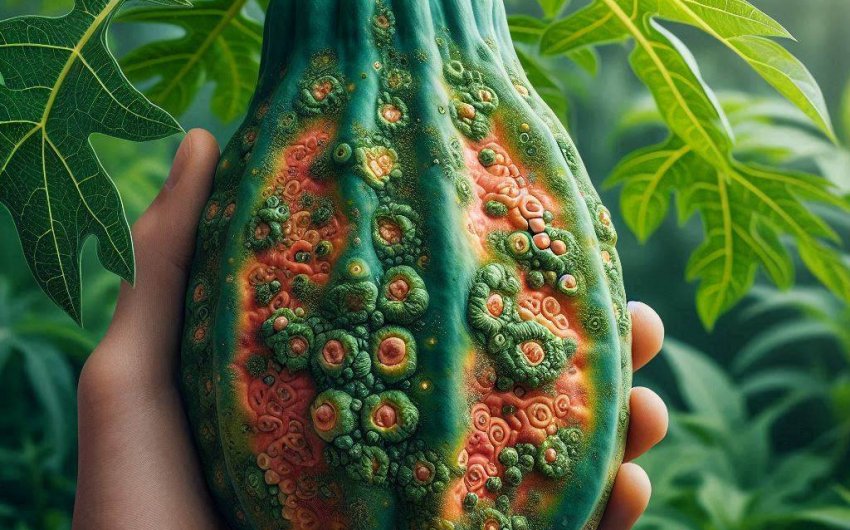
The papaya tree (Carica papaya) is a fast-growing, tropical delight, famous for its sweet, juicy fruit and its palm-like appearance. With its large, deeply lobed leaves and clusters of green or yellow fruits forming directly on the trunk, a thriving papaya tree is a symbol of abundance in warm climates. Native to Central America and southern Mexico, it's a popular choice for home growers in tropical and subtropical regions due to its rapid growth and continuous fruit production. However, despite its vigorous nature, the papaya tree is quite susceptible to a range of pests and diseases that can significantly impact its health, reduce yields, and even lead to its demise.
Understanding the common papaya diseases and pests is crucial for successful cultivation. Early identification, coupled with proactive prevention and timely treatment, can make the difference between a bountiful harvest and a disappointing struggle. From tiny sap-sucking insects to insidious fungal and viral infections, recognizing the subtle signs of trouble on leaves, stems, or fruit is paramount. Dive into the world of papaya health management, equipping yourself with the knowledge to identify, prevent, and treat the most common adversaries, ensuring your papaya trees remain vibrant, productive, and laden with delicious fruit.
Why are Papaya Trees Susceptible to Pests and Diseases?
While vigorous, papaya trees have certain characteristics that make them particularly vulnerable to various problems.
What Makes Papaya Trees Vulnerable?
- Fast Growth: Their rapid growth rate means they are constantly producing tender new growth, which is often more attractive to many sap-sucking pests.
- Soft Tissues: Papaya stems and trunks are relatively soft and herbaceous, making them easy targets for boring insects or entry points for pathogens.
- Monocarpic Tendency (Short-lived): While technically a perennial, many papaya varieties are short-lived (lasting 3-5 years) and decline rapidly after heavy fruiting. This natural decline can make them more susceptible to problems as they age.
- Tropical Climate: The warm, humid conditions that papayas love also often favor the rapid reproduction of many fungal and insect pests.
- Sensitivity to Root Disturbance: Papayas are known to be sensitive to root disturbance and hate "wet feet," making them prone to root rot if drainage is poor.
How Do Environmental Stressors Impact Papaya Health?
Any stress on the papaya tree can weaken its natural defenses, making it more vulnerable to pests and diseases.
- Improper Watering: Both overwatering (leading to root rot) and severe underwatering (leading to stress) can weaken the tree.
- Poor Drainage: Papaya trees must have excellent drainage. Waterlogged soil quickly leads to root problems.
- Nutrient Deficiencies: Lack of essential nutrients can stunt growth and weaken the tree.
- Insufficient Light: Though tropical, they need full sun. Too much shade can lead to weak growth.
- Cold Temperatures: Sensitive to frost and prolonged cool temperatures, which can severely stress or kill the tree.
What Are the Most Common Pests Affecting Papaya Trees?
Various insects find papaya trees a delicious host, causing damage to leaves, stems, and fruit.
What Are Spider Mites and Their Signs?
Spider mites are tiny arachnids that thrive in hot, dry conditions.
- Appearance: Nearly invisible. Look for tiny moving specks.
- Damage: Suck sap, causing tiny yellow or white stippling (dots) on leaves. Heavily infested leaves turn dull, yellowish, or bronzy, curl, and may drop prematurely.
- Key Sign (Webbing): Fine, delicate webbing on the undersides of leaves, especially around veins.
- Fruit Affected: Can also affect developing fruit, causing discoloration or scarring.
- Solutions:
- Increase Humidity: Mites hate humidity. Mist regularly, or ensure good humidity.
- Strong Water Spray: Physically dislodge them.
- Insecticidal Soap: Apply thoroughly to leaf undersides.
- Neem Oil: Natural insecticide/repellent.
- Predatory Mites: Introduce beneficial predatory mites. A spider mite control spray for fruit trees can address this.
What Are Papaya Mites (Broad Mites, Flat Mites)?
These are specialized mites that can cause severe damage.
- Appearance: Even tinier than spider mites, almost impossible to see without a microscope.
- Damage: Cause severe distortion and puckering of young leaves, stunting of new growth, and bronzing or russeting of affected areas. Can severely damage developing fruit, leading to rough, scarred, or stunted fruit.
- Solutions: Difficult to diagnose and treat due to their size. Regular neem oil applications or specific miticides may be necessary. Ensure good garden hygiene.
What Are Aphids and Their Signs?
Aphids are small, soft-bodied insects that feed on plant sap.
- Appearance: Tiny, pear-shaped insects (green, black, yellow) clustered on new growth, leaf undersides, and flower buds.
- Damage: Suck sap, causing leaves to curl, yellow, and distort. Secrete honeydew, a sticky substance that leads to sooty mold. Can stunt growth and reduce fruit yield.
- Solutions:
- Strong Water Spray: Dislodge them forcefully.
- Insecticidal Soap: Effective on contact.
- Neem Oil: Disrupts feeding.
- Beneficial Insects: Attract ladybugs and lacewings. A garden hose nozzle with jet spray can help blast them off.
What Are Mealybugs and Their Signs?
Mealybugs are soft-bodied insects covered in a white, waxy, cottony substance.
- Appearance: Look like tiny pieces of cotton or lint, clustered in leaf axils, on stems, or under leaves.
- Damage: Suck sap, causing yellowing, distorted growth, and stunted fronds. Excrete honeydew, leading to sooty mold.
- Solutions:
- Manual Removal: Dab with a cotton swab dipped in rubbing alcohol for small infestations.
- Insecticidal Soap: Spray thoroughly.
- Neem Oil: Works well.
What Are Fruit Flies (e.g., Oriental Fruit Fly, Mediterranean Fruit Fly)?
These are highly destructive pests that target ripening fruit.
- Appearance: Small, gnat-like flies, often with distinctive wing patterns.
- Damage: Adults lay eggs just under the skin of ripening fruit. Larvae (maggots) hatch and feed inside the fruit, causing it to rot and become inedible. You'll see puncture marks and rotting spots.
- Solutions: Very difficult to control once established.
- Sanitation: Promptly remove and destroy all fallen and infested fruit to break the life cycle.
- Traps: Use pheromone traps to monitor or mass-trap adults.
- Bagging Fruit: For small numbers of trees, individually bagging developing fruit (e.g., with paper bags) can protect them.
- Nematodes: Some beneficial nematodes can target larvae in the soil.
- Insecticides: Targeted organic sprays (like Spinosad spray for fruit trees) may be used if approved and timed correctly. Check local regulations, as some areas have strict fruit fly control programs.
What Are the Most Common Diseases Affecting Papaya Trees?
Papaya trees are unfortunately prone to several significant diseases, some of which can be devastating.
What is Papaya Ring Spot Virus (PRSV)?
This is the most destructive and widespread papaya disease globally.
- Symptoms: Causes severe mottling and distortion of leaves (dark and light green patches), yellowing, and blistering. Stems and leaf petioles develop dark, water-soaked streaks. Fruit develops characteristic concentric rings of darker green or yellow spots, which turn brown as the fruit ripens. Fruit quality is severely impacted.
- Cause: A virus spread primarily by aphids.
- Solutions: No cure. Once a tree is infected, it typically needs to be removed and destroyed to prevent further spread.
- Prevention: Controlling aphids is crucial. Plant PRSV-resistant varieties (e.g., 'Rainbow', 'SunUp'). Use row covers for young plants. Remove weed hosts.
What is Powdery Mildew?
A common fungal disease that appears as white, powdery patches on leaves.
- Symptoms: White, flour-like spots that spread, primarily on the upper surface of leaves. Infected leaves may curl, distort, or turn yellow. Severe infections can lead to leaf drop and reduced photosynthesis.
- Conditions Favored: Warm, humid conditions with poor air circulation.
- Solutions:
- Improve Air Circulation: Proper spacing and pruning.
- Remove Infected Leaves: Promptly remove and destroy affected leaves.
- Fungicides: Apply organic fungicides such as potassium bicarbonate, sulfur dust, or neem oil. A fungicide spray for powdery mildew can be used.
What is Anthracnose?
A common fungal disease affecting many tropical fruits.
- Symptoms: Appears as small, sunken, dark brown to black spots on leaves, stems, and especially fruit. On fruit, spots enlarge, become watery, and can lead to fruit rot, particularly after harvest. Pinkish fungal spores may be visible in humid conditions.
- Conditions Favored: Wet, humid weather.
- Solutions:
- Sanitation: Remove and destroy all infected plant parts and fallen fruit.
- Improve Air Circulation: Prune for good airflow.
- Watering: Water at the base of the plant, avoiding overhead watering.
- Fungicides: Copper-based fungicides can be used preventatively or curatively. A liquid copper fungicide is a common choice.
What About Root Rot and Damping-Off?
These are typically caused by soil-borne fungi.
- Symptoms (Root Rot in Mature Trees): Yellowing leaves, wilting despite moist soil, stunted growth, general decline. Roots appear mushy, brown, or black when inspected.
- Symptoms (Damping-Off in Seedlings): Seedlings suddenly wilt and collapse at the soil line.
- Conditions Favored: Overwatering, poor soil drainage, heavy clay soils, cool temperatures.
- Solutions:
- Prevention is Key: Use well-draining soil. Ensure excellent drainage holes in pots. Avoid overwatering. Improve soil structure for in-ground trees.
- Fungicides (Limited Use): Some fungicidal drenches might help, but often too late for root rot.
- Repot: For potted trees, repotting into fresh, dry, well-draining mix after pruning rotten roots might save the tree.
How Can I Prevent Papaya Diseases and Pests?
Prevention is the most effective and sustainable approach to managing papaya tree health.
What is the Importance of Site Selection and Soil?
- Full Sun: Papaya trees need full sun (at least 6-8 hours of direct sunlight) for optimal health and vigor.
- Excellent Drainage: They must have perfectly draining soil. Sandy loam is ideal. If planting in heavy clay, create a mound or build a raised bed to improve drainage.
- Warmth: Choose a warm, sheltered spot, protected from strong winds and cold.
- pH: Prefer slightly acidic to neutral soil (pH 6.0-7.0).
How Does Proper Watering and Fertilization Help?
- Water Consistently: Provide regular, deep watering, especially during dry spells and when fruiting. The soil should be consistently moist but never soggy.
- Avoid Overwatering: The biggest mistake. Allow the top few inches of soil to dry out between waterings.
- Balanced Fertilization: Papaya trees are heavy feeders. Fertilize regularly (e.g., every 2-4 weeks during active growth) with a balanced fruit tree fertilizer that includes micronutrients. Avoid over-fertilizing with nitrogen, which can lead to lush growth attractive to pests. Use a papaya tree fertilizer.
What is the Role of Pruning and Sanitation?
- Pruning: Prune to remove any dead, diseased, or damaged leaves/stems. This improves air circulation within the canopy, reducing humidity around foliage and making it less hospitable to fungal diseases and some pests. Use clean, sharp pruning shears.
- Sanitation: Promptly remove and destroy all fallen leaves, fruit, and plant debris from around the tree. Many pathogens and pest eggs can overwinter in this debris. Do not compost diseased material.
How Can I Choose Resistant Varieties?
- Disease-Resistant Cultivars: For Papaya Ring Spot Virus (PRSV), planting PRSV-resistant varieties (e.g., 'Rainbow', 'SunUp' in Hawaii) is the most effective prevention strategy where the virus is prevalent.
- Reputable Source: Purchase healthy, certified disease-free seedlings or seeds from reputable nurseries.
What is Integrated Pest Management (IPM)?
IPM is a holistic, eco-friendly approach to pest management.
- Monitor Regularly: Inspect your trees frequently for early signs of pests or diseases.
- Cultural Controls: All the prevention tips above (proper watering, fertilization, light, pruning).
- Biological Controls: Encourage beneficial insects (ladybugs, lacewings, predatory mites, parasitic wasps) that prey on papaya pests like aphids, mites, and mealybugs. Avoid broad-spectrum pesticides. A beneficial insect attractor seed mix can help.
- Physical Barriers: Use row covers for very young plants. Bag individual fruits to protect from fruit flies.
- Targeted Organic Sprays: Use organic pest control sprays for fruit trees (e.g., insecticidal soap, neem oil, Spinosad) as a last resort, applied precisely to affected areas and according to label directions for safety and pre-harvest intervals.
What Are Other General Papaya Growing Problems?
Beyond specific pests and diseases, other general issues can affect papaya trees.
Why Are My Papaya Flowers Dropping?
- Stress: Any sudden stress (temperature change, severe over/underwatering, transplant shock, high winds) can cause flower drop.
- Lack of Pollination: If your tree isn't attracting pollinators, flowers won't be fertilized. Male trees (if present) don't produce fruit and their flowers will drop.
- Nutrient Imbalance: Low phosphorus can hinder flowering.
- Solutions: Ensure consistent care. Manually pollinate if needed. Check fertilizer.
What Causes Papaya Fruit Not to Ripen?
- Immaturity: Fruit may simply not be mature enough yet.
- Lack of Sunlight: Insufficient light reduces sugar production and slows ripening.
- Cold Temperatures: Temperatures below 50°F (10°C) can halt ripening.
- Disease/Pest Damage: Infected or heavily damaged fruit may not ripen properly.
- Solutions: Maximize sun exposure. Protect from cold. Maintain tree health.
What is "Sex" of Papaya Tree and its Relevance to Fruiting?
Papaya trees can be male, female, or hermaphrodite.
- Male: Produce only pollen-bearing flowers (on long stalks), do not produce fruit.
- Female: Produce female flowers (large, solitary, close to trunk) that need pollen from a male or hermaphrodite tree to produce fruit.
- Hermaphrodite: Produce flowers with both male and female parts (self-pollinating), are generally preferred for home gardens as they guarantee fruit.
- Identification: It can take time (sometimes up to a year) to determine the sex of a seedling once it starts flowering.
- Strategy: Planting multiple seedlings (3-5) increases your chances of getting a female and/or hermaphrodite tree. Or, purchase a hermaphrodite papaya seedling if available.
Why Do Papaya Trees Die After Heavy Fruiting?
- Natural Life Cycle: Many papaya varieties are relatively short-lived and have a tendency to be monocarpic, meaning they produce fruit heavily for a few years and then naturally decline and die after a large harvest.
- Solutions: While you can't prevent this natural decline, you can ensure you have new seedlings growing to replace older trees, maintaining a continuous supply of fruit. Regularly propagate from seed or purchase new seedlings.
By staying vigilant, understanding the unique challenges of papaya diseases and pests, and applying proactive identification, prevention, and treatment strategies, you can enjoy the rewarding experience of growing healthy, productive papaya trees and savoring their delicious, homegrown fruit.