
How to Create a Stunning Indoor Flower Garden: A Complete Guide
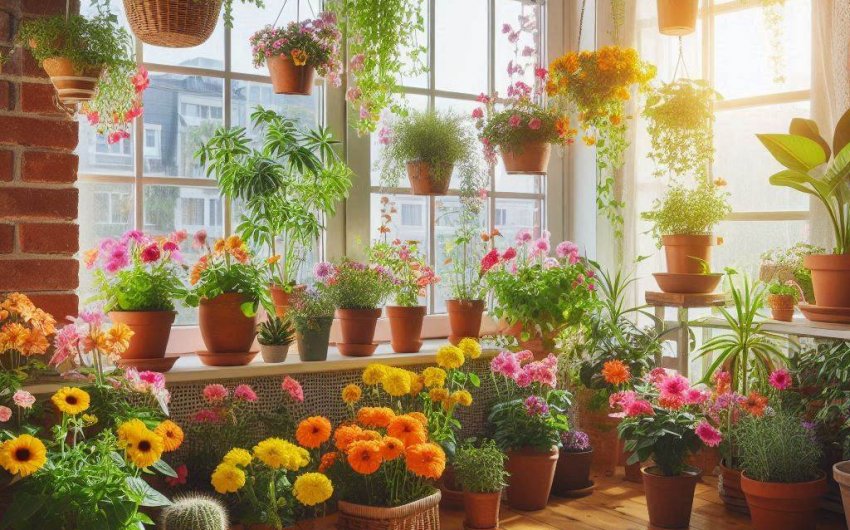
The vibrant colors, delicate petals, and sweet fragrances of blooming flowers bring undeniable joy. They uplift spirits, beautify spaces, and often remind us of the warmth of spring and summer. But what if you could enjoy that captivating beauty year-round, right inside your home? Creating a stunning indoor flower garden is a wonderful way to brighten any room, no matter the season or outdoor weather. It's about bringing the magic of a blossoming landscape into your living space, creating a vibrant, living display that continuously delights.
Building an indoor flower garden might seem like a challenge, especially if you're used to outdoor gardening. However, with the right plant choices, proper light solutions, and attentive care, anyone can cultivate a thriving oasis of blooms indoors. It's about understanding the specific needs of flowering houseplants and designing a space that allows them to flourish. This complete guide will walk you through everything you need to know, from selecting the perfect colorful varieties to nurturing them for a continuous display of floral charm.
What Defines a Stunning Indoor Flower Garden?
A stunning indoor flower garden is more than just a collection of potted plants that happen to have flowers. It's a thoughtfully designed and beautifully curated space that brings consistent color, fragrance, and a sense of natural beauty indoors.
What are the Key Elements of a Stunning Indoor Flower Garden?
- Consistent Blooms (or Rotating Display): The goal is to have flowers regularly, either from plants that bloom continuously, or by rotating plants in and out as they cycle through their blooming periods.
- Vibrant Color Palette: Flowers are chosen for their captivating colors, creating visual impact and complementing your home's decor. This can be a harmonious blend of colors or striking contrasts.
- Varied Forms and Textures: Mix plants with different flower shapes (e.g., large single blooms, clusters, spikes), leaf textures (e.g., glossy, fuzzy, delicate), and plant forms (e.g., upright, bushy, trailing).
- Strategic Placement and Layering: Plants are arranged to maximize their visual appeal, considering height, light needs, and how they interact with each other and the room's layout. This often involves creating levels.
- Healthy, Thriving Plants: A truly stunning garden is built on healthy plants. Vibrant colors and abundant blooms only come from well-cared-for specimens.
- Aesthetic Containers and Accessories: The pots, stands, and other decor elements should enhance the beauty of the flowers and complement your home's style. They act as frames for your living art.
- Sensory Appeal: Beyond just sight, a stunning indoor flower garden often engages the sense of smell with fragrant blooms, adding another layer of charm.
What are Common Misconceptions About Indoor Flower Gardens?
- You need a sunroom or conservatory: While ideal, you can create a beautiful indoor flower garden with strategically placed plants and supplemental lighting in a regular room.
- All flowering plants are hard to care for indoors: Many are, but there are excellent beginner-friendly options.
- It's only for experienced gardeners: With good guidance, anyone can succeed.
- It has to be huge: Even a small cluster of blooming plants can be a "stunning indoor flower garden" if well-chosen and cared for.
A stunning indoor flower garden transforms a room into a vibrant, living sanctuary, continuously reminding you of nature's beauty and bringing joy year-round.
How Do You Choose the Best Plants for an Indoor Flower Garden?
Selecting the right flowering houseplants is the most critical step. Not all beautiful outdoor flowers can thrive indoors, and even among indoor options, some are much easier than others.
What is the Most Important Factor: Light?
Most flowering plants need significantly more light than foliage-only houseplants. This is the absolute non-negotiable requirement for blooms.
- Bright, Direct Light (6+ hours): Ideal for the heaviest bloomers. This is usually a sunny south-facing window.
- Bright, Indirect Light (3-6 hours): Can work for some, especially if supplemented. Usually an east or west-facing window, or set back from a south window.
- Supplemental Lighting is Key: If you don't have enough natural light, grow lights are your best friend. A LED Grow Light for Flowering Plants can provide the necessary intensity and duration (12-16 hours a day).
What are the Best Flowering Plants for Beginners (Relatively Easy)?
These options are more forgiving and known for their ability to bloom indoors.
- Peace Lily (Spathiphyllum): Famous for its elegant white "flowers" (modified leaves called spathes) that bloom even in medium-to-low indirect light. Very communicative when thirsty (dramatic drooping). It also cleans the air.
- Christmas Cactus (Schlumbergera): A unique jungle cactus that produces vibrant, bell-shaped flowers in winter (and relatives Thanksgiving and Easter cacti for other seasons). They like bright indirect light and tolerate some neglect. They are non-toxic to pets. You can buy Christmas Cactus Plants.
- African Violet (Saintpaulia): Beloved for their fuzzy leaves and continuous clusters of colorful blooms (purple, pink, white, blue). They thrive in consistent, bright indirect light and appreciate humidity. Very compact.
- Moth Orchid (Phalaenopsis): The most common and easiest orchid to grow indoors. Their stunning, long-lasting flowers (often for months) come in a vast array of colors and patterns. They like bright, indirect light. A beautiful Phalaenopsis Orchid Plant can make a great gift.
What are Intermediate (A Bit More Care) Flowering Plants?
These require a bit more attention to light, watering, or specific conditions but are incredibly rewarding.
- Cyclamen (Cyclamen persicum): Known for its vibrant, upswept flowers in pink, red, purple, or white, and lovely patterned foliage. It likes cool temperatures and bright, indirect light, often blooming in fall/winter. Needs careful watering. Note: Toxic if ingested.
- Kalanchoe (Kalanchoe blossfeldiana): A succulent that produces clusters of small, bright flowers in red, orange, yellow, pink, or white. It's tough and prefers bright light with drier soil. Reblooming can be tricky.
- Geranium (Pelargonium spp.): Many types (e.g., Zonal, Scented) can be grown indoors with enough bright, direct light. They are heavy bloomers and often fragrant.
- Jasmine (Indoor Varieties like Jasminum polyanthum): Grown for their intensely fragrant white or pink flowers. They need bright light and consistent moisture, and often require a cool period to set buds.
What About Foliage Plants with Colorful Accents?
While not "flowers," these plants have colorful foliage that can provide continuous color even when other plants aren't blooming.
- Croton (Codiaeum variegatum): Incredible leaf colors (red, orange, yellow, green) that intensify with bright light.
- Chinese Evergreen (Aglaonema): Many varieties have stunning variegated leaves with pink, red, or silver patterns. Tolerates lower light than most flowering plants.
- Prayer Plant (Maranta leuconeura): Beautiful leaf patterns with red veins and a habit of folding leaves at night. Prefers humidity.
Choosing plants that match your available light and comfort level with care will ensure your indoor flower garden is a success.
How Do You Plan the Layout and Aesthetics of Your Indoor Flower Garden?
Creating a stunning indoor flower garden involves thoughtful design, much like arranging flowers in a vase, but on a larger scale. It's about composing a vibrant, living display.
What are the Key Design Principles?
- Focal Point: Choose one or two prominent plants with particularly striking flowers or impressive size to act as central focal points.
- Layering and Levels: This is crucial for visual depth.
- Tallest in Back, Shortest in Front: When arranging plants on a table, shelf, or in a window, place taller, upright plants behind medium-sized ones, and small, low-growing or trailing plants at the front.
- Elevate Plants: Use plant stands of varying heights to lift some plants off the floor or tabletop. This creates vertical layers and brings plants closer to light. A Mid Century Modern Plant Stand can add style.
- Hanging Plants: Utilize hanging planters for trailing blooms (like some Fuchsias if light allows, or even a cascading Christmas Cactus). This frees up surface space and adds greenery at eye level.
- Color Palette:
- Harmonious Blend: Choose flower colors that complement each other and your room's decor. Analogous colors (e.g., pinks, purples, blues) create a calm, flowing feel.
- Striking Contrasts: Use complementary colors (e.g., purple flowers next to yellow foliage) for a bold, energetic look.
- White as a Bridge: White flowers can beautifully tie together different color schemes.
- Texture and Form Variety: Mix flower shapes (bell, trumpet, star, cluster), leaf textures (glossy, fuzzy, feathery), and plant forms (upright, bushy, trailing) to create visual interest and prevent a flat look.
- Repeat Elements: Repeat certain colors or plant types to create a sense of cohesion and rhythm throughout your display.
- Negative Space: Don't overcrowd. Allow some empty space between plant groupings for the eye to rest. This makes the plants that are present stand out more.
How to Choose Stylish Pots and Accessories?
The containers are part of the overall design.
- Material: Choose pots that suit your style:
- Ceramic/Glazed: Wide variety of colors and finishes. Can be matte, glossy, textured.
- Terracotta: Classic, rustic, porous (can help prevent overwatering for some).
- Plastic/Resin: Lightweight, affordable, good for moisture retention. Many decorative styles available.
- Woven Baskets: Used as decorative cachepots (outer pots) for warmth and texture. A Decorative Woven Planter can add charm.
- Color Cohesion: Choose pots that are in the same color family as your room or that are neutral (white, black, gray, cream) to let the flowers shine.
- Display Units: Beyond stands and shelves, consider étagères, tiered plant stands, or even small indoor greenhouses (for high humidity lovers) to create a dedicated floral zone.
What About Enhancing with Light?
- Natural Light Optimization: Place your brightest bloomers directly in your sunniest window.
- Grow Light Integration: If using grow lights, select attractive fixtures that blend with your decor. Many Stylish Grow Lights are available now, including pendant and clamp-on styles.
- Accent Lighting: Small LED puck lights or string lights can highlight individual plants or create a cozy evening glow.
By thoughtfully planning and arranging your flowering houseplants with complementary containers and accessories, you can create a captivating and stunning indoor flower garden that continuously brings joy and beauty to your home.
How Do You Care for Your Indoor Flower Garden?
Consistent and appropriate care is the cornerstone of a stunning indoor flower garden. Flowering plants often have more specific needs than foliage-only plants, especially regarding light and feeding.
What are the Watering Needs?
- "Feel the Soil" Rule: This is paramount. Always check the soil moisture before watering. Stick your finger 1-2 inches deep. If it feels dry, it's time to water. If it's still moist, wait. Overwatering is the most common killer.
- Thorough Watering: When you water, do so until water drains from the bottom of the pot. Discard any excess water from the saucer after 15-30 minutes. This ensures all the roots get moisture.
- Drainage: Absolutely essential. Ensure every pot has drainage holes. If your decorative pot doesn't, plant in a plastic nursery pot and place it inside.
- Adjust for Growth/Bloom: Actively blooming plants generally use more water than non-blooming ones. Adjust frequency based on growth stage, light, and temperature.
- Specific Needs: Some flowering plants (like African Violets) prefer bottom watering or care to avoid getting water on their leaves. Research your specific plants' preferences.
Do Indoor Flowering Plants Need Fertilizing?
Yes, flowering plants are generally heavier feeders than foliage plants, as producing blooms takes a lot of energy.
- Bloom Booster Formula: Use a fertilizer formulated for blooming plants, often with a higher middle number (phosphorus) to promote flowers, like a 1-2-1 or 2-4-2 NPK ratio. For example, a Bloom Booster Fertilizer for houseplants.
- When to Fertilize: Begin fertilizing when the plant starts its active growth phase (usually spring) and continues through its blooming period. Reduce or stop fertilizing in fall and winter when growth slows down or plants go dormant.
- Frequency: Typically every 2-4 weeks during the growing and blooming season.
- Dilution: Always dilute the fertilizer to half or quarter strength as recommended on the package. Over-fertilizing can burn the roots and actually inhibit blooming.
- Organic Options: Top-dressing with Worm Castings or Compost provides gentle, slow-release nutrients.
How to Maintain Proper Humidity and Temperature?
- Humidity: Most flowering houseplants (especially orchids, peace lilies, cyclamen) are tropical and appreciate higher humidity (50-60% or more) than typical homes, especially in winter.
- Solutions: Use a pebble tray, group plants, or use a Room Humidifier. Misting offers temporary relief but is less effective for long-term humidity.
- Temperature: Most prefer average room temperatures (65-80°F or 18-27°C) during the day. Some (like Cyclamen) prefer cooler temperatures, especially at night, to encourage blooming. Avoid sudden temperature changes or drafts.
How to Prune and Deadhead for More Blooms?
- Deadheading: This is vital for most flowering plants. Remove spent (faded) blooms as soon as they wilt.
- Why: It encourages the plant to put energy into producing more flowers instead of forming seeds. It also keeps the plant looking tidy.
- Method: Snip off the faded flower head just above a healthy leaf or a new bud using clean Pruning Snips for Houseplants.
- Pruning for Shape: Remove any yellowing, dead, or diseased leaves. Prune leggy stems to encourage bushier growth.
How to Manage Pests?
- Regular Inspection: Check plants daily as you water for any signs of pests (tiny bugs, sticky residue, fine webbing).
- Common Pests: Aphids, spider mites, mealybugs, and whiteflies.
- Solutions: Isolate affected plants. For mild infestations, a strong spray of water can dislodge them. For more persistent issues, use an Organic Insecticidal Soap or neem oil. Address specific pest issues promptly.
Consistent, attentive care tailored to the needs of flowering plants is the secret to a continuously vibrant and stunning indoor flower garden.
What are Common Problems and Solutions for Indoor Flowering Plants?
Even with attentive care, indoor flowering plants can face challenges. Understanding these common problems and how to fix them will help you keep your indoor flower garden thriving and beautiful.
Why Are My Flowers Not Blooming?
This is the most common and frustrating problem with indoor flowering plants.
- Insufficient Light (Most Common Cause): This is the primary reason. Plants need a lot of energy from light to produce flowers. If they are in too dim a spot, they will grow foliage but won't bloom.
- Solution: Move the plant to the brightest possible location with direct or very bright indirect light (south-facing window). Consider investing in a Grow Light for Indoor Plants to provide 12-16 hours of light daily.
- Wrong Fertilizer: Too much nitrogen (the first number in NPK) promotes leafy growth at the expense of flowers.
- Solution: Use a "bloom booster" fertilizer (higher in phosphorus, the middle number) during the blooming season.
- Lack of Fertilization: Plants need sufficient nutrients to produce energy for blooming.
- Solution: Fertilize regularly during the blooming period.
- Plant Immaturity: Some plants won't bloom until they reach a certain age or size.
- Incorrect Temperatures: Some plants (like Christmas Cactus or Jasmine) need a period of cooler temperatures or specific temperature drops to initiate bud formation. Research your specific plant's needs.
- Lack of Dormancy: Some plants require a period of rest or dormancy to rebloom.
Why are My Leaves Turning Yellow or Brown?
- Overwatering (Very Common): If leaves are yellowing, especially lower leaves, and feel soft or mushy, and the soil is consistently wet, it's overwatering. Roots are suffocating.
- Solution: Allow the soil to dry out more between waterings. Ensure good drainage. Repot if severe root rot is suspected.
- Underwatering: If leaves are wilting, shriveling, and turning brown and crispy, and the soil is bone dry, it's underwatering.
- Solution: Water thoroughly immediately. Establish a more consistent watering routine.
- Low Humidity: Brown, crispy leaf tips or edges, even with proper watering, often point to low humidity.
- Solution: Increase humidity around the plant with a pebble tray or humidifier.
- Too Much Direct Sun/Scorching: If leaves show bleached spots or crispy brown patches, it could be too much direct, intense sun.
- Solution: Move the plant to a spot with bright, but indirect light.
- Normal Aging: Older, lower leaves will naturally yellow and die off. This is normal.
Why are My Flowers Wilting or Dropping Prematurely?
- Underwatering: Sudden wilting and flower drop is a classic sign of severe underwatering.
- Overwatering: Wilting despite wet soil can mean root rot.
- Temperature Extremes/Drafts: Sudden changes in temperature, cold drafts, or extreme heat can stress the plant and cause flower/bud drop.
- Pests: Inspect for tiny pests feeding on buds or flowers.
What About Pests on Indoor Flowering Plants?
Pests can be attracted to new, soft growth and flowers.
- Common Pests: Aphids (on buds/new growth), spider mites (in dry air), mealybugs (fuzzy white masses), and whiteflies.
- Solutions:
- Regular Inspection: Check plants daily, especially as they bud and bloom.
- Isolate: Immediately isolate any infested plant.
- Physical Removal: For light infestations, hand-pick or use a strong stream of water.
- Organic Sprays: Use Insecticidal Soap for Flowering Plants or neem oil, ensuring coverage of all plant surfaces. Be careful not to spray directly onto delicate open flowers as it may spot them.
What About Diseases?
- Root Rot: Almost always from overwatering or poor drainage.
- Powdery Mildew: White, powdery coating on leaves, common in high humidity with poor air circulation.
- Botrytis (Gray Mold): Fuzzy gray mold on decaying flowers or leaves, especially in cool, damp, stagnant conditions.
- Solutions: Improve air circulation. Remove affected plant parts immediately. Avoid overhead watering.
By being observant and addressing issues quickly, you can ensure your stunning indoor flower garden remains a vibrant and beautiful display, blooming happily throughout the seasons.