
Zone 6 Garden Layout: Thriving in Challenging Climates!
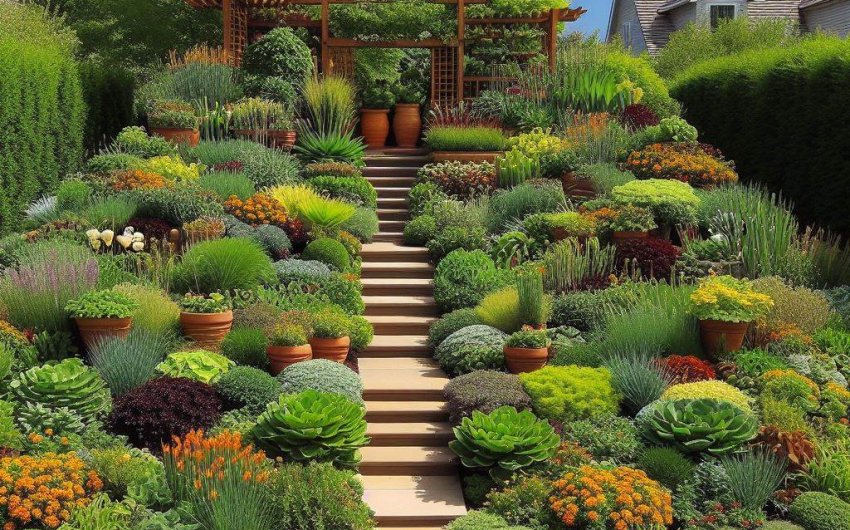
Gardening is a joyful pursuit, connecting us with nature and providing beauty or fresh produce. However, success often hinges on understanding your specific environment, and for many, that means knowing your USDA Hardiness Zone. If you're a gardener in Zone 6, you're familiar with a unique set of climatic conditions: typically cold winters and warm, often humid, summers. This blend of seasons presents both opportunities and challenges when planning a garden layout. It's not just about what can survive the winter, but what will genuinely thrive and flourish throughout the entire year.
Designing a Zone 6 garden effectively means more than just picking plants listed for your zone. It involves strategic planning to maximize growth, mitigate extreme temperatures, and ensure year-round interest. From selecting resilient plants to incorporating smart design elements, every decision contributes to a vibrant and successful garden. Let's delve into creating a thriving garden in challenging climates, turning potential hurdles into opportunities for a spectacular outdoor space.
What Defines a Zone 6 Climate for Gardening?
Understanding the specifics of Zone 6 is the first step in successful garden planning. This knowledge helps you choose the right plants and employ the best strategies to help them grow strong.
What are the Winter Conditions in Zone 6?
The defining characteristic of Zone 6 is its winter temperatures. These are the crucial numbers that determine which perennial plants can survive year after year.
- Average Minimum Temperatures: Zone 6 experiences average annual extreme minimum temperatures between -10°F and 0°F (-23.3°C to -17.8°C). This range is significant because it tells you which perennial plants (plants that live for more than two years) are hardy enough to withstand your winter lows without dying back completely. If a plant is rated for Zone 7 or higher, it likely won't survive an average Zone 6 winter outdoors without special protection.
- Frost Dates: While the minimum temperature range is key, knowing your local average first and last frost dates is vital for annual plants (plants that complete their life cycle in one growing season) and for starting vegetables. The last spring frost typically occurs in mid-to-late April, and the first fall frost usually arrives in mid-to-late October. These dates define your growing season – the period between the last and first frost when most tender plants can grow safely outdoors.
- Snowfall: Many Zone 6 areas receive moderate to heavy snowfall. While it can be a challenge for access, snow actually acts as an insulating blanket for perennial plants, protecting their roots from extreme cold. This natural insulation can sometimes allow plants borderline for Zone 6 to survive more effectively.
Understanding these winter conditions helps you select cold-hardy plants and plan for any necessary winter protection measures.
What are the Summer Conditions Like?
Zone 6 summers are generally warm and provide ample growing time, but they can also bring their own set of challenges.
- Warm Temperatures: Summers in Zone 6 typically feature warm to hot temperatures, often ranging from 75°F to 90°F (24°C to 32°C) or sometimes higher. This warmth is perfect for many sun-loving annuals and most warm-season vegetables like tomatoes, peppers, and corn.
- Humidity: Many regions within Zone 6 experience moderate to high humidity during the summer. This can be a double-edged sword: while it reduces the need for constant watering, high humidity can also create conditions favorable for certain fungal diseases, such as powdery mildew or black spot. Good air circulation around plants becomes important in humid areas.
- Rainfall: Rainfall varies greatly across different Zone 6 locations. Some areas have consistent summer rains, while others may experience dry spells. Having a good understanding of your local rainfall patterns is crucial for planning irrigation and selecting drought-tolerant plants if necessary. A rain gauge can be a helpful tool for monitoring.
Considering both winter and summer conditions allows for a comprehensive approach to your Zone 6 garden layout, ensuring plants thrive throughout the year.
How Do You Plan a Zone 6 Garden Layout for Success?
A well-thought-out garden layout is fundamental to success, especially in a climate with distinct seasons. It goes beyond just aesthetics; it impacts plant health, water efficiency, and ease of maintenance.
What is Site Analysis and Why is it Important?
Before putting a single plant in the ground, take time to observe your space. This is called site analysis.
- Sunlight Mapping: This is perhaps the most critical step. Different plants have different light requirements (full sun, partial shade, full shade). Track how much direct sunlight each area of your garden receives throughout the day, in different seasons if possible. Use a simple chart or mark areas with chalk. A sunlight meter can also help. This helps you determine the best placement for sun-loving plants and shade-tolerant ones.
- Drainage Assessment: Good drainage is vital for most plants. After a heavy rain, observe how quickly water drains from different parts of your garden. Standing water indicates poor drainage, which can lead to root rot. You might need to amend heavy clay soils with organic matter like compost to improve drainage, or consider raised garden beds.
- Wind Patterns: Strong winds can dry out plants, break stems, or even damage structures. Identify areas prone to high winds. You might need to incorporate windbreaks (fences, hedges, or sturdy shrubs) into your garden design to protect sensitive plants.
- Soil Type and pH: Knowing your soil type (sand, clay, loam) and its pH level is crucial for plant health. A soil test kit can provide valuable information about nutrient levels and pH, helping you make informed decisions about amendments. Most vegetables and many flowers prefer a slightly acidic to neutral pH (6.0-7.0).
A thorough site analysis ensures you place the right plant in the right spot, significantly increasing its chances of thriving.
How Can Garden Zones and Microclimates Influence Your Layout?
Understanding the overall Zone 6 climate is good, but recognizing smaller variations within your own yard is even better.
- Microclimates Explained: A microclimate is a small area within your garden that has slightly different temperature or moisture conditions than the surrounding area. For example, a south-facing wall can create a warmer, sheltered microclimate, while a low-lying spot might be prone to frost pockets.
- Utilizing Microclimates:
- Warm Spots: Plant tender perennials or early-season vegetables in warm, sheltered spots (e.g., near a brick wall that absorbs and radiates heat). This can sometimes allow you to push the boundaries of Zone 6 gardening.
- Cool Spots: Use cooler, shadier spots for plants that prefer less intense sun, or for extending the harvest of cool-season vegetables like lettuce into early summer.
- Frost Pockets: Be aware of low-lying areas where cold air settles. Avoid planting tender perennials or early spring annuals in these spots without significant protection.
- Garden Zones: While you are in Zone 6, different sections of your garden might fall into micro-zones due to these influences. For example, a very sheltered spot could act more like Zone 6b or even 7a, while an exposed, windy area might feel more like Zone 5b. Factor these small differences into your garden plan.
Thoughtful use of garden microclimates can expand the range of plants you can successfully grow.
What Design Principles Work Best for Zone 6 Gardens?
Applying good design principles ensures your garden layout is both functional and beautiful.
- Form Follows Function: Think about how you'll use your garden. Do you need pathways? Seating areas? Designated vegetable beds? Plan these functional elements first, then build your planting around them. Wide, accessible garden pathways make maintenance easier.
- Succession Planting: This strategy maximizes harvests, especially for vegetables and annual flowers. Instead of planting all at once, plant small batches of quick-growing crops every 2-3 weeks. This provides a continuous harvest rather than a single large one, and also helps fill gaps left by earlier plants. It's excellent for small garden layouts.
- Layering: Create visual interest and ecological benefits by layering plants.
- Tall plants in the back (or center of island beds).
- Medium-height plants in the middle.
- Short plants or groundcovers in the front.
- This also ensures all plants get adequate sunlight and helps create diverse habitats.
- Repetition and Rhythm: Repeat certain plants, colors, or textures throughout your garden design to create a sense of cohesion and flow. This makes the garden feel intentional and harmonious.
- Consider Winter Interest: Since Zone 6 has long winters, include plants that offer winter interest. This could be evergreens, plants with interesting bark (e.g., dogwood, birch), persistent berries (e.g., winterberry holly), or attractive seed heads (e.g., coneflowers, ornamental grasses). This keeps your garden appealing even in the colder months.
By using these garden design principles, your Zone 6 garden will be efficient, beautiful, and a pleasure to be in year-round.
What are the Best Plants for a Zone 6 Garden Layout?
Selecting the right plants is at the heart of a successful Zone 6 garden. Focus on plants known for their hardiness and ability to thrive in these specific conditions.
Which Perennials Thrive in Zone 6?
Perennials (plants that return year after year) form the backbone of a low-maintenance Zone 6 garden.
- Hostas: Perfect for shade gardens. They come in an incredible variety of leaf colors, sizes, and textures, from tiny miniatures to giant specimens. They are very hardy and generally pest-resistant. A diverse collection of hosta plants can create striking groundcover.
- Daylilies (Hemerocallis): Extremely tough and adaptable, daylilies offer a wide range of colors and bloom times. They are tolerant of various soil conditions and periods of drought once established. Ideal for full sun garden beds.
- Coneflowers (Echinacea): Beloved for their daisy-like flowers and medicinal properties. They attract pollinators and provide good winter interest with their persistent seed heads. 'Purple Coneflower' (Echinacea purpurea) is particularly reliable. You can find echinacea seeds for various colors.
- Bleeding Hearts (Dicentra spectabilis): A classic spring bloomer for part shade gardens, with heart-shaped flowers dangling from arching stems. They usually go dormant in summer but provide beautiful early-season color.
- Peonies: Long-lived and beautiful, peonies produce large, fragrant blooms in late spring to early summer. They require full sun and well-drained soil. Once established, they need very little care. A single peony root can produce blooms for decades.
- Sedum (Stonecrop): Very drought-tolerant and low-maintenance, sedums come in various forms, from groundcovers to upright varieties with fall-blooming flowers. 'Autumn Joy' is a popular choice, providing late-season color and structural interest.
- Ornamental Grasses: Provide texture, movement, and winter interest. Varieties like 'Karl Foerster' feather reed grass, switchgrass, or fountain grass are hardy in Zone 6. They often require minimal care and add a modern touch to a garden landscape.
These hardy perennials will create a foundation of beauty in your Zone 6 garden with minimal fuss.
Which Shrubs and Trees Are Best for Zone 6?
Shrubs and trees provide structure, privacy, and long-term beauty to your garden layout.
- Hydrangeas: Extremely popular for their showy blooms. Many types are hardy in Zone 6, including 'Endless Summer' (which blooms on new and old wood), 'Annabelle' (smooth hydrangea), and many panicle hydrangeas (Hydrangea paniculata varieties). They prefer partial shade and moist, well-drained soil.
- Rhododendrons and Azaleas: Provide spectacular spring blooms. They need acidic soil and protection from harsh winter winds. Choose varieties specifically bred for Zone 6 hardiness.
- Evergreens (e.g., Boxwood, Juniper, Dwarf Conifers): Provide year-round color and structure, which is especially important for winter interest in Zone 6. Boxwoods are excellent for formal hedges or borders. Juniper varieties offer diverse shapes and textures. You can find dwarf conifer trees for small spaces.
- Serviceberry (Amelanchier): A versatile small tree or large shrub with beautiful white spring flowers, edible berries, and attractive fall foliage. It's a fantastic native choice for many Zone 6 areas.
- Maple Trees (e.g., Sugar Maple, Red Maple): Many maple species are well-suited to Zone 6 and offer stunning fall color. Choose varieties appropriate for your space (some grow very large).
- Dogwood Trees: Known for their beautiful spring blooms and often attractive bark and fall color. Flowering dogwood (Cornus florida) is a classic choice.
These cold-hardy trees and shrubs will provide the structural backbone and year-round appeal to your Zone 6 garden layout.
What Vegetables and Annuals Thrive in Zone 6?
While perennials and shrubs provide permanence, annuals and vegetables bring vibrant seasonal color and fresh harvests.
- Warm-Season Vegetables: Zone 6 has a long enough growing season for most popular warm-season vegetables.
- Tomatoes, Peppers, Eggplant: These love full sun and warm temperatures. Start them indoors 6-8 weeks before your last frost date.
- Cucumbers, Zucchini, Squash: Bush varieties are great for small spaces. All need full sun and consistent water.
- Beans (Bush and Pole), Corn: Classic summer staples.
- Sweet Potatoes: Can be grown in Zone 6 with enough heat and a long season.
- Cool-Season Vegetables: These can be planted in early spring and late summer/fall, extending your harvest.
- Lettuce, Spinach, Arugula: Fast-growing greens that tolerate cool temperatures.
- Radishes, Carrots, Beets: Root vegetables that prefer cooler soil.
- Broccoli, Cabbage, Kale: These "cole crops" thrive in cool weather.
- Popular Annual Flowers:
- Petunias, Marigolds, Zinnias: Provide continuous color from spring until fall frost. Great for containers and filling gaps. You can find zinnia seeds for a kaleidoscope of colors.
- Impatiens (for shade): If you have shady spots, New Guinea Impatiens or sun-tolerant impatiens provide cheerful blooms.
- Sunflowers: Tall, majestic annuals that bring cheer and attract birds.
- Cosmos: Airy, delicate flowers that are easy to grow from seed.
Choosing a mix of warm-season and cool-season vegetables allows for multiple harvests, and annuals add splashes of continuous color throughout your Zone 6 growing season.
How Can You Mitigate Challenges in a Zone 6 Garden?
Even with the right plants, the changing conditions of Zone 6 can present challenges. Proactive strategies can help your garden thrive.
What are Effective Winter Protection Strategies?
While plants rated for Zone 6 should survive, extra protection can ensure their survival, especially for borderline plants or during unusually harsh winters.
- Mulching: A thick layer (4-6 inches) of organic mulch (like straw, shredded leaves, or wood chips) around the base of perennial plants and shrubs after the ground freezes helps insulate roots from extreme temperature fluctuations and "frost heave" (when soil repeatedly freezes and thaws, pushing plants out of the ground). A bag of straw mulch can go a long way.
- Container Plants: For tender perennials or woody plants in containers, bring them into an unheated garage, shed, or basement for winter protection. Ensure they still get some light and minimal water.
- Burlap Wraps: For evergreen shrubs or young trees exposed to harsh winter winds and sun, wrapping them loosely with burlap can prevent desiccation (drying out) and sunscald.
- Anti-Desiccants: Some gardeners use anti-desiccant sprays on evergreens to reduce moisture loss during winter, though good mulching and proper watering before winter are often more effective.
These winter garden care tips are crucial for ensuring your Zone 6 garden bounces back strong in the spring.
How to Manage Summer Heat and Humidity?
Warm summers are great for growth, but heat and humidity can bring their own set of problems.
- Consistent Watering: Even with rain, hot, dry spells require consistent watering. Deep watering (watering slowly and thoroughly so water penetrates deeply) encourages strong root growth. Consider a soaker hose or drip irrigation for efficiency. Water early in the morning to allow foliage to dry before nightfall, reducing fungal issues.
- Mulching (again!): Mulch isn't just for winter. A 2-4 inch layer of organic mulch in summer helps retain soil moisture, keeps soil temperatures more consistent, and suppresses weeds, reducing competition for water.
- Good Air Circulation: In humid Zone 6 summers, proper plant spacing is crucial. Don't overcrowd plants. Prune out dense interior growth on shrubs and large perennials to improve airflow, which helps prevent fungal diseases like powdery mildew.
- Shade Cloth: For sensitive plants or during extreme heat waves, a temporary shade cloth can reduce sun intensity and prevent scorching.
- Heat-Tolerant Varieties: When selecting plants, especially vegetables, look for varieties known to be heat-tolerant or more resistant to humidity-related diseases if you live in a particularly humid part of Zone 6.
Managing summer conditions ensures your plants don't just survive, but thrive, through the hottest months, contributing to a vibrant Zone 6 garden layout.
How Can Garden Structures Help?
Beyond aesthetic appeal, various garden structures can serve functional purposes, addressing Zone 6 climate challenges.
- Raised Garden Beds: These are excellent for Zone 6 for several reasons. They warm up faster in spring, extending your planting season. They offer superior drainage, which is critical if you have heavy clay soil. They also allow for better control over soil quality. A metal raised garden bed kit can be durable and easy to assemble.
- Trellises and Arbors: These encourage vertical gardening, which saves space and improves air circulation around vining plants like cucumbers, pole beans, and some squash, reducing disease risk. They also add a beautiful vertical element to your garden design. A garden arch trellis can create a stunning entrance.
- Cold Frames and Hoop Houses: For extending the growing season in both spring and fall, a cold frame or small hoop house is invaluable. They protect early seedlings from late frosts and allow you to continue harvesting cool-season crops well into fall, or even through mild winters.
- Fencing: A sturdy garden fence can protect your plants from deer and other wildlife. It can also act as a windbreak for sensitive areas of your garden. A decorative garden fence panel can combine function with beauty.
- Shade Structures: For particularly intense summer sun, a pergola or a simple temporary shade structure can provide welcome relief for both plants and people, creating comfortable outdoor living spaces.
Incorporating these functional garden structures into your Zone 6 garden layout adds layers of protection and expands your planting possibilities. By understanding your climate and planning strategically, your Zone 6 garden can truly thrive, offering beauty and bounty throughout the changing seasons.