
What Are the Best Native Plants for Low-Maintenance Landscaping?
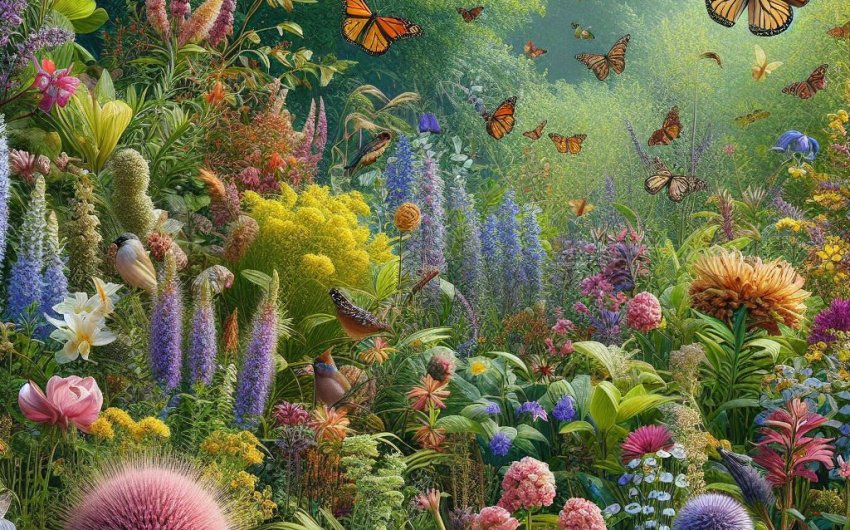
Many homeowners dream of a beautiful garden, filled with vibrant colors and lush greenery. But the reality of maintaining such a space can often feel overwhelming, involving endless watering, fertilizing, and battling pests. What if there was a way to have a stunning landscape that practically takes care of itself? That's where low-maintenance landscaping comes in, and the secret ingredient is often native plants. These remarkable species, naturally adapted to your local climate, offer effortless beauty without demanding constant fuss.
Native plants are true champions of the garden. They thrive in your region's rainfall and soil conditions, meaning less watering, less fertilizing, and greater resilience to local pests and diseases. They also play a vital role in supporting local wildlife, from pollinators to birds. If you're looking to create a beautiful, healthy, and easy-to-care-for outdoor space, embracing native plants is the most impactful step you can take. We'll explore the many benefits of incorporating these ecological gems and highlight some of the best native plants for low-maintenance landscaping, helping you create a thriving garden that works with nature, not against it.
What Are Native Plants and Why Are They Low-Maintenance?
Understanding what makes a plant "native" and how that translates to reduced garden work is the first step in creating a truly low-maintenance landscape.
What Defines a Native Plant?
A native plant is a species that has occurred naturally in a particular region, ecosystem, or habitat without human introduction. These plants have evolved over thousands of years within a specific climate and local soil conditions, forming complex relationships with local wildlife and other plants.
- Not Just "Local": A plant isn't native just because it grows well in your state. True native status means it originated and thrives in your specific ecological region (e.g., Eastern Woodlands, Pacific Northwest, Great Plains, etc.).
- "Straight Species" vs. Cultivars: When choosing native plants, aim for the "straight species" (the original wild form) if possible, as these often have the most ecological benefits. Native cultivars (cultivated varieties of native plants) can also be good, but check if their altered traits (e.g., double flowers, unusual colors) still provide ecological value (e.g., accessible pollen/nectar for pollinators).
Why Are Native Plants Inherently Low-Maintenance?
The deep adaptation of native plants to their local environment makes them inherently easy to care for once established.
- Drought-Tolerant (Once Established): Having evolved with your region's natural rainfall patterns, they typically require little to no supplemental watering after their first year of establishment. They are resilient to local dry spells.
- Adapted to Local Soil: They thrive in your native soil conditions, whether it's clay, sand, or loam. This means less need for extensive soil amendments or specialized fertilizer.
- Resistant to Local Pests and Diseases: Having co-evolved with local insects and pathogens, native plants have developed natural defenses. They are generally less susceptible to severe infestations or diseases, reducing the need for pesticides.
- No Pruning for Shape: They naturally grow into forms that suit their environment, requiring minimal (if any) pruning, usually just for health or to manage size.
- No Fertilizer Needed: They are adapted to the native nutrient levels of your soil. Adding excess fertilizer can sometimes harm them or encourage lush, weak growth more prone to issues.
- Attract Beneficial Wildlife: By attracting beneficial insects (predators of garden pests) and pollinators, they create a natural balance that further reduces pest problems.
By choosing native plants, you're working with nature, not against it, which translates directly into less work for you and a healthier, more vibrant garden.
How Do You Plan a Low-Maintenance Landscape with Native Plants?
Creating a low-maintenance landscape with native plants isn't just about sticking them in the ground. Thoughtful planning is crucial for long-term success and minimal upkeep.
Step 1: Observe Your Site's Conditions
Before buying any plants, understand your garden's unique environment.
- Sunlight: Map out how much direct sunlight different areas of your yard receive throughout the day (Full Sun, Partial Sun/Shade, Full Shade). This is the most critical factor for plant success.
- Soil Type and Drainage:
- Observe: Does water pool after rain? (Poor drainage/clay). Does it drain very quickly? (Sandy soil).
- Test: A Garden Soil Test Kit can confirm your soil type, pH, and existing nutrient levels.
- Existing Features: Note any large trees, structures, slopes, or problem areas (e.g., perpetually wet spots, dry spots).
- Local Climate: Beyond hardiness zone, consider typical rainfall patterns, humidity, and extreme temperatures (e.g., very hot summers, cold winters, spring frosts).
Step 2: Research Native Plants for Your Specific Region
This is where you find the plants that are truly "native" to your area.
- Local Resources:
- Native Plant Societies: Search for "[Your State] Native Plant Society." They often have extensive plant lists, resources, and sales.
- University Extension Offices: Your local university cooperative extension office can provide lists of native plants for your region.
- Local Nurseries (Specialty): Seek out nurseries that specialize in native plants. They will have knowledgeable staff.
- Conservation Districts: Local conservation groups often have resources.
- Match Plants to Your Site: Once you have a list of native plants, match them to the specific conditions you observed in Step 1 (e.g., a full sun, dry, sandy spot needs a different native plant than a shady, moist clay spot).
- Consider Plant Form and Mature Size:
- Form: Think about layers: tall trees/shrubs, medium shrubs/perennials, groundcovers.
- Mature Size: Crucially, always check the plant's mature height and width. This prevents overcrowding, which leads to maintenance issues.
Step 3: Design Your Landscape (Less is More for Low Maintenance)
- Define Zones: Create distinct zones in your landscape based on light, moisture, and use (e.g., a "dry sun" zone, a "shady wet" zone, a "pollinator garden" zone).
- Mass Plantings: Plant groups of 3, 5, or more of the same plant species together. This creates a stronger visual impact and makes maintenance easier than scattering individual plants.
- Layering: Arrange plants by mature height: tallest in the back, medium in the middle, shortest or groundcovers in the front. This creates depth and allows each plant to shine.
- Hardscaping: Incorporate elements like pathways, patios, or boulders (Landscaping with Boulders) to define spaces and add year-round structure.
- Mulch: Plan for generous use of organic mulch around all plantings.
By thoroughly planning and selecting truly adapted native plants, you set the stage for a beautiful, thriving, and genuinely low-maintenance landscape.
What Are Some Excellent Native Shrubs for Low-Maintenance Landscaping?
Native shrubs provide structure, year-round interest, and act as the backbone of a low-maintenance landscape. They offer diverse foliage, flowers, and berries for wildlife.
What are Good Evergreen Native Shrubs?
These provide year-round color and structure.
- Inkberry Holly (Ilex glabra): A dense, rounded evergreen shrub native to eastern North America. It has small, dark green leaves and produces black berries (on female plants, if a male pollinator is nearby). Tolerates wet soils and partial shade. Requires little pruning. A Native Holly Plant can add year-round interest.
- Bayberry (Myrica pensylvanica): A semi-evergreen to deciduous shrub native to eastern North America, known for its fragrant, waxy, gray berries (on female plants) that persist into winter, providing food for birds. Tolerates sandy soils, salt spray, and various light conditions.
- Rhododendrons and Azaleas (Native Varieties): Many native species of Rhododendron and Azalea are evergreen and provide spectacular spring blooms. They thrive in acidic, well-drained soil in partial shade. Research varieties native to your specific region.
What are Good Deciduous Native Shrubs?
These lose their leaves in winter but offer seasonal interest through flowers, berries, or fall color.
- Serviceberry (Amelanchier spp.): A small tree or large shrub that offers a spectacular show of white flowers in early spring, edible berries in early summer (loved by birds), and beautiful fall foliage. Very adaptable and low-maintenance.
- Virginia Sweetspire (Itea virginica): A charming deciduous shrub native to the southeastern U.S. It produces fragrant, drooping white flower spikes in early summer and has brilliant reddish-purple fall foliage that often persists into winter. Tolerates wet conditions and partial shade.
- Buttonbush (Cephalanthus occidentalis): A unique shrub native to wetlands across North America. It has globe-shaped, fragrant white flowers that are a magnet for pollinators, followed by interesting seed heads. Tolerates wet soil and partial sun.
- Ninebark (Physocarpus opulifolius): A very tough shrub native to North America, known for its exfoliating bark (peeling layers) and often colorful foliage (many cultivars like 'Summer Wine' or 'Diablo' have burgundy leaves). Produces white/pink flowers. Very adaptable to various soils and light.
- Viburnums (Native Species): Many native Viburnum species (e.g., Nannyberry, Arrowwood Viburnum) are excellent deciduous shrubs offering attractive foliage, white flowers, and berries for birds. Very hardy and low-maintenance.
What About Shrubs for Specific Conditions?
- Dry Shade: Oakleaf Hydrangea (Hydrangea quercifolia) (deciduous, provides texture, flowers, and fall color).
- Wet Soil: Inkberry Holly, Buttonbush, Virginia Sweetspire.
- Hot/Dry Sun: Some native sumacs (like Dwarf Sumac), Bayberry.
When selecting native shrubs, prioritize those adapted to your specific site conditions (sun/shade, wet/dry soil) and climate, ensuring they will thrive with minimal intervention.
What Are Some Excellent Native Perennials and Grasses for Low-Maintenance Landscaping?
Native perennials and grasses are the workhorses of a low-maintenance landscape. They fill in beds, provide continuous interest, and are invaluable for supporting pollinators and local wildlife.
What are Good Native Perennials for Sunny Areas?
These plants thrive in full sun and are very drought-tolerant once established.
- Coneflower (Echinacea purpurea): A classic! Produces sturdy, daisy-like flowers (often purple, pink, white, yellow) with prominent central cones. Attracts butterflies and bees, and provides seeds for birds. Very drought-tolerant. You can buy Native Coneflower Seeds.
- Black-Eyed Susan (Rudbeckia hirta): Cheerful, bright yellow daisy-like flowers with dark centers. Long-blooming and very tough, tolerating various soil types.
- Coreopsis (Tickseed) (Coreopsis spp.): Many native species offer sunny yellow, orange, or red daisy-like flowers. Very long-blooming and drought-tolerant.
- Blazing Star (Liatris spicata): Tall, slender spikes of purple (or white) flowers that open from the top down, a magnet for monarch butterflies. Adds vertical interest.
- Wild Bergamot (Monarda) (Monarda fistulosa): Unique, shaggy, lavender-pink flowers. A member of the mint family, it's very attractive to bees and hummingbirds. Can spread.
- Gayfeather (Liatris spicata): A resilient perennial that grows tall, slender spikes of purple flowers from top to bottom. It is a favorite of butterflies. You can also find Gayfeather Plant Plugs.
What are Good Native Perennials for Shady or Partial Shade Areas?
These plants bring beauty to dimmer corners with attractive foliage and often delicate blooms.
- Foamflower (Tiarella cordifolia): A beautiful groundcover with attractive, lobed leaves and frothy white flower spikes in spring. Prefers moist, shady conditions.
- Wild Ginger (Asarum canadense): A low-growing groundcover with heart-shaped leaves. Tolerates deep shade and moist soil.
- Ferns (Native Species): Many native ferns (e.g., Christmas Fern, Maidenhair Fern, Ostrich Fern) are perfect for shady, moist areas. They provide lush texture and don't require flowers to be beautiful. A Native Fern Assortment can add variety.
- Columbine (Aquilegia canadensis): Unique red and yellow spurred flowers that attract hummingbirds. Tolerates partial shade and various soil types.
What are Excellent Native Ornamental Grasses?
Native grasses add texture, movement, and provide food and shelter for wildlife, all with minimal care.
- Little Bluestem (Schizachyrium scoparium): A beautiful warm-season grass with blue-green foliage that turns stunning shades of orange, red, and purple in fall. Very drought-tolerant.
- Switchgrass (Panicum virgatum): A tall, upright warm-season grass that provides excellent structure and habitat. Tolerates various soils.
- Prairie Dropseed (Sporobolus heterolepis): A fine-textured, mounding warm-season grass with delicate, airy seedheads. Very drought-tolerant.
- Sideoats Grama (Bouteloua curtipendula): A short, graceful warm-season grass with distinctive seedheads that hang from one side of the stem.
When choosing native perennials and grasses, prioritize those that match your specific light and moisture conditions, ensuring they thrive with minimal intervention.
How Do You Plant and Care for Native Plants in a Low-Maintenance Landscape?
The beauty of native plants is that once established, their care needs are remarkably low. However, proper planting and initial care are crucial for long-term success.
How Do You Prepare the Soil?
- Avoid Over-Amending: The goal with native plants is to adapt them to your native soil, not to recreate a new soil. Resist the urge to amend heavily unless your soil is truly problematic (e.g., pure builder's sand, heavy rubble, severely compacted clay).
- Improve Drainage (if needed): If you have extremely heavy, poorly draining clay, you may need to incorporate some Organic Compost or coarse grit to improve drainage.
- pH Adjustment (Rarely Needed): If your soil pH is vastly different from what your chosen native plants prefer, a soil test will guide you on very gradual adjustments. However, often it's easier to choose native plants adapted to your existing pH.
How Do You Plant Native Plants?
- Timing: The best time to plant is typically in fall or early spring. Fall planting allows roots to establish over winter before spring growth.
- Digging the Hole: Dig a hole that is twice as wide as the plant's root ball, but no deeper.
- Planting Depth: Place the plant so the top of its root ball is level with, or slightly above, the surrounding soil. Avoid planting too deep.
- Water In: Water thoroughly after planting to settle the soil around the roots.
What are the Watering Needs?
- Establishment Period (First Year): This is the most crucial time. Water newly planted native plants regularly (1-3 times per week, depending on heat and rainfall) for their entire first year. The goal is to keep the soil consistently moist until their root systems are well-established.
- Established Plants (After Year 1): Once established, native plants typically require little to no supplemental watering. They are adapted to your region's natural rainfall patterns and are inherently drought-tolerant. You might only need to water during prolonged periods of extreme drought. This is the core of "low maintenance."
Do Native Plants Need Fertilizing?
- Rarely, if Ever: Most native plants are adapted to lean, native soils and do not require fertilizer. Adding excess fertilizer can sometimes cause leggy, weak growth, reduce flowering, or even burn the plant.
- Compost Top-Dressing (Optional): A thin layer of Organic Compost applied around the plants in spring can provide gentle, slow-release nutrients and improve soil health, but it's not a strict requirement.
How to Control Weeds?
- Mulch Heavily: A thick (2-4 inch) layer of organic mulch (like shredded leaves, wood chips, or pine needles) is your best friend. It suppresses weeds, conserves moisture, and gradually enriches the soil. You can use a bag of Organic Shredded Mulch.
- Hand Pulling: Pull any weeds that emerge when they are small. A well-mulched bed drastically reduces weeding time.
What About Pruning?
- Minimal Pruning: Most native plants grow into their natural, pleasing forms. Pruning is usually limited to:
- Removing dead, diseased, or damaged branches.
- Lightly shaping to encourage bushiness (e.g., pinching back some perennials).
- Cutting back spent flower stalks (deadheading) if you don't want seeds or want to encourage a second flush of blooms (e.g., some coneflowers).
- For ornamental grasses, cutting them back in late winter/early spring before new growth appears.
How to Manage Pests and Diseases?
- Natural Resistance: Because they are adapted to local conditions, native plants are generally much more resistant to local pests and diseases than non-native species.
- Encourage Biodiversity: A diverse planting of native plants attracts beneficial insects (predators of garden pests) and supports a balanced ecosystem.
- Avoid Chemicals: By avoiding pesticides, you protect these beneficial insects and allow nature to manage pest populations naturally.
By following these low-input care guidelines, your native plants will truly thrive, creating a stunning and genuinely low-maintenance landscape that is beautiful for you and beneficial for the environment.