
Captivating Carnations: Unveiling the Timeless Beauty of Carnation Flowers
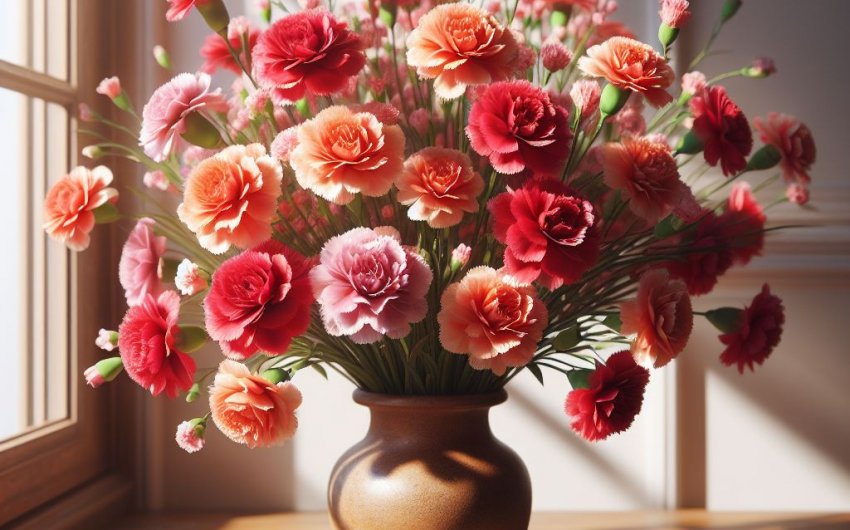
Carnation flowers are celebrated for their timeless beauty, characterized by their ruffled, layered petals, wide spectrum of vibrant colors, and remarkably long vase life. They offer a captivating charm that has made them a beloved choice for bouquets, arrangements, and gardens for centuries, embodying versatility and enduring appeal.
What Makes Carnation Flowers So Special?
Carnation flowers hold a special place in the floral world due to their unique combination of resilience, beauty, and rich history. Their deeply ruffled petals, often described as clove-scented, come in nearly every color imaginable, offering incredible versatility for any occasion. These hardy blooms are known for their exceptional longevity, making them a lasting symbol of affection and distinction.
Where Do Carnation Flowers Come From?
Carnation flowers, scientifically known as Dianthus caryophyllus, are believed to be native to the Mediterranean region, particularly in parts of Southern Europe and Asia Minor. Their history dates back over 2,000 years, with evidence of their cultivation by ancient Greeks and Romans, who used them in garlands and ceremonial purposes. This ancient lineage contributes to their timeless appeal.
What Does the Name "Dianthus" Mean?
The scientific name "Dianthus" comes from the Greek words "dios" (meaning divine or god) and "anthos" (meaning flower). Therefore, "Dianthus" translates to "flower of the gods" or "divine flower," highlighting the reverence and high esteem in which carnations were held even in ancient times.
What Are the Different Types of Carnation Flowers?
Carnation flowers come in several distinct types, each offering unique characteristics in terms of size, bloom structure, and stem habit. Understanding these varieties allows you to choose the perfect carnations for your specific needs, from large single blooms to delicate sprays.
Key Types of Carnations:
- Standard Carnations (or "Tree Carnations"): These are the most common type, featuring large, single flowers on sturdy, long stems. They are the classic choice for bouquets and stand-alone arrangements due to their impressive size and presence.
- Spray Carnations (or "Mini Carnations"): As their name suggests, spray carnations produce multiple smaller blooms on each stem. They are excellent for adding texture, volume, and a delicate touch to arrangements, often used as filler flowers.
- Dwarf Carnations: These are smaller, compact varieties typically grown in gardens or pots. They produce numerous small flowers but are not usually grown for cut flowers.
- Perennial Carnations: While many carnations are grown as annuals, some varieties, like certain Pinks (Dianthus plumarius), are perennial and return year after year, offering smaller, often fragrant blooms.
What Do Different Carnation Colors Symbolize?
The meaning of carnation flowers is deeply tied to their color, allowing them to convey a vast array of emotions and sentiments. Understanding this color symbolism is key to choosing the perfect carnations for any message you wish to send.
Carnation Color Meanings:
- Red Carnations:
- Light Red: Admiration, pure love.
- Dark Red: Deep love, affection, passion.
- Pink Carnations: The most traditional color, symbolizing mother's undying love (making them popular for Mother's Day), gratitude, tenderness, and maternal affection.
- White Carnations: Purity, innocence, good luck, pure love, remembrance.
- Yellow Carnations: Disappointment, rejection, disdain. While vibrant, they often carry negative connotations.
- Purple Carnations: Capriciousness, unpredictability, sometimes also a symbol of elegance.
- Green Carnations: Often associated with St. Patrick's Day, symbolizing good luck and renewal.
- Striped/Variegated Carnations: Rejection, refusal to share feelings. Historically, a symbol of regret that a love cannot be shared.
How Do You Grow Carnation Flowers in Your Garden?
Growing carnation flowers in your garden can be a rewarding experience, providing you with an abundance of beautiful and fragrant blooms. They are relatively easy to grow, preferring sunny locations and well-draining soil.
Step-by-Step Guide to Growing Carnations:
- Choose the Right Location: Select a spot in your garden that receives at least 6 hours of direct sunlight per day.
- Prepare the Soil: Carnations prefer well-draining, slightly alkaline to neutral soil (pH 6.5-8.0). Amend heavy clay soils with compost or sand to improve drainage.
- Planting:
- From Seeds: Sow seeds indoors 6-8 weeks before the last frost date, or direct sow outdoors after all danger of frost has passed. Lightly cover the seeds.
- From Seedlings/Plants: Dig a hole twice as wide as the root ball and just as deep. Place the plant in the hole, ensuring the top of the root ball is level with the soil surface. Backfill and water thoroughly.
- Spacing: Space plants 12-18 inches apart to allow for good air circulation.
- Watering: Water regularly, especially during dry spells, keeping the soil consistently moist but not waterlogged.
- Fertilizing: Feed with a balanced liquid fertilizer every 2-4 weeks during the growing season, or incorporate a slow-release granular fertilizer at planting. You can find excellent all-purpose plant food options online.
- Support (for taller varieties): Taller standard carnations may benefit from staking to prevent their heavy blooms from flopping over.
- Pinching: For bushier plants and more blooms, pinch back young plants when they are 6-8 inches tall by removing the central growing tip.
What Are the Watering Needs of Carnation Plants?
Carnation plants have specific watering needs to thrive, primarily requiring consistent moisture without becoming waterlogged. Overwatering is a common mistake that can lead to root rot, so proper drainage and mindful watering are crucial for healthy growth and abundant blooms.
How Often Should You Water Carnations?
- Newly Planted: Water daily until established, usually for the first week or two.
- Established Plants: Water 2-3 times per week during dry weather, ensuring the top 1-2 inches of soil are dry before re-watering. Reduce watering in cooler, wetter conditions.
- Container Plants: Container-grown carnations will dry out faster and may need daily watering, especially in hot weather.
- Check Soil: Always check the soil moisture before watering. A soil moisture meter can provide accurate readings.
How Do You Care for Carnations to Ensure Healthy Growth?
Caring for carnations involves a few key practices that promote vigorous growth and a continuous display of their captivating flowers. These include proper feeding, regular deadheading, and protection from common pests and diseases.
Essential Carnation Care Tips:
- Deadhead Regularly: Remove spent flowers by pinching or cutting the stem just above a set of healthy leaves or a side shoot. This encourages the plant to produce more blooms instead of putting energy into seed production.
- Pruning: For bushier plants, you can lightly prune back leggy stems.
- Winter Protection (for perennials): In colder zones, cover perennial carnations with a layer of mulch (straw, pine needles, or shredded leaves) to protect them from harsh winter conditions.
- Pest and Disease Monitoring: Keep an eye out for common pests like aphids and spider mites, and diseases like rust or powdery mildew.
What Are Common Pests and Diseases of Carnations?
While carnation flowers are generally hardy, they can still fall victim to certain pests and diseases. Being aware of these common issues and knowing how to address them is essential for maintaining healthy, beautiful plants and preventing widespread problems.
Common Carnation Pests:
- Aphids: Small, soft-bodied insects that cluster on new growth and undersides of leaves, sucking sap and causing distorted growth. Use insecticidal soap or a strong spray of water.
- Spider Mites: Tiny arachnids that cause stippling on leaves and fine webbing. They thrive in hot, dry conditions. Increase humidity and use insecticidal soap or neem oil.
- Thrips: Tiny, slender insects that feed on petals, causing discoloration and distortion.
- Leaf Miners: Larvae that tunnel within leaves, creating distinctive winding trails. Remove and destroy affected leaves.
Common Carnation Diseases:
- Rust: Appears as reddish-brown, powdery pustules on leaves and stems. Remove infected foliage and ensure good air circulation.
- Powdery Mildew: A white, powdery coating on leaves, especially in humid conditions. Improve air circulation and use a fungicide if severe.
- Botrytis Blight (Gray Mold): A fuzzy gray mold that affects flowers and foliage, particularly in damp conditions. Remove affected parts and reduce humidity.
- Root Rot: Caused by overwatering and poor drainage. Ensure well-draining soil and avoid overwatering.
When Is the Best Time to Harvest Carnation Flowers?
The best time to harvest carnation flowers for bouquets and arrangements is when their blooms are partially open, usually about one-third to one-half open. Harvesting at this stage ensures the longest vase life, as the flowers will continue to open and mature once cut.
How Do You Harvest Carnations for Cut Flowers?
- Choose the Right Time of Day: Harvest carnations in the early morning after the dew has dried, or in the late afternoon. This is when the stems are most hydrated.
- Use Sharp Tools: Use clean, sharp pruning shears or a sharp knife to make a clean cut.
- Cut the Stem: Cut the stem at an angle, just above a node (where a leaf or side shoot emerges). This encourages new growth on the plant.
- Remove Lower Leaves: Strip any leaves that would fall below the waterline in your vase.
- Place Immediately in Water: Plunge the cut stems immediately into a bucket of fresh, cool water to prevent air bubbles from forming in the stems.
How Do You Care for Cut Carnation Flowers?
Caring for cut carnation flowers is surprisingly easy and helps maximize their impressive vase life, allowing you to enjoy their captivating beauty for weeks. With a few simple steps, your carnations will stay fresh and vibrant.
Tips for Long-Lasting Cut Carnations:
- Re-cut Stems: Upon receiving or after harvesting, re-cut about 1 inch off the bottom of each stem at a 45-degree angle under running water. This helps them absorb water more efficiently.
- Remove Foliage: Ensure no leaves are submerged in the vase water, as they will rot and contaminate the water, shortening the flowers' life.
- Use Flower Food: Always use a fresh flower food packet mixed with clean, cool water. Flower food provides nutrients and inhibits bacterial growth.
- Change Water Daily: Replace the water and flower food solution every 1-2 days. You can also re-cut the stems slightly each time you change the water.
- Keep Cool: Place your carnations in a cool location, away from direct sunlight, drafts, heat sources (like radiators), and ripening fruit, which releases ethylene gas that causes flowers to age faster.
- Mist Occasionally: A light misting with a fine mist sprayer can help keep petals hydrated, especially in dry environments.
How Can You Use Carnation Flowers in Floral Arrangements?
Carnation flowers are incredibly versatile and can be used in a myriad of ways in floral arrangements, from elegant standalone bouquets to vibrant mixed designs. Their varied colors, forms, and exceptional longevity make them a florist's favorite for adding both substance and captivating beauty.
Creative Ways to Use Carnations:
- Classic Bouquets: Their full, ruffled blooms make them perfect for traditional, monochromatic, or mixed color bouquets.
- Filler Flowers: Spray carnations, with their multiple smaller blooms, are excellent for filling gaps and adding texture and volume to larger arrangements.
- Boutonnieres and Corsages: Their durability and firm stems make them ideal for wearable floral pieces.
- Centerpieces: Whether in a compact cluster or a more sprawling design, carnations create eye-catching centerpieces.
- Garlands and Wreaths: Their robust nature allows them to be wired into garlands and wreaths for extended display.
- Vibrant Color Blocks: Use a mass of single-color carnations for a striking, modern look.
- Complementary Blooms: They pair beautifully with a wide range of other flowers, including roses, lilies, chrysanthemums, and delphinium.
What Is the History and Cultural Significance of Carnations?
The history and cultural significance of carnation flowers are rich and deeply embedded across various cultures and eras. From ancient adornments to modern symbols of love and remembrance, their journey through time solidifies their place as a truly timeless and captivating bloom.
Notable Historical and Cultural Roles:
- Ancient Civilizations: As "the flower of the gods," carnations were used in ancient Greek and Roman times for wreaths, garlands, and ceremonial decorations.
- Renaissance Art: They often appeared in Renaissance paintings, particularly symbolizing engagement, marriage, and pure love.
- Victorian Era: During the Victorian era's "language of flowers" (floriography), carnations were heavily used to convey specific messages, with each color holding a precise meaning.
- Mother's Day: The pink carnation became the official flower of Mother's Day, chosen by Anna Jarvis, who founded the holiday in honor of her mother.
- National Flowers: Carnations are the national flower of Spain and the provincial flower of the autonomous community of Andalusia in Spain, as well as the state flower of Ohio in the United States.
- Political Symbolism: Red carnations famously symbolize socialism and the labor movement in various European countries.
Can Carnations Be Grown in Containers?
Yes, carnations are an excellent choice for container gardening, especially dwarf and spray varieties. Growing them in pots allows you to enjoy their beautiful blooms on patios, balconies, or small spaces, and offers flexibility in moving them to ideal conditions.
Tips for Container-Grown Carnations:
- Choose the Right Pot: Select a pot at least 8-10 inches in diameter with good drainage holes. Unglazed terracotta pots can help prevent overwatering by allowing excess moisture to evaporate.
- Use Quality Potting Mix: Fill the container with a well-draining, high-quality potting mix that is slightly alkaline.
- Water Frequently: Container plants generally dry out faster than garden plants. Check soil moisture daily and water when the top inch feels dry.
- Fertilize Regularly: Container plants require more frequent feeding as nutrients leach out with watering. Use a liquid fertilizer every 2-3 weeks or a slow-release granular fertilizer at the start of the season.
- Sunlight: Ensure containers receive at least 6 hours of direct sunlight.
- Deadhead: Continue to deadhead spent blooms to encourage continuous flowering.
Are Carnation Flowers Fragrant?
Yes, many varieties of carnation flowers possess a distinctive, often spicy-sweet fragrance that is frequently compared to cloves or cinnamon. While modern breeding has sometimes prioritized bloom size and color over scent, traditional and heirloom carnations are particularly known for their captivating aroma, adding another layer to their timeless beauty. The intensity of the fragrance can vary significantly between cultivars.
What Are Carnation Flowers Used For Today?
Today, carnation flowers continue to be one of the most popular and widely used blooms globally, cherished for their versatility, affordability, and enduring beauty. They are an everyday staple and a celebratory favorite, captivating hearts in many settings.
Modern Uses of Carnation Flowers:
- Everyday Bouquets: A go-to choice for fresh cut flowers in homes due to their vase life and range of colors.
- Floral Arrangements: Essential for professional florists in creating a wide variety of designs, from compact centerpieces to large event arrangements.
- Weddings: Increasingly popular for their romantic look, durability, and cost-effectiveness, used in bridal bouquets, boutonnieres, and decor.
- Special Occasions: Perfect for birthdays, anniversaries, graduations, and holidays like Mother's Day and St. Patrick's Day.
- Sympathy and Funerals: White and red carnations are often chosen for wreaths, sprays, and tributes due to their symbolism of remembrance and love.
- Garden Beds and Borders: Dwarf and perennial carnations are beautiful additions to garden beds, rockeries, and container plantings.
How Do Carnations Compare to Roses in Popularity?
While roses are often considered the undisputed king of flowers for their classic romantic symbolism, carnations hold a strong and enduring position in popularity, frequently offering a more budget-friendly yet equally captivating alternative. They are valued for different attributes, complementing rather than fully competing with roses.
Carnations vs. Roses: Key Comparisons:
| Feature | Carnations | Roses |
|---|---|---|
| Vase Life | Excellent (often 2-3 weeks) | Good (typically 1 week, sometimes more) |
| Cost | Generally more affordable | Typically more expensive |
| Fragrance | Often spicy/clove-like (varies by cultivar) | Classic sweet/floral (varies widely) |
| Petal Texture | Ruffled, layered, often with fringed edges | Smooth, velvety, tightly spiraled |
| Symbolism | Love, admiration, distinction, mother's love | Love, passion, beauty, desire, romance |
| Availability | Excellent year-round | Excellent year-round |
| Maintenance | Relatively low maintenance as cut flowers | Moderate maintenance as cut flowers |
| Appearance | Full, somewhat less formal (depending on type) | Elegant, classic, often seen as more formal |
The captivating beauty of carnation flowers, with their diverse colors, rich symbolism, and impressive longevity, truly unveils a timeless charm. Whether gracing a garden, adorning a special occasion, or simply brightening a home, these resilient and enchanting blooms continue to captivate and offer a meaningful touch to any space.