
How to Use Leaf Mulch to Improve Soil?
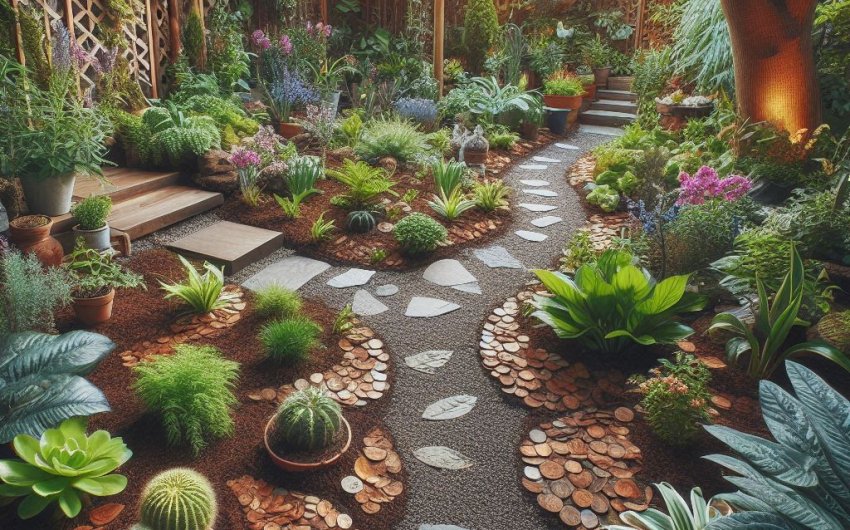
To use leaf mulch to improve soil, you can directly spread shredded leaves over garden beds, incorporate them into vegetable gardens as a soil amendment, or compost them to create nutrient-rich material. This simple, free method enriches your garden's foundation, boosting plant health and vitality.
What is Leaf Mulch?
Leaf mulch refers to partially decomposed or shredded leaves used as a protective layer over the soil, or incorporated directly into it, to provide numerous benefits. It's essentially a free, natural, and highly effective way to improve garden health.
Why Use Leaf Mulch to Improve Soil?
Using leaf mulch to improve soil is one of the most beneficial and sustainable practices for any gardener. It offers a multitude of advantages that enhance the overall health and productivity of your garden.
- Enriches Soil Structure: As leaves break down, they add organic matter to the soil. This helps sandy soils hold more moisture and nutrients, and it loosens heavy clay soils, improving drainage and aeration.
- Feeds Soil Life: Leaf mulch provides a feast for beneficial soil microorganisms, earthworms, and other essential soil fauna. These organisms break down the leaves, converting them into a stable form of organic matter (humus) and making nutrients available to plants.
- Suppresses Weeds: A thick layer of leaf mulch blocks sunlight, preventing weed seeds from sprouting and making it harder for established weeds to grow. This reduces the need for manual weeding or chemical herbicides.
- Retains Soil Moisture: The mulch layer acts as an insulator, reducing water evaporation from the soil surface. This means you'll need to water your plants less frequently, saving water and effort.
- Regulates Soil Temperature: Leaf mulch insulates the soil, keeping it cooler in summer and warmer in winter. This protects plant roots from extreme temperature fluctuations.
- Returns Nutrients to the Soil: As leaves decompose, they release valuable nutrients (like nitrogen, phosphorus, potassium, and micronutrients) back into the soil, slowly and steadily feeding your plants. This reduces the need for synthetic fertilizers.
- Prevents Soil Erosion: A layer of mulch protects the soil from the impact of heavy rain and wind, preventing topsoil erosion.
- Reduces Compaction: The mulch layer absorbs the impact of rain, preventing the soil from becoming compacted over time.
- Sustainable and Free: Leaves are a readily available and often free resource, turning what many consider waste into a valuable garden asset. This reduces landfill waste and your gardening expenses.
How Do You Collect and Prepare Leaves for Mulch?
Proper collection and preparation are essential to effectively use leaf mulch to improve soil.
1. Gathering Leaves
- Source: Your own yard is the best source! Ask neighbors if you can collect theirs. Check local municipalities for leaf collection programs that might offer free leaves.
- Timing: Fall is the prime time, but leaves can be collected throughout the year as they drop.
2. Shredding Leaves (Highly Recommended)
Shredding leaves is not strictly necessary for all applications, but it offers significant benefits.
- Benefits of Shredding:
- Faster Decomposition: Smaller pieces break down much quicker.
- Easier Application: Shredded leaves are less likely to blow away and spread more evenly.
- Prevents Matting: Whole leaves, especially those from maples, can form a thick, impenetrable mat when wet, which can suffocate plants and prevent water penetration. Shredding prevents this.
- Aesthetics: Shredded leaves look neater in the garden.
- Methods for Shredding Leaves:
- Lawn Mower: The easiest method for most homeowners. Simply run your lawn mower over piles of dry leaves. A Leaf Mulcher/Shredder can also be used.
- Tip: Mow them on a tarp for easy collection, or use a mower with a bagging attachment.
- Leaf Shredder/Vacuum: Dedicated leaf shredders or mulching vacuums are highly efficient for large quantities. They often bag the shredded leaves directly. Look for a Leaf Blower Vacuum Mulcher.
- Chipper/Shredder: For larger branches mixed with leaves, a chipper/shredder can handle tougher material.
- Lawn Mower: The easiest method for most homeowners. Simply run your lawn mower over piles of dry leaves. A Leaf Mulcher/Shredder can also be used.
3. Storing Prepared Leaf Mulch
- Piles: If you have a large quantity, simply pile shredded leaves in an out-of-the-way spot in your yard. Over time, the bottom of the pile will start to break down into "leaf mold."
- Bins/Bags: Store shredded leaves in compost bins, old garbage cans (with holes drilled for aeration), or breathable leaf bags. Avoid plastic bags if the leaves are wet, as they can become slimy and anaerobic.
What Are the Different Ways to Use Leaf Mulch in Your Garden?
There are several effective ways to use leaf mulch to improve soil, each suited for different parts of your garden.
Method 1: Top Dressing (Mulching) Garden Beds and Around Plants
This is the most common and easiest way to use leaf mulch.
- Prepare the Area: Ensure the garden bed is weeded and watered if needed.
- Spread the Mulch: Apply a 2-4 inch layer of shredded leaves around plants, flowers, shrubs, and trees.
- Keep Away from Stems/Trunks: Leave a small gap (1-2 inches) around the base of plant stems and tree trunks to prevent moisture buildup and rot.
- Reapply Annually: Replenish the layer as it breaks down, typically once a year in fall or spring.
- Benefits: Suppresses weeds, retains moisture, moderates soil temperature, and adds nutrients as it slowly decomposes.
Method 2: Incorporating into Vegetable Gardens and New Beds
For active growing areas like vegetable gardens, you can mix leaves directly into the soil.
- Spread Leaves: Spread a 4-6 inch layer of shredded leaves over the garden bed in the fall.
- Till/Dig In: Use a garden fork, tiller, or shovel to lightly mix the leaves into the top 6-12 inches of soil.
- Allow to Decompose: Leave the soil undisturbed over winter. The leaves will break down, enriching the soil for spring planting.
- No-Dig Option: For no-dig gardens, simply layer the shredded leaves on top of the soil, perhaps under a layer of compost, and let them break down naturally.
- Benefits: Rapidly increases organic matter, improves soil structure, provides nutrients directly to the root zone.
Method 3: Making Leaf Mold
Leaf mold is a valuable soil amendment, different from compost, formed solely from the decomposition of leaves.
- Collect Leaves: Gather dry or slightly damp leaves, preferably shredded.
- Create a Pile or Bin: Build a simple wire bin or create a dedicated pile in an out-of-the-way spot.
- Moisten: Ensure the leaves are moist throughout the pile. If they are too dry, decomposition will slow.
- Turn (Optional): Turn the pile occasionally to introduce air and speed up decomposition, though leaf mold will form even without turning.
- Patience: Leaf mold can take 6 months to 2 years to fully break down into a dark, crumbly, earthy-smelling material.
- Use It: Incorporate finished leaf mold into potting mixes, use as a seed-starting medium, or mix into garden beds for superior soil improvement.
- Benefits: Excellent for improving soil structure, water retention, and as a habitat for beneficial soil microbes.
Method 4: Composting with Leaves
Leaves are a fantastic "brown" (carbon-rich) ingredient for your compost pile.
- Layering: Alternate layers of shredded leaves (browns) with green materials (grass clippings, food scraps). A good ratio is typically 2 parts brown to 1 part green.
- Moisture: Keep the compost pile consistently moist, like a wrung-out sponge.
- Turning: Turn the pile regularly to aerate it and speed up decomposition.
- Use It: Once the compost is dark and crumbly, use it as a soil amendment, top dressing, or for potting mixes. A Compost Bin can make this process tidy.
- Benefits: Adds balanced nutrients, improves soil structure, diverts waste from landfills.
Method 5: Using Leaf Mulch on Your Lawn
Yes, you can even use leaves to benefit your lawn!
- Mow Over Leaves: Instead of raking, simply mow over the leaves on your lawn multiple times. This shreds them into small pieces.
- Leave Them in Place: The shredded leaves will fall between the grass blades and decompose, returning nutrients and organic matter to your turf.
- Don't Smother: Ensure the layer of shredded leaves is thin enough not to smother the grass (you should still be able to see most of the grass blades). This works best if you have a moderate amount of leaves.
- Benefits: Provides natural fertilizer for the lawn, improves turf health, and avoids bagging leaves.
What Are the Best Leaves for Mulch?
Most leaves are suitable for leaf mulch, but some perform better or require more care.
- Excellent Choices: Maple, Oak, Birch, Ash, Elm, Poplar, Fruit Trees. These leaves break down relatively quickly and are generally pH neutral.
- Good Choices (with Shredding): Larger leaves like Sycamore and large Oak leaves benefit significantly from shredding to prevent matting.
- Leaves to Use Sparingly or Avoid (Unless Composted Fully):
- Walnut Leaves: Contain juglone, a natural herbicide that can inhibit the growth of some plants. Best composted thoroughly before use.
- Eucalyptus Leaves: Contain oils that can be allelopathic (inhibit other plant growth) in large quantities.
- Evergreen Needles: Pine needles are very acidic and break down slowly. Use them as mulch for acid-loving plants (rhododendrons, azaleas, blueberries) but avoid in areas where you need neutral pH.
- Diseased Leaves: Do not use leaves from trees with known fungal diseases (e.g., black spot on roses, powdery mildew). Composting at high temperatures might kill pathogens, but it's safer to avoid.
What Are Common Misconceptions About Leaf Mulch?
Despite its benefits, some myths persist about using leaf mulch to improve soil.
- "Leaves Make Soil Acidic": While some leaves (like oak) are slightly acidic when fresh, their impact on overall soil pH is minimal once decomposed, especially when mixed with other organic materials. Leaf mold, specifically, is generally pH neutral.
- "Whole Leaves are Fine": While whole leaves can be used, especially in undisturbed areas, they can mat down, especially maple leaves. This can block water and air from reaching the soil. Shredding prevents this.
- "Leaves Harbor Pests and Diseases": Healthy leaves typically don't introduce new pests or diseases into your garden. Decomposing leaves attract beneficial organisms. The only exception is if the leaves themselves are heavily infected with a specific disease, in which case it's best to avoid using them or hot compost them.
- "Leaves Steal Nitrogen from the Soil": While very fresh, high-carbon materials (like wood chips) can temporarily tie up nitrogen during decomposition, shredded leaves have a relatively balanced carbon-to-nitrogen ratio. When used as a surface mulch, this effect is negligible. When tilled into soil, it can cause a temporary nitrogen deficit, which is why it's often recommended to do this in fall so the leaves can break down before spring planting.
The Long-Term Benefits of Using Leaf Mulch
Consistently employing leaf mulch to improve soil is one of the most fundamental steps towards building a thriving, resilient garden ecosystem. It's an ongoing investment that pays dividends in richer soil, healthier plants, less watering, fewer weeds, and a more sustainable gardening practice. By recognizing the immense value in fallen leaves and utilizing them wisely, you transform garden waste into garden gold.