
Best Cover Crops for Soil Health in Winter
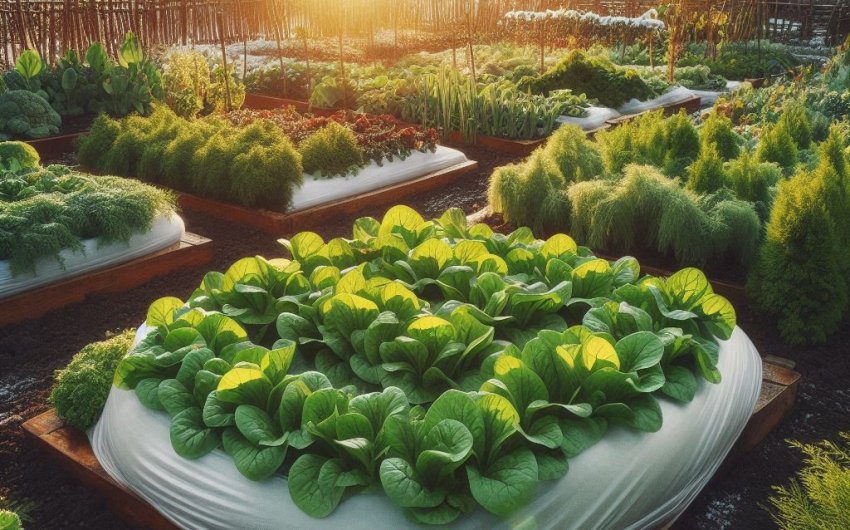
The best cover crops for soil health in winter are typically cold-hardy annuals or biennials that protect the soil from erosion, suppress weeds, and add organic matter. Options like crimson clover, hairy vetch, rye, and oats are excellent choices for their ability to establish quickly and withstand winter conditions.
What Are Cover Crops and Why Use Them in Winter?
Cover crops are plants grown primarily for the benefit of the soil rather than for harvest. They are often planted in between main cash crops or during fallow periods to improve soil health and fertility. Think of them as living mulches or a "green manure" that actively works to enhance your garden's foundation.
Using cover crops in winter is a strategic and highly beneficial practice for several reasons:
- Erosion Control: Winter winds and rain can strip bare soil of its valuable topsoil, leading to nutrient loss and soil degradation. A dense stand of winter cover crops acts as a living blanket, holding the soil in place and protecting it from the erosive forces of nature.
- Weed Suppression: Bare soil in winter is an open invitation for opportunistic weeds to germinate and establish themselves. Winter cover crops outcompete these weeds for light, water, and nutrients, effectively suppressing their growth and reducing your weeding efforts come spring.
- Nutrient Retention and Cycling: As garden beds sit empty over winter, essential nutrients can leach out of the soil with rain and snowmelt, moving deeper into the soil profile beyond the reach of plant roots. Cover crops act as "scavengers," capturing these mobile nutrients and storing them in their plant tissues. When the cover crop is later incorporated into the soil, these nutrients are released back, making them available to your spring plantings. Leguminous cover crops (like clovers and vetch) even "fix" atmospheric nitrogen, adding this crucial nutrient directly to your soil.
- Adding Organic Matter: When winter cover crops are terminated and tilled into the soil or left to decompose on the surface, they contribute a significant amount of organic matter. Organic matter is the backbone of healthy soil, improving its structure, water retention, drainage, and overall fertility. It also feeds beneficial soil microbes.
- Compaction Alleviation: Many cover crops, especially those with deep taproots (like daikon radish), can penetrate compacted soil layers, creating natural channels for air and water. This "bio-drilling" helps to break up compacted soil over time, improving drainage and root penetration for subsequent crops.
- Supporting Soil Biology: A living root system in the soil year-round provides a continuous food source for beneficial soil microorganisms. These microbes are essential for nutrient cycling, disease suppression, and overall soil health. Cover crops keep the soil ecosystem vibrant and active, even in colder months.
- Pest and Disease Management: Some cover crops can deter certain pests or disrupt pest life cycles. They can also enhance the population of beneficial insects and microbes that help control garden pests and diseases.
In essence, planting cover crops in winter is about safeguarding and enriching your soil during its most vulnerable period, preparing it for a bountiful growing season ahead. It's a fundamental practice in regenerative gardening and sustainable agriculture.
What Are the Best Legume Cover Crops for Winter Soil Health?
Legume cover crops are powerhouses for soil health, especially in winter, primarily because of their remarkable ability to "fix" atmospheric nitrogen. This process, carried out by specialized bacteria in nodules on their roots, converts atmospheric nitrogen into a usable form for plants, effectively fertilizing your soil naturally. Beyond nitrogen fixation, they also contribute organic matter and improve soil structure.
Here are some of the best legume cover crops for winter soil health:
1. Crimson Clover (Trifolium incarnatum)
- Characteristics: An annual legume known for its vibrant red, conical flowers in spring (if left to bloom). It establishes quickly and produces a good amount of biomass.
- Cold Hardiness: Moderately cold-hardy, generally surviving down to 10°F (-12°C). It's best in USDA Zones 6 and warmer for reliable winter survival, but can be planted in colder zones as a winter-kill cover crop (meaning it will die back in severe cold but still provide benefits until it freezes).
- Benefits:
- Excellent Nitrogen Fixer: Adds significant amounts of nitrogen to the soil (50-100+ lbs/acre).
- Weed Suppression: Forms a dense mat that effectively smothers winter annual weeds.
- Organic Matter: Contributes good biomass when incorporated.
- Beneficial Insects: Its spring flowers attract pollinators and beneficial insects if allowed to bloom.
- Planting: Sow 6-8 weeks before your first hard frost.
- Termination: Can be tilled under in spring or allowed to flower before termination for maximum nitrogen.
2. Hairy Vetch (Vicia villosa)
- Characteristics: A vining, sprawling annual legume with fuzzy leaves and purple flowers. It's incredibly robust and adaptable.
- Cold Hardiness: Very cold-hardy, often surviving temperatures down to -10°F to -15°F (-23°C to -26°C), making it suitable for colder climates (USDA Zones 4 and up).
- Benefits:
- Superior Nitrogen Fixer: One of the most prolific nitrogen fixers, often contributing 100-200+ lbs/acre of nitrogen.
- Extensive Root System: Develops a deep, fibrous root system that improves soil structure and reduces compaction.
- Excellent Weed Suppressor: Its dense, vining growth smothers weeds effectively.
- Biomass: Produces substantial organic matter.
- Planting: Sow 4-6 weeks before your first hard frost.
- Termination: Can be difficult to terminate manually due to its vining habit; often requires repeated mowing or tillage. It will winter-kill in extremely cold regions.
3. Fava Bean (Vicia faba) - Broad Bean
- Characteristics: A large-seeded annual legume that grows upright.
- Cold Hardiness: Moderately cold-hardy, tolerating temperatures down to 15-20°F (-9°C to -7°C) for winter survival in milder climates (USDA Zones 7 and warmer). In colder regions, it will winter-kill.
- Benefits:
- Good Nitrogen Fixer: Fixes a decent amount of nitrogen.
- Deep Taproot: Helps break up compacted soil.
- Large Biomass: Produces a good amount of organic matter quickly.
- Edible: Can also be harvested for its beans if desired, though for cover crop purposes, it's typically grown for soil benefits.
- Planting: Sow in early fall, about 6-8 weeks before the first hard frost.
- Termination: Fairly easy to chop and drop or till under in spring.
4. Field Peas / Austrian Winter Peas (Pisum sativum)
- Characteristics: A vining annual legume, similar in appearance to garden peas but grown for forage or cover cropping.
- Cold Hardiness: Moderately cold-hardy, usually surviving down to 10°F (-12°C), making them suitable for zones 6 and warmer for winter survival. In colder regions, they perform as a winter-kill cover crop.
- Benefits:
- Good Nitrogen Fixer: Effective at adding nitrogen to the soil.
- Quick Growth: Establishes quickly in the fall.
- Organic Matter: Adds good biomass to the soil.
- Easily Managed: Not as vining as hairy vetch, making it easier to manage and incorporate.
- Planting: Sow 6-8 weeks before your first hard frost.
- Termination: Easy to chop and drop or till under in spring.
Important Considerations for Legume Cover Crops
- Inoculation: For optimal nitrogen fixation, it's often recommended to inoculate legume seeds with the appropriate Rhizobium bacteria specific to that legume family. Look for legume inoculants when purchasing seeds.
- Termination Timing: To maximize nitrogen contribution, terminate legumes just before or at flowering. For maximum organic matter, you can let them grow a bit longer.
- Seeding Rate: Follow recommended seeding rates for your chosen variety to ensure a dense stand that effectively suppresses weeds.
By choosing one or a mix of these legume cover crops, you can significantly enhance your soil health over the winter months, preparing your garden for a thriving spring planting.
What Are the Best Grass Cover Crops for Winter Soil Health?
Grass cover crops, also known as cereal cover crops, are indispensable for winter soil health, primarily due to their extensive, fibrous root systems and impressive ability to produce abundant biomass. While they don't fix nitrogen like legumes, they excel at preventing erosion, scavenging nutrients, building organic matter, and suppressing weeds.
Here are some of the best grass cover crops for winter soil health:
1. Cereal Rye (Secale cereale) / Winter Rye
- Characteristics: A vigorous, upright-growing grass that can reach impressive heights (several feet) by spring.
- Cold Hardiness: Extremely cold-hardy, the most winter-hardy of all cereal grains. It can survive very cold temperatures, making it suitable for even the coldest regions (USDA Zones 3 and up).
- Benefits:
- Excellent Erosion Control: Its dense root system is superb at holding soil in place.
- Nutrient Scavenger: Very efficient at scavenging leftover nitrogen and other nutrients from the soil profile, preventing them from leaching away over winter.
- Massive Biomass: Produces a significant amount of organic matter, which enhances soil structure and feeds microbes.
- Weed Suppression: Its dense growth effectively smothers winter and early spring weeds.
- Compaction Alleviation: Its deep, fibrous roots penetrate and help break up compacted soil.
- Planting: Sow from early fall up to a month or two before the ground freezes solid. It can even be "dormant seeded" just before snow for very early spring germination.
- Termination: Can be challenging to terminate due to its vigorous growth. Requires mowing or tillage before it sets seed. Best to terminate before it gets too tall and stemmy.
2. Oats (Avena sativa)
- Characteristics: An upright, fast-growing grass.
- Cold Hardiness: Less cold-hardy than cereal rye. It is typically a winter-kill cover crop in regions with consistent freezing temperatures (USDA Zones 7 and colder). In milder climates, it can survive winter.
- Benefits:
- Quick Establishment: Germinates and establishes very rapidly in the fall.
- Good Biomass: Produces a fair amount of organic matter.
- Weed Suppression: Provides good weed suppression in the fall before winter-kill.
- Easy Termination: If it winter-kills, it leaves a nice mulch layer that is easy to manage in spring, often just needing to be raked aside or lightly tilled.
- No Allelopathy: Unlike rye, oats do not produce allelopathic chemicals that might inhibit the growth of subsequent crops.
- Planting: Sow in early to mid-fall, allowing enough time for significant growth before hard frosts.
- Termination: If it survives winter, mow or till in spring. If it winter-kills, simply incorporate the residue.
3. Wheat (Triticum aestivum) / Winter Wheat
- Characteristics: A widely grown cereal grain with good upright growth.
- Cold Hardiness: Very cold-hardy, similar to rye, but typically less vigorous in biomass production than rye. Suitable for USDA Zones 3 and up.
- Benefits:
- Good Erosion Control: Effective at protecting soil over winter.
- Nutrient Scavenger: Competently scavenges excess nutrients.
- Biomass: Contributes a good amount of organic matter.
- Weed Suppression: Provides effective weed control.
- Planting: Sow in early to mid-fall.
- Termination: Requires mowing or tillage in spring before it produces seed.
Important Considerations for Grass Cover Crops
- Carbon-to-Nitrogen (C:N) Ratio: Grasses, especially when mature, have a higher C:N ratio than legumes. This means they can temporarily tie up nitrogen in the soil as they decompose (nitrogen immobilization). To counteract this, it's often recommended to:
- Terminate early: Incorporate them into the soil before they become too stemmy, or while they are still green and succulent.
- Combine with legumes: Planting a mix of grasses and legumes is an excellent strategy to balance the C:N ratio and provide both nitrogen fixation and extensive biomass.
- Add nitrogen: If incorporating very mature grass cover crops, a small nitrogen boost (e.g., from compost or a balanced organic fertilizer) can help speed up decomposition and prevent temporary nitrogen deficiency for your spring crops.
- Termination Method: Grass cover crops need to be terminated before they go to seed to prevent them from becoming weeds themselves. Mowing, tillage, or roller-crimping (for large scale) are common methods.
- Seeding Rate: Follow recommended seeding rates for a dense, effective stand.
By integrating these grass cover crops into your winter gardening routine, you can significantly enhance your soil health, preventing erosion, retaining nutrients, and preparing your garden beds for productive spring planting.
How Do I Choose the Right Winter Cover Crop for My Garden?
Choosing the right winter cover crop for your garden involves considering several factors specific to your climate, soil, and gardening goals. The ideal choice will maximize benefits while being manageable for your particular situation.
Here's a guide to help you decide:
1. Determine Your Primary Goal
What do you want your winter cover crop to achieve most?
- Nitrogen Addition: If your garden needs a nitrogen boost, focus on legume cover crops like hairy vetch, crimson clover, or field peas.
- Organic Matter/Biomass: If your soil lacks organic matter, robust growers like cereal rye or hairy vetch are excellent for producing large amounts of plant material.
- Erosion Control: All cover crops help, but vigorous, fibrous-rooted grasses like cereal rye are outstanding.
- Weed Suppression: Dense, fast-growing varieties like cereal rye or crimson clover are very effective.
- Compaction Alleviation: Deep-rooted options like daikon radish (brassica) or cereal rye are good choices.
- Ease of Termination: If you prefer easy management, choose winter-kill varieties like oats or field peas (in colder zones), or less aggressive growers like crimson clover.
2. Consider Your Climate and Cold Hardiness
This is crucial for winter cover crops.
- Mild Winters (USDA Zones 7+): Most legumes (crimson clover, fava beans, field peas) and grasses (oats, wheat, cereal rye) will likely survive winter and continue growing in spring.
- Moderate Winters (USDA Zones 5-6): Hardier legumes like hairy vetch and most grasses (cereal rye, wheat) will survive. Oats and field peas might winter-kill.
- Cold Winters (USDA Zones 3-4): Cereal rye is the most reliable survivor. Hairy vetch is also very cold-hardy. Oats and field peas will almost certainly winter-kill, which can be a desired outcome for easy spring management.
- "Winter-Kill" Strategy: If you want the benefits of fall growth and biomass without worrying about spring termination, choose a crop that will die back naturally in your climate's winter (e.g., oats in zone 6).
3. Assess Your Soil Type
- Heavy Clay Soils: Benefit greatly from deep-rooted crops like daikon radish or cereal rye to break up compaction. Adding organic matter from any cover crop will also improve structure over time.
- Sandy Soils: Grasses like cereal rye or oats, and legumes like hairy vetch, help hold sandy soil in place and add much-needed organic matter to improve water and nutrient retention.
4. Understand Your Planting Time
- Early Fall Planting (6-8 weeks before first hard frost): Allows for good establishment and root growth before winter, maximizing benefits. Most cover crops perform best with an early fall start.
- Late Fall Planting (closer to first hard frost): Some very vigorous types like cereal rye can still provide significant benefits even with late planting, though biomass will be reduced. Oats are also quick to establish.
5. Plan for Spring Termination
- Manual Termination (Chopping/Mowing): If you prefer not to till, choose crops that are easier to chop and drop (e.g., oats, field peas, crimson clover). Cereal rye and hairy vetch can be tougher to manage without a powerful mower or tiller.
- "Winter-Kill" Advantage: If a crop reliably winter-kills in your climate, termination becomes very easy, as the dead plant material simply needs to be incorporated or raked aside.
- Timing: Factor in the time needed to terminate the cover crop before your spring planting.
6. Consider a Mix of Cover Crops (Polyculture)
- Benefits: Planting a mix of cover crops (e.g., a legume and a grass) is often the best strategy because it combines the benefits of both types: nitrogen fixation from legumes, extensive root systems and biomass from grasses. This creates a more diverse and resilient system.
- Common Mixes:
- Hairy Vetch + Cereal Rye: A very popular and effective cold-hardy mix.
- Field Peas + Oats: Good for regions where oats winter-kill, providing nitrogen and a chop-and-drop scenario.
- Crimson Clover + Oats: A versatile mix for milder zones.
- Consider adding a brassica like daikon radish for deep root penetration.
- Seeding Rates: When mixing, reduce the individual seeding rates proportionately.
By carefully evaluating these factors, you can confidently choose the right winter cover crop or mix for your garden, ensuring maximum soil health benefits and a productive growing season ahead. You can find many suitable options at garden centers or online suppliers like Green Cover Seed or Outsidepride.
When and How Should I Plant Winter Cover Crops?
The timing and method of planting are crucial for the successful establishment and maximum benefit of your winter cover crops. Getting these steps right ensures your chosen plants have enough time to grow before cold weather sets in and that they effectively protect and enrich your soil health over the dormant season.
When to Plant Winter Cover Crops
The ideal time to plant winter cover crops is in the fall, typically 4 to 8 weeks before your region's average first hard frost. This window allows the seeds enough time to germinate, establish a good root system, and put on sufficient top growth to provide the desired benefits through winter.
- Warm Climates (USDA Zones 7+): You'll have a longer planting window, often from late September through November. The goal is to get good root development before colder weather.
- Cool Climates (USDA Zones 4-6): Aim for a tighter window, usually late August through early October. Earlier planting is generally better to ensure enough growth before the ground freezes.
- "Dormant Seeding" (Very Cold Climates): In very cold regions, you can sometimes "dormant seed" certain cover crops (like cereal rye) just before the ground freezes solid or just before the first persistent snow. The seeds will lie dormant in the cold soil and germinate very early in spring as soon as temperatures rise, providing early season benefits.
Key Timing Rule: You want enough warm days for the seeds to germinate and the seedlings to get established before growth significantly slows down or stops due to cold. A good rule of thumb is when soil temperatures are still consistently above 50°F (10°C).
How to Plant Winter Cover Crops (Step-by-Step)
- Prepare the Soil:
- Clear Debris: Remove any remaining crop residue, weeds, or large debris from the bed.
- Light Tillage (Optional): While not strictly necessary for all cover crops, a very light loosening of the top inch or two of soil with a rake or broadfork can improve seed-to-soil contact and encourage faster germination. Avoid deep tilling, which can disrupt soil structure.
- Smooth Surface: Lightly rake the soil surface to create a relatively smooth bed.
- Broadcast the Seeds:
- Even Distribution: Gently scatter the cover crop seeds evenly over the prepared soil surface. For small areas, you can do this by hand. For larger areas, a handheld broadcast spreader can ensure more even coverage.
- Follow Seeding Rates: Refer to the seed packet for recommended seeding rates (e.g., pounds per acre or grams per square foot). It's better to err on the side of slightly more dense seeding for weed suppression.
- Mixing Seeds: If planting a cover crop mix, combine the seeds thoroughly in a bucket before broadcasting to ensure an even distribution of all types.
- Ensure Good Seed-to-Soil Contact:
- Lightly Rake In: After broadcasting, gently rake the seeds into the top 1/4 to 1/2 inch of soil. You want to lightly cover them, not bury them deeply.
- Firming (Optional): For very small seeds or in areas prone to washing out, you can lightly firm the soil over the seeds using the back of a rake or by walking over the area. This helps ensure good contact.
- Water (If Needed):
- Moisture is Key: If rain isn't in the forecast immediately after planting, lightly water the newly seeded area to initiate germination. Keep the soil consistently moist (but not waterlogged) for the first 1-2 weeks until the seedlings are established.
- Monitor Growth:
- Watch for Germination: You should see sprouts within 7-14 days, depending on the cover crop and soil temperature.
- Adequate Growth: Ensure the cover crops get at least 6-8 inches of growth before the harshest cold sets in. This ensures they have sufficient root systems to survive winter and provide erosion control.
By following these planting guidelines, your winter cover crops will have the best chance to establish robustly, providing maximum benefits for your soil health and setting your garden up for success in the spring.
How Do I Terminate Winter Cover Crops in Spring?
Terminating winter cover crops in spring is a crucial step to integrate their benefits into your garden's soil while preparing beds for your next planting. The method and timing of termination significantly impact how effectively the organic matter and nutrients are released and whether the cover crop becomes a weed itself.
The goal is to kill the cover crop and incorporate its biomass into the soil, or leave it as a mulch, before it goes to seed, while allowing sufficient time for decomposition before planting your main crops.
When to Terminate
- Timing is Key: Generally, terminate winter cover crops 2 to 4 weeks before you plan to plant your spring vegetables or flowers. This allows enough time for the plant material to begin decomposing, releasing nutrients, and for the soil to settle.
- Before Flowering/Seeding: Absolutely terminate before the cover crop goes to seed. If you allow them to set seed, they will become weeds in your garden. For legumes, terminating at or just before flowering maximizes their nitrogen contribution.
- Consider Soil Temperature: If you plan to plant cool-season crops early, you might terminate earlier. For warm-season crops, you can wait a bit longer, allowing the cover crop to grow more and add more biomass.
Methods of Termination
The best termination method depends on the type of cover crop, its growth stage, the size of your garden, and your gardening style (e.g., no-till vs. tilling).
1. Mowing / Cutting
- How it Works: Use a string trimmer, scythe, or lawn mower (on its lowest setting) to cut down the cover crop close to the ground.
- Best For: Most grass cover crops (especially cereal rye, wheat, oats), and most legumes (crimson clover, field peas). Hairy vetch can be more challenging due to its vining habit.
- Benefits: Relatively easy and can be done without heavy machinery. Leaves the plant material on the surface as a mulch, gradually adding organic matter without disturbing the soil structure (no-till friendly).
- Considerations:
- Regrowth: Some cover crops (especially rye and vetch) may regrow if only mowed. You might need multiple mowings or a follow-up method.
- Residue: Large amounts of residue can be difficult to plant into directly. You might need to rake it aside or chop it finer.
- Roller Crimping: For larger areas, a roller crimper is a specialized tool that mechanically bends and crimps the stems, effectively terminating the cover crop without cutting, leaving it as a mat.
2. Tillage / Digging In
- How it Works: Use a garden fork, spade, or tiller to dig the cover crop plant material directly into the soil.
- Best For: All cover crops, especially if you want quick decomposition and immediate nutrient release. Good for smaller garden beds.
- Benefits: Quickly incorporates organic matter, aerates the soil, and thoroughly terminates the cover crop.
- Considerations:
- Soil Disturbance: Tillage can disrupt soil structure and the delicate soil food web, which can be detrimental to soil health in the long run if done frequently or aggressively.
- Nitrogen Immobilization: Incorporating high C:N ratio grasses (like mature rye) can temporarily tie up nitrogen.
- Requires Effort: Manual digging can be hard work; tillers require fuel and maintenance.
3. Winter-Kill (Nature's Way)
- How it Works: Some cover crops are not cold-hardy enough to survive your winter (e.g., oats, field peas in colder climates, many brassicas). They will naturally die back with hard freezes.
- Best For: Gardens in USDA Zones where the chosen cover crop reliably winter-kills.
- Benefits: Very easy; no active termination is needed. Leaves a natural mulch layer.
- Considerations: You don't get spring growth and associated benefits (e.g., late-season nitrogen fixation from legumes or extended weed suppression). The plant material decomposes over winter.
4. Smothering / Occultation
- How it Works: Cover the cover crop with an opaque tarp, black plastic, or thick layers of cardboard for several weeks to deprive it of light and kill it.
- Best For: All cover crops. Effective for "no-till" approaches.
- Benefits: Kills the cover crop without significant soil disturbance. Also helps to warm the soil and suppress weeds before planting.
- Considerations: Requires materials (tarps). Needs several weeks for effective termination.
Post-Termination Steps
- Allow Decomposition: After termination, allow the cover crop residue to decompose for 2-4 weeks before planting your next crop. This period allows nutrients to become available and helps prevent allelopathic effects (if any) from crops like rye.
- Add Compost (Optional): If you've terminated a very "woody" cover crop (high C:N ratio) and are concerned about nitrogen tie-up, you can lightly incorporate some finished compost or a balanced organic fertilizer to provide an initial nitrogen boost for your cash crops.
- Planting: Once the soil has settled and decomposition has begun, you can proceed with planting your spring vegetables or flowers directly into the prepared beds.
By effectively terminating your winter cover crops, you seamlessly transition from soil improvement to spring planting, harnessing all the benefits for long-term soil health.