
Why Mushrooms Appear on Your Lawn and How to Handle Them?
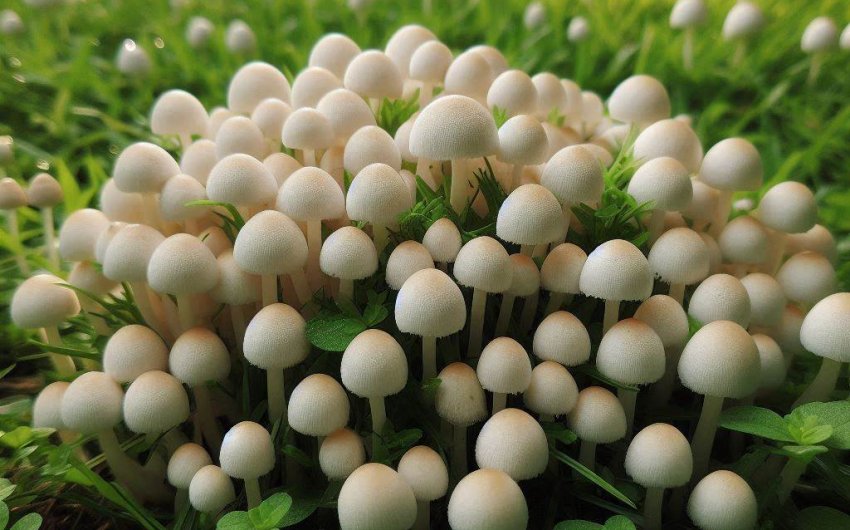
Mushrooms sprouting up on your lawn can be a curious sight. While mushrooms are harmless to your grass, they may indicate underlying soil conditions that you might want to address. Learning why mushrooms appear and how to handle them can help you keep your lawn looking clean and free from unwanted growth.
Why Do Mushrooms Appear on Your Lawn?
Mushrooms thrive in specific conditions, and several factors can lead to their appearance on your lawn. Understanding these factors is the first step in knowing how to prevent or control them.
1. High Moisture Levels
Mushrooms love moisture. Rainy weather, overwatering, or poor drainage can create a damp environment that is ideal for mushroom growth. If your lawn stays consistently wet, especially in shaded areas, mushrooms are more likely to appear.
Signs of Excess Moisture:
- Pools of water in low spots
- Persistently wet soil even days after watering
- Mushrooms growing in clusters in wet areas
Consider reducing the frequency of watering and assessing your lawn’s drainage. Using a soil moisture meter can help you monitor moisture levels and prevent overwatering.
2. Decomposing Organic Matter
Mushrooms are a part of the fungal family and thrive on decomposing organic matter, like dead roots, thatch, or buried wood pieces. This decaying material provides nutrients for the mushrooms, which act as nature’s way of breaking down organic waste.
Common Sources of Organic Matter:
- Tree roots left after stump removal
- Buried wood debris
- Thick layers of thatch
Removing excess organic debris or using a thatch rake to dethatch your lawn can reduce the food source for mushrooms and limit their growth.
3. Fertile Soil with Good Nutrients
Believe it or not, a mushroom-friendly lawn is often a sign of healthy, nutrient-rich soil. Lawns with plenty of organic matter and balanced pH create a perfect environment for mushrooms to flourish. The fungi decompose nutrients and help return them to the soil, which is beneficial in some ways but can also lead to unwanted growth.
How to Identify Fertile Soil:
- Consistent grass color and lush growth
- Minimal compaction and good soil structure
- Frequent mushroom growth after rainfall
Testing your soil with a soil test kit can help you understand its nutrient content and pH level, giving insight into why mushrooms may be thriving.
4. Shaded Areas of the Lawn
Mushrooms prefer low-light conditions and tend to grow more abundantly in shaded areas. Lawns with limited sunlight due to trees, fences, or buildings are more susceptible to mushroom growth.
Shaded Lawn Areas:
- Underneath trees or large shrubs
- Alongside buildings or fences
- Areas not exposed to direct sunlight
If mushrooms are primarily appearing in shaded areas, consider trimming nearby trees and shrubs to increase sunlight exposure. A pruning saw can help you remove excess foliage, allowing sunlight to reach your lawn.
Are Mushrooms Harmful to Your Lawn?
Mushrooms themselves are not harmful to your lawn. They don’t damage the grass or affect its ability to grow. However, some people may find mushrooms unattractive, and they can be a nuisance if you have pets or children who may try to pick or eat them.
Most mushrooms that grow on lawns are harmless, but a few varieties can be toxic if ingested. If you’re unsure about the type of mushrooms on your lawn, it’s best to remove them to ensure safety, especially if you have pets or young children.
How to Remove Mushrooms from Your Lawn
If you prefer a mushroom-free lawn, several methods can help you remove them safely and effectively.
1. Hand-Pick or Rake Out the Mushrooms
Removing mushrooms by hand is one of the simplest ways to control them, especially when the growth is minimal. You can use a rake or your hands to gently pull the mushrooms from the ground. Be sure to wear gloves if you’re handling unknown mushroom species, as some can cause skin irritation.
Steps for Hand Removal:
- Pull the mushrooms up from the base, including the stalk.
- Dispose of them in a sealed bag to prevent spores from spreading.
- Rake over the area to remove any remaining pieces.
Using a garden rake can help remove larger clusters without disturbing the grass too much.
2. Improve Lawn Drainage
Improving lawn drainage can limit the amount of moisture available to mushrooms, making it harder for them to grow. Several options can help you improve drainage and reduce mushroom growth.
- Aerate the Soil: Aerating the soil reduces compaction and helps water move through the soil, preventing puddling.
- Topdress with Sand: Adding a thin layer of sand helps water flow more effectively and improves soil texture.
- Install Drainage Solutions: Installing a French drain or drainage pipe can direct water away from problem areas.
Using a core aerator once or twice a year can keep soil loose and well-drained, reducing the moisture mushrooms need to grow.
3. Adjust Your Watering Schedule
Overwatering is a common cause of mushroom growth. Adjusting your watering routine to allow the soil to dry between sessions can help limit mushroom development.
Tips for Watering:
- Water in the early morning to give the lawn time to dry during the day.
- Water deeply but less frequently to encourage deep root growth.
- Check the soil moisture to avoid unnecessary watering.
Using a sprinkler timer can help you manage your lawn’s moisture level, ensuring you’re not overwatering and creating a damp environment for mushrooms.
4. Remove Excess Thatch and Organic Matter
Mushrooms feed on decomposing organic material, so removing thatch and other debris can help reduce their food source. Thatch is the layer of dead grass, roots, and other organic material that accumulates on the soil surface, creating an ideal environment for mushrooms.
- Dethatch Regularly: Use a dethatching rake to remove this layer, especially in areas where mushrooms are common.
- Compost Dead Leaves and Grass: Instead of leaving clippings and leaves on the lawn, compost them to prevent decay on the surface.
Using a dethatching rake can make this process easier, reducing the amount of decomposing material that attracts mushroom growth.
5. Apply a Fungicide for Persistent Growth
If mushrooms keep appearing despite your efforts, a fungicide can help reduce fungal spores in the soil. Fungicides work by killing the spores, preventing them from forming mushrooms on the surface.
- Choose a Lawn-Safe Fungicide: Select a fungicide specifically designed for lawn use.
- Apply in Problem Areas: Focus on the areas where mushrooms are growing most frequently.
- Follow Product Instructions: Always read and follow the directions for safe and effective application.
Using a fungicide spray can help treat stubborn areas, reducing mushroom growth over time.
6. Trim Trees and Shrubs to Increase Sunlight
Since mushrooms prefer dark, damp conditions, increasing sunlight on your lawn can make it less hospitable for them. Trimming back overhanging branches allows more sunlight to reach the lawn, helping dry out shaded areas where mushrooms are prone to grow.
Trimming Tips:
- Focus on areas where mushrooms are most common.
- Use proper trimming tools to avoid damaging trees and shrubs.
- Regularly maintain trimmed areas to keep sunlight levels high.
Using a tree pruner can make it easy to trim branches and increase sunlight exposure, reducing shade-related mushroom growth.
Natural Methods to Control Mushroom Growth
For those who prefer chemical-free solutions, several natural methods can help control mushrooms effectively.
1. Baking Soda Solution
Baking soda can neutralize acidic soil, which mushrooms tend to favor. A mild baking soda solution can reduce mushroom growth without harming your grass.
How to Use Baking Soda:
- Mix 1-2 tablespoons of baking soda with a gallon of water.
- Spray the solution directly on the mushrooms.
- Repeat as needed to reduce growth.
Using a garden sprayer makes it easy to apply this solution to affected areas, preventing mushrooms without damaging the grass.
2. Vinegar Spray
Vinegar is another natural option that can help kill mushrooms. Its acidity breaks down the mushroom’s cell structure, causing them to wither and die.
Steps for Using Vinegar:
- Mix equal parts white vinegar and water.
- Spray directly on the mushrooms, avoiding surrounding grass.
- Apply only as needed, as vinegar can also harm grass if overused.
Using a vinegar spray bottle allows for targeted application, making it easier to control mushrooms without harming nearby plants.
3. Cornmeal Application
Cornmeal contains a natural compound that can inhibit fungal growth. Sprinkling cornmeal over the affected area may help control mushrooms while adding nutrients to your soil.
How to Apply Cornmeal:
- Sprinkle a light layer of cornmeal on the lawn where mushrooms appear.
- Water lightly to help it integrate into the soil.
- Reapply as needed to keep mushrooms at bay.
Using organic cornmeal can serve as both a natural fungicide and a soil amendment, improving soil health while controlling fungi.
Preventing Future Mushroom Growth
Once you’ve addressed the mushrooms on your lawn, maintaining the right conditions can help prevent them from returning. Consistent lawn care practices create an environment that is less welcoming to mushrooms.
1. Aerate and Dethatch Regularly
Regular aeration and dethatching keep your soil healthy, well-drained, and free from excess organic matter that mushrooms need.
- Aerate Annually: Aerating each year can keep the soil loose, preventing compaction and reducing moisture buildup.
- Dethatch in Spring and Fall: Removing thatch twice a year keeps the surface clear and free from decaying material.
Using a lawn aerator and a dethatcher is an easy way to stay on top of these tasks, maintaining optimal conditions for grass.
2. Monitor Watering Levels
Avoid overwatering by watering only when the soil is dry about an inch below the surface. Overwatering creates damp conditions that mushrooms love, so be mindful of rainfall and adjust your schedule accordingly.
Using a rain gauge can help you monitor rainfall and determine when additional watering is actually necessary.
3. Apply Lime to Balance Soil pH
Applying lime to your lawn can balance acidic soils, making them less appealing for mushroom growth. Lime raises the soil’s pH level, discouraging mushrooms while benefiting your grass.
Using a lawn lime spreader makes it easy to apply lime uniformly, balancing the pH and creating a more grass-friendly environment.
4. Reseed Shaded Areas with Shade-Tolerant Grass
In areas with persistent shade, reseeding with shade-tolerant grass can improve coverage and reduce the likelihood of mushrooms. A thick, healthy lawn naturally discourages mushroom growth by limiting open, damp spaces.
Using a shade-tolerant grass seed blend can help create a dense, lush lawn that outcompetes unwanted fungi.