
Why Are My Pilea Leaves Turning Brown on the Edges?
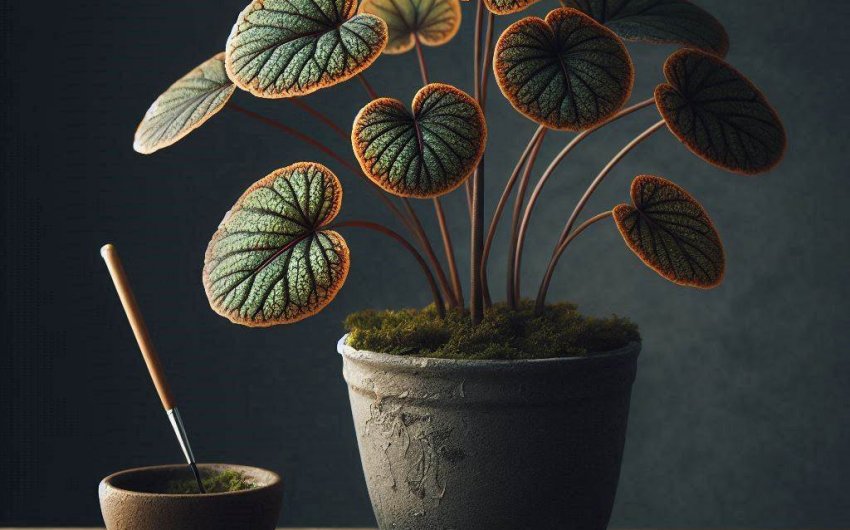
The Pilea plant, often referred to as the Chinese Money Plant, is loved for its unique, round leaves and easy-care nature. However, like many indoor plants, Pilea can sometimes show signs of stress. One common issue plant owners face is Pilea leaves turning brown on the edges. Brown-edged leaves can be caused by several factors, from improper watering to pests. Understanding the underlying cause helps you treat the plant effectively and restore its health.
1. Inconsistent or Improper Watering
Watering issues are often the main reason behind browning edges on Pilea leaves. These plants prefer consistent moisture but are sensitive to both overwatering and underwatering. When the soil is either too dry or too wet, the plant’s roots struggle to absorb the necessary nutrients, resulting in browning edges on the leaves.
Signs of Overwatering
- Yellowing leaves that eventually turn brown
- Wilting leaves despite wet soil
- A mushy texture in the soil
Signs of Underwatering
- Crisp, dry leaves with brown tips or edges
- Drooping leaves that feel brittle
To prevent watering issues, monitor the soil moisture regularly. Using a moisture meter can help you avoid overwatering and underwatering by showing exactly when the soil needs water.
Tips for Proper Watering
- Water only when the top inch of soil feels dry.
- Use room-temperature water to avoid shocking the roots.
- Ensure your Pilea’s pot has drainage holes to allow excess water to escape.
2. Low Humidity Levels
Pilea plants are native to tropical regions where humidity levels are naturally high. Low indoor humidity can lead to browning edges, as the plant’s leaves dry out in low-moisture conditions. Humidity often drops in winter, especially with indoor heating systems.
Symptoms of Low Humidity
- Leaves with brown or crispy edges
- Leaves that curl slightly
How to Increase Humidity for Pilea
- Misting: Lightly mist your plant every few days.
- Humidity Tray: Place a tray with water and pebbles under the pot, allowing the water to evaporate around the plant.
- Humidifier: A humidifier in the room can consistently maintain ideal moisture levels.
Using a room humidifier can be especially helpful during winter months when indoor humidity levels drop significantly.
3. Exposure to Direct Sunlight
While Pilea plants enjoy bright light, direct sunlight can be too intense and cause sunburn on their leaves. Excessive exposure to sunlight can lead to brown spots or edges, as well as faded leaf color. Pilea prefers bright, indirect light.
Signs of Sunburn on Pilea
- Brown edges or spots on leaves exposed to direct sunlight
- Yellowing or bleaching of leaves
- Brittle leaves that break easily
How to Provide Ideal Light for Pilea
- Place your Pilea near a bright window but out of direct sunlight.
- Use sheer curtains to diffuse the light, especially if your plant is near a south-facing window.
- During low-light seasons, consider using a grow light to ensure your Pilea gets enough indirect light.
4. Over-Fertilization
Too much fertilizer can lead to a buildup of salts in the soil, which can cause leaf tips to turn brown and edges to become crispy. Pilea is a light feeder and doesn’t require much fertilizer to stay healthy. Over-fertilizing often leads to nutrient imbalances that can damage roots and leaves.
Symptoms of Over-Fertilization
- Brown, crispy edges on leaves
- White crust on the soil surface (salt buildup)
- Slow or stunted growth
Tips for Fertilizing Pilea
- Feed your Pilea once a month during the growing season (spring and summer) with a diluted, balanced liquid fertilizer.
- Skip fertilization in fall and winter when the plant’s growth slows.
- Flush the soil periodically to remove any accumulated salts.
Using a balanced houseplant fertilizer at half-strength can prevent over-fertilization and support healthy growth without causing damage.
5. Cold Drafts or Temperature Changes
Pilea plants are sensitive to cold temperatures and sudden changes in their environment. Cold drafts from windows or doors can cause stress, leading to browning on the edges of the leaves. Ideally, Pilea should be kept in temperatures between 60°F to 80°F (16°C to 27°C).
Signs of Temperature Stress
- Leaves with brown or yellow edges after a sudden temperature drop
- Wilting or drooping leaves
- Slowed growth during cooler seasons
How to Protect Pilea from Temperature Changes
- Keep your plant away from drafty windows and doors.
- Avoid placing your Pilea near air conditioning vents or heaters.
- Maintain a consistent indoor temperature to avoid shocking the plant.
Using a temperature gauge can help you monitor the temperature around your Pilea, ensuring it stays within a comfortable range.
6. Poor Soil Quality or Improper Soil Type
Pilea plants require well-draining soil to avoid waterlogging, which can lead to root rot and browning leaf edges. Heavy or dense soils retain too much water, which suffocates the roots and causes stress.
Ideal Soil Mix for Pilea
- Use a light, well-draining potting mix that contains perlite or sand.
- Avoid heavy garden soils that retain too much water.
- Consider a soil mix specifically designed for succulents or indoor plants.
Using a succulent soil mix can provide the drainage and aeration that Pilea plants need, preventing browning from waterlogged soil.
7. Root Bound or Pot-Bound Plant
If a Pilea plant becomes root-bound, it may struggle to absorb water and nutrients effectively, leading to brown leaf edges. Root-bound plants have roots that circle around the pot, limiting their ability to grow and absorb nutrients.
Signs of a Root-Bound Pilea
- Roots visible through drainage holes
- Stunted growth and yellowing leaves
- Dry soil even after watering
Repotting Tips for Pilea
- Check the roots every year and repot if the plant is root-bound.
- Use a pot that is one size larger to give the roots more space.
- Choose a pot with drainage holes to prevent water buildup.
Using a pot with drainage can help your Pilea’s roots breathe, allowing for healthy growth and preventing brown leaf edges.
8. Natural Aging Process
Sometimes, brown edges on Pilea leaves are simply a part of the plant’s natural aging process. As leaves mature, they may develop brown edges and eventually fall off. This process is natural and not a cause for concern.
Identifying Aging Leaves
- Brown edges on older, lower leaves while new growth remains healthy
- Leaves that fall off easily with a slight touch
- No other signs of stress or disease on the plant
To keep your Pilea looking fresh, trim off aging leaves with clean, sharp pruning scissors. This encourages new growth and helps maintain the plant’s overall appearance.
9. Presence of Pests
Pests like spider mites and mealybugs can cause leaf damage, leading to brown edges as the plant loses moisture from the affected areas. These pests are particularly attracted to Pilea plants when indoor humidity is low.
Common Signs of Pests
- Small brown or yellow spots on the leaves
- Webbing or white cotton-like spots (for spider mites and mealybugs)
- Distorted or deformed leaves
Treating Pests on Pilea
- Wipe down the leaves with a damp cloth to remove visible pests.
- Spray with a diluted insecticidal soap or neem oil to kill remaining pests.
- Isolate the plant from other houseplants to prevent the spread of pests.
Using an insecticidal soap specifically designed for houseplants can help treat and prevent pest infestations on your Pilea.
10. Chemical Sensitivity from Water or Fertilizers
Pilea plants can be sensitive to chemicals commonly found in tap water, such as chlorine, fluoride, or hard minerals. These chemicals may build up in the soil, causing brown edges on the leaves. Similarly, using fertilizers with high salt content can result in chemical burns on the leaf edges.
Signs of Chemical Sensitivity
- Brown, crispy edges along the leaf margins
- White crust or residue on the soil surface
- Slow growth and pale leaf color
Solutions for Reducing Chemical Sensitivity
- Use filtered or distilled water for watering.
- Let tap water sit overnight to allow chlorine to evaporate.
- Flush the soil every few months to remove salt and mineral buildup.
Using a water filter pitcher can help remove chemicals from tap water, making it safer for your Pilea and preventing browning from chemical sensitivity.
11. Using the Wrong Pot Type or Material
The type of pot you use for your Pilea can impact its moisture levels. For example, plastic pots retain more moisture than terracotta, which naturally absorbs excess water. Using the wrong pot type can create a humid environment around the roots, leading to brown edges on the leaves.
Choosing the Right Pot
- For dry indoor environments, plastic pots can help retain more moisture.
- In humid areas, terracotta pots allow excess water to evaporate.
- Always use pots with drainage holes to prevent waterlogging.
Using a terracotta pot with drainage can help regulate moisture for your Pilea, reducing the risk of brown edges caused by excess water retention.
12. Soil pH Imbalance
Pilea plants prefer a slightly acidic to neutral soil pH, between 5.5 and 6.5. An incorrect pH level can interfere with nutrient absorption, leading to symptoms like brown edges on the leaves. If the pH is too high or too low, the plant may not get the nutrients it needs.
Checking and Adjusting Soil pH
- Test the soil’s pH level to see if it falls within the preferred range.
- Use sulfur to lower the pH if it’s too high, or add lime if it’s too low.
- Monitor the soil periodically to ensure the pH remains stable.
Using a soil pH tester can help you keep track of your Pilea’s soil conditions, ensuring it stays within the optimal pH range for healthy growth.
13. Stress from Relocation or Repotting
Pilea plants can become stressed after being moved to a new location or repotted, especially if the change is sudden. This stress can cause browning on the edges of the leaves as the plant adjusts to its new environment.
Signs of Relocation Stress
- Leaf drop or wilting
- Brown or yellow edges on the leaves
- Slower growth
How to Minimize Stress
- Place your Pilea in a stable environment with consistent lighting and temperature.
- Avoid repotting during fall or winter, when the plant’s growth is slower.
- After moving or repotting, monitor the plant closely and avoid excessive watering.
Using a plant dolly makes it easy to move your Pilea to find the best spot, allowing you to minimize stress and keep its conditions stable.