
Composting Dos and Don'ts: The Ultimate Guide to Successful Composting
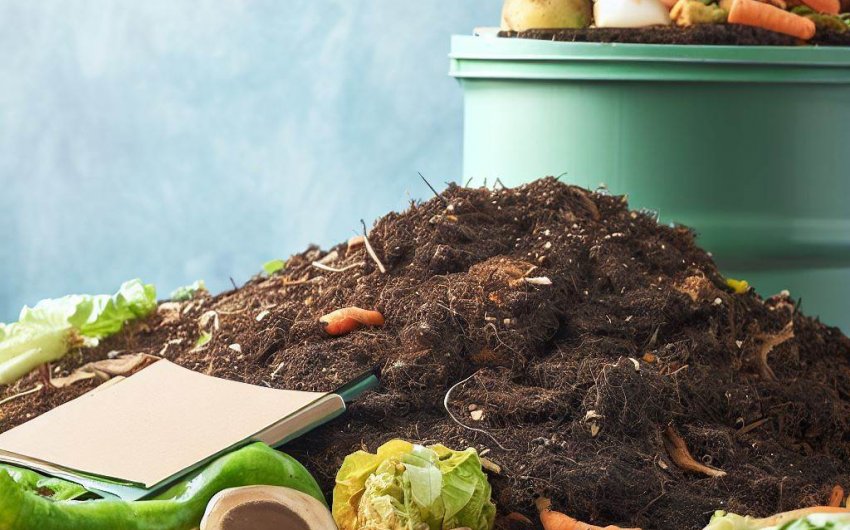
Composting dos and don'ts provide the ultimate guide to successful composting, ensuring efficient decomposition and nutrient-rich soil. Do balance "greens" and "browns," maintain consistent moisture, and aerate regularly. Crucially, don't add meat, dairy, or oily foods to avoid odors and pests, and avoid diseased plants or persistent weeds.
What are the fundamental principles of successful composting?
Successful composting is an art and a science, relying on a delicate balance of organic materials, moisture, and air, all facilitated by an unseen army of microorganisms. Understanding these fundamental principles is the ultimate guide to transforming kitchen scraps and yard waste into "black gold"—nutrient-rich compost that will transform your garden.
What is compost and why is it beneficial?
Compost is the end product of controlled biological decomposition, and it's a cornerstone of sustainable gardening.
- Definition: Compost is stable, decomposed organic matter, a dark, crumbly, earthy-smelling substance primarily composed of humus. It's created when microorganisms break down organic residues under optimal conditions.
- Benefits:
- Improves Soil Structure: Makes clay soil drain better and sandy soil retain more moisture.
- Enriches Fertility: Provides a balanced, slow-release source of macro- and micronutrients.
- Fosters Soil Life: Teeming with beneficial microbes that enhance nutrient cycling and suppress diseases.
- Buffers pH: Helps stabilize extreme soil pH values.
- Reduces Waste: Diverts significant amounts of household waste from landfills.
What are the "ingredients" for a healthy compost pile?
Think of compost as a recipe. You need the right mix of "greens," "browns," water, and air.
- "Greens" (Nitrogen-rich materials):
- Function: Provide the nitrogen that microbes need for growth and reproduction, fueling the decomposition process. They are typically fresh, moist, and break down quickly.
- Examples: Food scraps (fruit and vegetable peelings, coffee grounds, tea bags), fresh grass clippings, green plant trimmings, fresh manures (from herbivores).
- "Browns" (Carbon-rich materials):
- Function: Provide the carbon that microbes use as an energy source and for building their cell structure. They create bulk and structure, which helps with aeration. They are typically dry, woody, and break down slowly.
- Examples: Dried leaves, straw, wood chips, shredded newspaper/cardboard, pine needles, corn stalks.
- Water (Moisture):
- Function: Essential for microbial activity. Microbes need water to survive and function.
- Ideal State: The pile should be consistently damp, like a wrung-out sponge. Not soggy, not bone dry.
- Oxygen (Air):
- Function: Necessary for aerobic microbes, which are the most efficient decomposers and produce no foul odors.
- How to Provide: Achieved by proper layering, regular turning, and ensuring materials aren't too wet or compacted.
What is the ideal Carbon-to-Nitrogen (C:N) ratio?
Maintaining the correct C:N ratio is critical for fast, efficient, and odor-free decomposition.
- Target Ratio: Aim for an overall C:N ratio of approximately 25:1 to 30:1.
- Translating to Volume: Since "browns" are often bulkier than "greens," this usually translates to a volume ratio of roughly 2-3 parts brown material to 1 part green material.
- Why it Matters:
- Too much Carbon (too many browns): Decomposition will be very slow because microbes don't have enough nitrogen to grow.
- Too much Nitrogen (too many greens): The pile can become dense, anaerobic, and release ammonia-like odors as excess nitrogen gases off.
- Don't Overthink It: For home composting, don't worry about exact measurements. A general awareness of balancing your wet, fresh, green stuff with dry, woody, brown stuff is usually sufficient.
By understanding these core principles, you lay the groundwork for a successful composting journey, transforming waste into a valuable resource for your garden.
What are the essential "Dos" for successful composting?
Successful composting is built on a few key practices that promote efficient decomposition and a healthy, odor-free pile. These "Dos" ensure your compost pile has the right environment for beneficial microorganisms to thrive and create rich, dark humus.
DO balance "greens" and "browns" properly.
This is the most fundamental "Do" in composting, directly impacting decomposition speed and odor control.
- Aim for the Right Mix: As discussed, strive for a C:N ratio of about 25:1 to 30:1. In practice, this means roughly 2-3 parts brown material (by volume) for every 1 part green material.
- Layering: A simple way to achieve this balance is to add materials in layers. For example, add a layer of food scraps (greens), then cover it with a thicker layer of dried leaves or shredded paper (browns).
- Mix Thoroughly: If possible, mix new additions into the existing pile rather than just dumping them on top. This helps integrate the materials and provides aeration.
- Keep Browns Handy: Always have a ready supply of dry "brown" materials (a bag of shredded leaves, a bucket of sawdust) next to your compost bin. This makes it easy to add a layer of browns every time you add fresh "greens."
DO maintain consistent moisture.
Microbes need water to survive and actively decompose.
- "Wrung-Out Sponge" Consistency: The entire compost pile should be consistently damp, like a wrung-out sponge. Not dripping wet, and definitely not bone dry.
- Water as Needed: If the pile appears dry or decomposition slows, add water gradually with a hose or watering can while turning the pile.
- Cover the Pile: A simple cover (tarp, compost bin lid) can help regulate moisture by preventing the pile from drying out too quickly in sun or wind, or becoming waterlogged in heavy rain.
DO aerate or turn your compost pile regularly.
Oxygen is vital for the beneficial aerobic microorganisms.
- Introduce Oxygen: Regular turning (aeration) introduces oxygen into the pile, preventing anaerobic (oxygen-deprived) conditions that lead to foul odors and slow decomposition.
- Mix Materials: Turning also helps mix new materials with older, decomposing ones, ensuring even breakdown.
- Frequency: For faster decomposition ("hot composting"), turn the pile every few days to a week. For slower decomposition ("cold composting"), turn it once every 2-4 weeks, or whenever you add new materials.
- Tools: Use a garden fork, shovel, or a specialized compost aerator tool to turn your pile.
DO chop or shred materials into smaller pieces.
Size matters for decomposition speed.
- Increased Surface Area: Smaller pieces have a greater surface area, which means more points of attack for microorganisms, speeding up decomposition.
- Avoid Clumping: Smaller pieces integrate better and are less likely to form dense, anaerobic clumps.
- Technique: Chop large fruit and vegetable scraps, shred newspaper/cardboard, or run yard waste (leaves, small twigs) through a shredder or mower.
DO be patient.
Composting is a natural process, and it takes time.
- Decomposition Rates: Depending on your method and materials, finished compost can take anywhere from a few weeks (hot composting) to 6 months or even a year (cold composting).
- Signs of Finished Compost: Dark brown, crumbly texture, earthy smell, original materials unrecognizable.
- Don't Rush: Using unfinished compost can lead to problems in the garden (e.g., nutrient tie-up, weed seeds, pathogens).
By consistently applying these essential "Dos," you'll cultivate a thriving compost pile that actively transforms your organic waste into valuable, nutrient-rich soil amendment for your garden.
What are the critical "Don'ts" for successful composting?
Avoiding certain materials and practices is just as important as following the "Dos" for successful composting. These "Don'ts" prevent foul odors, deter pests, avoid the spread of disease, and ensure your finished compost is safe and beneficial for your garden.
DON'T add meat, bones, dairy, or oily foods.
This is arguably the most crucial "Don't" for a backyard compost pile.
- Pest Attraction: These materials are highly attractive to rodents (rats, mice), flies, raccoons, and other scavengers. They are essentially a banquet for unwanted guests.
- Foul Odors: As they decompose, these items produce extremely putrid and unpleasant odors, turning your compost pile into a neighborhood nuisance.
- Slow Decomposition: Meat, bones, and dairy break down very slowly in a typical home compost pile, prolonging the problem.
- Pathogen Risk: They can harbor harmful bacteria (like E. coli or Salmonella) that may not be killed in a cold compost pile, posing a risk if the compost is used on food crops.
- What to Do Instead:
- Municipal Composting: Check if your city has a municipal composting program that accepts these materials.
- Bokashi System: A sealed Bokashi fermentation system can handle these items, as it pickles them anaerobically. However, the fermented waste still needs to be buried or added to a larger, hot compost pile for final decomposition.
- Deep Burial: For very small amounts, you could deeply bury them in a garden bed away from edible plants (check local regulations).
DON'T add diseased plants or weeds with mature seeds.
Adding problematic plant material can spread issues to your garden.
- Diseased Plants:
- Why: Compost piles, especially cold compost piles, rarely reach temperatures high enough or sustain them long enough to kill all plant pathogens (fungi, bacteria, viruses). Adding diseased plants risks reintroducing those diseases to your garden when you use the compost.
- What to Do Instead: Bag and dispose of diseased plant material in municipal waste.
- Weeds with Mature Seeds:
- Why: Similar to pathogens, weed seeds (especially those with hard coats) can survive cold composting and germinate when you spread the compost, essentially "seeding" your garden with weeds. Perennial weeds with rhizomes or roots can also resprout.
- What to Do Instead: Avoid adding weeds that have gone to seed. Place them in municipal waste or solarize them (if you have the space). Hot composting can kill most weed seeds, but only if the pile truly reaches and maintains sufficient temperatures throughout.
DON'T use pet waste (dog or cat feces).
Pet waste is not suitable for home composting for important health reasons.
- Human Pathogens: Dog and cat feces can contain harmful human pathogens, parasites (e.g., Toxoplasma gondii from cats), and bacteria that backyard compost piles typically don't get hot enough to kill.
- What to Do Instead: Dispose of pet waste responsibly in municipal waste.
DON'T use chemically treated materials.
Adding contaminated materials can introduce harmful substances to your garden.
- Treated Wood: Avoid sawdust or wood chips from chemically pressure-treated lumber, stained wood, or painted wood. These chemicals (e.g., arsenic, copper, chromium) are toxic and will leach into your compost and then your soil.
- Pesticide/Herbicide Contaminated Plants: Be cautious with plant material that has been recently sprayed with persistent pesticides or herbicides, as residues could harm beneficial compost microbes or leach into your finished compost.
- What to Do Instead: If unsure, avoid adding it to your compost.
DON'T let your compost pile get too wet or too dry.
Maintaining optimal moisture is crucial for successful composting.
- Too Wet: A soggy pile becomes anaerobic (lacks oxygen), slows decomposition, and produces foul odors.
- Fix: Add more dry "brown" materials and turn the pile to introduce air.
- Too Dry: A bone-dry pile means microbial activity essentially stops, and decomposition grinds to a halt.
- Fix: Add water gradually while turning the pile until it reaches the consistency of a wrung-out sponge.
DON'T add plastics, metals, glass, or synthetics.
These materials do not decompose and will simply contaminate your compost.
- Why: They are non-biodegradable and will remain in your finished compost, creating pollution.
- What to Do Instead: Recycle or dispose of these materials properly.
By adhering to these critical "Don'ts," you ensure your compost pile remains a clean, efficient, and healthy environment, producing valuable, safe compost that will genuinely nourish your garden without introducing unwanted problems.
What common composting myths can be busted for easier composting?
Many people are deterred from composting by misconceptions that suggest it's overly complicated, always smelly, or attracts pests. Busting these common composting myths helps simplify the process, making it accessible and enjoyable for every gardener. Let's separate fact from fiction.
Myth 1: "Composting is complicated and requires an exact formula."
FICTION. While science underpins composting, you don't need to be a scientist to do it successfully.
- The Reality: Composting can be as simple or as complex as you make it.
- Cold Composting: The easiest method. Simply pile up organic materials, keep them moist, and let nature take its course. It takes longer (6 months to 2 years) but requires minimal effort.
- Hot Composting: More advanced, aiming for high temperatures for faster decomposition and to kill weed seeds/pathogens. This requires more attention to the C:N ratio, moisture, and frequent turning.
- Practical Approach: Don't stress about precise ratios. Aim for a general balance of "greens" (nitrogen) and "browns" (carbon), keep it damp, and turn it occasionally. Nature will do most of the work.
- Learn by Doing: The best way to learn is to start. You'll quickly get a feel for what works in your environment.
Myth 2: "Compost piles always stink and attract pests."
FICTION. A healthy compost pile should smell earthy, not offensive. Foul odors and pests are signs of an imbalance that is easily fixed.
- The Reality:
- Good Smell: A well-managed, aerobic compost pile smells like fresh soil after rain.
- Bad Smell Causes: Strong odors (ammonia, rotten eggs) are caused by:
- Lack of Oxygen: Pile is too wet and compacted (anaerobic).
- Too Many Greens: Not enough "browns" to balance nitrogen.
- Inappropriate Materials: Meat, dairy, fats.
- Pest Attraction Causes: Pests (rodents, flies) are primarily attracted to meat, dairy, fats, and exposed food scraps.
- Solutions: Ensure good air circulation (turn regularly), balance greens and browns, bury food scraps, and strictly avoid meat, dairy, and oily foods in backyard piles. Use an enclosed bin for added pest protection.
Myth 3: "Compost needs to get super hot to be effective."
FICTION. While hot composting has specific benefits, cold composting is also highly effective.
- The Reality:
- Hot Composting Benefits: Reaching temperatures of 130-160°F (55-71°C) speeds up decomposition (weeks to months) and reliably kills most weed seeds and pathogens.
- Cold Composting Benefits: Simply piling materials and letting them decompose slowly (6 months to 2 years) still produces excellent compost. It requires almost no effort.
- Your Choice: If you're not concerned about killing weed seeds and pathogens (e.g., if you only compost yard waste or are meticulous about not adding seeded weeds), cold composting is perfectly fine and often more practical for busy gardeners.
Myth 4: "You can't compost [X food scrap] like citrus or coffee grounds."
FICTION (mostly). Many commonly demonized food scraps are perfectly fine in moderation.
- The Reality:
- Citrus Peels: Small amounts of citrus peels are fine in a larger, active compost pile. They are a "green" material. Large quantities, especially in worm bins, can slow decomposition or be too acidic.
- Coffee Grounds: As discussed, used coffee grounds are nearly pH neutral and a valuable "green" material.
- Eggshells: Excellent source of calcium. Crush them to help them break down faster.
- Newspaper/Cardboard: Shredded plain newspaper and unbleached cardboard are excellent "brown" materials. Avoid glossy or heavily dyed paper.
- The "Don'ts" Remain: Still strictly avoid meat, dairy, fats, diseased plants, and pet waste.
Myth 5: "Compost makes soil too acidic (or too alkaline)."
FICTION. Finished compost generally stabilizes soil pH.
- The Reality: Finished compost tends to have a near-neutral pH (6.5 to 7.5), regardless of the initial pH of its components.
- Buffering Effect: Compost acts as a powerful pH buffer, helping to bring very acidic soils up towards neutral and very alkaline soils down towards neutral.
- Not a pH Changer: You should not rely on compost alone to drastically change your soil's pH. If a significant shift is needed (e.g., for acid-loving blueberries in alkaline soil), use dedicated soil amendments like elemental sulfur or garden lime in addition to compost.
By shedding these common composting myths, gardeners can approach this incredibly rewarding practice with confidence, knowing that simplicity, balance, and attention to a few key "Dos and Don'ts" will lead to a successful and highly beneficial compost pile for their garden.