
Solar-Powered Compost Bins: Harness the Sun for Sustainable Gardening
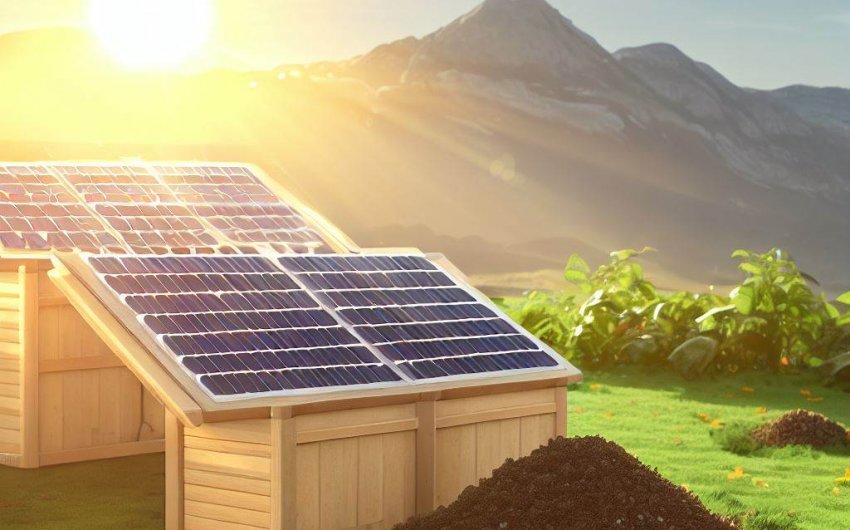
Solar-powered compost bins harness the sun for sustainable gardening by utilizing solar energy to power mechanisms that enhance the composting process, such as aeration fans, moisture sensors, or even heating elements. This innovative approach automates key aspects of composting, leading to faster decomposition, reduced manual effort, and a more efficient creation of nutrient-rich compost for your garden.
What is a solar-powered compost bin and why does it matter?
A solar-powered compost bin is an innovative composting system that integrates solar energy technology to enhance and often automate various aspects of the decomposition process. Moving beyond traditional manual methods, these bins leverage the sun's power to maintain optimal conditions for microbial activity, leading to faster, more efficient, and often less labor-intensive creation of nutrient-rich compost. It matters because it represents a step forward in sustainable gardening, combining waste diversion with renewable energy.
What innovative features do solar-powered compost bins offer?
Solar power can be integrated into compost bins in several clever ways, aiming to address common composting challenges.
- Automated Aeration: Many solar compost bins feature small solar-powered fans or aerators. These fans can:
- Increase Oxygen Flow: Introduce fresh air into the compost pile, preventing anaerobic (oxygen-deprived) conditions that lead to foul odors and slow decomposition.
- Regulate Temperature: Help dissipate excess heat in very hot piles or circulate warmth in cooler ones.
- Reduce Manual Turning: Potentially lessen the need for manual turning, a major benefit for many gardeners.
- Moisture Management: Some advanced solar bins incorporate solar-powered moisture sensors and small pumps that can:
- Monitor Moisture Levels: Provide real-time data on the compost pile's dampness.
- Automated Watering (Less Common): In highly sophisticated systems, a small solar pump might add a precise amount of water if the pile becomes too dry, often from a collected rainwater reservoir.
- Temperature Boost/Regulation:
- Passive Solar Heating: The design of some solar bins may utilize dark materials or clear panels to passively trap solar heat, helping the pile reach optimal decomposition temperatures faster, especially in cooler climates.
- Active Heating (Rare/Experimental): More advanced, larger-scale systems might include actual solar heating elements to maintain consistent temperatures for hot composting.
- Smart Monitoring: Some solar bins may include basic digital displays showing temperature or moisture readings, powered by solar energy, giving gardeners better insight into their pile's status.
- Pest Deterrence (Indirect): By maintaining optimal conditions (aeration, temperature, moisture), solar-powered features indirectly contribute to a healthier pile that is less prone to odors and thus less attractive to pests.
Why does solar-powered composting matter for sustainable gardening?
Integrating solar power into composting represents a significant step towards a more sustainable and efficient gardening future.
- Enhanced Sustainability: It combines two powerful sustainability practices: waste diversion (composting food and yard waste) and renewable energy utilization (solar power). This creates a truly green cycle.
- Reduced Manual Labor: Automating aeration or moisture monitoring makes composting less physically demanding, encouraging more people to participate, especially those with mobility challenges or limited time.
- Faster Decomposition: By ensuring optimal conditions (especially consistent aeration), solar-powered bins can accelerate the decomposition process, yielding finished compost more quickly.
- Improved Compost Quality: Consistent aeration prevents anaerobic pockets, resulting in higher quality, odor-free, nutrient-rich compost.
- Odor and Pest Control: Well-aerated and actively decomposing piles are less prone to foul odors and pest attraction, making them more suitable for urban or suburban settings where proximity to neighbors is a concern.
- Educational Tool: It can serve as a fascinating example of how renewable energy can be applied to everyday household tasks, sparking interest in sustainable technologies.
- Climate Change Mitigation: Diverting organic waste from landfills reduces methane emissions, and using solar energy further lessens reliance on fossil fuels, contributing to climate action.
Solar-powered compost bins offer a glimpse into the future of composting, blending traditional organic gardening with modern, eco-friendly technology for a more efficient and sustainable approach.
What are the types and designs of solar-powered compost bins?
Solar-powered compost bins come in various designs, from simple passive systems to more elaborate active ones, each leveraging solar energy in different ways. Understanding these types helps in choosing the best fit for your gardening needs, space constraints, and budget.
What are passive solar compost bin designs?
Passive solar designs rely on the bin's structure and materials to harness the sun's energy without active mechanical components.
- Dark-Colored Bins:
- Design: These are typically static compost bins (e.g., plastic or wooden bins) painted or made from dark-colored materials.
- How it Works: Dark surfaces absorb more solar radiation, which helps to warm the compost pile, especially in cooler climates or during colder months. This can accelerate microbial activity and decomposition.
- Benefits: Simple, inexpensive (if DIY), no moving parts, no electronics.
- Limitations: Can lead to overheating in very hot, sunny climates without adequate ventilation. Does not provide active aeration or moisture control.
- Clear-Sided or Glazed Bins:
- Design: Some bins incorporate clear plastic or glass panels on one or more sides.
- How it Works: Similar to a mini-greenhouse, these transparent panels allow solar radiation to penetrate and warm the pile, creating a passive solar heating effect.
- Benefits: Can be effective at raising internal temperatures.
- Limitations: Can also lead to overheating. Requires careful design to ensure proper ventilation to prevent cooking the microbes.
- DIY Passive Solar Options:
- Simply painting an existing compost bin a dark color.
- Building a bin with a dark metal or plastic exterior in a sunny spot.
- Placing the compost bin against a south-facing (in Northern Hemisphere) dark wall that absorbs and radiates heat.
What are active solar compost bin designs?
Active solar designs use solar panels to power electronic components that enhance the composting process.
- Solar-Powered Aeration Fans:
- Design: These bins typically have small solar panels mounted on top or side that power an integrated fan. The fan usually operates periodically or when light is available.
- How it Works: The fan draws air into or expels air from the compost pile, actively introducing oxygen. This prevents anaerobic conditions, reduces odors, and speeds up decomposition.
- Benefits: Automated aeration reduces manual turning, eliminates foul odors, accelerates decomposition, suitable for various climates.
- Considerations: Requires a sunny spot for the solar panel. Fan size and power should be appropriate for the bin volume. A good option is solar powered compost aerator fan.
- Solar-Powered Moisture/Temperature Sensors (with indicators/controls):
- Design: Bins may include small solar panels that power digital sensors to monitor internal compost temperature and/or moisture levels. Some may have indicator lights or a basic display.
- How it Works: Provides real-time data to the gardener, helping them decide when to add water or turn the pile. More advanced (and expensive) versions might even trigger small pumps for automated watering, though this is less common in consumer-grade bins.
- Benefits: Data-driven composting, helps optimize conditions, reduces guesswork.
- Limitations: Primarily monitoring, not active management (unless integrated with other systems).
- Solar-Powered Compost Tumblers:
- Design: Less common, but some advanced tumblers might integrate a solar panel to power a small motor that rotates the tumbler automatically on a timed schedule.
- How it Works: Automates the physical turning of the compost.
- Benefits: Extremely low effort, ideal for those with mobility issues or very limited time.
- Limitations: More complex, higher cost, potential for mechanical failure.
- DIY Active Solar Setups:
- A common DIY approach is to purchase a small solar panel kit with a fan and integrate it into an existing compost bin for automated aeration. This can be a cost-effective way to get started.
The choice between passive and active solar compost bins depends on your desired level of automation, budget, and the specific challenges you face in your composting environment. Both methods offer unique ways to harness the sun's energy for more sustainable gardening.
How do solar-powered compost bins accelerate decomposition?
Accelerating decomposition is a key goal for many composters, turning organic waste into nutrient-rich soil amendment more quickly. Solar-powered compost bins achieve this by optimizing the environmental conditions that drive microbial activity, making the process more efficient than traditional methods.
What are the key factors for fast decomposition?
Efficient composting relies on four critical factors working in harmony:
- Carbon-to-Nitrogen (C:N) Ratio: The balance of "brown" (carbon-rich) and "green" (nitrogen-rich) materials. An ideal ratio is around 25:1 to 30:1.
- Moisture: The pile needs to be consistently damp, like a wrung-out sponge. Too dry, and microbes slow down. Too wet, and the pile becomes anaerobic.
- Oxygen (Aeration): Aerobic (oxygen-loving) microbes are the most efficient decomposers. They need a continuous supply of oxygen. Without it, anaerobic microbes take over, slowing the process and producing foul odors.
- Temperature: Microbes work faster in warm conditions. Hot composting (130-160°F or 55-71°C) rapidly breaks down materials and kills weed seeds/pathogens.
How do solar-powered features optimize these factors?
Solar-powered components directly address several of these key decomposition factors.
- Enhanced Aeration (Solar Fans):
- Direct Oxygen Supply: Solar-powered fans actively introduce fresh air into the compost pile. This ensures a consistent supply of oxygen for aerobic microbes, allowing them to work at peak efficiency.
- Prevents Anaerobic Pockets: Without fans or regular manual turning, dense areas of the pile can quickly become oxygen-deprived, leading to anaerobic decomposition (slow, smelly). Fans prevent this.
- Reduces Compaction: The gentle, continuous airflow can help prevent compaction, keeping the pile loose and active.
- Faster Breakdown of Greens: Greens (like grass clippings) are notorious for compacting. Fans help them break down more quickly and cleanly.
- Temperature Regulation (Passive Solar & Fan Circulation):
- Passive Heating: Dark-colored or glazed bins directly absorb solar radiation, raising the internal temperature of the compost pile. This creates a warmer environment that accelerates microbial metabolic rates, leading to faster decomposition, especially in cooler climates.
- Heat Distribution (Fans): For larger piles, solar-powered fans can help circulate warmth throughout the compost, ensuring more uniform decomposition and preventing cold spots where microbial activity might lag. In very hot climates, a fan might also help prevent the pile from overheating and killing off beneficial microbes.
- Moisture Control (Sensors & Minor Automation):
- Informed Decisions: Solar-powered moisture sensors provide accurate readings, allowing gardeners to add water precisely when needed, preventing the pile from becoming too dry (which slows decomposition) or too wet (which leads to anaerobic conditions).
- Reduced Guesswork: Eliminates the need for constant "squeeze tests" and ensures the pile stays at optimal moisture.
What are the measurable impacts of accelerated decomposition?
The optimization provided by solar power leads to tangible benefits.
- Faster Finished Compost: Depending on materials and climate, solar-powered bins can produce finished compost in a matter of weeks to a few months, significantly faster than traditional cold composting methods that can take 6 months to a year or more.
- Reduced Odors: Consistent aeration prevents foul, anaerobic smells, making solar composting more pleasant for gardeners and neighbors.
- Higher Quality Compost: Properly aerated and decomposed compost is richer in humus, more balanced in nutrients, and free from the undesirable byproducts of anaerobic decay.
- Increased Capacity: Faster turnaround means you can process more organic waste over a growing season, producing more compost for your garden.
By directly influencing the critical factors of aeration, temperature, and moisture, solar-powered compost bins provide a sophisticated, low-effort approach to accelerate decomposition, yielding higher quality compost more efficiently for sustainable gardening.
How do solar-powered compost bins reduce odors and deter pests?
Odor and pest control are major concerns for many composters, especially in urban or suburban settings. Solar-powered compost bins, through their active features and efficient decomposition, are highly effective at mitigating these issues, making composting a more pleasant and responsible practice.
What causes foul odors in compost piles?
Foul odors are not a natural part of healthy composting; they are clear signals that something is out of balance.
- Anaerobic Conditions (Lack of Oxygen): This is the number one cause of bad smells (like rotten eggs, sulfur, or sewage). When a compost pile becomes too wet and compacted, or isn't turned regularly, oxygen is depleted. This forces anaerobic bacteria (which don't need oxygen) to take over, producing noxious gases as byproducts of their decomposition.
- Too Much Nitrogen ("Ammonia Smell"): An imbalance with too much nitrogen-rich "green" material (e.g., large amounts of fresh grass clippings or food scraps) and not enough "brown" (carbon-rich) material can lead to a strong, ammonia-like odor. The excess nitrogen is released as ammonia gas.
- Inappropriate Materials: Composting items like meat, dairy, bones, fats, or oily foods in a backyard pile will inevitably lead to putrid odors as they break down slowly and attract pests.
How do solar-powered features prevent odors?
Solar-powered components directly combat the root causes of unpleasant smells.
- Automated Aeration (Solar Fans):
- Maintains Aerobic Conditions: Solar-powered fans continuously or periodically introduce fresh air into the compost pile. This ensures a constant supply of oxygen for the aerobic microbes, which decompose organic matter cleanly and without producing foul-smelling gases.
- Prevents Compaction: The gentle airflow helps prevent dense, wet layers from forming, which are prime sites for anaerobic conditions.
- Balances Moisture: By promoting evaporation, fans can also help prevent the pile from becoming too wet and stagnant, a common cause of odors.
- Faster Decomposition: By optimizing aeration and temperature, solar-powered bins accelerate the overall decomposition process. Materials break down more quickly into stable humus, reducing the time during which they might produce odors.
- Passive Solar Heating (Indirect): In passive solar bins, the increased temperature can also help drive off moisture more efficiently and encourage faster aerobic breakdown, reducing the window for odor production.
How do solar-powered compost bins deter pests?
Pest attraction is closely linked to odors and exposed, appealing food sources. Solar-powered bins help in several ways.
- Odor Elimination: By preventing foul smells, solar-powered bins remove a primary attractant for flies, rodents, raccoons, and other scavengers. Pests rely heavily on scent to locate food sources.
- Efficient Decomposition (Hides Food): Faster breakdown means food scraps are consumed by microbes more quickly and become less recognizable or appealing to pests.
- Enclosed Systems: Most commercial solar compost bins are fully enclosed systems.
- Physical Barrier: They provide a physical barrier that prevents rodents and larger animals from accessing the compostable materials.
- Secure Lids: Lids are often tight-fitting and may even have latches, making them difficult for pests to open.
- Temperature (Hot Composting): For systems that reach hot composting temperatures (sometimes facilitated by passive solar designs), the internal heat is inhospitable to many pests and larvae, killing them off.
- Reduced Manual Disturbance (Active Solar): If aeration is automated, gardeners may open the bin less frequently, reducing opportunities for pests to enter.
- DIY Considerations: When creating a DIY solar-powered compost bin, ensure the bin is fully enclosed with a secure lid and, if built from open materials, lined with 1/4-inch hardware cloth to prevent rodent entry.
By actively ensuring optimal conditions that lead to fast, aerobic, and odor-free decomposition, solar-powered compost bins create a less attractive environment for pests, making composting a cleaner, more pleasant, and more responsible practice for any gardener.
How do I choose and set up a solar-powered compost bin?
Choosing and setting up the right solar-powered compost bin involves evaluating your specific needs, space, and budget, then ensuring proper placement and ongoing management for optimal performance. Whether you opt for a commercial unit or a DIY solution, thoughtful preparation is key.
What should I consider when choosing a solar-powered compost bin?
Making the right choice involves balancing features, costs, and your gardening goals.
- Bin Type (Passive vs. Active):
- Passive Solar: Less expensive (or free if DIY), no electronics, but relies on sun exposure for heating and still requires manual turning. Good for gardeners who are content with slower composting and don't mind manual effort.
- Active Solar (with fans/sensors): More expensive, but offers automated aeration, faster decomposition, and better odor control. Ideal for those seeking convenience, efficiency, and minimal manual labor.
- Capacity: How much organic waste do you generate? Choose a bin size that matches your household's output to prevent overfilling and ensure efficient decomposition.
- Durability and Materials: Look for bins made from sturdy, weather-resistant materials (e.g., UV-stabilized plastic, treated wood, rust-resistant metal). It will be exposed to the elements.
- Aeration Mechanism (for active bins): If choosing an active bin with a fan, consider the fan's size, power, and whether it has a battery backup for cloudy days or nighttime operation.
- Ease of Use:
- Loading/Unloading: Can you easily add materials and harvest finished compost?
- Turning (if applicable): How easy is it to turn manually (for passive bins) or rotate (for tumblers)?
- Pest Resistance: Ensure the design is fully enclosed, with a secure lid and no large openings for pests.
- Budget: Solar-powered bins generally range from simple DIY additions to existing bins (low cost) to sophisticated commercial units (higher cost).
- Reviews and Reputation: Research product reviews and brand reputation if buying a commercial unit.
Where is the best location for a solar-powered compost bin?
Placement is paramount for any solar-powered device.
- Full Sun Exposure: The solar panel needs full, unobstructed sunlight for at least 6-8 hours a day to effectively charge and power its components. A south-facing (in the Northern Hemisphere) location is ideal.
- Good Airflow: Ensure the location has good natural air circulation around the bin to support aerobic decomposition and prevent stagnant air.
- Level Ground: Place the bin on a stable, level surface.
- Proximity to Sources: Position it conveniently close to your kitchen for food scraps and garden beds for yard waste, but far enough from living spaces to avoid any potential (though hopefully minimal) odors.
- Drainage: The area around the bin should have good drainage to prevent water pooling.
- Access: Ensure easy access for adding materials, turning (if needed), and harvesting compost.
How do I set up and maintain a solar-powered compost bin?
Setting up is typically straightforward, but ongoing maintenance ensures efficiency.
- Assembly: Follow the manufacturer's instructions for assembling commercial bins. For DIY, secure all components firmly.
- Initial Layer (Browns): Start your compost pile with a 4-6 inch layer of dry "brown" materials (shredded leaves, straw). This provides a base and initial carbon.
- Layer Materials: Add "greens" (food scraps) and "browns" in alternating layers, aiming for a 2-3 parts brown to 1 part green volume ratio. Always bury food scraps under a layer of browns to deter pests.
- Moisten: Ensure the pile is consistently damp, like a wrung-out sponge. Water as needed, especially when adding dry materials.
- Aerate/Turn:
- Active Bins: Let the solar fan work.
- Passive Bins: Turn the pile manually with a pitchfork or compost aerator tool every few days to a week.
- Monitor Solar Panel: Regularly clean the solar panel to ensure maximum efficiency. Dust, dirt, or debris can reduce its power output.
- Check Components: Periodically check fans, sensors, and other electronic components for proper function.
- Harvest Regularly: Harvest finished compost from the bottom or side access ports to keep the system active.
By making an informed choice, setting up your solar-powered compost bin in an optimal location, and following consistent management practices, you can effectively harness the sun's power to create a sustainable and efficient composting system for your garden.