
Compost vs. Fertilizer: Key Differences and When to Use Each
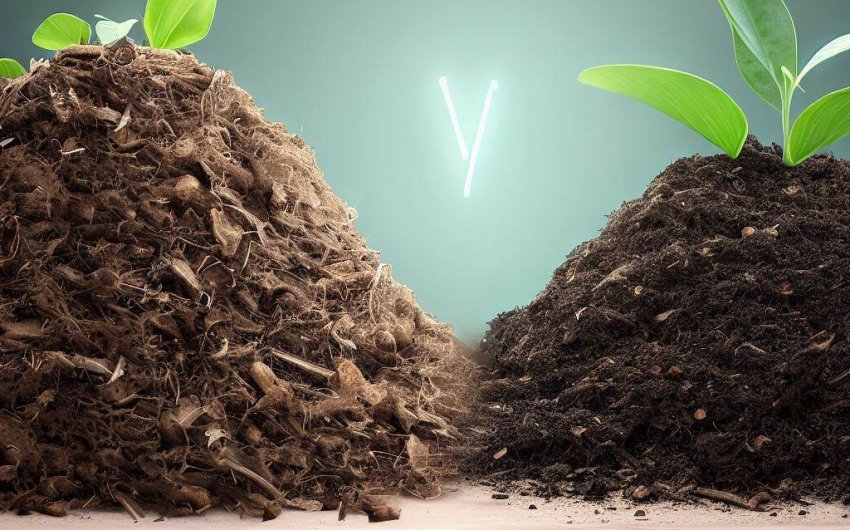
Compost and fertilizer are both essential for garden health, but they serve different primary purposes. Compost amends and builds soil structure, enriches it with a diverse array of slow-release nutrients, and fosters microbial life, while fertilizer provides a concentrated, immediate boost of specific plant nutrients for targeted feeding. Understanding their key differences determines when and how to use each for optimal garden growth.
What is the fundamental difference between compost and fertilizer?
Compost and fertilizer are often used interchangeably or confused, but they are fundamentally different garden amendments that serve distinct purposes. While both contribute to plant health, one acts as a holistic soil builder, and the other as a targeted plant feeder. Understanding this core distinction is the key to mastering your garden's nutrition.
What is compost and how does it work?
Compost is the ultimate organic soil amendment, focused on improving the overall health and structure of the soil itself.
- Definition: Compost is the stable, decomposed organic matter created through the controlled biological decomposition of various organic materials (food scraps, yard waste, leaves). The finished product is a dark, crumbly, earthy-smelling substance primarily composed of humus.
- How it Works (Holistic Soil Builder): Compost is a soil conditioner first and a nutrient source second.
- Improves Soil Structure: Its primary role is to physically change the soil. In clay soils, it creates air pockets and improves drainage. In sandy soils, it improves water and nutrient retention.
- Enhances Soil Biology: It's teeming with beneficial microorganisms (bacteria, fungi, protozoa) that continue to live and work in the soil, converting nutrients into plant-available forms, suppressing diseases, and fostering a healthy soil food web.
- Provides Balanced, Slow-Release Nutrients: Compost contains a wide range of macro- (N, P, K) and micronutrients, but in relatively low concentrations. These nutrients are bound within the organic matter and are released slowly over time as microbes continue their work, providing a gentle, steady feed for plants.
- Buffers pH: Finished compost generally has a near-neutral pH (6.5-7.5) and helps stabilize extreme soil pH values.
What is fertilizer and how does it work?
Fertilizer is a targeted product designed to deliver specific nutrients directly to plants.
- Definition: Fertilizer is any substance added to soil or plants to supply essential plant nutrients. It can be organic (derived from natural sources like manure, bone meal) or synthetic (manufactured chemicals).
- How it Works (Targeted Plant Feeder): Fertilizer's primary role is to directly supply plant nutrients.
- Concentrated Nutrients: Fertilizers provide specific nutrients (especially NPK - nitrogen, phosphorus, potassium) in concentrated, readily available forms. The NPK ratio on the label indicates these percentages.
- Fast-Acting (often): Many fertilizers, especially synthetic ones, offer quick nutrient boosts, allowing plants to respond rapidly to deficiencies. Organic fertilizers tend to be slower-release.
- Addresses Deficiencies: Used to correct specific nutrient shortages identified by plant symptoms or soil tests.
- Does Not Improve Soil Structure: Fertilizers do not significantly contribute to improving soil structure or building long-term organic matter. They are direct inputs for the plant.
- No Microbial Boost (Synthetic): Synthetic fertilizers do not actively feed or enhance beneficial soil microbial populations; in high concentrations, they can even harm them. Organic fertilizers, being natural materials, do contribute to feeding soil microbes, but less directly than compost.
Key Differences at a Glance: Compost vs. Fertilizer
| Feature | Compost | Fertilizer |
|---|---|---|
| Primary Role | Soil Builder/Conditioner | Plant Feeder/Nutrient Provider |
| Composition | Decomposed organic matter (humus) | Concentrated nutrients (organic or synthetic) |
| Nutrient Level | Low concentration, broad spectrum | High concentration, specific ratios (NPK) |
| Nutrient Release | Slow and steady (as microbes work) | Fast or slow (depending on type) |
| Soil Structure | Significantly improves | Does not improve |
| Soil Biology | Feeds & enhances microbes/earthworms | No direct microbial boost (synthetic) |
| pH Effect | Buffers to neutral | Can alter pH (e.g., ammonium sulfate lowers pH) |
| Overuse Risk | Very low risk of "burning" plants | High risk of "burning" plants |
| Application | Top-dressing, incorporating, side-dressing | Broadcast, liquid feed, foliar spray |
Understanding these distinctions is crucial for selecting the right amendment for your specific gardening needs, ensuring both healthy soil and thriving plants.
When should I use compost in my garden?
Compost is the backbone of healthy, sustainable gardening. Its myriad benefits make it an ideal amendment for almost any situation where you want to build soil health, improve plant vigor, and reduce reliance on synthetic inputs. It's the ultimate long-term investment in your garden's productivity.
When is compost most effective for improving soil structure?
Compost's ability to physically transform soil is unparalleled, especially for problematic soil types.
- Amending Heavy Clay Soil:
- Use When: Before planting new beds, when establishing lawns, or for improving existing compacted areas.
- How: Work a 2-4 inch layer of compost into the top 6-12 inches of existing clay soil. For new beds, even deeper incorporation (up to 18 inches) is beneficial.
- Benefits: It creates stable aggregates, improving aeration, drainage, and making clay soil more friable and workable.
- Improving Sandy Soil:
- Use When: Before planting, for new beds, or when existing sandy soil dries out too quickly.
- How: Incorporate a generous 2-4 inch layer of compost into the top 6-12 inches.
- Benefits: Compost acts as a sponge, significantly increasing the sandy soil's water and nutrient retention capacity, reducing leaching and watering frequency.
- Rejuvenating Depleted Soil:
- Use When: For any soil that looks barren, compacted, or shows poor plant growth.
- How: Apply as a top-dressing (1-3 inches) annually, or incorporate into the topsoil.
- Benefits: Replenishes organic matter, provides a balanced range of nutrients, and jumpstarts beneficial microbial life.
When should I use compost for nourishing plants and soil life?
Compost provides a gentle, slow-release nutrient boost and actively feeds the intricate soil food web.
- Annual Top-Dressing (General Garden Health):
- Use When: In early spring before new growth begins, or in late fall after harvesting/plants die back.
- How: Spread a 1-3 inch layer of finished compost over the entire surface of garden beds. You can gently rake it in or leave it on the surface.
- Benefits: Provides a continuous, slow release of macro and micronutrients throughout the growing season, builds humus, buffers soil pH, and feeds the entire soil food web. This is the single best practice for long-term soil fertility.
- New Plantings (Transplanting):
- Use When: When planting new trees, shrubs, perennials, or vegetables.
- How: Mix compost with the native soil in the planting hole (e.g., 1 part compost to 2-3 parts native soil) for backfilling.
- Benefits: Gives new plants a nutrient-rich, biologically active, and well-structured start, reducing transplant shock.
- Container Gardening:
- Use When: When preparing potting mixes or refreshing containers.
- How: Mix finished compost into your standard potting mix (e.g., 1 part compost to 3-4 parts potting mix).
- Benefits: Improves water retention, adds slow-release nutrients, and introduces beneficial microbes to the artificial container environment. A good organic potting mix like Foxfarm Ocean Forest Potting Soil can also be further enhanced with compost.
- Compost Tea (Liquid Boost):
- Use When: For a gentle liquid feed for seedlings, houseplants, or stressed plants.
- How: Steep finished compost in water for 1-3 days. Dilute and use to water plants or as a foliar spray.
- Benefits: Provides a mild nutrient boost and a rush of beneficial microbes.
Compost is the foundational amendment for creating a vibrant, productive, and resilient garden. It’s a versatile material that nurtures your soil from the ground up, promoting long-term health and reducing the need for more intensive interventions.
When should I use fertilizer in my garden?
Fertilizer serves a different, more targeted role than compost. It's used to provide concentrated nutrients to plants for specific growth stages, to correct identified deficiencies, or to give a quick boost when compost alone isn't enough. It's about feeding the plant, not necessarily building the soil.
When is fertilizer most effective for targeted nutrient boosts?
Fertilizers shine when a plant needs a quick, specific dose of nutrients.
- Heavy Feeders During Peak Growth: Plants that produce a lot of fruit or flowers (e.g., tomatoes, peppers, corn, petunias) during their peak growing or fruiting phases often require more nutrients than compost alone can immediately supply.
- Use When: During active growth, flowering, or fruiting.
- How: Apply a balanced liquid fertilizer or granular slow-release fertilizer according to package directions.
- Benefits: Ensures plants have ample resources to support abundant harvests and vigorous flowering.
- Correcting Specific Nutrient Deficiencies: If a soil test or visible plant symptoms (e.g., severe chlorosis indicating iron deficiency, stunted growth indicating nitrogen deficiency) confirm a specific nutrient shortage, fertilizer can quickly address it.
- Use When: As soon as a deficiency is identified.
- How: Use a fertilizer rich in the deficient nutrient (e.g., a high-nitrogen fertilizer for yellowing leaves; chelated iron for iron chlorosis).
- Benefits: Rapidly restores plant health and vigor by supplying the missing nutrient.
- Quick Green-up: For a fast aesthetic improvement (e.g., greening up a lawn before an event).
- Use When: When a rapid response is desired.
- How: Apply a fast-acting granular or liquid nitrogen-rich fertilizer.
- Caution: This is a temporary fix and does not build long-term soil health.
When should I use organic vs. synthetic fertilizers?
The choice between organic and synthetic fertilizers depends on your gardening philosophy and immediate needs.
- Organic Fertilizers (e.g., bone meal, blood meal, fish emulsion, aged manure):
- How they Work: Nutrients are derived from natural sources and are released slowly as soil microbes break them down. They also contribute a small amount of organic matter and feed soil life.
- Use When: For a slower, gentler, more sustained nutrient release. When you want to feed the soil food web along with the plant. For a more "natural" approach.
- Benefits: Lower risk of nutrient burn, improves soil biology, sustainable.
- Drawbacks: Slower to act, can be less precise in nutrient delivery.
- Synthetic Fertilizers (e.g., granular NPK blends, water-soluble solutions):
- How they Work: Nutrients are in readily available chemical forms that plants can absorb quickly. They do not feed soil microbes directly or improve soil structure.
- Use When: For a rapid response to a severe nutrient deficiency. When precise control over NPK ratios is needed.
- Benefits: Fast-acting, precise, easy to apply.
- Drawbacks: Higher risk of nutrient burn (if overused), do not build soil health, can leach into waterways, may harm soil microbes in high concentrations. A common choice is Miracle-Gro All Purpose Plant Food.
What are the risks of using fertilizer improperly?
Fertilizers, especially synthetic ones, can cause significant harm if misused.
- Nutrient Burn: Applying too much fertilizer (over-fertilization) can damage or kill plants by drawing water out of their roots (osmotic stress). This often appears as brown, crispy leaf tips or edges.
- Environmental Pollution: Excess fertilizer that isn't absorbed by plants can leach into groundwater or run off into surface water, causing harmful algal blooms and disrupting aquatic ecosystems.
- Salt Buildup: Synthetic fertilizers can lead to a buildup of salts in the soil, especially in containers, which can harm plant roots.
- Imbalance of Nutrients: Continuously applying only one type of nutrient (e.g., just nitrogen) without balancing it can lead to other deficiencies or create an unhealthy imbalance in the soil.
- Weak Growth: Too much nitrogen can produce lush, leafy growth at the expense of flowering or fruiting (e.g., "all top, no bottom" for root crops).
By understanding the targeted benefits and potential risks of fertilizers, you can use them judiciously and effectively to provide specific nutrient boosts, complementing the long-term soil health benefits of compost.
Can I use compost and fertilizer together for maximum garden benefit?
Yes, absolutely! The most effective and sustainable approach to gardening often involves a synergistic combination of both compost and fertilizer. Rather than viewing them as mutually exclusive, they should be seen as complementary tools that, when used together, provide a holistic and highly beneficial approach to plant and soil health.
How do compost and fertilizer work synergistically?
Using compost and fertilizer together creates a powerful combination that leverages the strengths of both.
- Compost Builds the Foundation: Compost creates healthy soil structure (improving drainage and water retention), fosters a thriving microbial ecosystem, and buffers soil pH. This creates an optimal environment where plant roots can efficiently access and utilize nutrients.
- Fertilizer Provides Targeted Support: Once the soil is healthy (thanks to compost), fertilizer can then be used more effectively to provide specific, concentrated nutrient boosts when plants need them most (e.g., during rapid growth, flowering, or fruiting).
- Increased Fertilizer Efficiency: Plants growing in compost-rich soil are healthier and have more robust root systems, allowing them to absorb and utilize applied fertilizers more efficiently. Less fertilizer is wasted, and there's a reduced risk of runoff.
- Reduced Overall Fertilizer Need: As compost continually improves soil fertility and nutrient cycling over time, the long-term reliance on synthetic fertilizers can be significantly reduced. You may find you need less fertilizer, or can opt for organic, slow-release options.
- Enhanced Nutrient Availability: The microbial activity in compost-rich soil helps convert nutrients from both compost and organic fertilizers into forms readily available to plants. It also helps hold onto nutrients, preventing them from leaching.
What are the best practices for combining compost and fertilizer?
Integrating compost and fertilizer requires a thoughtful, layered approach.
- Start with a Soil Test: Always begin with a soil test to understand your soil's current pH, organic matter content, and specific nutrient levels. This guides both your compost application and any targeted fertilization.
- Apply Compost First (or Annually): Make compost your foundational amendment.
- New Beds: Incorporate a generous 2-4 inch layer of compost into new garden beds before planting.
- Established Beds: Top-dress with 1-3 inches of finished compost annually in spring or fall.
- Fertilize Based on Plant Needs and Growth Stage:
- Young Plants/Seedlings: After a few weeks, provide a diluted liquid starter fertilizer.
- Heavy Feeders (Tomatoes, Corn, Roses): Supplement compost with a balanced granular or liquid fertilizer during their active growth and fruiting/flowering periods.
- Specific Deficiencies: Use targeted fertilizers (e.g., chelated iron) to correct specific deficiencies identified by plant symptoms or soil tests.
- Reduce Fertilizer Rates: Because your soil is healthier and richer with compost, you can often reduce the recommended application rates of synthetic fertilizers by 25-50%. Always observe your plants for signs of nutrient deficiency or excess.
- Consider Organic Fertilizers: When supplementing compost, consider using organic fertilizers (bone meal, blood meal, fish emulsion, kelp meal). These work more synergistically with compost by also feeding soil microbes and releasing nutrients slowly.
- Monitor and Observe: Continuously watch your plants for signs of health, vigor, and any issues. A plant disease diagnostic kit can help identify specific issues. This will tell you if your combined approach is working or if adjustments are needed.
- Water In Fertilizers: Always water thoroughly after applying granular fertilizers, especially synthetic ones, to prevent root burn.
What are the long-term benefits of this combined approach?
The synergy of compost and fertilizer leads to a truly thriving, sustainable garden.
- Sustainable Fertility: You create a self-sustaining cycle where compost continuously builds soil, reducing the long-term need for external inputs.
- Optimal Plant Performance: Healthier soil and targeted nutrition result in plants that are more vigorous, more resistant to pests and diseases, and produce higher yields of higher-quality fruit and vegetables.
- Environmental Stewardship: Reduces chemical runoff, diverts waste from landfills, and builds soil carbon.
- Gardener Satisfaction: A beautiful, productive garden that thrives with less intervention is ultimately more rewarding and enjoyable.
By embracing both the holistic benefits of compost and the targeted power of fertilizer, you empower your garden to reach its full potential, transforming your approach to soil and plant nutrition into a harmonious and incredibly effective strategy.