
Composting for Urban Dwellers: How to Compost in Small Spaces
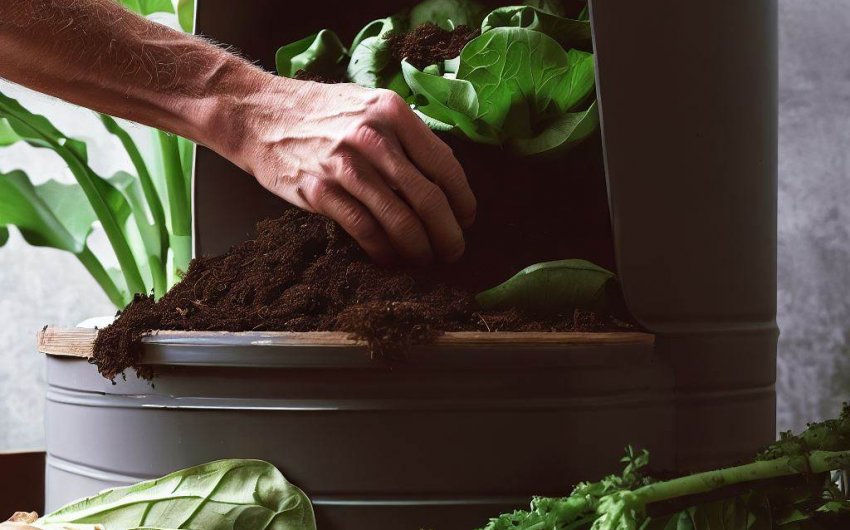
Composting for urban dwellers in small spaces is entirely feasible, primarily through vermicomposting (worm composting) indoors or using compact, sealed tumbler bins or bokashi fermentation systems on balconies or small patios. The key is choosing the right method for your space and managing materials to prevent odors and pests.
Why is composting important for urban dwellers in small spaces?
Composting is an incredibly beneficial practice often perceived as exclusive to sprawling suburban or rural gardens. However, for urban dwellers living in apartments, condos, or homes with small yards, composting is arguably even more vital. Despite space limitations, urban composting offers significant environmental, economic, and practical advantages, making it an essential practice for sustainable city living.
What are the challenges of composting in small urban spaces?
Urban environments present unique hurdles for aspiring composters.
- Limited Space: The most obvious challenge. No large backyard for an open pile, and even a small bin might feel intrusive on a balcony or patio.
- Odor Concerns: Proximity to neighbors means any unpleasant smells are a major concern. Traditional hot composting, if not managed perfectly, can sometimes produce odors.
- Pest Concerns: Attracting rodents, flies, or other urban pests is a definite no-go for city living.
- Lack of "Brown" Materials: Urban dwellers often have an abundance of food scraps ("greens") but a scarcity of "brown" (carbon-rich) materials like dried leaves, straw, or wood chips to balance the compost pile.
- Aesthetics: A bulky, unsightly compost bin might clash with a carefully designed balcony or small patio.
- Knowledge Gap: Many urban residents simply aren't aware that composting is even an option for them.
Why is composting crucial for urban environments?
Despite these challenges, urban composting offers compelling benefits.
- Waste Diversion: Food scraps make up a significant portion of household waste, often 20-30%. Composting these materials dramatically reduces the amount of waste going to landfills.
- Reduced Methane Emissions: When food waste rots in oxygen-deprived landfills, it produces methane, a potent greenhouse gas. Composting (an aerobic process) prevents this, making it a powerful climate action.
- Local Soil Improvement: Urban soils are often compacted, infertile, or contaminated. Homemade compost is invaluable for enriching small garden beds, container plants, or community gardens, improving soil structure, fertility, and microbial life.
- Economic Savings: Reduces trash volume (potentially lowering waste fees) and provides free, high-quality soil amendment, reducing the need to buy potting mix or fertilizers.
- Environmental Education: Urban composting raises awareness about waste, natural cycles, and sustainable living for individuals and communities.
- Community Building: Shared composting initiatives (community compost hubs, farmers market drop-offs) can foster community connections.
- Connects to Nature: For apartment dwellers, having a compost system, even a small worm bin, provides a tangible connection to natural processes.
By recognizing the critical need and addressing the specific challenges with appropriate methods, urban dwellers can effectively compost in small spaces, contributing significantly to a greener, more sustainable city.
What are the best composting methods for small spaces?
For urban dwellers with limited space, choosing the right composting method is paramount. The key is to select systems that are compact, enclosed, and designed to minimize odors and deter pests, allowing for successful decomposition without inconvenience.
What is vermicomposting (worm composting) and why is it ideal for small spaces?
Vermicomposting, or worm composting, is one of the most effective and popular methods for urban dwellers, as it's typically done indoors or on a sheltered balcony.
- How it Works: Specialized composting worms, primarily red wigglers (Eisenia fetida), consume organic waste (food scraps) and excrete nutrient-rich material called worm castings, which is essentially "super compost."
- Ideal for Small Spaces:
- Compact: Worm bins are relatively small, often multi-tiered plastic or wooden containers, designed to fit in a kitchen, under a sink, on a balcony, or in a utility closet.
- Odorless (when managed correctly): A healthy worm bin produces an earthy smell, if any. Foul odors indicate an imbalance (too much nitrogen, too wet, too many anaerobic conditions).
- Pest-Resistant: A well-maintained, sealed worm bin deters pests like flies and rodents.
- Indoor/Outdoor: Can be kept indoors year-round, or outdoors in sheltered locations where temperatures remain moderate (45-80°F or 7-27°C).
- Produces High-Quality Compost: Worm castings are an incredibly potent and beneficial soil amendment.
- What You Can Compost: Mostly fruit and vegetable scraps (small pieces are best), coffee grounds, tea bags, shredded paper/cardboard.
- What to Avoid: Meat, dairy, oily foods, citrus (in large quantities), pet waste.
- Equipment: A worm composting bin (either commercial or DIY), red wiggler worms, bedding material (shredded newspaper, coco coir).
What are compact outdoor bins (tumblers or enclosed static bins)?
For those with a small patio, balcony, or a tiny yard, compact outdoor bins offer a good solution.
- Tumbler Composters:
- How it Works: A sealed drum that rotates on an axle, making it easy to "turn" (aerate) the compost material without needing a pitchfork.
- Benefits: Faster decomposition (due to easy turning), excellent odor control, pest-proof, and relatively compact.
- Space: Fits on a patio or small yard.
- What You Can Compost: A wider range of food scraps (including some cooked foods if balanced), yard waste (leaves, grass clippings).
- Equipment: A compost tumbler (various sizes available).
- Enclosed Static Bins (Plastic):
- How it Works: A simple, lidded plastic bin (e.g., Earth Machine type) with aeration holes, designed to sit directly on the ground.
- Benefits: Contains material, odor-resistant (if managed), pest-resistant, and relatively inexpensive.
- Space: Needs a corner in a small yard or on a ground-level patio.
- What You Can Compost: Similar to tumbler, but decomposition is slower as turning is harder.
- Equipment: A simple plastic compost bin.
What is the Bokashi fermentation system?
Bokashi is a unique anaerobic (without oxygen) composting method from Japan that works very differently from traditional aerobic composting.
- How it Works: Food scraps (including meat, dairy, bones – which are usually compost no-nos) are placed in an airtight bin and layered with Bokashi bran (a grain inoculated with beneficial microorganisms). The microorganisms ferment the food waste, pickling it rather than decomposing it.
- Ideal for Small Spaces:
- Compact: Small, sealed bins fit easily in a kitchen or under a counter.
- Odorless: The fermentation process produces a sweet, vinegary odor, not a rotten smell.
- Compost All Food Scraps: Can handle meat, dairy, and cooked foods, making it very versatile for urban kitchens.
- Space-Saving: Once fermented (2-4 weeks), the pickled food waste still needs to be buried in the garden soil or a larger compost pile for final decomposition. This is the main limitation for apartment dwellers without a garden.
- Byproduct: Produces a nutrient-rich "Bokashi tea" that can be diluted and used as a liquid fertilizer.
- Equipment: A Bokashi composting kit (including bran and bin).
What about other small-space methods?
- Indoor Electric Composters: Some appliances rapidly break down food scraps, but they are not truly composting in the traditional sense, rather dehydrating or grinding.
- Community Composting: Many cities offer food scrap drop-off programs at farmers markets or community gardens. This is ideal if you have no space or no use for finished compost.
By carefully considering your space, the types of waste you generate, and your comfort level, you can choose the perfect composting method to thrive in your urban dwelling.
How do I manage materials for composting in small spaces?
Managing your "greens" (nitrogen-rich food scraps) and finding "browns" (carbon-rich materials) are key challenges for urban dwellers. Successfully balancing these inputs is essential for preventing odors, deterring pests, and ensuring efficient decomposition in a small composting system.
How do I collect and prepare "green" materials (food scraps)?
Food scraps are typically abundant in urban kitchens and form the core of most small-space composting systems.
- Collection:
- Countertop Bin: Use a small, lidded countertop compost bin (ideally with a charcoal filter) to collect kitchen scraps daily. Empty it regularly into your main compost system.
- Freezer Storage: For odor control and to reduce visits to the main bin, store excess food scraps in a container in the freezer. This is especially good for Bokashi systems.
- Preparation (Crucial):
- Chop into Small Pieces: Always chop food scraps into small pieces (1-2 inches or smaller). Smaller pieces decompose much faster, prevent anaerobic pockets, and are easier for worms (in vermicomposting) to consume.
- Mix in Layers: When adding food scraps to your main bin, especially a worm bin or static bin, try to mix them with "brown" materials (or bury them) rather than dumping a large, wet mass.
- What to Compost (Greens):
- Fruit and vegetable scraps (peelings, cores, wilted produce).
- Coffee grounds and filters (used, no sugar/cream).
- Tea bags (staples removed, if any).
- Crushed eggshells (rinse first).
- What to Avoid:
- Meat, bones, dairy, oily foods, cooked leftovers (especially in worm bins or static bins, use Bokashi for these).
- Citrus peels (limit in worm bins, fine in tumblers/Bokashi).
- Pet waste (never in home compost).
How do I find and prepare "brown" materials (carbon-rich)?
Sourcing "browns" can be a bit trickier in urban settings, but they are essential for balancing "greens" and preventing odors.
- Sourcing Brown Materials:
- Shredded Paper/Cardboard: This is an urban composter's best friend. Shredded junk mail (avoid glossy), newspaper (black and white), paper bags, or non-glossy cardboard (tear into small pieces, remove tape/labels) are excellent sources. A small paper shredder is a great tool.
- Dried Leaves: If you have any trees, collect fallen leaves in the fall and store them in bags for year-round use. Ask neighbors if they have excess.
- Wood Shavings/Sawdust: From untreated wood only, used sparingly and balanced with greens.
- Pine Needles: Adds acidity, good for some plants.
- Coco Coir: A great bedding material for worm bins and a good "brown" for other systems.
- Straw: Sometimes available at pet stores (for animal bedding) or garden centers.
- Preparation:
- Shred/Tear: Always shred or tear brown materials into small pieces. Smaller pieces expose more surface area for microbes and integrate better into the pile.
- Store Dry: Keep a separate container of dry, shredded brown materials near your compost bin. This makes it easy to add a handful of browns every time you add greens, ensuring balance.
- Balance is Key: For every layer of wet food scraps you add, always cover it with a layer of dry brown material. This helps aerate, absorb moisture, and balance the C:N ratio, preventing odors and deterring pests.
How do I maintain optimal moisture and aeration?
These two factors are critical for a functioning compost system, especially in small, enclosed bins.
- Moisture:
- "Wrung-Out Sponge" Test: The compost material should feel consistently damp, like a wrung-out sponge. Not soggy, not bone dry.
- Adding Water: If the pile gets too dry, add water gradually.
- Adding Browns: If too wet (and smelly), add more dry browns.
- Aeration:
- Turning (Tumblers): Simply rotate the tumbler regularly (daily or every few days).
- Mixing (Static/Worm Bins): Gently turn or mix the contents of your static bin with a small hand trowel. For worm bins, fluff up the bedding periodically, but avoid disturbing the worms too much.
- Bokashi: Does not require aeration, as it is an anaerobic system.
By meticulously managing your green and brown materials, focusing on chopping, layering, and maintaining optimal moisture and aeration, you can successfully compost in small spaces, creating nutrient-rich soil amendments for your urban garden.
How do I harvest and use compost in urban gardening?
Successfully composting in small spaces culminates in harvesting and utilizing your homemade "black gold." For urban gardeners, this valuable amendment is perfect for containers, raised beds, and small in-ground plots, transforming limited soil into fertile ground for thriving plants.
When is compost ready to harvest?
Knowing when your compost is "finished" is key to using it effectively.
- Appearance: Finished compost should be dark brown and crumbly, resembling rich soil. You should no longer be able to identify the original food scraps or yard waste.
- Smell: It should have a pleasant, earthy smell, like forest floor after rain, with no sour or rotting odors.
- Texture: It should be uniform in texture, not sticky or slimy, and relatively lightweight.
- Temperature: If you're hot composting, the pile should have cooled down to ambient temperature and stayed cool for several weeks.
- Sieve (Optional): For a finer product, especially for seed starting or top-dressing containers, you can sieve (sift) the compost through a coarse screen. Any larger, uncomposted pieces can be returned to the active compost pile.
How do I harvest compost from different small-space systems?
The method of harvesting depends on your composting system.
- Worm Bins (Vermicomposting):
- Migration Method: Stop adding food to one side of the bin. Add all new food scraps to the other side. Over a few weeks, the worms will migrate to the food-rich side. Once the first side is mostly worm-free, you can harvest the pure worm castings.
- "Dump and Sort" Method: Gently dump the entire contents of the bin onto a tarp or plastic sheet. Form small mounds in the sun. Worms will burrow to the bottom to escape light. Scrape off the top layers of castings. Repeat until you have mostly castings, and a clump of worms/bedding to restart the bin.
- Bottom Tray Harvest: Some multi-tiered worm bins have a bottom tray specifically for collecting finished castings that fall through.
- Tumbler Composters: Once the batch is finished, simply spin the tumbler to loosen the compost, then open the access door and empty it. If your tumbler has two chambers, one can be "cooking" while the other is being filled.
- Enclosed Static Bins: Open the access door at the bottom of the bin. Finished compost typically accumulates at the bottom. You can also carefully lift the entire bin to access the finished compost underneath (if it's a lightweight, removable type).
- Bokashi: The fermented waste is not finished compost. It needs to be buried in garden soil, a large outdoor compost pile, or placed in a "soil factory" (a separate container where it decomposes with soil) for a few weeks to fully break down into usable compost.
How do I use compost in my urban garden?
Homemade compost is invaluable for urban gardens, enriching soil in pots, raised beds, and small plots.
- Container Gardening: This is one of the best uses for urban dwellers.
- Potting Mix Component: Mix finished compost into your regular potting mix at a ratio of 1 part compost to 3-4 parts potting mix. This boosts nutrients, improves water retention, and adds beneficial microbes.
- Top-Dressing: For established container plants, a thin layer (1/2 to 1 inch) of compost can be top-dressed on the soil surface once or twice a season. Gently scratch it in and water well.
- Raised Beds: For small raised garden beds, work a 1-3 inch layer of compost into the top 6-12 inches of soil annually, especially before planting. This provides nutrients and improves soil structure.
- Small In-Ground Plots: Similar to raised beds, top-dress or incorporate compost into your small in-ground garden areas.
- Seed Starting (Component): Use a small amount (10-20%) of fine, sieved compost in your seed-starting mix to give seedlings a gentle nutrient boost.
- Compost Tea: Dilute the "compost tea" made from Bokashi or steeped compost and use it to water plants. This provides a mild liquid feed and microbial boost.
- Houseplants: Top-dress houseplants with a thin layer of compost for a gentle, natural fertilizer.
What are the long-term benefits of urban composting?
Consistent urban composting creates lasting positive impacts.
- Enhanced Soil Health: Continually improves the structure, water retention, and fertility of your limited urban soil, making it more resilient and productive.
- Reduced Waste Footprint: Significantly cuts down on household waste, contributing to environmental sustainability.
- Healthier Plants: Compost-fed plants are generally stronger, more vibrant, and more resistant to pests and diseases.
- Sustainable Gardening Cycle: Creates a closed loop in your urban environment, turning kitchen waste into valuable garden resources.
- Cost Savings: Provides free, high-quality soil amendments, reducing reliance on store-bought soil and fertilizers.
By mastering the art of harvesting and applying your homemade compost, urban dwellers can fully harness its power, transforming their small spaces into thriving, productive, and sustainable gardens.