
The Power of Compost: Transforming Poor Soil into Fertile Ground
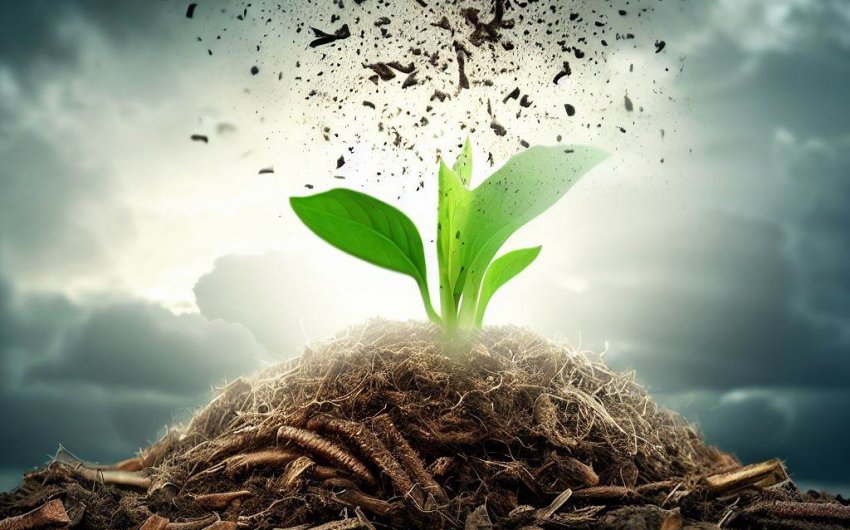
The power of compost lies in its unparalleled ability to transform poor soil into fertile ground by improving its physical structure, enriching it with a balanced array of nutrients, and fostering a thriving microbial ecosystem. This organic amendment is the cornerstone of sustainable gardening, leading to healthier plants and abundant harvests.
Why is compost considered "black gold" for gardeners?
Compost is often hailed as "black gold" by experienced gardeners, and for very good reason. It's the ultimate organic amendment, derived from the controlled decomposition of organic matter, that brings a multitude of benefits to poor soil. Understanding its fundamental role in creating a vibrant, productive garden is key to appreciating its true power.
What exactly is compost and how is it made?
Compost is the end product of a natural biological process that transforms raw organic materials into a dark, crumbly, earthy-smelling substance.
- Decomposition: It's essentially decomposed organic matter. Microorganisms (bacteria, fungi, actinomycetes) are the primary workers, breaking down plant and other organic residues into simpler, more stable compounds.
- Ingredients: A balanced compost pile requires a mix of:
- "Greens" (Nitrogen-rich): Fresh plant material, food scraps, grass clippings.
- "Browns" (Carbon-rich): Dried leaves, wood chips, shredded paper.
- Water and Oxygen: Essential for the aerobic (oxygen-loving) microbes.
- Result (Humus): The finished product is largely composed of humus, a stable, dark, spongy organic material that is incredibly beneficial for soil.
- How it's Made: Compost is made by layering or mixing these "green" and "brown" materials, keeping them moist, and providing aeration (by turning the pile). Depending on the method (hot vs. cold composting) and diligence, decomposition can take anywhere from a few weeks to several months or even a year.
What are the main benefits of using compost in your garden?
Compost offers a holistic improvement to soil that synthetic fertilizers simply cannot match.
- Improves Soil Structure (Physical Benefits): This is perhaps its most profound and immediate impact on poor soil.
- Clay Soil: Compost helps break apart dense clay particles, creating larger air and water channels, which improves drainage and aeration.
- Sandy Soil: Compost acts like a sponge, binding sandy particles together and significantly increasing its water and nutrient retention capacity.
- Reduces Compaction: Makes soil more friable (loose and crumbly) and easier to work, allowing plant roots to penetrate easily.
- Enriches Soil Fertility (Chemical Benefits):
- Nutrient Source: Compost is a slow-release source of essential plant nutrients, including nitrogen (N), phosphorus (P), potassium (K), and a wide array of vital micronutrients (calcium, magnesium, iron, zinc, etc.) that are often missing from poor soils.
- Increases Cation Exchange Capacity (CEC): Humus (stable organic matter) has a high CEC, meaning it can hold onto positively charged nutrient ions (like calcium, magnesium, potassium) and prevent them from leaching away, making them available to plant roots.
- Buffers pH: Compost generally has a near-neutral pH (6.5-7.5) and helps to stabilize extreme soil pH values, bringing very acidic soils up and very alkaline soils down towards a more neutral, optimal range for most plants.
- Fosters Soil Life (Biological Benefits):
- Feeds Microbes: Compost is teeming with beneficial bacteria, fungi, protozoa, and other microorganisms that continue to break down organic matter and perform essential functions in the soil.
- Enhances Disease Suppression: A healthy, diverse microbial community can outcompete and suppress harmful soil-borne pathogens, leading to healthier plants.
- Attracts Earthworms: Compost attracts earthworms, which further aerate the soil and contribute valuable worm castings (another excellent soil amendment).
The combined physical, chemical, and biological improvements brought by compost transform poor soil into a living, fertile medium capable of supporting vigorous plant growth and abundant harvests.
How does compost improve different types of poor soil?
The transformative power of compost is particularly evident in its ability to address the specific shortcomings of various types of poor soil, essentially tailoring its benefits to the soil's needs. Whether you have heavy clay, sterile sand, or depleted loam, compost offers a targeted solution.
How does compost transform heavy clay soil?
Heavy clay soil is often dense, compacted, and drains poorly, making it challenging for plant roots. Compost acts as a powerful structural modifier.
- Breaks Up Compaction: Clay particles are tiny and pack tightly together, leaving little space for air or water. When compost is incorporated, its larger organic particles (humus) physically wedge between the clay particles.
- Creates "Aggregates": Beneficial soil microbes, feeding on the compost, produce sticky exudates that bind the clay particles and organic matter into larger, stable aggregates (clumps).
- Improves Drainage and Aeration: These aggregates create larger, more stable pore spaces (macropores) within the soil. This allows:
- Water to Drain Faster: Prevents waterlogging and reduces the risk of root rot.
- Air to Circulate: Provides much-needed oxygen to plant roots, essential for respiration and nutrient uptake.
- Better Root Penetration: The looser, more friable soil structure makes it much easier for plant roots to grow and expand, accessing water and nutrients more efficiently.
- Warms Faster: Improved aeration and drainage allow clay soils to warm up more quickly in spring.
How does compost improve sandy soil?
Sandy soil is the opposite extreme: loose, well-draining to a fault, and often nutrient-deficient. Compost addresses these issues by enhancing retention.
- Increases Water Retention: Sandy soils are composed of large particles with huge pore spaces, through which water drains very quickly, often before plant roots can absorb it. Compost acts like a sponge, filling these large pores and absorbing water.
- This significantly increases the soil's water-holding capacity, meaning you'll need to water less frequently.
- Boosts Nutrient Retention: Nutrients also leach rapidly through sandy soil. Compost has a high cation exchange capacity (CEC), allowing it to hold onto positively charged nutrient ions (like calcium, magnesium, potassium) and prevent them from washing away.
- This makes nutrients available to plant roots over a longer period.
- Adds Structure: Compost helps bind loose sand particles together, giving the soil more structure and body, which prevents it from eroding easily.
- Feeds Microbes: Introduces beneficial microorganisms that can sustain life in otherwise sterile sandy environments.
How does compost rejuvenate depleted or infertile soil?
Depleted soil lacks organic matter and nutrients, often resulting from over-cultivation, erosion, or simply being naturally poor. Compost is a direct remedy.
- Replenishes Organic Matter: Compost is essentially concentrated organic matter. Adding it directly replaces the lost or deficient organic material, which is the lifeblood of healthy soil.
- Provides Essential Nutrients: Compost is a slow-release, balanced fertilizer. It supplies a wide spectrum of essential macro and micronutrients (nitrogen, phosphorus, potassium, calcium, magnesium, iron, zinc, etc.) that are often absent or deficient in infertile soil.
- Activates Soil Biology: Depleted soils are often biologically barren. Compost inoculates the soil with a diverse array of beneficial microorganisms, kickstarting the crucial processes of nutrient cycling and decomposition.
- Buffers pH: As a near-neutral material, compost helps to bring the pH of extremely acidic or alkaline depleted soils closer to the optimal range for most plant growth.
- Builds Topsoil: Consistent application of compost over time helps to gradually build and thicken the topsoil layer, which is the most fertile part of the soil profile.
By specifically tailoring its physical, chemical, and biological benefits to the inherent weaknesses of clay, sand, or depleted soils, compost proves itself to be an indispensable tool for transforming any poor ground into a fertile, productive foundation for your garden.
How does compost foster a thriving soil ecosystem?
Beyond its physical and chemical contributions, one of the most profound powers of compost lies in its ability to nurture a vibrant, diverse, and self-sustaining soil ecosystem. This living, breathing community of microorganisms and macroorganisms is the true engine of fertile ground, supporting plant health from the roots up.
What role do microorganisms play in compost-enriched soil?
Microorganisms are the unseen architects of soil fertility, and compost provides them with the ideal environment to flourish.
- Nutrient Cycling: This is their most vital function. Bacteria and fungi (including mycorrhizal fungi):
- Decomposition: Continuously break down organic matter (humus) in the soil, converting complex organic compounds into simpler, plant-available forms of nutrients (e.g., nitrogen from organic forms to ammonium and nitrate).
- Nitrogen Fixation: Some bacteria convert atmospheric nitrogen into forms plants can use.
- Solubilization: Other microbes help to solubilize (make available) nutrients like phosphorus, which might be "locked up" in the soil.
- Disease Suppression: A diverse and robust population of beneficial microbes can outcompete and suppress harmful soil-borne pathogens (fungi, bacteria) that cause plant diseases. They occupy root space, consume resources, or even produce antimicrobial compounds.
- Improved Plant Immunity: Certain soil microbes can trigger systemic acquired resistance (SAR) in plants, essentially boosting the plant's own immune system to better withstand disease and pests.
- Enhances Root Growth: Mycorrhizal fungi form symbiotic relationships with plant roots, extending the root system's reach and improving its ability to absorb water and nutrients, especially phosphorus. Compost encourages these beneficial fungi.
- Detoxification: Some microbes can help break down or immobilize pollutants in the soil.
How do larger soil organisms benefit from compost?
Compost also creates a hospitable environment for visible soil dwellers, which further enhance soil health.
- Earthworms: These are perhaps the most recognizable beneficial macroorganism. Compost provides them with food (organic matter) and an improved soil structure (less compaction) in which to burrow.
- Aeration and Drainage: Earthworm tunnels significantly improve soil aeration and drainage.
- Nutrient Cycling: As they ingest soil and organic matter, they excrete worm castings, which are incredibly rich in plant-available nutrients and beneficial microbes.
- Soil Mixing: They naturally mix soil layers, bringing nutrients to the surface.
- Nematodes (Beneficial): While some nematodes are plant pests, many are beneficial predators (feeding on other nematodes, bacteria, fungi, or insects) or decomposers. Compost supports these beneficial populations.
- Insects and Arthropods: Various insects (beetles, springtails, millipedes, sow bugs) and other arthropods play a role in breaking down larger pieces of organic matter and cycling nutrients. They are attracted to the rich organic environment created by compost.
- Fostering Biodiversity: A compost-enriched soil encourages a diverse web of life, which creates a more resilient and self-regulating ecosystem capable of supporting healthy plant growth.
What happens when you combine compost with poor soil?
The synergy between compost and poor soil is transformative.
- Jumpstarts Life: Compost inoculates barren or depleted soil with a thriving microbial community, kickstarting vital biological processes.
- Feeds the Soil Food Web: By adding organic matter, compost provides a continuous food source for all levels of the soil food web, from bacteria to earthworms.
- Creates a Living Soil: Instead of a sterile growing medium, compost helps create a living soil where plants can draw on a complex network of symbiotic relationships for water, nutrients, and protection.
- Reduces Reliance on Synthetics: As soil life thrives, it naturally recycles nutrients, reducing the need for synthetic fertilizers. Healthy soil also means healthier plants, less prone to pests and diseases, reducing the need for chemical interventions.
By intentionally fostering this intricate soil ecosystem with the continuous addition of compost, you empower your garden to become more self-sufficient, resilient, and capable of producing truly exceptional plants.
How do I effectively incorporate compost into my garden?
Applying compost correctly is essential to maximize its benefits for transforming poor soil into fertile ground. The best method of application depends on your gardening goals, the type of soil you have, and the current stage of your garden.
What are the best ways to apply compost to established garden beds?
For existing garden beds, compost is best used as a surface application.
- Top-Dressing: This is the easiest and most common method for established beds.
- Timing: Apply in early spring before new growth begins, or in late fall after plants have died back or been harvested.
- Technique: Spread a uniform layer of 1-3 inches of finished compost over the entire surface of your garden beds. Gently rake it in slightly (without disturbing plant roots too much) or simply leave it on the surface.
- Benefits: Compost slowly releases nutrients as rain and watering carry them into the soil. It improves soil structure over time, conserves moisture, and helps suppress weeds. It also constantly feeds beneficial soil organisms.
- Side-Dressing (for individual plants): For heavy feeders or specific plants that need a boost during the growing season, you can apply a handful or two of compost around the base of the plant.
- Timing: Mid-growing season.
- Technique: Gently scratch it into the top inch of soil.
- Caution: Avoid piling compost directly against the stems or trunks of plants, as this can trap moisture and lead to rot.
How should I use compost for new garden beds or planting?
When starting a new bed or planting new plants, direct incorporation of compost is highly beneficial.
- New Garden Beds:
- Technique: After clearing and loosening the soil, spread a 2-4 inch layer of finished compost over the entire bed. Work it thoroughly into the top 6-12 inches of existing soil using a garden fork, spade, or tiller.
- Benefits: Provides an immediate, significant boost to soil fertility and structure for the entire bed, creating an ideal environment for new plants.
- Planting Holes for Trees, Shrubs, Perennials:
- Technique: When digging a planting hole, mix compost with the excavated native soil at a ratio of 1 part compost to 2-3 parts native soil. Use this enriched mix to backfill around the plant's root ball.
- Benefits: Gives new plants a nutrient-rich and well-draining start, helping them establish quickly.
What about using compost in containers and for seed starting?
Compost is an excellent component for container gardening and seed starting, but generally not used alone.
- Container Gardening:
- Technique: Mix finished compost into your standard potting mix at a ratio of 1 part compost to 3-4 parts potting mix (or up to 1:1 if a very rich mix is desired for heavy feeders).
- Benefits: Improves water retention, provides slow-release nutrients, and enhances microbial activity, making containers more resilient and productive.
- Top-Dressing: For established container plants, a thin layer of compost can be top-dressed on the soil surface once or twice a season.
- Seed Starting (Component):
- Technique: A small amount (e.g., 10-20% by volume) of fine, well-sieved, finished compost can be added to a sterile seed-starting mix.
- Benefits: Provides gentle, slow-release nutrients for emerging seedlings.
- Caution: Don't use compost as 100% seed-starting mix, as it can be too heavy, retain too much moisture, and may contain weed seeds or pathogens if not hot composted. A good quality seed starting mix remains paramount.
How do I make "compost tea" for liquid feeding?
Compost can also be used to create a liquid fertilizer for a quick boost.
- Technique:
- Place a small amount of finished compost (e.g., 1-2 cups) into a permeable bag (burlap sack, old pillowcase).
- Suspend the bag in a bucket of water (rainwater or dechlorinated tap water) for 1-3 days.
- (Optional) Aerating the water with an aquarium pump can enhance beneficial microbial activity.
- The resulting "tea" is a mild, nutrient-rich liquid.
- Application: Use diluted compost tea to water plants (especially seedlings or young plants) or as a foliar spray.
- Benefits: Provides a gentle nutrient boost, stimulates microbial life on leaves and in the soil, and may offer some disease-suppressing properties.
By understanding these application methods and integrating compost regularly into your gardening routine, you harness its incredible power to transform even the poorest soil into fertile, life-giving ground, promoting vigorous growth and abundant harvests throughout your garden.
What long-term benefits does compost provide for your garden?
The power of compost extends far beyond a single growing season. Consistent application of this "black gold" creates enduring, long-term benefits that build soil resilience, reduce maintenance, and establish a healthier, more sustainable garden ecosystem for years to come.
How does compost build long-term soil resilience?
Consistent compost application fundamentally changes the nature of your soil, making it more robust and adaptable.
- Permanent Improvement of Soil Structure: Unlike temporary amendments, the stable humus in compost permanently improves soil structure. Clay soils remain more friable, sandy soils retain better moisture, and all soils resist compaction more effectively over time.
- Increased Water Efficiency: As soil structure improves, the soil's ability to absorb and hold water increases significantly. This means:
- Reduced Watering Needs: Your plants will need less frequent irrigation, saving water and effort.
- Drought Tolerance: Plants in compost-rich soil are more resilient during dry spells.
- Improved Drainage: Prevents waterlogging during heavy rains.
- Enhanced Nutrient Cycling and Availability: A thriving microbial ecosystem (fostered by compost) continuously cycles nutrients, making them available to plants as needed. This reduces nutrient leaching and means you rely less on external chemical fertilizers.
- Disease Suppression: The ongoing presence of diverse beneficial microbes in compost-rich soil provides consistent natural disease suppression, protecting plant roots from pathogens.
- Erosion Control: Improved soil structure (especially in sandy or sloped areas) makes the soil more stable and resistant to erosion from wind and water.
How does compost reduce garden maintenance in the long run?
A healthy, compost-amended soil actually makes your gardening easier and less labor-intensive over time.
- Reduced Need for Fertilizers: As soil fertility builds and nutrient cycling becomes more efficient, you'll find yourself needing to apply fewer, if any, synthetic fertilizers.
- Less Weeding: Healthy soil, combined with mulching (often done with compost), supports dense, vigorous desirable plants that naturally outcompete weeds. Compost also smothers weed seeds or buries them deeply.
- Fewer Pest and Disease Problems: Strong, healthy plants growing in biologically active soil are inherently more resistant to pests and diseases, reducing the need for chemical sprays.
- Easier Digging and Planting: Soil that is rich in organic matter and has good structure is loose, crumbly, and a joy to work with. Digging planting holes, weeding, and incorporating amendments become much less physically demanding.
- Increased Plant Vigor: Plants growing in optimal soil conditions are simply healthier, more robust, and more productive, leading to greater satisfaction with less struggle.
How does compost contribute to environmental sustainability?
Compost is a cornerstone of environmentally friendly gardening practices.
- Waste Diversion: Composting diverts a significant portion of household and yard waste (food scraps, leaves, grass clippings) from landfills, reducing methane gas emissions (a potent greenhouse gas) produced by anaerobic decomposition in landfills.
- Reduced Chemical Use: By fostering natural soil fertility and plant health, compost reduces the reliance on synthetic fertilizers and pesticides, minimizing chemical runoff and environmental pollution.
- Carbon Sequestration: Adding compost to soil helps to build soil carbon, contributing to carbon sequestration and mitigating climate change.
- Water Conservation: The improved water-holding capacity of compost-rich soil leads to more efficient water use in gardens.
- Support for Biodiversity: Healthy soil ecosystems, driven by organic matter, support a diverse array of microbial and invertebrate life, contributing to overall biodiversity.
By regularly harnessing the power of compost, you're not just improving your garden for a single season; you're investing in its long-term health, creating a more beautiful, productive, sustainable, and enjoyable space for years to come.