
Busting Composting Myths: Separating Fact from Fiction
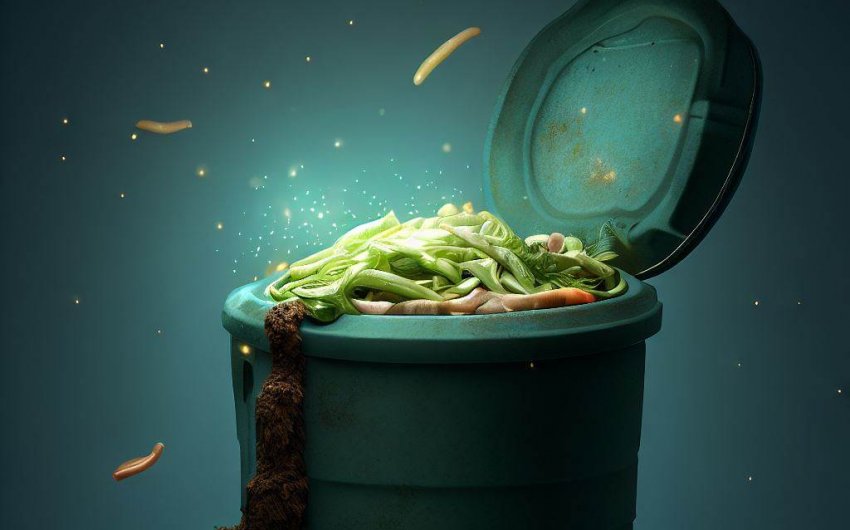
Busting composting myths is essential to separating fact from fiction, simplifying the process, and encouraging more gardeners to embrace this sustainable practice. By clarifying common misunderstandings about what can be composted, compost odors, and process complexity, you can achieve nutrient-rich compost more effectively.
Why do composting myths persist and hinder gardeners?
Composting, while a centuries-old and incredibly beneficial practice, is often surrounded by misinformation and outdated advice. These persistent composting myths can intimidate new gardeners, lead to unnecessary worry, or deter people from starting a compost pile altogether. Separating fact from fiction is crucial for simplifying the process, making it accessible to everyone, and ensuring successful, odor-free decomposition.
What are the common misconceptions about composting?
Many common beliefs about composting are simply not true, or are exaggerated to the point of being misleading.
- "Composting is complicated and time-consuming." Many people believe you need a precise formula, constant turning, and special equipment, which makes them hesitate to start.
- "Compost piles always stink." The fear of unpleasant odors is a major deterrent for urban and suburban gardeners.
- "You can't compost [X food scrap]." Certain food items are commonly believed to be off-limits, even when they can be composted safely in a well-managed pile.
- "Compost needs to get super hot to work." While hot composting is fast, it's not the only way to make good compost.
- "Compost attracts pests and rodents." Many fear that a compost pile will become a magnet for unwanted critters.
- "Composting kills all weed seeds and pathogens." This is true for hot composting, but not always for slower methods.
- "Compost makes soil too acidic (or too alkaline)." There are specific concerns about how compost affects soil pH.
Why does busting these myths matter for gardeners?
Clearing up these misunderstandings empowers gardeners and benefits the environment.
- Encourages Participation: By demystifying the process, more people are likely to start composting, diverting valuable organic waste from landfills.
- Reduces Food Waste: Composting is a key strategy for reducing household food waste, a significant contributor to greenhouse gas emissions.
- Improves Garden Soil: Compost is "black gold" for gardens, improving soil structure, fertility, and microbial life. Busting myths allows more gardeners to enjoy these benefits.
- Saves Money: Making your own compost reduces the need to buy synthetic fertilizers or bagged soil amendments.
- Builds Confidence: Success in composting can build confidence in other gardening endeavors.
- Promotes Sustainability: Composting is a cornerstone of sustainable living and gardening practices.
By shedding light on the truth behind these common composting myths, we can make this valuable practice more accessible, enjoyable, and effective for everyone.
Do compost piles have to smell bad?
Absolutely not! One of the most persistent and misleading composting myths is that compost piles inevitably produce foul odors. In reality, a properly managed compost pile should have a pleasant, earthy aroma, similar to fresh soil after a rain. Any strong, unpleasant smell is a clear indicator that something is out of balance.
What causes a compost pile to smell bad?
Foul odors in a compost pile are not normal; they are symptoms of specific imbalances that are easily corrected.
- Lack of Oxygen (Anaerobic Conditions): This is the number one cause of bad smells (like rotten eggs or sewage). When a compost pile becomes too wet and compacted, or isn't turned regularly, oxygen is depleted. This leads to anaerobic bacteria thriving, which produce sulfurous and ammoniacal compounds.
- Too Wet: Excess moisture fills all the air pockets.
- Too Compacted: Dense materials (like grass clippings) form layers that restrict airflow.
- Too Much "Green" Material: An imbalance in the carbon-to-nitrogen (C:N) ratio, specifically too much nitrogen-rich "green" material (like fresh grass clippings, food scraps) without enough "brown" (carbon-rich) material, can lead to a strong, ammonia-like odor.
- Nitrogen breaks down quickly, creating ammonia gas without enough carbon to balance it.
- Composting Inappropriate Materials: Certain materials should generally be avoided in backyard compost piles because they break down slowly, attract pests, and are prone to creating foul odors.
- Meat, Bones, Dairy Products, Oily Foods: These decompose slowly, attract pests (rodents, flies), and produce putrid odors as they rot.
- Pet Waste: Can contain harmful pathogens and is not recommended for home composting where the compost will be used on food crops.
How do I prevent and fix a smelly compost pile?
Preventing and fixing odors is all about maintaining the right balance of air, moisture, and materials.
- Ensure Good Airflow (Turn Regularly):
- Prevention: Turn your compost pile regularly, ideally once a week or every two weeks, to introduce oxygen. Use a pitchfork, shovel, or a compost aerator tool for easy aeration.
- Fix: If your pile smells, turn it thoroughly, mixing compacted areas.
- Achieve the Right Moisture Level:
- Prevention: Keep the compost pile consistently moist, like a wrung-out sponge. Not dripping wet, not bone dry.
- Fix (Too Wet): If soggy, add more dry "brown" materials (dried leaves, shredded newspaper, sawdust) and turn the pile well to absorb excess moisture. Elevate the pile slightly to improve drainage if necessary.
- Fix (Too Dry): If it's too dry, decomposition will slow down. Add water gradually while turning until it reaches the wrung-out sponge consistency.
- Balance "Greens" and "Browns":
- Prevention: Aim for a C:N ratio of approximately 25:1 to 30:1. This roughly translates to 2-3 parts brown material (by volume) to 1 part green material.
- Fix (Ammonia Smell - Too Many Greens): Add a significant amount of dry "brown" materials (dried leaves, straw, shredded cardboard) and turn the pile.
- Fix (No Smell/Slow Decomposition - Too Many Browns): Add more "green" material (fresh grass clippings, food scraps, spent coffee grounds).
- Chop Materials: Smaller pieces decompose faster and are less likely to form dense, anaerobic clumps. Chop large food scraps or shred yard waste.
- Only Compost Appropriate Materials: Stick to plant-based food scraps, yard waste, and other recommended materials. Avoid meat, dairy, and oily foods in backyard piles.
- Cover the Pile: A simple cover (tarp, lid) can help regulate moisture and contain some odors, but primarily it's about internal balance.
A healthy compost pile is an active compost pile, and an active compost pile smells earthy and pleasant. Don't let the myth of a smelly heap deter you from this incredibly valuable gardening practice.
Do I need special equipment for composting?
The belief that composting requires expensive, specialized equipment is another common myth that deters many aspiring composters. In reality, you can start composting with very little (or even no) specialized gear, relying on simple methods and common household items. The key is to understand the process, not to buy fancy gadgets.
What are the basic requirements for a compost pile, not equipment?
The fundamental needs of a compost pile are simple, relying on nature's processes.
- Organic Materials: A mix of "greens" (nitrogen-rich, like food scraps, grass clippings) and "browns" (carbon-rich, like dried leaves, shredded paper).
- Moisture: Consistent dampness, like a wrung-out sponge.
- Oxygen: Needs to be well-aerated to support aerobic decomposition.
- Microbes: The unseen workforce of bacteria, fungi, and other microorganisms that break down organic matter. These are naturally present in your garden soil and on all organic materials.
- Time: Decomposition takes time, whether it's fast (hot composting) or slow (cold composting).
What minimal "equipment" do I actually need?
You might be surprised at how little you truly need to get started.
- A Container (Optional, but helpful):
- Compost Bin: While not strictly necessary (you can make an open pile), a bin helps contain the pile, keep it tidy, and often assists in moisture retention and heat generation.
- DIY Bins: You can easily make a bin from old pallets, chicken wire, hardware cloth, or even repurpose plastic trash cans (with drilled holes for aeration).
- Store-Bought Bins: Tumbler composters (for easy turning) or static bins (like Earth Machine) are popular but not essential.
- Worm Bin (Vermicomposting): For indoor composting of food scraps, a simple worm bin (often multi-tiered plastic bins) can be purchased or easily made.
- Compost Bin: While not strictly necessary (you can make an open pile), a bin helps contain the pile, keep it tidy, and often assists in moisture retention and heat generation.
- A Tool for Turning/Aerating:
- Pitchfork or Shovel: Most common garden tools work perfectly well for turning and mixing a compost pile.
- Compost Aerator Tool: A specialized tool that can be plunged into the pile and pulled up to create air pockets, making aeration easier for some. A quality compost aerator tool can be a good investment.
- A Water Source: A garden hose or watering can to moisten the pile when it gets too dry.
- A Collection Container: A small bucket or countertop bin for collecting kitchen scraps between trips to the main compost pile.
What advanced or "specialized" equipment is NOT necessary for beginners?
Don't fall for the marketing hype around items that are often unnecessary for the average home composter.
- Compost Thermometer: While useful for hot composting (to monitor temperatures for killing weed seeds and pathogens), it's not needed for slower, cold composting methods. Most home composters are doing cold composting.
- Fancy Tumblers: While convenient for turning, a pitchfork or aerator tool works just fine for static piles, often yielding equally good compost. Tumblers can also dry out quickly or become too heavy when full.
- Compost Activators/Starters: You don't need to buy special "activators" or "starters." The microbes needed for decomposition are naturally present in your soil, on organic materials, and in the air. A handful of finished compost or garden soil can be added to a new pile to introduce a starter culture if desired, but it's not strictly necessary.
- Shredders/Chippers: While shredding yard waste (branches, leaves) can speed up decomposition, it's not a requirement. Smaller pieces do break down faster, but larger pieces will eventually decompose in a cold compost pile; it just takes longer.
The truth is, composting is fundamentally a natural process. Your biggest "investment" will be consistent effort in providing a balanced mix of materials, adequate moisture, and oxygen. The success of your compost comes from understanding these basics, not from the price tag of your equipment.
What materials can and cannot be composted?
The question of "what can I compost?" is perhaps the most frequent source of myths and confusion. Understanding which materials are safe and beneficial, and which should be strictly avoided in a home compost pile, is crucial for preventing odors, attracting pests, and ensuring a healthy, usable end product.
What are the "green" materials (nitrogen-rich) I can compost?
"Green" materials are typically fresh, moist, and high in nitrogen, acting as the "fuel" for microbial activity.
- Fruit and Vegetable Scraps: Almost all raw fruit and vegetable peelings, cores, wilted produce, etc. are excellent.
- Exception: Avoid large quantities of citrus peels in worm bins, as they can be too acidic.
- Coffee Grounds: As discussed, a valuable source of nitrogen and micronutrients, nearly pH neutral when used.
- Can include paper filters.
- Tea Bags: (Remove staples if plastic-coated, avoid synthetic tea bags)
- Fresh Grass Clippings: Use in moderation; too much at once can compact and become anaerobic. Mix with browns.
- Spent Cut Flowers: Non-woody stems and petals.
- Green Leaves (from pruning): From garden plants.
- Manure (Herbivore): From cows, horses, chickens, rabbits, etc. (Avoid pet waste from cats/dogs due to pathogens).
What are the "brown" materials (carbon-rich) I can compost?
"Brown" materials are typically dry, fibrous, and high in carbon, providing structure and balancing the nitrogen.
- Dried Leaves: An excellent, abundant source of carbon. Shredding them speeds decomposition.
- Straw and Hay: (Ensure it's not treated with persistent herbicides).
- Wood Chips and Sawdust: Use in moderation, as they decompose slowly. Best in smaller quantities.
- Shredded Newspaper and Cardboard: (Avoid glossy or heavily dyed paper). Tear into small pieces.
- Paper Towels and Napkins: (If not heavily soiled with oils/grease).
- Pine Needles: Adds acidity, which can be beneficial for certain plants in the garden.
- Corn Stalks and Cobs: Break into smaller pieces.
- Cotton Rags/Denim: Shredded into small pieces (if 100% cotton).
What materials should I NEVER compost in a backyard pile?
These items are universally recommended to avoid in home compost piles for safety and practical reasons.
- Meat, Fish, Bones, Poultry: Attract rodents, flies, and other pests; break down slowly; produce foul odors; and can harbor harmful pathogens.
- Dairy Products (Milk, Cheese, Yogurt, Butter): Attract pests and produce strong odors.
- Oils, Grease, Fat: Attract pests, break down slowly, and can create greasy, anaerobic layers.
- Pet Waste (Dog and Cat Feces): Can contain harmful human pathogens (e.g., toxoplasmosis), parasites, and bacteria that home compost piles typically don't get hot enough to kill.
- Diseased Plants: Can spread pathogens to your finished compost and back into your garden.
- Weeds with Mature Seeds: If your compost pile doesn't reach high temperatures, weed seeds may survive and germinate when you use the compost.
- Perennial Weeds (with roots/rhizomes): Can resprout in your compost pile.
- Chemically Treated Wood or Lumber: Can contain harmful chemicals (e.g., pressure-treated wood).
- Synthetic Materials: Plastics, synthetic fabrics, rubber, metal, glass, aluminum foil, styrofoam. They don't decompose.
- Coal Ash or Charcoal Briquettes: Can contain heavy metals or other harmful substances. Wood ash from untreated wood is generally acceptable in small quantities.
- Large Amounts of Citrus Peels: Can attract pests and potentially slow down decomposition in some piles due to oils, though small amounts are usually fine.
What about composting specific items (myth vs. fact)?
Let's clarify some common specific item myths.
- "You can't compost citrus peels." FICTION (mostly): Small amounts are generally fine in a larger, active pile. They're technically "green" material. Avoid excessive amounts in small worm bins.
- "You can't compost coffee grounds because they're too acidic." FICTION: As discussed, used coffee grounds are nearly pH neutral.
- "You can't compost newspapers/cardboard." FICTION: Shredded plain newspaper (black and white) and unbleached cardboard are excellent "brown" materials. Avoid glossy or heavily inked sections.
- "You can't compost sawdust." FACT (with caution): Sawdust is very high in carbon and can tie up nitrogen if added in large quantities. Use in moderation and balance with extra green material. Avoid sawdust from treated wood.
- "You can't compost eggshells." FICTION: Eggshells are an excellent source of calcium. Crush them first to help them break down faster. They're considered a "brown."
By carefully selecting appropriate materials, you contribute to a clean, active, and nutrient-rich compost pile that will greatly benefit your garden without inviting unwanted problems.
Does compost attract pests and rodents?
The fear that a compost pile will attract unwanted critters like rodents, flies, and other pests is a significant and common composting myth. While an improperly managed pile certainly can become a nuisance, a well-maintained compost bin should attract beneficial organisms (like earthworms and beneficial insects) without inviting problematic pests.
What attracts pests to compost piles?
Pests are attracted to specific conditions, which are usually a sign of an unbalanced compost pile.
- Inappropriate Materials: The primary attractant.
- Meat, Dairy, Cooked Foods, Fats/Oils: These are highly palatable to rodents, flies, raccoons, and other scavengers. They also break down slowly and produce foul odors.
- Strong Odors: A smelly compost pile (due to being too wet or too many greens) will attract flies, maggots, and other insects searching for decaying matter.
- Exposed Food Scraps: If food scraps are left uncovered on the top of the pile, they are an easy target for flies, birds, and rodents.
- Pile Close to Buildings: Placing an accessible compost pile too close to your house or shed gives pests easy access to your structures.
- Lack of Containment: An open, unmanaged heap can be more inviting for pests than a contained bin.
How do I prevent pests from entering my compost pile?
Preventing pests is all about good management and containment.
- Do NOT Compost Inappropriate Materials: This is the most important step. Strictly avoid adding meat, bones, dairy, oils, fats, and cooked foods (especially meat-based or heavily oiled dishes) to your backyard compost pile. For these items, consider a specialized sealed digester or municipal composting programs.
- Bury Food Scraps: Whenever you add fresh food scraps, especially fruit and vegetable waste, make sure to bury them deeply (at least 6-8 inches) within the pile. Cover them with a layer of "brown" material (dried leaves, straw) or finished compost. This hides them from flies and rodents.
- Balance "Greens" and "Browns": As discussed, a balanced C:N ratio prevents foul odors, which are a major pest attractant. Ensure your pile is well-aerated and not too wet.
- Use a Pest-Resistant Bin:
- Enclosed Bins: A closed compost bin with a secure lid and solid sides is generally more pest-resistant than an open heap.
- Hardware Cloth: If using a DIY bin (e.g., from pallets), line it with 1/4-inch hardware cloth to prevent rodents from chewing their way in.
- Elevate or Secure Base: Some bins have open bottoms. If rodents are a concern, line the bottom with hardware cloth or place the bin on a paved surface.
- Location: Place your compost pile away from your house, sheds, and pet areas. A sunny spot is also good, as pests prefer dark, damp places.
- Turn Regularly: An active, frequently turned compost pile is less appealing to pests because the decomposition process is too hot and dynamic for them to establish themselves.
- Keep Area Tidy: Clear away any spilled food scraps or compost material around the bin.
What beneficial organisms are attracted to a healthy compost pile?
A healthy compost pile should be teeming with beneficial life, not pests.
- Earthworms: These are a composter's best friends! They aerate the pile, break down organic matter, and excrete nutrient-rich castings. Coffee grounds are particularly attractive to earthworms.
- Microorganisms: Billions of bacteria, fungi, protozoa, and actinomycetes are the primary decomposers, doing the invisible work of breaking down organic matter.
- Other Beneficial Invertebrates: Sow bugs, millipedes, centipedes, springtails, and various beetles all play a role in breaking down organic material. These are harmless and part of the natural process.
- Beneficial Insects: Some predatory insects may be attracted to the compost to hunt other smaller invertebrates, which is a good sign of a balanced ecosystem.
By adhering to best practices and avoiding prohibited materials, you can effectively bust the myth of the pest-ridden compost pile and enjoy a healthy, active composting system that benefits your garden without attracting unwanted guests.
Is hot composting necessary, and does compost kill weed seeds and pathogens?
These are two related composting myths, often leading to confusion. While hot composting (reaching high temperatures) is indeed highly effective at killing weed seeds and pathogens, it's not the only way to make good compost, and cold composting has different results. Understanding the distinction clarifies what you can expect from your compost pile.
Is hot composting truly necessary?
No, hot composting is not strictly necessary to make good compost. It simply achieves decomposition faster and with specific benefits.
- Hot Composting (Fast Composting):
- Process: Achieved by carefully balancing greens (nitrogen), browns (carbon), moisture, and oxygen, allowing microbial activity to raise the internal temperature of the pile to 130-160°F (55-71°C) for several days. This requires a large pile (at least 3x3x3 feet), regular turning, and careful monitoring.
- Benefits: Rapid decomposition (weeks to months), kills most weed seeds, and kills most plant pathogens.
- Cold Composting (Slow Composting):
- Process: Simply piling up organic materials and letting nature take its course over a longer period (6 months to 2 years) with less active management (less turning, no specific temperature monitoring). The pile may warm up slightly but rarely reaches sustained high temperatures.
- Benefits: Requires minimal effort, still produces good compost.
- Drawbacks: Slower decomposition, does not consistently kill weed seeds or pathogens.
- Your Choice: For most home gardeners, cold composting is perfectly acceptable and often more practical. You still get valuable soil amendment; you just need to be mindful of what you put in.
Does compost kill all weed seeds and plant pathogens?
No, not always. This is a critical distinction based on whether you achieve hot composting or cold composting.
- Hot Composting (FACT): A properly managed hot compost pile that reaches and sustains temperatures of 130-160°F (55-71°C) for several days (with regular turning to ensure all material gets to the hot center) will kill most weed seeds and plant pathogens. This is why commercial compost is often certified weed- and pathogen-free.
- Cold Composting (FICTION): In a cold compost pile, temperatures rarely get high enough to reliably kill weed seeds or most plant pathogens.
- Weed Seeds: Weed seeds, especially those with hard coats, can easily survive cold composting and germinate when the compost is used in the garden.
- Plant Pathogens: Many common plant disease pathogens (e.g., fungal spores, bacterial blights) can also survive and remain viable in cold compost, potentially spreading disease back to your garden.
- Myth Busting Implication: This means if you are only doing cold composting, you should be cautious about adding:
- Weeds with mature seeds: Unless you are absolutely sure your pile gets hot enough, avoid adding weeds that have already gone to seed.
- Diseased plants: To avoid spreading disease, do not add any plants showing signs of fungal, bacterial, or viral infections to a cold compost pile. Dispose of them separately.
What is the effect of compost on soil pH?
Another common misconception is that compost drastically alters soil pH.
- Compost is pH Neutral (Generally): Finished compost, regardless of the initial pH of its components (e.g., coffee grounds are slightly acidic, wood ash is alkaline), tends to be near-neutral in pH (6.5 to 7.5).
- Buffering Capacity: Compost acts as a powerful pH buffer. It helps to stabilize extreme soil pH values, bringing very acidic soils up and very alkaline soils down towards a more neutral, optimal range for most plants.
- Myth Busting Implication: You should not rely on compost alone to significantly change the pH of your garden soil. While it provides beneficial organic matter and nutrients, if you need a dramatic pH shift (e.g., for acid-loving blueberries in alkaline soil), you'll need to use dedicated soil amendments like elemental sulfur or garden lime in addition to compost.
By understanding that hot composting is an option (not a requirement) and that cold compost does not guarantee the destruction of weed seeds and pathogens, you can manage your compost pile more realistically and effectively, making informed decisions about what materials to include for the health of your garden.