
Composting with Coffee Grounds: Boost Your Garden’s Growth Naturally
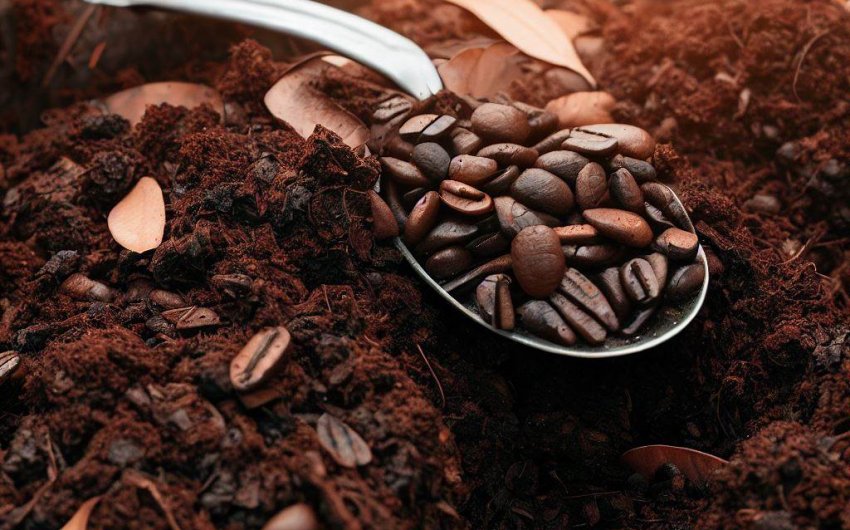
Composting with coffee grounds can naturally boost your garden's growth by adding valuable nitrogen, improving soil structure, and supporting beneficial microbial activity. Integrate them as a "green" ingredient (high in nitrogen) into a balanced compost pile to enhance its richness and accelerate decomposition.
Why are coffee grounds a valuable addition to your compost pile?
Coffee grounds, often overlooked as waste, are a surprisingly rich and beneficial organic material for composting. Far from being just discarded waste, they offer a treasure trove of nutrients and properties that can significantly enhance the quality of your compost, which in turn naturally boosts your garden's growth. Their inclusion helps create a more balanced, nutrient-dense compost that benefits soil structure and microbial life.
What nutrients do coffee grounds add to compost and soil?
Coffee grounds are much more than just used coffee. They are a valuable source of essential plant nutrients.
- Nitrogen (N): This is their most significant contribution. Used coffee grounds have an average carbon-to-nitrogen (C:N) ratio of approximately 20:1 to 25:1, which classifies them as a "green" or nitrogen-rich ingredient in composting terms. Nitrogen is crucial for leafy green growth in plants.
- Phosphorus (P): While in smaller amounts than nitrogen, coffee grounds also provide some phosphorus, which is vital for root development, flowering, and fruiting.
- Potassium (K): They contribute potassium, an essential nutrient for overall plant vigor, disease resistance, and water regulation.
- Micronutrients: Coffee grounds also contain various essential micronutrients, including copper, magnesium, calcium, and boron, all of which are important for plant health.
- Slow Release: The nutrients in coffee grounds are generally released slowly as they decompose, providing a steady supply to plants over time rather than a sudden flush.
Do coffee grounds make compost acidic?
This is a common misconception about coffee grounds in composting.
- Used Coffee Grounds are Nearly pH Neutral: While fresh coffee beans are acidic, the brewing process extracts most of the acids into your coffee cup. The used coffee grounds themselves are nearly pH neutral, typically ranging from 6.5 to 6.8.
- Compost Neutralizes pH: When integrated into a well-managed compost pile, any slight residual acidity from the grounds is quickly buffered by other materials and the microbial decomposition process. The final compost product will usually have a neutral to slightly alkaline pH, regardless of the initial pH of the coffee grounds.
- Direct Application vs. Composting: It's only when very large quantities of fresh coffee grounds are applied directly to the soil that you might see a temporary, minor acidification effect. However, for most home gardeners, this is not a concern, especially when composting them.
What other benefits do coffee grounds offer for compost?
Beyond nutrients, coffee grounds bring several other valuable properties to the composting process.
- Excellent "Green" Material: Their ideal C:N ratio makes them a perfect "green" ingredient, balancing out carbon-rich "brown" materials (like dried leaves or wood chips) and accelerating the decomposition process.
- Improves Compost Texture: They add fine, gritty texture to compost, helping to prevent clumping and improve aeration within the pile.
- Moisture Retention: Coffee grounds retain moisture well, which is beneficial for keeping the compost pile active and preventing it from drying out too quickly.
- Attracts Earthworms: Earthworms are often attracted to coffee grounds in compost and soil. Earthworms are vital decomposers and their castings are incredibly beneficial for soil fertility.
- Odor Control (Minor): Their aromatic nature can sometimes help mask unpleasant odors in a compost pile, though this is a minor benefit.
- Waste Diversion: Using coffee grounds in compost diverts them from landfills, contributing to a more sustainable household and garden.
By recognizing the rich nutritional content and beneficial physical properties of coffee grounds, you can effectively integrate them into your composting routine to create a superior product for your garden.
How do I effectively add coffee grounds to my compost pile?
Adding coffee grounds to your compost pile effectively involves understanding their role as a "green" ingredient and integrating them properly to maintain a balanced, active composting environment. This ensures efficient decomposition and avoids potential issues.
What is the ideal ratio for coffee grounds in compost?
Maintaining a balanced carbon-to-nitrogen (C:N) ratio is crucial for an efficient compost pile.
- "Green" Material: Used coffee grounds are considered a "green" (nitrogen-rich) material, with an average C:N ratio of 20:1 to 25:1.
- Balance with "Brown" Materials: Aim for a total compost pile C:N ratio of approximately 25:1 to 30:1. This means you need to balance coffee grounds with plenty of "brown" (carbon-rich) materials like:
- Dried leaves
- Straw
- Wood chips or sawdust
- Shredded newspaper or cardboard
- General Guideline: A good rule of thumb is to have a volume ratio of roughly 2-3 parts brown material to 1 part green material. So, for every bucket of coffee grounds, you might add 2-3 buckets of dried leaves.
- Avoid Overwhelming: Do not let coffee grounds dominate your pile. If you add too much nitrogen-rich material without enough browns, the pile can become dense, smelly, and slow to decompose.
How should I prepare coffee grounds before adding them?
Minimal preparation is needed, but proper aeration is beneficial.
- Just Add Them: For most home composters, simply collecting used coffee grounds from your coffee maker and adding them to the pile is sufficient.
- Spread Them Out (Avoid Clumping): Coffee grounds can be quite dense and compact, especially when wet. When adding them to the pile, spread them out thinly rather than dumping them in a large clump. This helps prevent them from forming dense, anaerobic (oxygen-deprived) pockets that can slow decomposition and create odors.
- Mix with Browns: Ideally, layer or mix coffee grounds directly with some dry "brown" materials. This helps aerate them and provides the necessary carbon for decomposition.
- Filter Paper (Optional): If you use paper coffee filters, you can compost those too, as they are a brown (carbon) material. Just tear them into smaller pieces.
What are common mistakes to avoid when composting coffee grounds?
Avoiding these pitfalls ensures a healthy, active compost pile.
- Adding Too Much at Once: Dumping huge quantities of coffee grounds (e.g., collecting them from a coffee shop and adding them all at once) can upset the C:N balance, lead to compaction, and create an anaerobic, smelly pile.
- Solution: Integrate them gradually, mixing thoroughly with brown materials. If you have a large quantity, spread them in thin layers.
- Adding Only Coffee Grounds: Composting only coffee grounds (or mostly coffee grounds) will result in a nitrogen-heavy, dense, and potentially smelly pile that decomposes poorly.
- Solution: Always balance with a much larger volume of brown materials.
- Not Turning the Pile: Coffee grounds' dense nature means they can compact if not turned regularly, leading to anaerobic conditions.
- Solution: Turn your compost pile regularly (weekly to bi-weekly) to introduce oxygen and mix materials thoroughly. A compost aerator tool can make this easier.
- Adding Coffee Filter K-Cups: Do not add K-Cups or other single-serve coffee pods made from plastic to your compost pile, as they are not compostable. Only paper filters are acceptable.
- Adding Sugar or Cream: Avoid adding coffee grounds that still have significant amounts of sugar, cream, or artificial sweeteners, as these can attract pests and slow down decomposition. A few drops of residual coffee in the grounds are fine.
By understanding the C:N balance, preparing grounds appropriately, and avoiding common mistakes, you can effectively integrate coffee grounds into your compost pile, enriching it with valuable nutrients and accelerating the decomposition process.
How does coffee ground compost boost your garden's growth?
Once your coffee ground-enriched compost is ready, its benefits extend directly to your garden plants, naturally enhancing growth and improving soil health in multiple ways. This rich, organic amendment transforms tired soil into a thriving environment.
How does coffee compost improve soil structure and health?
Compost, especially that with added coffee grounds, is a powerhouse for building healthy soil.
- Enhances Soil Structure: Compost adds humus, a stable form of organic matter that:
- Improves Drainage: In heavy clay soils, it physically separates clay particles, creating larger pore spaces for better water percolation and aeration.
- Increases Water Retention: In sandy soils, it acts like a sponge, improving the soil's ability to hold moisture, reducing watering needs.
- Reduces Compaction: Makes soil more friable and easier to work, allowing roots to penetrate more easily.
- Feeds Soil Microbes: Compost is teeming with beneficial bacteria, fungi, and other microorganisms. Coffee grounds specifically contain residual sugars and compounds that further feed these microbes, which are essential for:
- Nutrient Cycling: Breaking down organic matter and making nutrients available to plants.
- Disease Suppression: Healthy microbial populations can outcompete and suppress harmful soil-borne pathogens.
- Buffers pH: Finished compost generally has a near-neutral pH (6.5-7.5), which helps to buffer extreme soil pH levels, bringing them closer to the ideal range for most plants.
- Aeration: The granular texture of coffee grounds helps keep compost (and thus soil) airy, providing crucial oxygen to plant roots.
What nutrients does coffee compost provide to plants?
The nutrient profile of coffee grounds, concentrated through composting, offers a slow-release feed for plants.
- Nitrogen (N): As a nitrogen-rich "green" material, coffee grounds contribute nitrogen to the finished compost, which is essential for lush, green, leafy growth.
- Phosphorus (P): Provides phosphorus for strong root development, flowering, and fruiting.
- Potassium (K): Supplies potassium for overall plant vigor, disease resistance, and water regulation.
- Micronutrients: The compost also delivers a range of essential micronutrients (magnesium, calcium, copper, boron) that might be lacking in synthetic fertilizers.
- Slow-Release Fertility: The nutrients in compost, derived from coffee grounds and other organic materials, are released slowly over time as microbes continue to break down the organic matter. This provides a steady, gentle feed for plants, reducing the risk of nutrient burn and promoting sustained growth.
- Increases Cation Exchange Capacity (CEC): Humus increases the soil's ability to hold onto positively charged nutrient ions (like calcium, magnesium, potassium) and prevent them from leaching away, making them available to plant roots.
Are there any specific plants that especially benefit from coffee compost?
While almost all plants benefit from compost, some particularly appreciate the qualities contributed by coffee grounds.
- Nitrogen-Loving Plants: Vegetables that produce a lot of leafy green growth particularly appreciate the nitrogen boost:
- Lettuce and Spinach
- Kale and Collards
- Cabbage and Broccoli
- Corn
- Acid-Loving Plants (Indirectly): While finished compost is generally neutral, the addition of organic matter (including peat if used in the mix) and the slow release of certain nutrients can indirectly support acid-loving plants over time by creating a healthier soil environment. However, direct application of composted coffee grounds will not significantly lower pH. For truly acid-loving plants like blueberries, azaleas, or rhododendrons, focus on dedicated acidifying amendments (like elemental sulfur) in addition to compost.
- Heavy Feeders: Many fruiting vegetables that require abundant nutrients to support fruit development also thrive with rich compost:
- Tomatoes and Peppers
- Squash and Cucumbers
- Flowering Plants: Improved soil structure and a steady supply of nutrients contribute to stronger, more prolific flowering.
By enriching your garden beds and container mixes with coffee ground-boosted compost, you provide a natural, holistic approach to feeding your plants, improving soil vitality, and ultimately achieving a thriving, productive garden.
How do I apply coffee ground compost to my garden?
Applying coffee ground-enriched compost correctly ensures your plants receive maximum benefit without any adverse effects. The method of application will vary depending on whether you're starting new plants, feeding existing ones, or preparing garden beds.
How do I apply compost to garden beds?
For in-ground garden beds, compost is best applied as a top-dressing or incorporated into the soil.
- Top-Dressing: This is the easiest and most common method.
- Timing: Apply in early spring before new growth begins, or in late fall after plants have died back or been harvested.
- Technique: Spread a 1-3 inch layer of finished compost evenly over the surface of your garden beds.
- Benefits: This slowly releases nutrients as rain and watering carry them into the soil, improves soil structure, conserves moisture, and suppresses weeds. You can gently rake it in or leave it on the surface.
- Incorporating into Soil (New Beds): When establishing a new garden bed or before planting a new crop, you can physically mix compost into the top layer of soil.
- Technique: Spread a 2-4 inch layer of compost over the bed and work it into the top 6-12 inches of existing soil using a garden fork or spade.
- Benefits: Provides an immediate boost of nutrients and significantly improves soil structure.
How do I use compost for new plantings and containers?
Compost is an excellent amendment for starting seeds, transplanting, and enriching container mixes.
- Seed Starting (Component): While not used as 100% seed-starting mix, a small amount (e.g., 10-20% by volume) of fine, well-sieved compost can be added to a sterile seed-starting mix.
- Benefits: Provides gentle nutrients for seedlings.
- Transplanting Seedlings/Plants: When transplanting seedlings or new plants into the garden, mix compost into the backfill soil for the planting hole (e.g., 1 part compost to 2-3 parts native soil).
- Benefits: Gives new plants a nutrient boost and helps them establish.
- Container Gardening: Compost is an invaluable ingredient for container mixes.
- Technique: Mix finished compost into your standard potting mix at a ratio of 1 part compost to 3-4 parts potting mix.
- Benefits: Improves water retention, provides slow-release nutrients, and enhances microbial activity, making containers more resilient. A good organic potting mix like Foxfarm Ocean Forest Potting Soil can also be further enhanced with compost.
- Top-Dressing: For established container plants, a thin layer of compost can be top-dressed on the soil surface once or twice a season.
How can I use compost as a liquid feed or "compost tea"?
Compost can also be used to create a liquid fertilizer.
- Compost Tea: This is a liquid extract made from steeping compost in water.
- Place a small amount of finished compost (e.g., 1-2 cups) into a permeable bag (burlap sack, old pillowcase).
- Suspend the bag in a bucket of water (rainwater or dechlorinated tap water) for 1-3 days. Aerating the water with an aquarium pump can enhance beneficial microbial activity.
- The resulting "tea" is a mild, nutrient-rich liquid.
- Application: Use diluted compost tea to water plants (especially seedlings or young plants) or as a foliar spray.
- Benefits: Provides a gentle nutrient boost, stimulates microbial life on leaves and in the soil, and may offer some disease-suppressing properties.
What are common mistakes to avoid when applying compost?
Even good compost can cause issues if misused.
- Applying Unfinished Compost: Always use finished, mature compost. Unfinished compost can "steal" nitrogen from plants as it continues to decompose, or it can contain pathogens or weed seeds.
- Too Much at Once: While valuable, too much compost (especially if very rich) can sometimes lead to excessive nutrient levels or alter soil structure too drastically. A few inches at a time is usually sufficient.
- Direct Contact with Stems/Trunks: Avoid piling compost directly against the stems of plants or trunks of trees. This can trap moisture, leading to rot or disease.
- Using Compost as Sole Potting Mix: While a great amendment, compost alone is generally too dense and retains too much moisture to be used as 100% potting mix, especially for containers. It's best used as a component.
By understanding these application techniques and avoiding common mistakes, you can effectively utilize coffee ground-boosted compost to naturally enhance your garden's growth, leading to healthier soil and more vibrant plants.