
How to Fix Grainy Blueberries and Maximize Your Harvest Yield?
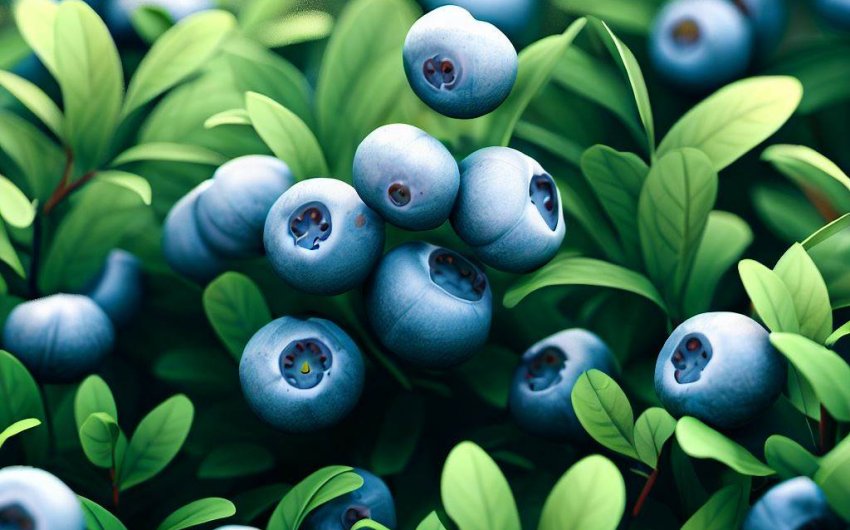
To fix grainy blueberries and maximize your harvest yield, ensure optimal soil acidity (pH 4.5-5.5), provide consistent, adequate watering, and allow berries to fully ripen on the bush before harvesting. Proper pruning, pollination, and nutrition also play crucial roles in developing flavorful, plump, and abundant berries.
What causes grainy blueberries and why is it a problem?
Grainy blueberries, characterized by a mealy or gritty texture instead of the desirable juicy and plump mouthfeel, are a frustrating problem for home gardeners. This undesirable quality often indicates that the berries did not develop properly on the bush, primarily due to factors related to ripening, moisture, or underlying plant health issues. Such a problem diminishes the joy of a fresh harvest and can impact the usability of the fruit for cooking and baking.
What causes blueberries to develop a grainy texture?
Several factors contribute to blueberries becoming grainy, most of which are environmental or related to harvesting practices.
- Under-ripeness: This is the most common cause. Blueberries typically turn blue before they are fully ripe. If harvested too early, the fruit's cells haven't fully expanded and developed their sugars and juices, resulting in a tart, firm, and grainy texture. The enzymes responsible for softening the fruit also haven't completed their work.
- Inconsistent Watering: Erratic watering during fruit development can severely impact berry quality.
- Insufficient Water: Prolonged periods of drought or inadequate moisture can prevent berries from fully plumping up, leading to a dry, mealy, and grainy texture.
- Sudden Changes: Drastic fluctuations from dry to wet conditions can stress the plant and affect cell development within the fruit.
- High Temperatures During Ripening: Extremely hot weather during the final stages of ripening can cause berries to "cook" on the bush, or ripen too quickly. This rapid ripening can lead to a soft skin but a dry, grainy interior, as the plant struggles to supply enough moisture.
- Nutrient Imbalances (Less Common): While less direct, severe nutrient deficiencies (especially potassium, which is important for fruit quality) or an incorrect soil pH (which limits nutrient uptake) can indirectly stress the plant and affect berry development, potentially contributing to grainy texture.
- Over-fertilization: Too much nitrogen, especially during fruiting, can promote excessive leafy growth at the expense of fruit quality, sometimes leading to less flavorful or grainier berries.
- Poor Plant Health: A stressed plant (due to disease, pests, or poor overall care) will prioritize survival over fruit quality, often resulting in smaller, less juicy, and potentially grainier berries.
- Variety Selection: Some blueberry varieties may be inherently more prone to graininess under certain conditions, though this is less common than other factors.
Why is grainy texture a significant problem for harvest quality?
Grainy blueberries significantly diminish the enjoyment and utility of your harvest.
- Poor Eating Experience: The gritty, unappealing texture makes fresh eating less enjoyable, as it lacks the burst of juicy sweetness associated with ripe blueberries.
- Reduced Flavor: Grainy berries are often under-ripe and therefore lack the full, complex sweetness and tartness of perfectly ripe fruit.
- Limited Culinary Use: While they can sometimes be salvaged for baking where texture is less critical, their inferior flavor and mouthfeel mean they won't perform as well in jams, sauces, or smoothies.
- Waste of Effort: Investing time and care into growing blueberries only to yield a grainy harvest is discouraging and feels like a waste of gardening effort.
- Poor Storage: Grainy or improperly ripened berries often have a shorter shelf life and don't freeze as well as plump, juicy ones.
Addressing the causes of grainy blueberries is essential not only for taste but also for maximizing the overall satisfaction and usability of your hard-earned blueberry harvest.
How do I ensure proper ripening to fix grainy blueberries?
Proper ripening is the single most critical factor in preventing grainy blueberries and achieving that desirable juicy, sweet flavor. It's not just about color; it's about allowing the fruit to fully develop on the bush.
What are the true indicators of a fully ripe blueberry?
Blueberries can be deceiving. They often turn blue days before they are actually ripe.
- Color is Not Enough: While blue is good, wait beyond just the blue color.
- Waxy Bloom: A truly ripe blueberry will have a dull, powdery white or grayish coating on its skin, known as a waxy bloom (or pruina). This natural coating indicates maturity and helps protect the fruit. Under-ripe berries will appear shinier.
- Easy Detachment: A fully ripe blueberry will detach from the bush with a gentle roll of your fingers. If you have to tug or pull, it's not ready. This is the most reliable indicator.
- Flavor and Texture: Taste is the ultimate test. A ripe blueberry will be sweet, slightly tart, and burst with juice. Under-ripe berries will be tart, firm, and often grainy.
- Wait a Few Days After Turning Blue: As a general rule, once blueberries turn completely blue, wait another 3-5 days (or even a week, depending on variety and weather) before harvesting. This allows sugars to fully develop and the texture to soften.
Why is letting blueberries ripen fully on the bush so important?
The final days on the bush are crucial for converting starches to sugars and developing ideal texture.
- Sugar Development: During the last few days of ripening, the plant actively pumps sugars into the fruit. If picked too early, these sugars haven't fully formed, resulting in a bland or tart berry.
- Texture Softening: Enzymes within the fruit work to break down cell walls, softening the pulp and making it juicy. This process is incomplete in under-ripe fruit, leaving it firm and grainy.
- Flavor Volatiles: The complex aromatic compounds that give blueberries their characteristic flavor continue to develop during these final ripening days.
- Blueberries Don't Ripen After Picking: Unlike some fruits (like bananas or tomatoes), blueberries are non-climacteric, meaning they do not continue to significantly ripen or sweeten once picked from the bush. What you pick is what you get.
How does consistent harvesting promote better ripening?
Regular harvesting can actually contribute to better fruit quality.
- Reduces Plant Load: By picking ripe berries regularly, you reduce the overall fruit load on the bush. This allows the plant to redirect its energy, water, and nutrients to the remaining (and future) developing berries, promoting better sizing and ripening.
- Encourages New Blooms/Fruit Set: For some varieties, consistent harvesting can encourage the plant to produce more flowers and subsequently more fruit throughout the season.
- Prevents Over-ripening/Spoilage: While under-ripeness causes graininess, leaving berries on the bush for too long can lead to over-ripeness, softness, and attraction of pests like fruit flies. Regular harvesting strikes a balance.
- Timing: Aim to harvest blueberries every 2-3 days during peak season. This ensures you're picking at optimal ripeness and prevents over-ripening of older berries.
By patiently waiting for blueberries to fully ripen on the bush, indicated by easy detachment and a dusty bloom, you can effectively fix the problem of graininess and ensure a harvest of deliciously juicy and sweet berries.
How do soil and water impact blueberry texture and yield?
Soil conditions and watering practices are foundational to blueberry health, directly impacting fruit quality, including texture, and overall harvest yield. Blueberries have very specific requirements, and any deviation can lead to problems like graininess or reduced production.
Why is soil pH crucial for juicy blueberries?
Soil pH is perhaps the single most critical factor for blueberry cultivation.
- Nutrient Uptake: Blueberries are ericaceous plants, meaning they require highly acidic soil (pH between 4.5 and 5.5) to properly absorb essential nutrients, particularly iron and nitrogen.
- Chlorosis and Stunted Growth: If the soil pH is too high (above 6.0), nutrients become "locked up" and unavailable, even if present in the soil. This leads to iron chlorosis (yellowing leaves with green veins), stunted growth, and a generally unhealthy plant.
- Impact on Fruit: An unhealthy plant cannot produce high-quality fruit. Nutrient-starved bushes will yield smaller berries, reduced quantities, and may struggle to fully ripen, leading to graininess and poor flavor.
- Soil Testing: It's absolutely essential to perform a soil test before planting and periodically thereafter. Your local agricultural extension office can provide accurate analysis of your soil's pH and nutrient levels. A soil pH testing kit can also give you an at-home reading.
How do I amend soil to achieve ideal blueberry pH?
Achieving and maintaining the correct acidic pH is an ongoing process.
- Incorporate Acidic Organic Matter: When preparing your planting site, mix in generous amounts of sphagnum peat moss and/or composted pine bark fines/pine needles into the soil. These materials are naturally acidic and help lower pH while improving soil structure.
- Elemental Sulfur: For significantly alkaline soils, apply elemental sulfur. This is a slow-acting amendment, so it should be incorporated several months (or even a year) before planting to allow time for the pH to adjust. Follow product instructions carefully.
- Avoid Aluminum Sulfate: While it lowers pH, it can be toxic to blueberries if overused.
- Acidifying Fertilizers: Use fertilizers specifically formulated for acid-loving plants, which often contain ammonium sulfate (which acidifies the soil) rather than nitrate forms of nitrogen (which can raise pH).
- Top-Dressing: Annually, top-dress your blueberry plants with a layer of sphagnum peat moss or pine bark mulch to help maintain acidity as they break down.
- Water Quality: If your tap water is alkaline (high pH), it can slowly raise your soil pH over time. Consider using rainwater or distilled water for irrigation if your tap water is very hard.
Why is consistent watering critical for juicy berries?
Consistent and adequate moisture is essential for plump, juicy blueberries.
- Fruit Plumpness: Blueberries are composed primarily of water. During fruit development, consistent moisture allows the berries to fully expand and fill with juice, preventing a dry, grainy texture.
- Nutrient Uptake: Water acts as the transport system for nutrients. Without adequate water, even if nutrients are present, the plant cannot absorb them efficiently.
- Stress Prevention: Inconsistent watering (alternating between very dry and very wet) stresses the plant, which can lead to smaller berries, premature fruit drop, and poor quality fruit.
- Watering Technique:
- Deep and Consistent: Blueberries have shallow, fibrous root systems. Water deeply and regularly, especially during dry spells and peak fruiting. The soil should be consistently moist but never soggy.
- Mulch: A 2-4 inch layer of pine bark, pine needles, or shredded leaves around the base of the plants (keeping it away from the crown) is vital. Mulch conserves soil moisture, moderates soil temperature, and slowly acidifies the soil.
- Drip Irrigation/Soaker Hoses: These are highly efficient, delivering water directly to the root zone, minimizing evaporation, and keeping foliage dry (reducing disease risk).
By meticulously managing soil pH and ensuring consistent, adequate watering, you address two of the most fundamental needs of blueberries, paving the way for a harvest of plump, juicy, and high-quality fruit.
How do I prune and fertilize blueberries for maximum yield?
Proper pruning and precise fertilization are vital practices for maximizing both the quantity and quality of your blueberry harvest. These techniques ensure the plant's vigor, encourage new fruit-bearing wood, and provide the necessary nutrients for abundant, plump berries.
Why is pruning blueberry bushes essential for quality and yield?
Pruning blueberries is not just about shaping; it's a critical management tool that promotes fruit production and maintains plant health.
- Encourages New Growth: Blueberries produce the best fruit on vigorous, 1- to 3-year-old wood. Older wood (4+ years) becomes less productive. Pruning removes old, unproductive canes and stimulates the growth of new, fruitful wood.
- Maximizes Fruit Size and Quality: By removing excess or weak canes, the plant can direct more energy and nutrients to the remaining healthy, fruit-bearing canes. This results in larger, sweeter, and plumper berries.
- Improves Air Circulation and Light Penetration: Opening up the center of the bush with pruning improves airflow, which helps to dry leaves quickly (reducing fungal disease risk), and allows more sunlight to reach all parts of the plant, promoting better ripening and color.
- Maintains Bush Vigor: Regular pruning rejuvenates the bush, preventing it from becoming overgrown, dense, and unproductive. It helps extend the productive lifespan of the blueberry plant.
- Removes Dead, Diseased, or Damaged Wood: Essential for plant health and preventing the spread of diseases.
Step-by-step guide to pruning blueberry bushes
Pruning is typically done during the dormant season.
- Timing: The best time to prune blueberries is in late winter or early spring (January-March in most regions), when the plant is dormant and before new buds begin to swell. This allows you to clearly see the structure of the canes.
- Tools: Use clean, sharp bypass pruners for smaller canes and loppers for larger ones. Sanitize tools between plants to prevent disease spread.
- Year 1-2 (Establishment Pruning):
- Remove Flowers: For the first 1-2 years, remove any flowers that form. This redirects the plant's energy into root and vegetative growth, establishing a strong bush before it starts fruiting.
- Remove Weak/Damaged: Remove any weak, spindly, or damaged canes.
- Year 3+ (Maintenance/Renewal Pruning):
- Remove the 3 Ds: First, remove all dead, diseased, or damaged canes. Cut them back to the ground.
- Remove Oldest Canes: Identify and remove 2-3 of the oldest, thickest, and least productive canes (those that are 4+ years old). These canes will have darker, rougher bark and few strong lateral branches. Cut them back to the ground or to a strong new shoot near the base.
- Remove Weak/Spindly Canes: Remove any very thin, weak, or spindly canes that are unlikely to produce good fruit.
- Open the Center: Remove any crossing or inward-growing branches to open up the center of the bush, improving light and air circulation.
- Maintain 6-8 Strong Canes: Aim to have a total of 6-8 healthy, vigorous canes of varying ages (1- to 3-year-old wood) per mature bush.
- Prune for Height: If the bush becomes too tall, cut back some older canes to maintain a manageable height for harvesting.
What kind of fertilizer do blueberries need and how often?
Blueberries are heavy feeders, but their specific pH requirements dictate the type of fertilizer to use.
- Acid-Forming Fertilizers: Always use fertilizers specifically formulated for acid-loving plants (azaleas, rhododendrons, camellias). These fertilizers typically contain nitrogen in the ammonium form (e.g., ammonium sulfate) rather than nitrate forms, as nitrates can be harmful to blueberries and raise soil pH.
- Balanced NPK with Micronutrients: Look for formulas like 10-10-10, 10-8-8, or 12-4-8 for acid-loving plants. Ensure it also contains essential micronutrients like iron, magnesium, and boron.
- Application Timing:
- First Application: In early spring as new growth begins.
- Second Application (Optional): After fruit set (late spring/early summer).
- Avoid Fall: Do not fertilize in late summer or fall, as this can stimulate new growth that is vulnerable to winter damage.
- Application Method:
- Granular: Broadcast granular fertilizer evenly around the drip line of the bush (not directly against the crown) and gently work it into the top inch of soil. Water thoroughly after application to prevent root burn.
- Liquid: Diluted liquid feeds can be applied every 2-4 weeks during the growing season.
- Organic Options: Top-dressing with composted pine needles, pine bark fines, or peat moss annually helps maintain acidity and provides slow-release nutrients.
- Amount: Always follow product instructions carefully for application rates, as over-fertilizing can burn roots and lead to excessive vegetative growth at the expense of fruit.
By consistently applying proper pruning techniques and providing precise, acid-forming fertilization, you ensure your blueberry bushes remain vigorous, healthy, and capable of producing a generous harvest of large, flavorful, and juicy fruit.
How do I manage pests and diseases for a maximized blueberry harvest?
Even with optimal care, pests and diseases can threaten your blueberry harvest. Proactive monitoring and integrated pest management (IPM) strategies are essential to protect your crop, ensuring both quantity and quality of berries.
What are common cranberry diseases?
Fungal diseases are the primary issues for blueberries, especially in humid conditions.
- Mummy Berry:
- Identification: Young leaves and shoots may wilt and turn brown-black ("blight"). Later, developing berries turn a pale, pinkish-tan color, shrivel, and become hard and mummified. They may drop to the ground.
- Causes: A fungus (Monilinia vaccinii-corymbosi) that overwinters in infected mummified berries on the ground. Spores infect new shoots and then flowers.
- Fix: Sanitation is key. Rake up and destroy all mummified berries from the previous season. Cultivate (lightly) the soil around bushes in early spring to bury remaining mummies. Fungicides can be applied preventatively during bud break and bloom. Plant resistant varieties.
- Anthracnose:
- Identification: Causes blight on flowers, fruit, and new shoots. On fruit, it appears as soft, water-soaked lesions that later become dark and sunken, often with pinkish-orange spore masses. Leads to fruit drop or shriveled berries.
- Causes: Favors warm, wet, humid conditions.
- Fix: Improve air circulation (pruning). Avoid overhead watering. Remove infected plant parts. Fungicides may be needed from bloom through harvest.
- Phytophthora Root Rot:
- Identification: Leaves turn dull green, then yellow or reddish, and the plant slowly declines, wilts, and may die. Roots are dark, soft, and mushy.
- Causes: Poor drainage and consistently waterlogged soil.
- Fix: Improve drainage immediately. Plant in raised beds if soil is heavy clay. No effective chemical cure once established. Remove affected plants.
- Botrytis Blossom Blight/Fruit Rot:
- Identification: Brown, water-soaked spots on blossoms and young shoots. Can spread to developing fruit, causing them to rot. Grey, fuzzy mold may be visible in wet conditions.
- Causes: Favors cool, wet, humid conditions during bloom.
- Fix: Improve air circulation (pruning). Avoid overhead watering. Fungicides can be applied protectively during bloom.
- Leaf Spots (Various Fungi):
- Identification: Small, circular spots on leaves, often reddish-brown or purple. Severe infections can lead to defoliation.
- Causes: Humid conditions, often stress.
- Fix: Improve air circulation. Clean up fallen leaves in fall. Generally not severe enough to warrant extensive treatment unless very widespread.
- Viral Diseases (e.g., Blueberry Stunt Virus):
- Identification: Stunted growth, small deformed leaves, marginal leaf yellowing or reddening. Fruit is small, late-ripening, and often tart. Spread by leafhoppers.
- Causes: Viruses transmitted by insect vectors.
- Fix: No cure. Remove and destroy infected plants immediately to prevent spread. Control insect vectors (leafhoppers). Purchase certified virus-free plants.
What are common insect pests affecting blueberry plants?
Several insect pests can damage blueberry foliage and fruit.
- Blueberry Maggot (Rhagoletis mendax):
- Identification: Small, white maggots (larvae) burrow inside ripening berries, causing them to become soft, mushy, and eventually drop. Adult is a small fly with striped wings.
- Damage: Soft, wormy, rotting fruit.
- Fix: Monitor adult flies with sticky traps. Cultural control: prompt harvesting of ripe fruit, removal and destruction of all dropped fruit. Insecticides can be applied when adult flies are active before egg-laying.
- Spotted Wing Drosophila (SWD) (Drosophila suzukii):
- Identification: Small fruit flies that lay eggs in ripening undamaged fruit, unlike common fruit flies that prefer overripe fruit. Larvae are tiny white maggots in the fruit.
- Damage: Soft, sunken spots on fruit, rapidly leading to rot.
- Fix: Early and frequent harvesting. Remove and destroy all damaged or fallen fruit. Use fine mesh netting over bushes. Organic insecticide sprays may be necessary during fruiting.
- Cranberry Fruitworm (Acrobasis vaccinii):
- Identification: Small, reddish-green caterpillars that bore into berries, often webbing them together.
- Damage: Damaged berries filled with frass, often webbed together.
- Fix: Monitor with pheromone traps. Bacillus thuringiensis (Bt) spray for young caterpillars.
- Aphids:
- Identification: Small, soft-bodied insects clustered on new growth, causing distorted leaves.
- Damage: Stunted, curled leaves; sooty mold (from honeydew).
- Fix: Blast with water, insecticidal soap, neem oil. Encourage beneficial insects (ladybugs).
- Birds:
- Identification: Missing berries from the bush.
- Damage: Significant reduction in harvest yield.
- Fix: Netting is the most effective control. Cover bushes with fine mesh bird netting as soon as berries start to ripen. Bird netting is an essential tool for blueberry growers.
How do I implement an integrated pest and disease management (IPM) plan?
A proactive IPM approach is critical for a high-quality blueberry harvest.
- Cultural Practices (Prevention is Key):
- Choose Resistant Varieties: Select varieties known for disease and pest resistance.
- Optimal Site Selection: Ensure full sun, excellent drainage, and correct acidic soil pH.
- Proper Watering: Consistent moisture, avoid soggy soil. Water early morning.
- Pruning: Annually prune to improve air circulation and remove old/diseased wood.
- Sanitation: Remove all fallen leaves and mummified fruit, especially in fall.
- Monitoring: Regularly inspect plants (at least weekly) for any early signs of pests, diseases, or nutritional deficiencies. Early detection is key.
- Identification: Accurately identify the specific pest or disease. A correct diagnosis leads to a correct solution.
- Biological Controls: Encourage beneficial insects that prey on pests.
- Physical Barriers: Netting for birds and certain insects (SWD).
- Organic Sprays (Targeted): Use organic insecticides (Bt for caterpillars, insecticidal soap, neem oil) or fungicides (copper/sulfur-based for certain diseases) only when necessary and targeted to specific problems.
- Chemical Sprays (Last Resort): For severe commercial issues, chemical sprays may be employed, but for home growers, prioritize cultural and organic methods. Always follow label instructions meticulously.
- Record Keeping: Maintain a log of observations, treatments, and their effectiveness. This helps refine your strategy over time.
By implementing these integrated pest and disease management strategies, you can significantly reduce crop loss, maintain plant health, and ensure a generous harvest of the highest quality, juicy, and delicious blueberries from your garden.