
How to Identify and Fix Common Cranberry Diseases and Pests?
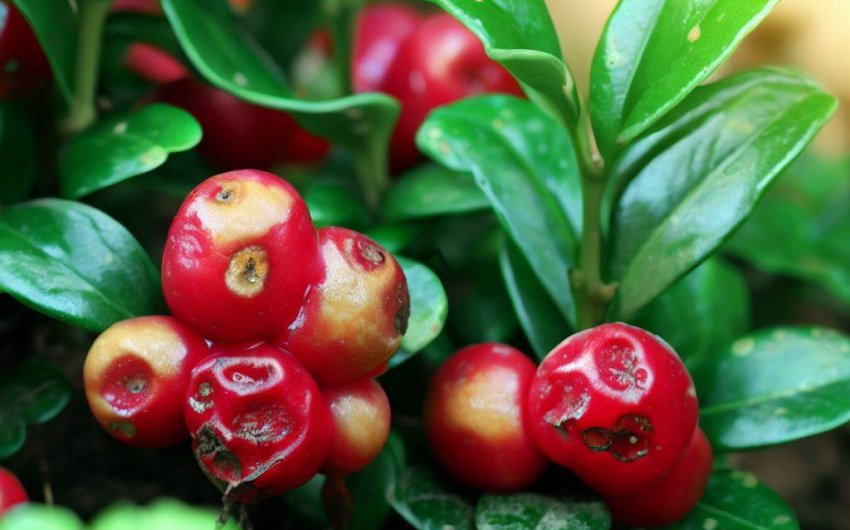
To identify and fix common cranberry diseases and pests, regularly inspect your plants for specific symptoms like leaf discoloration, spots, or visible insects. Implement cultural practices such as proper watering, pruning, and air circulation to prevent issues, and use targeted organic or chemical treatments only when necessary.
Why is vigilance crucial for healthy cranberry plants?
Cranberry plants (Vaccinium macrocarpon) are beloved for their tart, nutritious fruit and their unique wetland growing requirements. However, like any cultivated crop, they are susceptible to various diseases and pests that can significantly reduce yields and even threaten plant health. For successful cranberry cultivation, especially for home growers, continuous vigilance, early identification of problems, and a proactive management strategy are absolutely crucial.
What makes cranberries susceptible to pests and diseases?
Several factors contribute to cranberries being vulnerable to specific pest and disease issues.
- Monoculture (in commercial bogs): Large commercial cranberry bogs, often monocultures, create an ideal environment for diseases and pests to spread rapidly once established. While home growers usually have smaller patches, the principles of spread remain.
- Wetland Environment: Cranberries thrive in constantly moist to wet, acidic conditions. While this is their preference, it also creates a high-humidity environment that is very conducive to fungal and bacterial diseases.
- Dense Growth Habit: Cranberry vines form a dense mat. This thick canopy, while excellent for covering the ground, can limit air circulation, leading to prolonged leaf wetness – another prime condition for fungal pathogens.
- Nutrient-Poor Soil: Their preference for naturally nutrient-poor, acidic soils means they can sometimes be more sensitive to nutrient imbalances if not managed correctly, which can weaken plants and make them susceptible.
- Sweet Fruit: The developing cranberries are attractive to various insect pests and birds.
What are the dangers of ignoring cranberry diseases and pests?
Neglecting to address pest and disease issues in your cranberry patch can quickly lead to severe consequences.
- Reduced Yield: The most obvious impact. Diseases can defoliate plants or cause fruit to rot, while pests directly consume or damage berries, leading to a significantly smaller harvest.
- Poor Fruit Quality: Affected berries may be discolored, soft, deformed, or have a reduced shelf life and flavor.
- Plant Death/Decline: Severe or prolonged infestations/infections can weaken cranberry vines to the point of permanent damage or death.
- Spread to Other Plants: Uncontrolled problems can easily spread throughout your cranberry patch and potentially to other susceptible plants in your garden.
- Increased Management Effort: Minor issues, if ignored, can escalate into major problems that require more aggressive (and often more costly or environmentally impactful) treatments to bring under control.
- Frustration: The effort of growing cranberries only to lose the crop to pests or diseases can be incredibly disheartening.
By staying alert and proactive, home cranberry growers can effectively identify and fix common issues, ensuring a healthy patch and a bountiful harvest.
How do I identify common cranberry diseases?
Identifying cranberry diseases starts with keen observation of your plants. Knowing what to look for and understanding the conditions that favor specific pathogens will help you catch problems early and implement effective solutions.
What are common fungal diseases of cranberry leaves and stems?
Fungal diseases are the most prevalent issues for cranberries due to their moist, humid environment.
- Fruit Rot (Various Fungi): This is a complex of several fungal diseases (e.g., Phomopsis, Botrytis, Colletotrichum) that affect the berries.
- Identification: Appears as soft, discolored, or shriveled spots on the fruit, which quickly enlarge and can turn the entire berry mushy. May have fuzzy mold growth in severe cases. Often seen during late berry development or after harvest.
- Causes: Favors warm, humid, wet conditions, especially prolonged leaf/fruit wetness.
- Fix: Improve air circulation (pruning), avoid overhead watering, plant resistant varieties, and apply targeted fungicides (organic or synthetic) preventatively if severe.
- Red Leaf Spot (Exobasidium vaccinii):
- Identification: Small, circular bright red spots appear on the upper surface of young leaves and new shoots in late spring/early summer. The underside of the leaf might have a white, felt-like fungal growth in the center of the spot.
- Causes: Favors cool, wet spring weather.
- Fix: Hand-pick affected leaves for small patches. Improve air circulation. Fungicides may be needed in early spring as a preventative.
- Rose Bloom (Exobasidium oxycocci): A related fungal disease.
- Identification: Causes young, upright shoots and flower buds to swell, distort, and turn pink or reddish, resembling miniature rosebuds. These infected parts typically don't produce fruit.
- Causes: Favors cool, wet spring weather.
- Fix: Prune out affected shoots promptly. Improve air circulation. Fungicides may be used preventatively.
- Fairy Ring (Lycoperdon pyriforme and others):
- Identification: Circular patches of dead or stressed cranberry vines, often with rings of darker green, healthy vines on the outside, and sometimes mushrooms growing in the ring. The dead center expands over time.
- Causes: Caused by soil-dwelling fungi breaking down organic matter.
- Fix: Very difficult to eradicate. Improve soil health, reduce thatch, ensure adequate irrigation. Fungicides are generally ineffective.
- Stem and Root Rot (Various Fungi):
- Identification: Vines wilt, turn yellow, then brown and die. The stem near the soil line or roots may be discolored, soft, or mushy.
- Causes: Poor drainage, overwatering, waterlogged conditions.
- Fix: Improve drainage immediately. Ensure the cranberry bed does not remain perpetually soggy. Consider raised beds. Remove affected plants.
What are other non-fungal cranberry diseases?
Some issues may not be caused by fungi but still impact cranberry health.
- False Blossom (Phytoplasma): A serious disease caused by a phytoplasma (a type of bacteria-like organism) and spread by the blunt-nosed leafhopper.
- Identification: Flowers become distorted, often turn pink or reddish, grow upright, and remain open too long. Leaves may become witches'-broom-like (dense, bushy growth) and show red discoloration. Plants typically become sterile and unproductive.
- Causes: Spread by specific leafhoppers.
- Fix: No cure. Remove and destroy infected plants immediately to prevent spread. Control leafhopper populations. Plant resistant varieties if available.
- Chlorosis (Nutrient Deficiency):
- Identification: Leaves turn yellow, often with green veins (interveinal chlorosis). Growth is stunted.
- Causes: Most commonly iron deficiency caused by soil pH being too high (above 5.5-6.0), making iron unavailable. Can also be nitrogen or magnesium deficiency.
- Fix: Test soil pH. Amend to lower pH (elemental sulfur, peat moss, pine bark). Apply chelated iron foliar spray for a quick but temporary fix. Ensure proper, balanced fertilizer for acid-loving plants.
By learning to recognize these diverse symptoms, home cranberry growers can take timely action, significantly improving their chances of controlling diseases.
How do I identify common cranberry pests?
Identifying common cranberry pests requires regular, close inspection of your plants, focusing on both the foliage and the developing berries. Knowing the specific signs of infestation and the appearance of the culprits is crucial for effective control.
What are common insect pests affecting cranberry foliage?
These pests target the leaves and shoots of cranberry plants.
- Sparganothis Fruitworm (Sparganothis sulfureana):
- Identification: Small (1/2 inch), pale green caterpillars that web together terminal leaves and flower buds, feeding within this protective web. Later generations feed on fruit.
- Damage: Chewed leaves, silk webbing, damaged flower buds.
- Fix: Hand-pick for small infestations. Use Bacillus thuringiensis (Bt) spray for caterpillars. Certain insecticides can be used if severe.
- Blackheaded Fireworm (Rhopobota naevana):
- Identification: Small (1/4 inch), dark-headed, yellowish-green caterpillars that feed on terminal leaves and flower buds, also spinning webs.
- Damage: Similar to Sparganothis; chewed, skeletonized leaves, often a "scorched" appearance on tips of vines.
- Fix: Similar to Sparganothis; Bt spray.
- Loopers (Cranberry Fruitworm, Green Spanworm):
- Identification: Green caterpillars that move with a characteristic "looping" motion. Some bore into fruit.
- Damage: Chewed leaves, holes in fruit.
- Fix: Bt spray.
- Blunt-nosed Leafhopper (Limotettix strictus):
- Identification: Small (1/4 inch), wedge-shaped, brownish-gray insect that jumps or flies away quickly when disturbed.
- Damage: Pierces leaves and stems to suck sap. Crucially, it transmits False Blossom phytoplasma.
- Fix: Monitor populations with sticky traps. Insecticidal soap or targeted insecticides can help, but prevention of False Blossom means eliminating infected plants.
- Aphids:
- Identification: Small, soft-bodied insects, often green, found clustered on new growth or undersides of leaves. May see sticky "honeydew" residue.
- Damage: Yellowing, distorted leaves, stunted growth.
- Fix: Blast with water, insecticidal soap, neem oil. Encourage beneficial insects (ladybugs).
- Cranberry Tipworm (Dasineura oxycoccana):
- Identification: Tiny, legless white larvae that feed inside newly forming leaf buds, causing them to blacken and die. Adults are tiny flies.
- Damage: Blackened, dead shoot tips, resulting in stunted growth and reduced flower bud formation.
- Fix: Timely monitoring for adult flies. Targeted insecticides if severe.
What are common insect pests affecting cranberry fruit?
These pests directly target your cranberry harvest.
- Cranberry Fruitworm (Acrobasis vaccinii):
- Identification: Small, reddish-green caterpillars that burrow into cranberries, often leaving an entry hole.
- Damage: One caterpillar can damage several berries in a cluster, webbing them together. Infested berries become dark, shriveled, and filled with frass (insect droppings).
- Fix: Cultural controls (removing infested fruit, winter flooding for commercial growers), pheromone traps to