
Best Composting Techniques for Beekeepers: Using Wax & Honeycomb
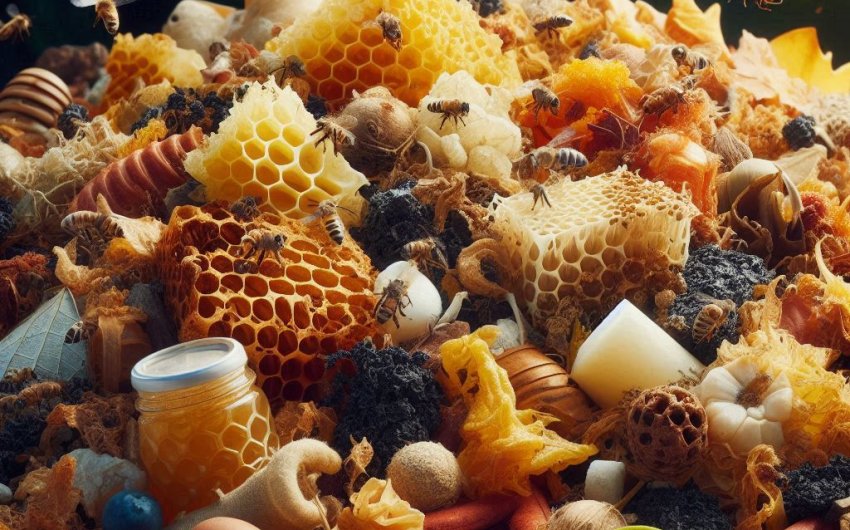
For many beekeepers, the harvest of honey is a sweet reward, but it often leaves behind a significant byproduct: beeswax and discarded honeycomb. While beeswax holds its own value for candles, salves, or crafts, not all honeycomb is suitable for rendering, particularly old, dark comb or comb that's been damaged or deemed unsuitable for re-use by the bees. Instead of letting this valuable organic material go to waste, a fascinating and eco-friendly solution emerges through the world of composting. Integrating beeswax and honeycomb into a compost system not only reduces waste but can also contribute to a richer, more diverse soil amendment for your garden.
This practice bridges the gap between apiculture and sustainable gardening, offering beekeepers a unique way to recycle materials that might otherwise become a disposal challenge. However, composting these specific bee-related byproducts comes with its own set of considerations, from breaking down the waxy nature of the comb to managing potential attractants for pests. With the right techniques, you can transform these overlooked resources into "black gold," enriching your soil and completing a beautiful cycle of nature. Let's explore the best composting techniques for beekeepers looking to utilize their wax and honeycomb.
Why Compost Wax and Honeycomb? The Beekeeper's Advantage
For beekeepers, understanding why compost wax and honeycomb is beneficial goes beyond simple waste management. It offers several unique advantages tailored to the beekeeping practice, turning a potential disposal chore into an opportunity for garden enrichment.
What are the Benefits of Composting Bee Byproducts?
Composting bee byproducts like wax and honeycomb offers several significant benefits for beekeepers and their gardens:
- Waste Reduction: Instead of discarding old, broken, or unusable comb, composting diverts this organic material from landfills, reducing your waste footprint. This is a sustainable solution for a natural byproduct.
- Soil Enrichment: Wax and honeycomb, when properly composted, contribute valuable organic matter to your soil. This improves soil structure, enhances water retention, and provides a slow release of nutrients for plants. It becomes "black gold" for your garden.
- Nutrient Cycling: Honeycomb contains remnants of honey, pollen, and propolis, all of which are rich in various nutrients that can benefit soil microorganisms and plants. Beeswax itself, while largely carbon, also slowly breaks down to contribute to the organic matrix.
- Eco-Friendly Disposal: Composting is an environmentally sound way to manage these natural materials, aligning with sustainable beekeeping practices.
- Convenience: For many beekeepers, a compost pile is an existing or easily established part of their operation, offering a convenient disposal method that benefits their own property.
These benefits highlight how composting wax and honeycomb closes the loop in a sustainable beekeeping system, turning waste into a resource.
How Does Composting Wax Differ from Regular Composting?
Composting wax (beeswax) is somewhat different from regular composting due to its unique chemical composition. Beeswax is primarily composed of various esters, fatty acids, and hydrocarbons, making it very stable and slow to break down.
- Slower Decomposition: Unlike typical organic materials (like food scraps or leaves), beeswax is not easily metabolized by common composting microorganisms. It will decompose, but at a much slower rate. It acts more like a "brown" material with a very high carbon content and a low nitrogen content.
- Waxy Barrier: Large pieces of wax can form a waxy barrier within the compost pile, potentially hindering airflow or water penetration to other materials.
- Melting Point: Beeswax has a relatively low melting point ((\approx 140-149^\circ\text{F}) or (60-65^\circ\text{C})). In hot compost piles, it can melt and potentially coat other materials, further slowing decomposition.
- Nutrient Content: Pure beeswax offers minimal nutrient contribution compared to other organic materials, though it adds valuable carbon and organic bulk. Honeycomb, however, contains honey and pollen, which add significant nutrients.
Understanding these differences means that special techniques are required to effectively integrate wax and honeycomb into your compost system for optimal breakdown.
What are the Potential Challenges of Composting Honeycomb?
While beneficial, composting honeycomb (especially fresh or honey-laden comb) can present a few potential challenges that beekeepers need to address.
- Attracting Pests: The most significant challenge is that honeycomb (especially if it still contains honey or pollen remnants) can be highly attractive to various pests, including ants, yellow jackets, rodents (mice, rats), and even bears if you're in a rural area. This can lead to unwanted visitors to your compost pile.
- Odor: If the honeycomb ferments or goes anaerobic (lacks oxygen) in the compost pile, it can produce unpleasant odors, especially if it's very wet and dense.
- Slow Breakdown (Wax Component): As mentioned, the wax component of the honeycomb will break down slowly, which means your finished compost might still contain small pieces of wax if not managed properly.
- Disease Transmission: While generally safe, if the comb came from a hive with specific bee diseases (like American Foulbrood), proper sanitation and hot composting (where temperatures reach high enough to kill spores) would be critical. For general composting, it's safer to avoid diseased comb unless you are certain of the method's efficacy in eliminating pathogens.
Addressing these challenges through proper preparation and management techniques is key to successful composting of honeycomb.
1. Shredding and Breaking Down: Increasing Surface Area
The first and most important step for effectively composting wax and honeycomb is shredding and breaking down the material into smaller pieces. This significantly increases the surface area, making it easier for microorganisms to access and decompose the waxy substances and any residual organic matter.
Why is Shredding Wax and Honeycomb Important?
Shredding wax and honeycomb is absolutely important because it directly addresses the challenges of its slow decomposition and waxy nature.
- Increased Surface Area: When materials are shredded into smaller pieces, they expose a much larger surface area to the composting microorganisms. For wax, this means more points of contact for breakdown. For honeycomb, it allows the beneficial microbes to access the trapped honey and pollen more easily.
- Faster Decomposition: A larger surface area translates to faster decomposition. While wax will always be slow, shredding speeds up the process significantly compared to adding large chunks.
- Prevents Matted Layers: Large, flat pieces of honeycomb or wax can create dense, matted layers in the compost pile, hindering airflow and leading to anaerobic (smelly) conditions. Shredding prevents this.
- Even Distribution: Smaller pieces are easier to distribute evenly throughout the compost pile, ensuring better mixing with "greens" and "browns."
- Better Integration: Shredded wax and honeycomb integrate more effectively into the overall compost matrix, preventing it from clumping or forming a solid, impenetrable mass.
Shredding is the foundational step that optimizes beeswax and honeycomb for successful composting.
What are the Best Tools for Shredding Wax?
Shredding wax can be a bit challenging due to its texture, but several tools can make the job easier and more effective.
- Old Cheese Grater: For smaller amounts of wax or comb, an old, dedicated cheese grater can work surprisingly well. Use the coarser side. Be sure it's a grater you won't use for food again.
- Chipper/Shredder: For larger volumes of old, brittle comb, a garden chipper/shredder can be effective. Ensure the comb is relatively dry and brittle, not soft or sticky, to prevent clogging the machine. Always follow safety guidelines for chippers. A small electric garden shredder can process dry materials.
- Hand Chopping/Cutting: For smaller, individual pieces, a sturdy knife or pruning shears can be used to chop the comb into smaller fragments.
- Freezing: Freezing the honeycomb beforehand can make it more brittle and easier to shred or break into smaller pieces.
- Melting and Flaking (for pure wax): For pure blocks of beeswax, you could melt it down and then pour it into thin sheets or flakes that are easier to break up once solidified. This is more effort but creates very small pieces.
Choose the tool based on the quantity of wax and honeycomb you have, always prioritizing safety.
How to Break Down Old Honeycomb for Composting?
Breaking down old honeycomb for composting typically involves physical reduction in size, ensuring it's ready to integrate effectively into your compost pile.
- Remove Frames/Foundation: First, scrape or cut the comb away from any wooden frames or plastic foundation if you haven't already. Only compost the natural wax and any trapped organic matter.
- Manual Breaking: If the comb is brittle (which old, dry comb often is), you can simply break it into smaller pieces by hand or by stomping on it (wearing sturdy boots!).
- Chopping: Use a shovel or a sturdy spade to chop larger sections of comb into smaller chunks on a hard surface.
- Drying: Allowing the comb to dry out completely before breaking it down can make it more brittle and easier to work with. Wet, sticky comb is harder to process.
- Pre-Soaking (for dense comb): For very dense, old comb that is hard to break, a brief soak in water might soften it slightly before breaking, but ensure it dries again before adding to compost to avoid excess moisture.
- Combine with Carbon: Once broken down, immediately mix the honeycomb pieces with ample carbon-rich materials ("browns") like dry leaves, wood chips, or shredded paper. This helps absorb any residual honey/pollen and balances the mixture.
Breaking down honeycomb prepares it for efficient decomposition and minimizes issues in the compost pile.
2. Balancing the Pile: Greens, Browns, and Water
Successful composting, especially when including unique materials like wax and honeycomb, relies on maintaining a proper balance of "greens" (nitrogen), "browns" (carbon), and adequate water. This creates the ideal environment for microbial activity.
What Role Do "Greens" Play in Wax Decomposition?
"Greens", which are rich in nitrogen, play a crucial role in wax decomposition by providing the necessary fuel for the microorganisms that slowly break down the waxy materials.
- Microorganism Fuel: Microorganisms (bacteria, fungi, actinomycetes) require nitrogen as a protein source for their growth and reproduction. Without enough nitrogen, their activity slows down, and decomposition effectively stops.
- Balancing Carbon: Wax and honeycomb are primarily carbon-rich materials. Adding an ample amount of "greens" helps to achieve the ideal carbon-to-nitrogen ratio (ideally around 25-30:1 for hot composting) for optimal decomposition.
- Heat Generation (Hot Composting): In hot composting, "greens" contribute significantly to the heat generation, which can help melt wax (making it more accessible for microbes) and speed up overall breakdown.
- Examples of Greens: Fresh grass clippings, kitchen scraps (fruit and vegetable peels), coffee grounds, fresh manures (from non-carnivorous animals like chicken or horse), and non-diseased garden plant trimmings are all excellent sources of nitrogen. A kitchen compost bin for counter helps collect daily greens.
When adding wax and honeycomb, always layer or mix them thoroughly with a generous amount of "greens" to ensure sufficient nitrogen for decomposition.
How Do "Browns" Help Aerate and Buffer Honeycomb?
"Browns", which are rich in carbon, are essential for aerating and buffering honeycomb in a compost pile, preventing common problems and promoting healthy decomposition.
- Aeration and Structure: Browns are typically dry, fibrous, and bulky. They create air pockets within the compost pile, promoting airflow (aeration). This is vital for aerobic decomposition, preventing the pile from becoming dense, wet, and anaerobic (smelly), especially when adding denser materials like honeycomb.
- Moisture Absorption: Browns help to absorb excess moisture from wet "greens" and any residual honey in the honeycomb, preventing sliminess and foul odors.
- Buffering Nitrogen: Honeycomb, particularly if it contains pollen and honey, can add a sudden flush of nitrogen. Browns help to balance this nitrogen, preventing it from turning into gaseous ammonia and being lost.
- Preventing Matting: Shredded or broken-down honeycomb mixed with browns is less likely to matt together and form impenetrable layers, ensuring better overall decomposition.
- Examples of Browns: Dry leaves, shredded cardboard, newspaper (plain, non-glossy), straw, wood chips, and sawdust are all excellent sources of carbon. A garden leaf shredder can help produce abundant browns.
A generous supply of "browns" is crucial for balancing the compost pile and ensuring efficient breakdown of wax and honeycomb.
What is the Ideal Moisture Level for Composting Wax and Honeycomb?
Maintaining the ideal moisture level is always important for composting, but it's particularly vital when including wax and honeycomb. The compost pile should be consistently moist, like a wrung-out sponge, but never soggy.
- For Decomposition: Microorganisms need water to survive and function. If the pile is too dry, decomposition will slow down or stop completely.
- For Wax Breakdown: Moisture is especially important for the very slow breakdown of wax, as it needs to be moist for microbial action to occur on its surface.
- Preventing Anaerobic Conditions: Too much moisture, however, will displace oxygen from the air pockets in the pile, leading to anaerobic conditions and foul odors. This is a common issue if too much wet honeycomb is added without enough browns.
- Checking Moisture: Squeeze a handful of compost material. A few drops of water should come out. If it's dripping wet, it's too wet. If it crumbles, it's too dry. A soil moisture meter can also give accurate readings.
- Adjustments:
- Too Dry: Water the pile thoroughly, especially when adding dry browns.
- Too Wet: Add more dry browns and turn the pile to aerate it.
Balancing "greens," "browns," and moisture creates a thriving environment for efficient composting of wax and honeycomb.
3. Composting Methods: Hot vs. Cold for Bee Materials
The choice between hot composting and cold composting for your beeswax and honeycomb will influence the speed of decomposition, the level of management required, and the effectiveness against potential pathogens.
Is Hot Composting Better for Wax and Honeycomb?
Hot composting is generally better for wax and honeycomb for several key reasons, primarily due to its ability to reach and maintain higher temperatures.
- Faster Breakdown: Hot composting is characterized by high internal temperatures (typically (130^\circ\text{F}) to (160^\circ\text{F}) or (54^\circ\text{C}) to (71^\circ\text{C})). These temperatures significantly speed up the decomposition of all organic matter, including the wax components of honeycomb.
- Wax Melting (and Integration): In a very active hot compost pile, the heat can cause the beeswax to melt. When it re-solidifies, it forms a thin film or small flakes that are more easily integrated into the compost matrix, making it more accessible to microorganisms. It also prevents large chunks from persisting.
- Pathogen Killing: If you are concerned about potential bee diseases (like American Foulbrood spores, though highly resilient) in the comb, high, sustained temperatures achieved through proper hot composting can help to kill pathogens. This requires maintaining the correct temperature for a specific duration.
- Odor and Pest Control: A properly managed hot compost pile generates enough heat to break down materials quickly, reducing offensive odors and making it less attractive to pests, as the process is too hot for most unwanted visitors.
While more labor-intensive, hot composting offers superior results for breaking down beeswax and honeycomb efficiently and safely. A compost thermometer is essential for monitoring temperatures.
How Does Cold Composting Handle Bee Byproducts?
Cold composting can handle bee byproducts like wax and honeycomb, but it will be a much slower process and may not achieve the same level of breakdown or pathogen inactivation as hot composting.
- Slower Decomposition: In a cold compost pile, decomposition occurs at ambient temperatures. This means the breakdown of beeswax and honeycomb will be significantly slower, and you might find larger pieces of wax remaining in the finished compost.
- Less Pathogen Inactivation: Cold composting temperatures are not high enough to reliably kill all pathogens, so it's generally not recommended for comb from diseased hives if you have concerns about spreading disease.
- Pest Attraction: Cold piles, especially if they contain honey-laden comb and are not frequently turned or buried, can be more attractive to ants, yellow jackets, and rodents.
- Odor Risk: If the balance of materials or moisture is off, a cold pile can become anaerobic and smelly.
- Management: For cold composting honeycomb, it's even more crucial to shred the comb into very small pieces and to bury it deeply within the pile, surrounded by plenty of "brown" materials to deter pests and ensure some level of aeration.
While cold composting is possible for beeswax and honeycomb, it requires more patience and careful management to mitigate its inherent challenges.
What Role Does Turning Play in Composting Bee Materials?
Turning plays a vital role in composting bee materials, significantly impacting the speed and success of decomposition in both hot and cold systems.
- Aeration: Turning introduces oxygen into the pile, which is essential for the aerobic bacteria that efficiently break down organic matter. Without enough oxygen, the pile becomes anaerobic, leading to slow decomposition and foul odors (a common issue when composting wax/honeycomb).
- Heat Generation (Hot Composting): For hot composting, regular turning helps to evenly distribute heat and active microorganisms throughout the pile, maintaining optimal temperatures for rapid breakdown and pathogen killing.
- Mixing Materials: Turning thoroughly mixes "greens," "browns," wax, and honeycomb pieces, ensuring even distribution of nutrients and moisture, and bringing fresh material to the actively decomposing core.
- Preventing Compaction: Turning prevents the compost pile from becoming compacted, which would otherwise restrict airflow.
- Wax Integration: For wax, turning helps to mix melted or flaked wax more completely with other compost materials, preventing it from forming large, impenetrable chunks.
For hot composting of wax and honeycomb, turning every few days to once a week is recommended. For cold composting, turning less frequently (e.g., every few weeks or months) will still help, but it's not as critical. A heavy-duty compost aerator tool can make turning easier.
4. Managing Risks: Pests, Odor, and Disease
When composting wax and honeycomb, actively managing risks like pests, odor, and potential disease transmission is paramount for a successful and trouble-free process. Ignoring these can lead to frustrating issues for the beekeeper and the surrounding environment.
How to Prevent Pests from Being Attracted to Your Compost?
Preventing pests from being attracted to your compost pile, especially when it contains sugary honey or protein-rich pollen from honeycomb, is crucial.
- Bury Honeycomb Deeply: Always bury fresh honeycomb or any food scraps deep within the center of the compost pile, at least 8-12 inches (20-30 cm) under other materials. Do not leave exposed comb on the surface.
- Cover All Additions: After adding any new "green" materials or honeycomb, immediately cover them with a generous layer of "brown" materials (dry leaves, straw, shredded paper). This acts as a physical barrier and helps absorb odors.
- Balance Greens and Browns: An imbalance, especially too many wet greens or too much honey, can lead to fermentation and odors that attract pests. Ensure a good mix.
- Manage Moisture: A compost pile that is too wet can become anaerobic and smelly, which attracts pests. Maintain a damp-sponge consistency.
- Secure Compost Bins: If pests like raccoons or rodents are a major problem, use a closed compost bin with a secure, animal-proof lid. A rodent-proof compost bin offers better protection.
- Avoid Problematic Materials: Do not add meat, bones, dairy, or excessively oily foods to your compost, as these are highly attractive to pests.
- Regular Turning: In a hot compost pile, regular turning helps break down materials quickly and reduces appeal to pests.
By taking these preventive measures, you can significantly reduce the risk of pests disturbing your compost.
What Causes Odors and How to Eliminate Them?
Odors in a compost pile, particularly those related to composting honeycomb, are almost always a sign of anaerobic conditions (lack of oxygen).
- Causes of Odor:
- Too Wet: Excess moisture displaces air, leading to anaerobic bacteria producing foul-smelling gases (ammonia, sulfur compounds).
- Too Many Greens/Honey: A sudden flush of too many nitrogen-rich materials (like fresh grass clippings) or sugary honey without enough carbon to balance can lead to rapid decomposition, heating up and going anaerobic quickly.
- Lack of Turning: Insufficient turning means no fresh oxygen is introduced, allowing anaerobic conditions to develop.
- Compaction: Dense, compacted piles reduce airflow.
- How to Eliminate Odors:
- Turn the Pile: Immediately turn the smelly pile thoroughly with a pitchfork. This introduces oxygen and aerates the material. A heavy-duty pitchfork is essential.
- Add "Browns": Mix in a generous quantity of dry, carbon-rich materials like dry leaves, straw, or shredded newspaper. These absorb excess moisture and create air pockets.
- Check Moisture: Ensure the pile is not too wet. If it is, stop adding wet materials and add more browns.
- Bury Any Exposed "Greens": Make sure all smelly materials are covered.
A healthy, aerobic compost pile should smell earthy, like forest soil. If it smells bad, it needs your attention.
How to Address Disease Transmission Risks from Comb?
Addressing disease transmission risks from composting comb is a serious consideration for beekeepers, especially concerning virulent pathogens like those causing American Foulbrood (AFB).
- Identify Diseased Comb: If you suspect or confirm that comb comes from a hive infected with American Foulbrood (AFB) or other highly contagious, resilient bee diseases, general composting may not be a safe method for disposal. AFB spores are extremely hardy and can survive normal composting temperatures.
- Consult Local Beekeeping Authorities: Always consult your local beekeeping associations or agricultural extension services for guidance on disposing of diseased comb. They will have specific recommendations or legal requirements for your area. Often, burning diseased comb is the recommended method to ensure complete destruction of pathogens.
- Hot Composting (High Temperatures): For general healthy comb, or if considering composting from non-AFB diseased hives, you would need to ensure a very active hot compost pile that consistently reaches and maintains temperatures of at least (140^\circ\text{F}) ((60^\circ\text{C})) for several weeks, with regular turning, to have a reasonable chance of killing many (though perhaps not all) pathogens. A compost thermometer is crucial for monitoring.
- Segregation: If you have any doubt about the health of a hive, compost that comb separately and do not use the finished compost for areas where bees forage or near other hives.
For diseased comb, prioritize safety and follow expert guidance to prevent the spread of serious bee diseases.
5. Using Finished Bee Compost: Black Gold for Your Garden
After patiently tending your compost pile, the reward is finally ready: rich, dark finished bee compost. This "black gold" is a valuable soil amendment, ready to enrich your garden and complete the cycle of your beekeeping efforts.
How to Identify Finished Bee Compost?
Identifying finished bee compost is similar to identifying any other mature compost, but you might find very small, stubborn bits of wax still present.
- Color: It should be a uniform, dark brown or black color, resembling rich, earthy soil.
- Texture: The compost should be crumbly, loose, and soft, with an earthy texture. You should no longer be able to identify the original materials you put in, except possibly for very small, thin pieces of wax (which are harmless) or larger, slow-to-decompose wood chips that you can screen out.
- Smell: It should have a pleasant, earthy smell, like forest soil after rain. There should be no foul, sour, or putrid odors.
- Temperature: The pile should be at ambient (surrounding air) temperature, indicating that the active decomposition process has completed.
- Worms and Insects: You might still see earthworms and other beneficial soil insects, but the visible activity of larger decomposers will have significantly reduced.
Once your compost exhibits these characteristics, it's ready to use in your garden. A compost sifter can refine the final product.
What are the Best Uses for Finished Bee Compost in the Garden?
Finished bee compost is a highly versatile and beneficial soil amendment that can be used in numerous ways throughout your garden.
- Soil Amendment: Mix it into your garden beds before planting vegetables, flowers, or shrubs. It improves soil structure, enhances drainage in heavy clay soils, and increases water retention in sandy soils. It also adds a slow-release source of nutrients.
- Top Dressing: Spread a thin layer (1/2 to 1 inch) of compost over existing garden beds, around trees and shrubs, or on your lawn. This slowly releases nutrients and feeds the soil, encouraging healthy plant growth and reducing weed growth.
- Potting Mix Component: Combine it with sterile potting mix, perlite, or vermiculite to create your own nutrient-rich, well-draining soil for container plants and seed starting. It provides a natural boost for seedlings.
- New Plantings: Add a few shovelfuls of compost to the bottom of planting holes when transplanting seedlings or planting new trees and shrubs.
- Mulch (Light Layer): A light layer of compost can act as a natural mulch, suppressing weeds and conserving soil moisture.
Finished bee compost enriches your soil, promotes healthier plants, and completes a beautiful cycle of sustainability from your beehives to your garden.
Can Finished Bee Compost Attract Bees to My Garden?
While finished bee compost is full of organic matter and nutrients beneficial to plants, it generally does not directly attract bees to your garden in the same way that flowering plants or a water source would.
- Nutrient Source for Plants, Not Bees: The compost provides nutrients to the soil, which in turn helps your plants grow healthier and more vigorously. If those plants are flowering plants that produce nectar and pollen, then yes, the overall health of the garden will attract bees. But the compost itself is not a direct attractant for bees seeking food or water.
- No Residual Honey/Pollen (Ideally): Ideally, finished compost should have fully decomposed its original components, meaning any residual honey or pollen would have been broken down by microorganisms. If there are still large amounts of identifiable honey/pollen (which would indicate unfinished compost), it could potentially attract scavenging bees or yellow jackets, but this suggests the compost isn't truly finished.
- Beneficial Soil Life: The compost will encourage a thriving population of beneficial soil life (earthworms, microbes), which creates a healthier overall ecosystem in your garden, indirectly benefiting all life, including pollinators.
The primary benefit of finished bee compost is its role as a superior soil amendment, which supports a vibrant garden ecosystem that, in turn, can be more attractive to bees and other beneficial insects.