
How Can I Set Up a Composting Toilet for Off-Grid Living?
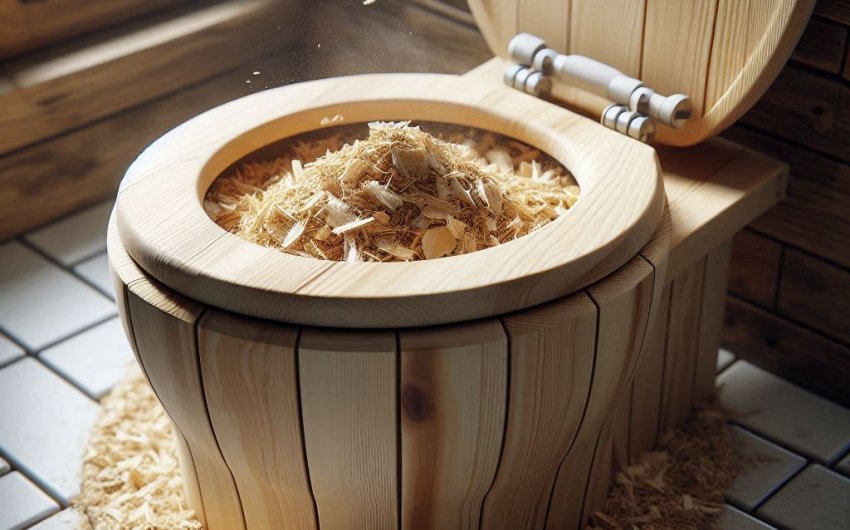
For anyone embracing off-grid living, learning how to set up a composting toilet is a foundational step towards complete independence from municipal utilities. These ingenious systems offer a sustainable and environmentally friendly alternative to traditional flush toilets, eliminating the need for vast amounts of water and complex septic systems. By transforming human waste into a harmless, soil-like material, a composting toilet not only closes a significant resource loop but also simplifies waste management in remote or self-sufficient homesteads.
What is a Composting Toilet and Why Use One Off-Grid?
Understanding the fundamental principles of a composting toilet and its benefits specifically for off-grid scenarios is crucial for making an informed choice.
Defining a Composting Toilet
A composting toilet is a self-contained toilet system that treats human waste on-site, using natural biological processes to decompose it. Unlike flush toilets that rely on water to transport waste, composting toilets operate without water (or with very minimal water). They work by creating an environment where aerobic bacteria (those that need oxygen) and fungi can break down solid waste, much like a garden compost pile breaks down organic matter. This process reduces the volume of waste, eliminates odors (when properly managed), and ultimately transforms the material into a stable, soil-like humus. The key components typically include a collection chamber, a method for aeration, and often a way to separate urine from solids.
Why Are Composting Toilets Ideal for Off-Grid Living?
Composting toilets offer numerous compelling advantages that make them a perfect fit for off-grid living:
Water Conservation: Eliminating Water-Hungry Flushes
One of the most significant benefits is water conservation. Traditional flush toilets are enormous water consumers, using 1.6 to 5 gallons per flush. In an off-grid setup, every drop of water is precious, often collected from rain or wells and requiring energy to pump. A composting toilet eliminates this massive water demand for sanitation, allowing you to allocate your limited water resources for drinking, cooking, and bathing. This dramatic reduction in water usage is a cornerstone of sustainable off-grid living.
No Septic System or Sewer Hookup Needed
For an off-grid home, installing a traditional septic system can be incredibly expensive, complex, and often requires specific permits and land conditions. Connecting to a municipal sewer system is simply not an option. Composting toilets completely bypass this need. They handle waste on-site, removing the requirement for large drain fields, buried tanks, or extensive plumbing. This makes them ideal for remote cabins, tiny homes, or land where conventional septic systems are not feasible or permitted.
Reduced Environmental Impact: Nutrient Cycling
Composting human waste allows for nutrient cycling, transforming what is typically seen as a waste product into a valuable resource. The end product, humus, can be safely used (after proper curing and following local regulations) to enrich non-edible plants or trees, returning vital nutrients to the soil. This closes the loop on waste, promoting a more regenerative and less extractive lifestyle. Furthermore, by breaking down aerobically, composting toilets produce significantly less methane (a potent greenhouse gas) compared to anaerobic decomposition in septic tanks or landfills.
Odor Control (When Managed Properly)
A common misconception is that composting toilets smell. When properly set up and maintained, odor control is surprisingly effective. Aerobic decomposition (with plenty of oxygen) does not produce the foul, sewer-like odors associated with anaerobic decomposition. Good ventilation systems (often with small fans), adequate bulking material, and urine diversion are key to an odor-free experience. The smell, if any, is typically an earthy, almost forest-like scent.
Portability and Flexibility
Many composting toilet models are designed to be portable and flexible in their placement. This makes them suitable for tiny homes, RVs, cabins, or sheds where permanent plumbing is impractical. Their self-contained nature means they can be moved if needed, offering adaptability in your off-grid setup.
What Are the Main Types of Composting Toilets for Off-Grid Use?
While the general principle of composting waste remains the same, composting toilets come in different designs, each with its own advantages and considerations for off-grid applications.
1. Self-Contained Composting Toilets
Self-contained composting toilets are the most common and user-friendly type for off-grid living. They are essentially a single unit where the toilet seat, collection chamber, and often a small fan are all integrated. The composting process happens directly within the unit.
Features and How They Work
- Integrated Design: All components (toilet bowl, solid waste chamber, urine diversion, ventilation) are housed within one compact unit.
- Urine Diversion: Most modern self-contained models feature urine diversion, which separates liquid waste (urine) from solid waste. Urine, being mostly water and nitrogen, decomposes differently and much slower than solids. Keeping it separate helps reduce odor, improves the composting process for solids (by preventing it from becoming too wet), and can be collected separately for dilution and use as a liquid fertilizer (if allowed by regulations).
- Bulking Material: After each use, a small amount of bulking material (like sawdust, coco coir, or peat moss) is added to the solid waste chamber. This material provides carbon (balancing the nitrogen from waste), adds structure for aeration, and absorbs moisture.
- Agitation Mechanism: Many models have an internal crank or agitator to periodically mix the solids and bulking material, ensuring good aeration and even decomposition.
- Ventilation: A small, often low-power, fan (sometimes solar-powered for off-grid use) continuously draws air through the unit and exhausts any odors or excess moisture outside. This fan is critical for aerobic decomposition and odor control. A Nature's Head Composting Toilet is a well-known example of this type.
Pros for Off-Grid Living
- Ease of Installation: Relatively straightforward to install, often requiring only a small vent pipe and possibly a 12V power source for the fan.
- Compact: Their all-in-one design makes them suitable for tiny homes, RVs, and small cabins.
- Odor-Free: Excellent odor control when managed correctly due to urine diversion and forced-air ventilation.
- Convenient Emptying: Solids chamber typically needs emptying every 1-3 months for full-time use by two people, depending on the model and usage.
Cons for Off-Grid Living
- Higher Initial Cost: Generally more expensive than DIY or batch systems.
- Limited Capacity: Best for 1-4 people; larger households might need a second unit or more frequent emptying.
- Power for Fan: Requires a small amount of 12V or 120V power for the fan, which needs to be considered in your off-grid electrical system.
2. Central Composting Toilets
Central composting toilets, also known as remote or basement composting systems, are larger units where the toilet fixture is separate from the main composting chamber. The waste travels down a chute into a large composting unit, often located in a basement, crawl space, or external shed.
Features and How They Work
- Larger Capacity: Designed for higher usage and longer periods between emptying.
- Separated Chambers: The toilet bowl itself is usually like a standard toilet (without the flush mechanism), with a large pipe leading down to a larger composting drum or bin below.
- Automated Mixing/Aeration: Some advanced models include automated turning mechanisms or more robust ventilation systems to handle larger volumes.
- Heating Elements: A few models might have heating elements to speed up decomposition, but this would require significant power for off-grid.
- Collection Trays: Finished compost is removed from a separate, lower tray at intervals. A Sun-Mar Composting Toilet offers both self-contained and central models.
Pros for Off-Grid Living
- Very High Capacity: Suitable for larger families or commercial off-grid applications.
- Infrequent Emptying: Can go for 6-12 months or even longer between emptying.
- "Normal" Toilet Feel: The toilet fixture itself can feel more like a traditional toilet.
Cons for Off-Grid Living
- Complex Installation: Requires more extensive plumbing (chute), and a dedicated space below the toilet.
- Higher Cost: Significant initial investment.
- Ventilation: Requires a robust ventilation system, which might consume more power.
3. DIY Composting Toilets (Bucket or Barrel Systems)
For the budget-conscious or those who prefer a hands-on approach, DIY composting toilets offer a simple and effective solution. These are typically variations of the "bucket toilet" concept.
Features and How They Work
- Basic Components: At its simplest, it's a sturdy bucket with a toilet seat on top. A common upgrade is a 5-gallon bucket with a snap-on toilet seat, like a Reliance Products Luggable Loo Portable Toilet.
- Bulking Material: After each use, a generous scoop of bulking material (sawdust, wood shavings, peat moss, coco coir) is added to cover the waste and absorb moisture.
- Composting Off-Site: The waste is not composted in the bucket itself. Once the bucket is full, its contents are emptied into a separate, dedicated compost pile or bin for long-term decomposition. This is crucial for proper composting and hygiene.
- Urine Diversion (Optional DIY): Some DIY setups incorporate a urine diverter, often a funneled seat or a separate urinal, to keep liquids out of the solid waste bucket. This is highly recommended for odor control and faster composting of solids.
Pros for Off-Grid Living
- Very Low Cost: The most affordable option.
- Simple to Build: Can be constructed with basic tools and readily available materials.
- No Power Required: Operates entirely without electricity.
- Highly Portable: Easy to move the basic unit.
Cons for Off-Grid Living
- Regular Emptying: Buckets need frequent emptying (daily to every few days, depending on usage).
- External Composting: Requires a separate, well-managed outdoor compost pile for decomposition, which needs to be carefully chosen for location and management to avoid issues.
- Potential for Odor: If not managed with enough bulking material and proper ventilation in the space, odors can be more noticeable in the immediate area.
- Less Refined: Can feel less "like a toilet" for some users.
How Do You Set Up a Composting Toilet for Off-Grid Use?
Setting up a composting toilet for off-grid living involves more than just placing the unit. It requires careful consideration of placement, ventilation, power, and waste management.
Step 1: Choosing the Right Location
The location of your composting toilet is critical for its functionality, user comfort, and proper waste management.
- Indoor Placement: For self-contained units, choose a spot that is dry, level, and accessible for use and emptying. Consider proximity to an exterior wall for the ventilation hose.
- Outdoor Placement (for DIY composting bins): If you're using a bucket system that requires emptying into an external compost pile, choose a suitable location for this pile. It should be away from water sources (wells, streams), property lines, and living spaces. It also needs to be easily accessible for turning and managing.
- Ventilation Access: Regardless of the toilet type, consider how you will vent the unit to the outside. This usually involves drilling a hole through a wall or roof for a ventilation pipe.
Step 2: Ensuring Proper Ventilation
Ventilation is perhaps the most important component for odor control and healthy decomposition in composting toilets.
- Exhaust Fan (for self-contained/central units): Most manufactured units come with a small 12V or 120V fan. This fan needs to be connected to your off-grid power system (e.g., 12V DC directly from a solar battery bank or through an inverter if 120V AC). The fan should run continuously to pull air through the composting chamber and exhaust it outdoors via a vent hose. Ensure the vent hose is properly sealed to prevent leaks and directed away from windows or living areas. A RV Roof Vent Fan might be adapted for external venting if an integrated system isn't enough.
- Passive Ventilation (for DIY/non-fan units): For simple bucket systems or areas without power, passive ventilation is key. This means ensuring good airflow in the room where the toilet is located (e.g., a small vent or window) and adding plenty of bulking material to the waste to ensure air can circulate within the bucket or pile. For outdoor compost piles, sufficient turning is the primary aeration method.
Step 3: Setting Up Urine Diversion (Highly Recommended)
While some basic DIY buckets omit this, urine diversion is strongly recommended for almost all composting toilet setups, especially for self-contained and central units.
- Benefits: Separating urine prevents the solids chamber from becoming too wet and anaerobic (which causes foul odors), speeds up the decomposition of solids, and allows for separate management of urine.
- Collection: Urine is collected in a separate container, which can be emptied frequently (daily or every few days, depending on usage).
- Disposal/Use: Diluted urine can be used as a high-nitrogen fertilizer for non-edible plants (always check local regulations). Otherwise, it can be poured into a greywater system (if suitable) or evaporated.
Many manufactured composting toilets, like the Separett Villa Composting Toilet, have built-in urine diversion systems. For DIY setups, you can purchase a Urine Diverter Kit to integrate into your bucket system.
Step 4: Sourcing Bulking Material
A crucial element for any composting toilet is the bulking material. This carbon-rich material helps absorb moisture, provides carbon for the composting process, and creates air pockets for aerobic decomposition.
- Common Materials:
- Sawdust: A popular and effective choice, often available for free or cheaply from local sawmills or woodshops. Ensure it's untreated wood.
- Coco Coir: Made from coconut husks, it's highly absorbent and lightweight. Available in compressed bricks, like Coco Coir Bricks.
- Peat Moss: Also absorbent but less sustainable than coco coir.
- Wood Shavings/Shredded Leaves: Good for adding structure and carbon.
- Quantity: You'll need a steady supply. Store it in a dry, accessible location near the toilet.
- Application: A small scoop (1-2 cups) is typically added after each solid use, ensuring the waste is fully covered.
Step 5: Setting Up the Composting Area (for DIY/External Systems)
If you're using a bucket system where composting happens off-site, you need a dedicated outdoor composting area.
- Compost Bin/Pile: Set up a simple compost bin (like a wire bin or pallet bin) or a designated compost pile in a well-drained area away from water sources and your living space.
- Balance of Materials: Maintain a balanced compost pile with a mix of "greens" (food scraps, grass clippings, fresh plant matter from the garden) and "browns" (the humanure from the toilet, leaves, straw, wood chips). This balance is critical for efficient decomposition and odor prevention.
- Turning: Regularly turn the compost pile with a compost fork or compost aerator to ensure good air circulation. This speeds up decomposition and prevents anaerobic conditions. A Tumbling Composter can also be used for easier turning of batches.
- Curing: The humanure should be composted for a long period (at least 1-2 years) to ensure all pathogens are destroyed, especially if it will be used near the garden. Temperatures within the pile should ideally reach hot composting temperatures (130-160°F / 55-70°C) for several weeks to sanitize the material. Always follow local health regulations regarding humanure composting.
Step 6: Powering Your Toilet (if applicable)
For self-contained and central composting toilets with fans or heating elements, integrating them into your off-grid power system is essential.
- 12V DC Fan: Many fans are designed to run on 12V DC, making them easy to connect directly to your solar battery bank.
- 120V AC Fan/Heater: If your unit requires 120V AC, you'll need an inverter to convert DC power from your batteries to AC. Be mindful of power consumption, especially for heating elements, as they can drain battery banks quickly.
- Solar Fan: Some units or aftermarket accessories offer small Solar Powered Vent Fans that can operate independently.
What is the Ongoing Maintenance of a Composting Toilet Off-Grid?
Proper and consistent maintenance is key to a functional, odor-free, and hygienic composting toilet. It's a hands-on system that requires regular attention.
Regular Emptying and Cleaning
- Solids Chamber: The frequency of emptying the solids chamber depends on the toilet model, number of users, and ambient temperature. For self-contained units, this could be every 1-3 months. For central systems, it might be 6-12 months or longer. Always check the manufacturer's recommendations.
- Urine Container: If your unit has urine diversion, the liquid container will need to be emptied much more frequently, usually daily or every few days.
- Cleaning: Use non-toxic, biodegradable cleaners for the toilet bowl and surfaces. Avoid harsh chemicals or disinfectants as they can harm the beneficial bacteria in the composting chamber. A simple spray bottle with diluted vinegar or warm water and a scrub brush is usually sufficient.
Maintaining Bulking Material Levels
Always ensure you have a ready supply of bulking material next to the toilet. This encourages consistent use and proper covering of waste. Add enough material after each use to fully cover the waste and absorb moisture.
Ensuring Proper Aeration
- Agitation (Self-Contained): For models with an agitator, turn the handle periodically (e.g., daily or every few days as recommended by the manufacturer) to mix the contents and introduce air.
- Ventilation Fan: Ensure the ventilation fan is running continuously. Check its operation periodically and clean any dust buildup.
- Outdoor Pile (DIY): Regularly turn your external compost pile to ensure good airflow. This is crucial for aerobic decomposition and prevents anaerobic (smelly) conditions.
Monitoring Moisture Levels
The contents of the composting chamber should be moist like a wrung-out sponge, not too dry and not too wet.
- Too Dry: If it's too dry, decomposition will slow down. Add a little water (or more "green" materials to the external compost pile) if needed.
- Too Wet: If it's too wet, it can become anaerobic and smelly. This is often caused by insufficient bulking material or a failure in urine diversion. Add more dry bulking material and ensure urine is properly diverted.
Managing the End Product
The finished compost from your composting toilet is called humanure. Its management requires careful consideration and adherence to local regulations.
- Curing: The final product should be allowed to cure for an extended period (typically 1-2 years) in a separate, dedicated pile or bin, particularly if it's not reached high temperatures. This ensures all pathogens are destroyed.
- Safe Use: Humanure should generally not be used on edible food crops that are directly consumed. It's best used for fruit trees, ornamental plants, or in forestry applications, far away from edible root zones. Always check and follow local health and environmental regulations, as these vary widely. Many areas have strict rules about the handling and use of human waste.
By carefully planning, installing, and consistently maintaining your composting toilet, you can successfully integrate this sustainable sanitation solution into your off-grid lifestyle, significantly reducing your environmental footprint and enhancing your independence.